
Effective interior painting in the Denver Metro Area begins before the first drop of color touches your walls. Proper preparation protects your home and helps create a clean, lasting finish.
To prepare your home for interior painting, remove wall decor and fragile items, move furniture away from walls, protect floors, clean and inspect surfaces, plan ventilation, and confirm the room sequence with your painter. These steps give the crew safe access, reduce disruption, and support a smoother finish.
Talk with Faros Construction Services about preparing your interior painting project.
The following guide explains how to prepare your home for interior painting while keeping the project organized from the first walkthrough through the final inspection.
How to prepare your home for interior painting
Most experts say that nearly 85% of any painting project is the prep. If you start with a clean and ready wall, you can get a much better result. When you prepare for your interior painting project early, it helps the team work faster. It also keeps your things safe from dust or stray drips.
Clear the workspace
The first step is to give the painters room to move. It is best to clear a path that is at least three feet wide around each wall. You should move small items, rugs, and wall decor to a safe spot. Removing these things yourself prevents damage and makes the space much safer for all.
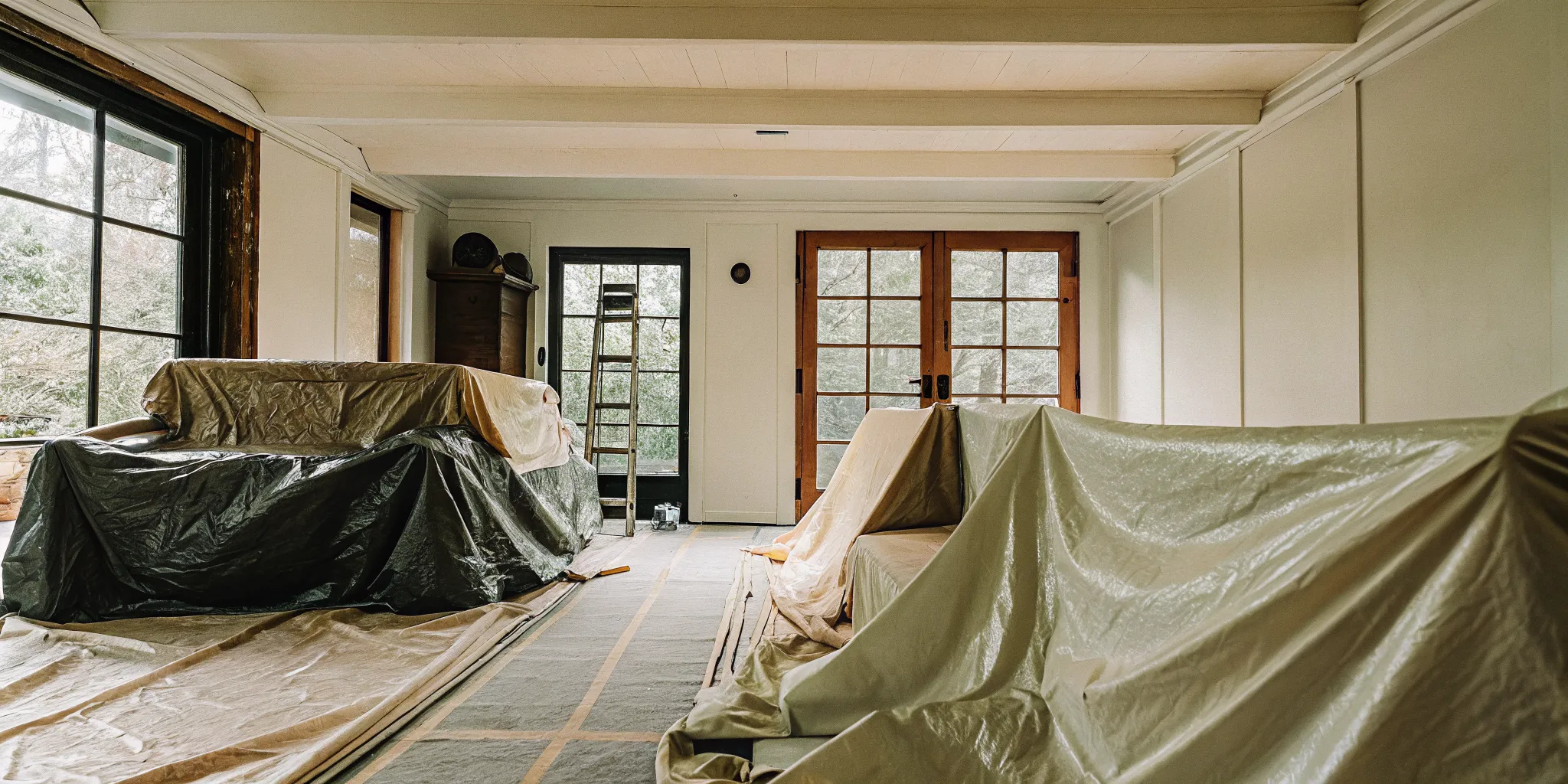
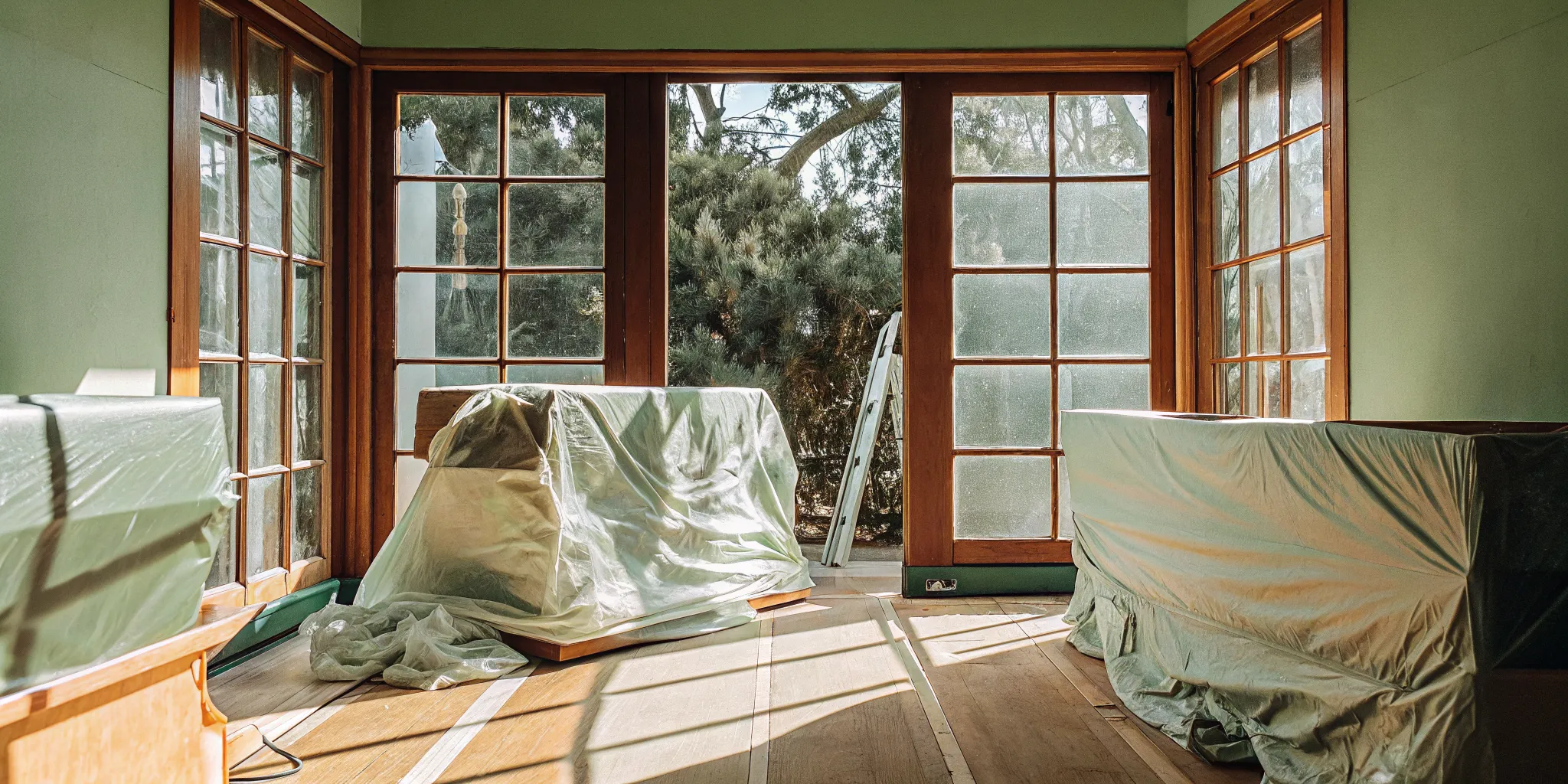
If you have large items, you can slide them to the middle of the room. Many people find that moving all things out of the room makes the job easier. It might take 15 to 30 minutes more, but it helps the team finish the work sooner. Make sure to cover these items with clean cloth or plastic sheets.
Prep the walls and check for safety
Clean walls hold paint much better than dusty ones. You can use a damp cloth to wipe down the walls before the team arrives. This removes dirt and oils that might stop the paint from sticking. If you have holes from old art, you can patch them to help in ensuring walls are ready for paint. You can also ask the team to help with these repairs.
Safety is also a big part of the plan. If your home was built many years ago, you may need to check for old lead paint. The EPA provides safety guides for homes built before 1978. Knowing what is on your walls helps you and the team stay healthy during the project. It also helps you pick the right tools for the job.
Set a plan with your team
Good talk leads to great results. Talk to your team about which rooms they will start in first. You should also check where they can get water or use the bathroom. Clear rules help the project go well and keep your life as normal as it can be while work happens. Talk about how they will clean up at the end of each day. This keeps your home tidy and safe.
Check the final colors and types of paint before the first day. This saves time and stops any errors from happening once the work starts. You should also make sure pets are in a safe and quiet spot away from the wet paint and tools.
- Move all rugs and small decor out of the room to keep them safe from dust.
- Slide large items to the middle of the room and cover them with clean plastic sheets.
- Take down any wall hangings, mirrors, or art to give the painters a clear space to work on.
- Wipe down the walls with a damp cloth to remove any dust or dirt that might stop the paint from sticking.
- Clear a path at least three feet wide around the edges of the room so the team can move with ease.
- Place pets in another quiet area of the home to keep them away from the paint and tools.
- Set a clear start time and walk through the space with the team to go over the final plan.
Match each item with the right protection
| Area or item | Preparation approach | Confirm with your contractor |
|---|---|---|
| Hard floors | Clear debris and use a secure, slip-resistant covering | Who supplies and secures the covering |
| Carpet | Remove loose rugs and protect the fixed carpet edge to edge | How coverings stay in place near stairs and doors |
| Large furniture | Move it away from walls and cover it completely | Whether the crew moves heavy pieces |
| Fixtures and built-ins | Empty shelves and identify surfaces that should not be painted | How the crew masks edges and hardware |
What wall preparation should happen before painting?
Before painting, inspect walls for cracks, holes, stains, dust, and loose material. Clean the surface, complete needed drywall repairs, allow patches to dry, and sand them smooth. A careful surface review helps the painter choose the right preparation steps and supports an even finish.
Wall prep is the most key part of preparing your home’s interior for a fresh coat. Most experts agree that about 85 percent of a paint job is just the prep work. If you skip these steps, your new paint might not stick well. It could also show every bump or crack in the wall. Taking the time to get the walls ready ensures a smooth and lasting look for your Denver home.
Spotting wall damage and stains
Before you pick up a brush, you must look closely at your walls. Walk through each room and look for small nail holes or deep cracks. Stains from water or smoke are also big red flags. If you see peeling paint, it means the old layer is failing. You must find these spots now so they do not ruin your new look. Moisture is another concern to watch for in basements or bathrooms. Safety comes first.
For older homes in the Denver Metro Area, you should also think about lead safety. If your home was built many years ago, the old paint might have lead in it. Testing for lead is a smart first step before you start sanding or scraping. The Environmental Protection Agency gives guides on how to handle lead paint safely. Finding these issues early helps you decide what you can do yourself and what needs a pro.
Cleaning and smoothing the surface
Dust and oils can stop paint from bonding to the wall. Use a damp cloth to wipe down your walls and remove cobwebs. For kitchen walls, you might need a mild soap to cut through grease. Once the walls are clean and dry, you can start smoothing the surface. Ensuring walls are ready for paint often involves light sanding to help the new coat stick better. This step creates a pro look.
Use a pole sander with 120-grit paper to smooth out the large wall areas. For trim, doors, and windows, a finer 220-grit paper works best. Sanding removes bumps and creates a “tooth” for the paint to grab onto. After sanding, be sure to wipe away the dust with a tack cloth. A clean, smooth surface is the secret to a result that lasts for years. It makes the color look even and bright.
Homeowner prep versus professional repair
Most homeowners can handle basic cleaning and removing wall decor. You should take down pictures, mirrors, and clocks before the work begins. It is also helpful to pull furniture to the center of the room. This gives you or your painter space to work. Simple tasks like these save time and help keep your project on track. It keeps your items safe from dust and drips.
But some wall repairs need an expert hand. If you have large holes, failing plaster, or major drywall damage, a pro can help. They have the tools to patch and sand walls so they look like new. Faros Construction Services takes a hands-on approach to every job. We help you find the best path for your home, whether you need a simple refresh or a full remodel. We focus on quality work and honest service.
Questions about room preparation? Call Faros Construction Services at (720) 594-5604.
Plan ventilation, household access, and safety
Plan ventilation by discussing window access, fans, and room closures with your painter before work starts. Keep children and pets away from tools and wet surfaces, preserve a clear path for the crew, and decide which rooms must remain available during each phase.
When you prepare for your interior painting project, you must think about more than just the paint colors. A big part of how to prepare your home for interior painting in the Denver Metro Area is clean air. You also must make sure the work space is safe. You want to keep your family and pets at ease while the crew works. Good planning helps the project go well and keeps everyone in your house happy.
Fresh air and window ventilation
Good air flow is key when you paint inside. You should open windows in the rooms being painted to let fresh air in. This helps the paint dry and moves fumes out of your home. You can use fans to help this process. Place fans in windows to blow air out of the room. This pull of air keeps smells from moving to other parts of your house. The EPA says to keep windows open for two to three days after the job is done.
If you have a house fan or air system, turn it off while the crew works. This stops paint dust or fumes from moving through your vents. You can also cover your vents with plastic and tape to keep them clean. Once the paint is dry, it is a smart move to change your air filters. This makes sure that any dust in the system does not stay in your home air. Keeping the air clean makes the new paint job feel fresh from day one.
Safe paths for pets and family
A busy work site can be risky for kids and pets. You should talk with your family about which rooms are off limits during the project. It is best to clear wide paths so the crew can move tools and ladders without trips or falls. Keep small pets in a safe room far from the paint. This keeps them calm and away from wet paint or tools. For large dogs, you may want to look into a day care or stay with a friend while the work is done.
Safety also means keeping the floor clear of things that could make you fall. You should remove rug runners and small mats from the hallways. This gives the painters a flat, safe surface to walk on while they carry heavy cans. Clear paths also help you move through your home without getting in the way of the crew. When each one knows where to walk, the whole project feels less stressful for you and your family.
Daily access and home comfort
Think about how you will use your home while the painting is in progress. You may need to plan for new ways to get to your kitchen or bathroom if the main hall is being painted. Talk to your paint crew about which rooms they will start with first. This lets you move things you need into other rooms before they begin. Plan your day around the work to stay on track with your own tasks. It also gives the painters the space they need to do a great job.
If you are getting your home’s interior ready for a fresh coat of paint, think about where you will eat or relax. You can set up a short-term living area in a room that is not being painted. This keeps you away from the noise and smells of the work. It also means you do not have to worry about wet paint on your skin or clothes. Taking these steps makes your home life better while your house gets a new look.
Questions to ask your residential painting contractor
Ask who handles furniture, floor protection, wall repairs, daily cleanup, ventilation, and the final walkthrough. Confirm the room sequence, expected access needs, and how the team communicates changes. Clear responsibilities prevent last-minute confusion and help protect your home throughout the project.
Before the work starts, people should talk with their painter to set clear goals. Asking clear questions helps avoid stress and makes sure the result is high-quality. An expert painter will share their preparation plan. This talk makes sure the team meets your needs and follows a clear plan from start to finish. It also helps you feel more at ease while the crew is in your home.
Questions about scope and site prep
The first step is to learn who handles each task. Ask the painter for a full list of their work. Do they move the couch and the table, or is that your job? Most crews move large items but ask you to pack small things like books and lamps. You should also ask if they remove curtains and art from the walls. Getting these answers helps you know just how to go about preparing your home’s interior for a fresh coat of paint. Knowing these details helps you understand how to prepare your home for interior painting.
You must also ask about the state of your walls. Ask how they fix cracks or holes. Experts should sand the walls to make them smooth before they start. If your home is old, ask about lead paint risks. The law says crews must follow safe steps if lead is found in the home. You can read the EPA rules for safe painting to stay safe. A good painter will test for lead if your home was built before 1978. This is a big step for the health of your family.
Questions about protection and cleanup
Your home is a big part of your life, so you must keep it safe during the job. Ask the painter what they use to cover your wood floors or carpet. Heavy drop cloths work best for most rooms. You should also ask how they keep dust from spreading to other parts of your house. They might use plastic sheets to seal the work area. This is a key part of the prep process. It keeps the rest of your house clean and free of paint dust while the work goes on.
Ask about the daily cleanup routine as well. Will they take their tools home each night or leave them in a corner? You should also ask how they handle trash like empty paint cans and old tape. A clean site is a safe site for everyone. Check what kind of paint they use too. Some paints have low fumes, which is better for your pets and kids. Knowing these things helps you stay at ease while the work happens. You want to know if you can still use your rooms at night.
Questions about updates and schedule
Clear talk is the key to a good project. Ask who will be your main contact. You want to know who to call if you have a question or a concern. Ask if the owner will be on the site or if there is a crew leader in charge. Faros Construction Services uses an owner-led approach to keep quality high on every job. You should also ask when the crew starts and ends their day. This helps you plan your own day around the work.
Finally, ask about the timeline for the whole job. Ask how they handle delays if the paint takes longer to dry than they thought. A clear schedule helps you plan your life in the Denver Metro Area. When the work is done, ask for a final check with the painter. This is when you look at every corner to make sure it looks right. Ask how they handle any spots that need a quick fix. A pro will want to leave your home looking its best and make sure you are happy with the work.
Your final pre-painting walkthrough
During the final walkthrough, confirm that fragile belongings are removed, furniture and floors are protected, repair needs are documented, and access routes are clear. Review the room sequence and communication plan with the crew so everyone understands what happens first and how each day will end.
A successful project starts with a clear plan. Before our team arrives, take a walk through each room to ensure your space is ready. This last check helps us start on time and keeps your home clean. When you prepare for your interior painting project with care, the work goes faster and results look better.
Check your surfaces and walls
Dust and dirt can stop paint from sticking well. Use a damp cloth to wipe down baseboards and trim. If you find small holes or cracks, let us know. Our team can help by ensuring walls are ready for paint with expert repairs. This step is vital for a smooth finish that lasts for years.
If your home was built before 1978, you must check for lead. The U.S. Environmental Protection Agency states that about half of homes built before this year have lead-based paint. Safety is our main goal, so we follow lead-safe rules to protect your family from dust hazards during the job.
Clear the path for workers
We want to move safely through your home without any risk to your items. Please clear a path at least three feet wide for our painters and tools. Move small rugs and floor lamps to another room. Taking a few minutes to clear the floor helps us stay focused on the job and keeps your lifestyle disruptions low.
Remove all items from walls like art, clocks, and nails. If you have large pieces of furniture, move them to the center of the room. We will use drop cloths to cover them. By preparing your home’s interior for a fresh coat this way, you help us work with more care.
Final items on your list
- Remove light switch plates and outlet covers.
- Put pets in a safe room away from the work zone.
- Identify a spot for our team to store tools and paint.
- Check that all windows can open and close for air flow.
This final walkthrough is your chance to ask questions and confirm the plan. We value honest service and clear talk with every client. Once the path is clear and surfaces are clean, our Denver team is ready to give your home a high-quality update.
Frequently Asked Questions
Can you prep and paint a room in one day?
Yes, you can often prep and paint a small or medium room in a single day. The total time depends on the state of your walls and how fast the paint dries. If you have big holes to fix, you may need to wait for the patch to dry. According to CertaPro Painters, prep work is usually done the same day work starts. Painting follows once the walls are ready and dry.
What is the fastest way to prep a room for painting?
The fastest way to prep is to clear the space all the way. Moving all items out of the room lets you work without stopping. This step takes about 15 to 30 minutes more than just sliding things to the middle, but it makes the job much easier. Use a large drop cloth to cover the floor and keep your tools in one spot. This keeps you focused and prevents a mess. It saves you time in the long run.
How do I properly tape a room for interior painting?
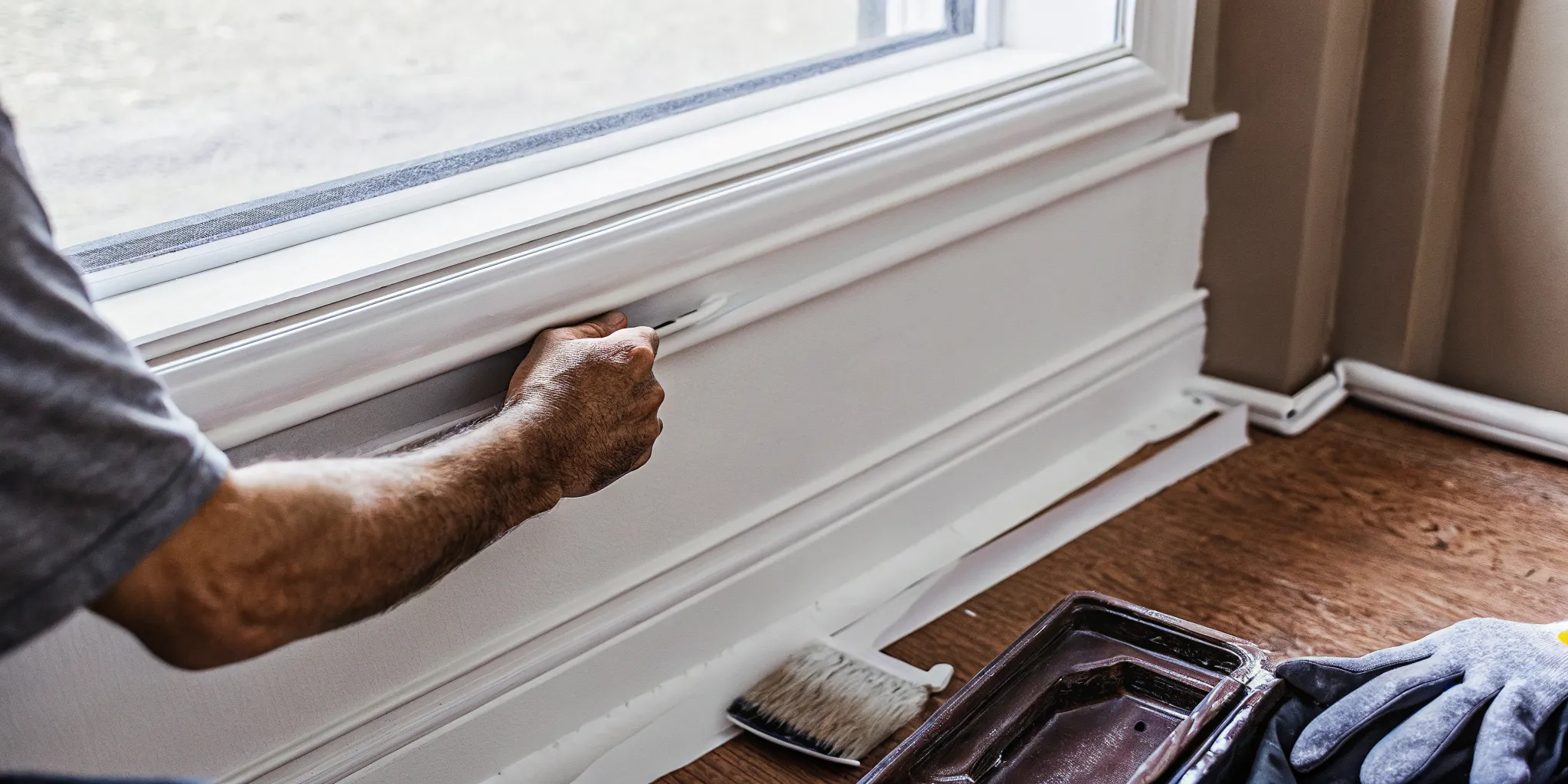
Start with clean, dry trim so the tape sticks well. Apply long strips of tape to the edges of your baseboards and window frames. Use a flat tool to press the edge of the tape down. This creates a tight seal that stops paint from leaking through. Do not use short pieces of tape, as they can leave gaps. Pull the tape away at a slant while the paint is still damp for a clean line.
Do I need to remove all wall decor before painters arrive?
Yes, you should remove all pictures and clocks before the work starts. This protects your items from dust and paint drips. It also gives the crew a clear path to work on the walls. Experts at Faros Construction Services suggest clearing the walls fully. This helps the team stay on track and makes sure every part of the wall gets an even coat of paint. It prevents missed spots on your Denver Metro Area home.
Ready to plan your interior painting project?
A well-prepared room gives the painting crew safer access and helps the project move in a logical sequence. Faros Construction Services can help Denver Metro Area homeowners review surface preparation, room access, and the details that matter before work begins.
Call (720) 594-5604 to request an interior painting consultation.