
Hail can bruise roofing and siding while strong wind tears at fences, decks, and other outdoor structures. Even damage that looks minor from the ground can allow water into materials and create a larger repair problem during the next storm.
Storm damage repair Denver starts with a prompt assessment, careful documentation, and practical steps to limit further damage. Faros Construction can evaluate affected roofs, siding, concrete, decks, hardscape, and other exterior features, then help you understand the repair path.
If your property was recently hit, contact Faros for a storm damage assessment before hidden issues worsen. Colorado guidance also emphasizes documenting damage and taking reasonable steps to protect your property after an event. Understanding why Denver homes are especially exposed makes it easier to recognize risks and respond with the right priorities.
Why Denver Homes Take the Brunt of Storm Damage
Denver’s fast-changing weather can turn a routine storm into a serious threat to a home’s roof, exterior, and structural systems. Hail, high winds, and sharp temperature swings can work together, so prompt storm damage repair in Denver helps limit water intrusion and larger failures.
Denver homes face repeated stress from extreme temperature fluctuations. Materials expand and contract as conditions change, while hail can strike roofing, siding, windows, concrete, and outdoor structures. High winds add another force, lifting or loosening roofing materials, damaging trim, breaking branches, and pushing rain into openings that were not designed to remain exposed.
Wind events can also affect a much wider area than one neighborhood. The Colorado Division of Insurance describes derechos as long-lived lines of severe thunderstorms. They can produce winds above 50 MPH and sometimes over 75 MPH while spreading across large parts of the state. Colorado’s derecho guidance shows why a storm can leave many properties needing attention at the same time.
Small openings can create major problems
A roof puncture, lifted shingle, cracked flashing joint, or damaged siding seam may look limited from the ground. Once rain reaches the underlying materials, insulation, framing, drywall, and electrical areas can be affected. Moisture can spread beyond the original impact point, making the visible mark only one part of the problem.
Faros notes that quick response after roof damage or exterior structure damage is critical for preventing secondary water damage and structural failure. That does not mean climbing onto a damaged roof or attempting unsafe repairs. It means documenting what can be seen from a safe location, protecting exposed areas when appropriate, and arranging a professional assessment before hidden issues worsen.
Why an assessment matters
Storm damage is not always obvious immediately after the weather clears. A qualified inspection can connect visible impacts with underlying damage to roofing, exterior assemblies, decks, or other structures. Acting early gives homeowners a clearer repair plan and helps preserve evidence for the next steps.
The Storm Damage Repair Process in Denver, Step by Step
A careful storm damage repair process in Denver protects people, preserves evidence, and limits additional harm to the property. Start with safe documentation and temporary protection, then bring in a qualified professional to assess the full scope before repairs move forward.
- Check safety and document the visible damage.
Wait until the storm has passed and the area is safe before inspecting the property. Look for downed lines, unstable trees, loose roofing, broken glass, and standing water. From the ground, take clear photos and videos of affected rooms, exterior surfaces, roof edges, windows, fences, decks, and other structures. Photograph both close details and wider views that show where each item is located. The Colorado Division of Insurance recommends documenting damage and belongings with photos when starting a storm-related claim.
- Mitigate further damage.
Take reasonable steps to keep exposed areas from worsening, without putting yourself at risk. A tarp over a damaged roof or temporary boarding over a broken window can help limit water intrusion. The Colorado Division of Insurance identifies these actions as part of a homeowner’s responsibility after a storm. Keep receipts, photographs, and notes for any emergency materials or services, and do not discard damaged materials before they have been documented unless they create a safety hazard.
- Arrange a professional assessment.
Visible damage does not always show the complete problem. Water may have entered behind roofing or siding, while wind may have loosened structural connections or damaged an outdoor living area. A professional assessment can identify hidden material and structural issues before they become more difficult to address. Faros provides on-site storm damage consultations and assessments in Denver to help property owners understand the condition of affected areas.
- Notify your insurance company and file the claim.
Contact your insurer using the policy’s claim instructions and provide the photos, inventory, mitigation records, and assessment information. Ask what documentation and inspection steps are required. Keep communication organized, record claim details, and avoid authorizing permanent work before you understand the insurer’s process, except for necessary emergency protection.
- Schedule the approved repair work.
Once the damage has been assessed and the repair scope is clear, coordinate the work with a qualified contractor. Confirm which areas will be addressed, how damaged materials will be handled, and what access the crew needs. A written scope helps keep the property owner, contractor, and insurer aligned.
- Restore the property and verify the result.
After repairs, review the completed work from inside and outside the property. Check that vulnerable areas are sealed, drainage moves away from structures, windows and doors operate properly, and repaired decks, fences, concrete, or hardscape areas are stable. Save final records and photographs with the claim file, and report any remaining concern promptly.
Hail and Wind Damage: Siding, Roofs, Decks, and Outdoor Structures
Hail and wind can damage more than a roof. A single storm may affect siding, decks, fences, concrete, and other outdoor features, while hidden moisture or loosened materials create additional problems. Prompt documentation and a professional assessment help identify the full repair scope before damage becomes permanent.
Roof and Siding Damage
Hail can crack, dent, or dislodge roofing materials and siding. Wind can lift edges, loosen flashing, break exterior components, and expose areas that were previously protected. Colorado hail events may require repairs across the roof, siding, and hardscape, rather than one isolated repair. See the documented overview of hail damage repairs in Colorado for additional context.
Look for missing or displaced materials, dents, broken seals, water stains, and new drafts. Avoid climbing onto a damaged roof after a storm. A ground-level review can identify visible concerns, but a professional assessment is often needed to find hidden structural or material damage before it escalates. If water has entered the home, protect the area safely and arrange an inspection as soon as possible.
Decks, Fences, and Outdoor Structures
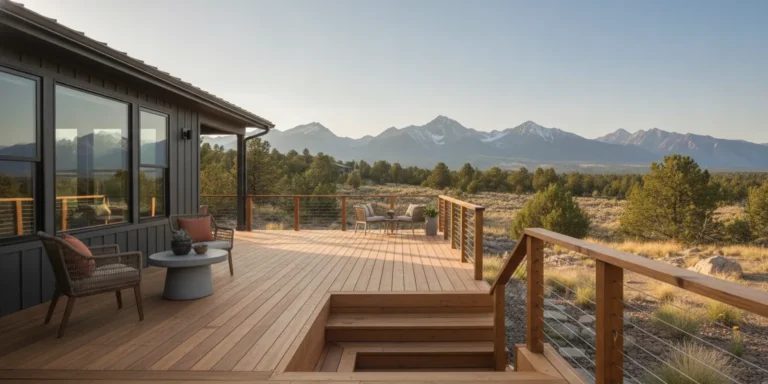
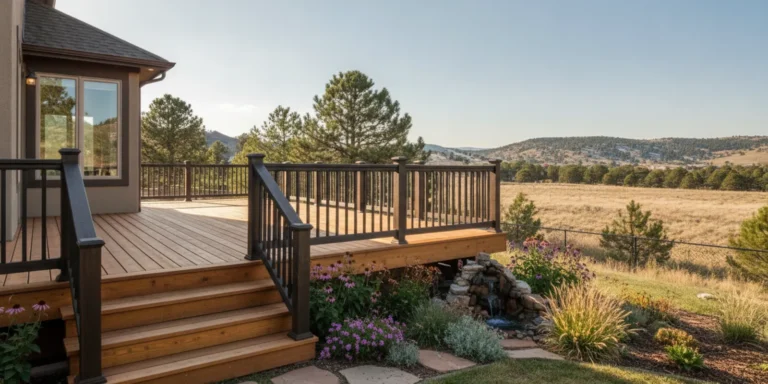
Wind can bend fence sections, loosen posts, damage railings, and shift deck boards or fasteners. Hail may chip finishes, fracture exposed components, and damage pergolas, porches, sheds, or other outdoor structures. Check connections, posts, stairs, and support points, not just the surfaces that are easiest to see.
Keep people away from unstable structures until they have been evaluated. If the storm has left an opening, temporary protection can help limit water intrusion, but it should not replace a complete inspection. For damaged outdoor living areas, review Faros deck and outdoor structure services as you plan the next step.
Concrete and Hardscape Damage
Storm conditions can expose weaknesses in driveways, patios, walkways, retaining features, and other hardscape. Hail damage may also be part of a broader repair scope that includes hardscape, even when roof or siding damage receives most of the attention. Look for new cracks, spalling, displaced sections, pooling water, and debris that could create a trip hazard.
The first 24 hours after a storm are especially important for preventing secondary or permanent damage, according to storm damage guidance from SERVPRO. During that window, document conditions, address immediate safety concerns, and arrange a professional assessment. Faros can evaluate concrete and related exterior work through its concrete contracting services, helping connect visible damage with the underlying repair needs.
| Damaged Area | Common Signs After a Storm | First Response |
|---|---|---|
| Roof and siding | Missing or displaced shingles, dents, cracked seals, water stains on ceilings | Photograph from the ground, tarp exposed areas if safe, arrange inspection |
| Decks, fences, and outdoor structures | Loosened posts, bent sections, shifted boards, chipped finishes on pergolas | Keep people away until evaluated, document connections and support points |
| Concrete and hardscape | New cracks, spalling, displaced pavers, pooling water, trip hazards | Mark hazards, photograph the full area, include in the professional assessment |
Filing an Insurance Claim After a Colorado Storm
After a Colorado storm, careful documentation and prompt mitigation can make the claim process easier while protecting your property from additional damage. Take practical steps first, then coordinate with your insurer and a qualified contractor who can explain what the property needs.
What to Document Before Repairs
Do not begin permanent repairs before you have documented the condition of the property, unless an immediate safety issue requires action. Photograph and record damage from several angles, including the roof, siding, windows, fences, decks, concrete, and other affected areas. Capture close views of individual impacts as well as wider images that show where each item is located.
Keep a written record of when the storm occurred, what you observed, temporary measures you took, and any damaged belongings. Save receipts and other records connected to emergency protection. The Colorado Division of Insurance recommends taking photos and documenting what was lost. When damage is repairable, homeowners should mitigate further damage by covering exposed areas with tarps or boarding up windows. See the Colorado Division of Insurance storm claim guidance for these documentation and mitigation recommendations.
Only take actions you can perform safely. A roof inspection or temporary covering may require the right equipment and experience. If water is entering the home, protect interior belongings from a safe location and arrange a qualified inspection promptly.
Working With Your Insurer
Notify your insurer through its established claims process and ask what documentation, inspection, and repair estimates it requires. Keep copies of correspondence, claim numbers, inspection notes, and reports. A contractor can describe visible damage, but the insurer determines coverage under the policy. Read the policy language and ask direct questions when the scope or next step is unclear.
Homeowners should also understand what a claim may and may not address. Colorado law does not require an insurer to match undamaged siding or paint simply because the repaired area looks different. The insurer is required to repair or replace actual damage caused by the covered event, according to the Colorado hail storm insurance FAQs. The same guidance notes that an insurer may consider non-renewal after multiple losses, including hail losses. That possibility makes accurate records and informed policy conversations especially important.
Choosing a Reputable Contractor
After a major hail event, contractors from outside the area may arrive quickly in Colorado. Take time to verify who will perform the work. Ask for clear written scope details, proof of licensing or registration where applicable, insurance information, references, and a local business presence. Be cautious of high-pressure requests, vague promises, or anyone who wants to begin before you understand the damage and claim process.
The Colorado Division of Insurance advises homeowners to vet storm contractors through the #NoRoofScams campaign guidance. A reputable contractor should welcome questions, document findings, and distinguish observed damage from work that still needs professional assessment. For broader property impacts, an experienced general contractor can also evaluate connected exterior elements instead of focusing on one surface in isolation.
How Faros Construction Handles Storm Damage Repair in Denver
Faros Construction begins with an on-site consultation and professional assessment, then builds a clear repair plan for the affected property. As an owner-led Denver general contractor, Ricardo Alfaro evaluates visible damage and looks for hidden structural or material issues that could worsen if left unaddressed.
Storm damage rarely stays limited to the first area you notice. Hail, high wind, and water intrusion can affect connected exterior elements, fasteners, surfaces, and supporting materials. A careful assessment helps distinguish urgent protection needs from the repairs that should follow, while giving the property owner a practical understanding of the work ahead.
Faros can coordinate repairs across several parts of a property rather than treating each damaged feature as an isolated project. Depending on the assessment, that may include roof-adjacent exterior work, siding-related repairs, decks, pergolas, porches, concrete, and hardscape. The team’s broader construction experience supports a more complete response when one storm affects multiple outdoor areas.
Inspecting for hidden damage
Visible cracks, loose components, displaced materials, or staining may indicate a deeper problem. Professional evaluation is especially important where moisture may have entered assemblies or where wind has weakened an outdoor structure. Faros documents the observed conditions, identifies areas that need attention, and helps prevent small defects from becoming more extensive structural concerns.
Repairing outdoor structures and hard surfaces
Wind can damage decks, pergolas, porches, gates, and other outdoor structures, while hail and water may affect concrete surfaces, patios, walkways, retaining features, and landscaped hardscape. Faros can connect storm-related repairs with its work as Denver deck contractors, concrete contractor, and hardscape contractor.
Local building-code experience and familiarity with Denver weather patterns inform the repair approach. When you need a coordinated evaluation, visit the storm damage repair service page or contact Faros Construction to request an on-site consultation.
Frequently Asked Questions
How quickly should I act after storm damage in Denver?
Act as soon as it is safe, ideally within the first 24 hours. Cover exposed roof areas, board up broken windows, and keep water away from interior spaces when you can do so safely. Colorado insurance guidance recommends documenting the damage and taking reasonable steps to limit additional damage, while a prompt professional assessment can identify hidden problems before they worsen. Review Colorado’s storm damage guidance and contact a qualified contractor for next steps.
What should I document before filing a hail damage claim?
Take clear photos and video of the roof, siding, windows, fences, decks, concrete, landscaping, and any interior water intrusion. Record the date of the storm, keep receipts for emergency materials or temporary work, and save copies of contractor and insurer communications. Do not remove damaged materials or begin permanent repairs until the damage has been documented and your insurer has explained its inspection process. Colorado’s Division of Insurance recommends photos and written records.
Will insurance replace siding or paint that does not match after a claim?
Not necessarily. Colorado guidance states that insurers are generally required to repair or replace damage caused by the covered event. But no law requires them to match undamaged siding or paint in other areas of the property. Review your policy, ask your adjuster how matching is handled, and keep the discussion in writing. A contractor can document the visible damage and identify related material concerns for your claim file. Read the Colorado hail insurance FAQ.
How can I avoid contractor scams after a major storm?
Verify the contractor’s identity, experience, insurance, references, and written scope before authorizing work. Be cautious of unsolicited door-to-door offers, pressure to sign immediately, requests for unclear paperwork, or promises that an insurer will approve everything. Colorado’s Division of Insurance warns that contractors may arrive from outside the area after major hail events and points homeowners to the #NoRoofScams guidance. Choose a professional who communicates clearly and evaluates the full property, not only the most obvious damage.
Ready to schedule your storm damage assessment?
A professional assessment can help identify visible and hidden damage so you can plan the right repairs for your Denver Metro Area property. Contact Faros Construction to discuss what happened and determine the next practical step. Clear documentation and a careful review can make the repair process easier to organize. Contact Faros Construction for a storm damage assessment and repair estimate.