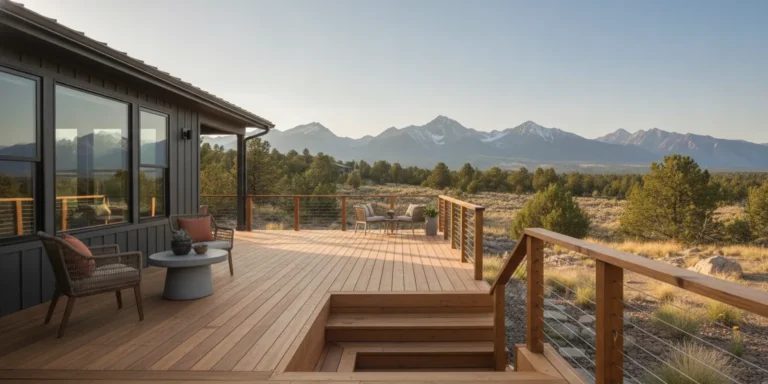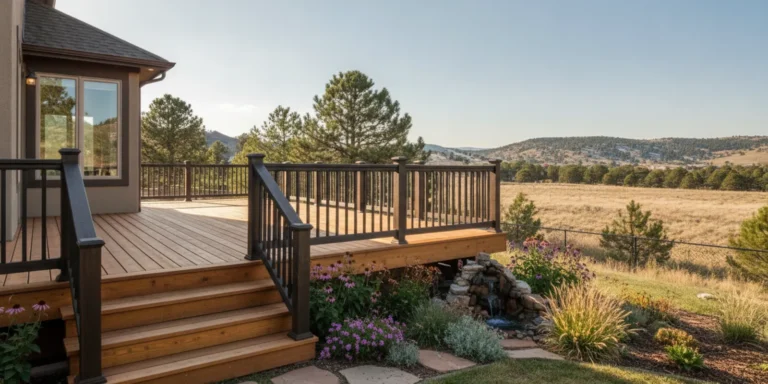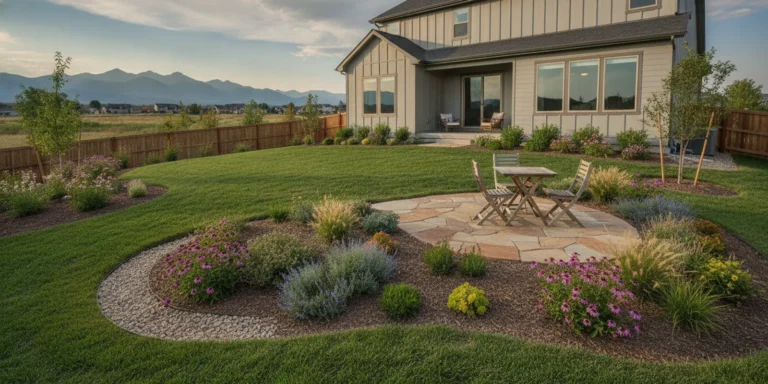

A well-planned fire feature can turn a Denver-area patio into a comfortable gathering place long after the sun goes down. The right design depends on more than the look of a fire pit or fireplace. Fuel type, clearances, surface materials, local rules, and how the feature connects to seating or an outdoor kitchen all shape the finished space.
Schedule a free consultation for outdoor fire features Denver today
For outdoor fire features Denver homeowners can enjoy safely, choose a design that matches your outdoor living goals, uses appropriate noncombustible materials, and follows applicable fire-safety requirements. Gas and propane options generally provide easier control and fewer embers, while wood-burning features require additional safeguards, including a rated spark screen and stable noncombustible base.
From a compact fire pit to a masonry fireplace with a built-in grill, thoughtful planning helps create lasting value and dependable performance. Start by considering which features best support the way your household relaxes, entertains, and uses the yard across the seasons.
Outdoor Fire Features Denver Homeowners Love
Denver homeowners add fire features to make outdoor areas more comfortable, useful, and inviting beyond the warmest summer evenings. A thoughtfully designed fire pit or fireplace can extend the outdoor season by roughly six to eight weeks on each end of summer while giving family and guests a natural place to gather.
A Gathering Spot That Works Year Round
Fire changes how a patio feels. Instead of treating the backyard as a space used only during peak summer, homeowners can enjoy morning coffee on crisp fall days. Relaxed dinners after sunset, or conversations around the fire during a mild winter evening. The warmth and soft glow create a clear focal point without requiring the entire outdoor area to be redesigned.
This flexibility is especially useful for families who entertain. Seating can face the fire, while nearby counters, lighting, and weather-ready surfaces support serving meals and spending time together. The result is an outdoor room that feels intentional, comfortable, and connected to the home.
More Residential Value Through Better Outdoor Design
Outdoor improvements that combine function and craftsmanship can contribute to residential property value. Fire pits, fireplaces, built-in grills, and connected seating areas make an exterior space more useful, which can strengthen the overall appeal of a Denver Metro Area home. The strongest results come from treating the feature as part of the property design rather than placing a standalone unit wherever space is available.
Materials, scale, placement, and safe clearances all matter. A masonry fireplace may complement a substantial patio, while a compact fire pit may suit a smaller gathering area. Integrating the feature with professionally planned outdoor living spaces helps create a cohesive setting that looks natural beside the home and remains practical for daily use.
For homeowners, the benefit is both immediate and lasting: more opportunities to use the backyard. A stronger setting for entertaining, and an exterior improvement designed around how the household actually lives.
Gas vs Wood-Burning Fire Pits in Denver: What to Choose
Gas and propane fire features offer easier control and fewer embers, while wood-burning pits create the classic flame, crackle, and campfire atmosphere many homeowners want. The right choice for your Denver Metro Area backyard depends on how you use the space. How much tending you want to do, and how you plan to manage seasonal restrictions.
| Consideration | Gas or propane | Wood-burning |
|---|---|---|
| Control | Starts and stops quickly, with a flame that is generally easier to adjust. | Offers a natural flame, but the heat and intensity change as the wood burns. |
| Maintenance | Requires attention to the burner, fuel connection, and surrounding materials. | Requires firewood handling, ash cleanup, and removal of debris after use. |
| Ember and spark risk | Generally produces fewer embers, which can make active fire management simpler. | Requires an outdoor-rated spark screen or mesh cover and a stable, noncombustible base. |
| Seasonal restrictions | May be less affected by restrictions aimed at wood or solid-fuel fires, but local rules still apply. | Burn bans during dry periods or elevated fire danger can prohibit or restrict use, even when the pit is otherwise permitted. |
| Installation | Natural-gas systems may require a properly planned gas line, while propane systems need an appropriate tank location and connection. | Does not require a gas line, but the fire area needs suitable clearances and a noncombustible surface. |
Gas or propane is often a practical fit for homeowners who want dependable, low-effort gatherings and a fast way to end the flame. Wood may be the better match when the sensory experience matters most and you are prepared to monitor sparks, manage ash, and follow local restrictions. Denver’s residential policy covers exterior heat-producing devices using propane, natural gas, or solid fuel, so the fuel type should be considered alongside the complete installation plan. Review Denver’s residential heat-producing device policy before construction.
Whichever option you select, place the feature away from decks, overhangs, and buildings, and follow the manufacturer’s instructions. A well-planned layout can support comfortable use while keeping the fire feature integrated with the rest of your outdoor living area.
Building Outdoor Fireplaces and Built-In Grills That Last
Professional installation of an outdoor fireplace or built-in grill begins with a properly engineered, noncombustible base and continues through material selection, utility coordination, and careful finishing. For homeowners considering outdoor fire features Denver properties can rely on, experienced construction helps create a durable gathering space that fits the home and follows local requirements.
A fireplace or grill island carries significant weight, so the structural base matters. The installation area should be prepared with a stable, level noncombustible pad that separates heat-producing elements from combustible materials. The base also needs to account for drainage, frost movement, surrounding grades, and the finished height of the patio. Skipping this planning can lead to settlement, cracking, or unsafe clearances over time.
Working With the Right Contractor
Materials should support both the design and the conditions of the Denver Metro Area. Natural stone creates a substantial, textured appearance, while brick offers a classic finish with strong visual definition. Stucco can provide a clean, adaptable surface when it is installed over an appropriate, heat-resistant assembly. The selected materials must be suitable for exterior exposure and placed with detailing that limits water intrusion around the firebox, countertops, doors, and other transitions.
Built-in grills and gas fireplaces also require coordination before construction begins. A qualified contractor can plan the route for gas lines, electrical connections, ventilation, shutoff access, and appliance clearances with the appropriate trades. Utility work should never be improvised after the masonry is complete. Early coordination keeps service lines accessible and helps the finished island function as one integrated system.
Local compliance is part of good craftsmanship, not an afterthought. Clearance from decks, roof overhangs, fencing, and nearby structures should be reviewed during layout, along with requirements for spark protection and heat management. An owner-led team that remains involved from planning through final installation can communicate decisions clearly. Catch conflicts early, and maintain consistent workmanship across the foundation, masonry, utilities, and finish work.
Fireplaces and grill islands are most successful when they are designed as part of the entire yard. Faros Construction Company can coordinate the feature with patios and hardscaping services so circulation, seating, and surface transitions feel intentional.
Get a free quote for your outdoor fireplace or grill island build
Colorado Fire Codes, Permits, and Burn Bans for Denver
Most basic residential fire pits at single-family homes do not require a formal permit. But some Denver Metro Area communities may require one for a specific installation or outdoor fireplace. Burn bans can also temporarily restrict or prohibit fires, so confirm local rules before using any outdoor fire feature.
Permits and Clearance Rules
Requirements depend on the municipality, the type of appliance, and whether the feature uses propane, natural gas, or solid fuel. Denver’s Residential Heat Producing Devices policy covers barbeques, open-flame devices, and other heat-producing equipment at single-family and multifamily residences. Review the Denver Fire Department policy for residential heat-producing devices before construction or installation.
Placement is just as important as paperwork. Portable outdoor fireplaces should follow the manufacturer’s instructions and generally remain at least 15 feet from structures or combustible materials. Keep permanent and portable features away from decks, roof overhangs, siding, fences, and other areas where radiant heat or sparks could spread. A stable, noncombustible base helps protect the patio and surrounding construction.
Wood-burning pits need an outdoor-rated spark screen or mesh cover and a durable noncombustible surface. These details should be considered while planning the foundation, seating layout, and nearby planting areas, rather than added after the feature is complete. A qualified contractor can also help coordinate the fire feature with masonry, drainage, and the rest of the outdoor living plan.
Staying Safe During Burn Bans
Denver may impose burn bans or other restrictions during dry periods, elevated wildfire danger, or extreme weather. A fire feature that is normally allowed may still need to remain unused until the restriction ends. Check current notices from the local fire authority before lighting a wood-burning pit, fireplace, or other open-flame device.
During permitted use, keep a working fire extinguisher, bucket of water, or sand within easy reach. Never leave a fire unattended, and fully extinguish it before leaving the area. Gas and propane features are often easier to control and produce fewer embers than wood-burning alternatives, but they still require appropriate clearances and attentive operation.
Safety planning is part of good hardscaping services. Building the base, clearances, and surrounding surface correctly from the start creates a fire feature that fits the property while respecting Denver-area safety requirements.
Integrating Fire Features With Patios and Outdoor Kitchens
A well-integrated fire feature connects the patio, seating, cooking area, and surrounding landscape into one comfortable outdoor room. The right layout, materials, and construction details help a fire pit, fireplace, or grill feel designed into the space rather than added as a separate element.
Start with the way people will move through and use the area. A fire pit can anchor a circular or conversational seating zone, while a fireplace can create a strong focal point along the edge of a patio. Built-in grills work best where the cook has convenient access to preparation surfaces, serving space, and seating without placing guests in the primary traffic path.
Coordinate the patio foundation and finish
Stamped concrete and paver patios each offer opportunities to establish a visual foundation for the fire feature. Patterns, borders, and transitions can define the cooking and gathering zones while keeping the entire surface visually connected. A qualified builder also considers the base, drainage, heat exposure, and movement between materials before installation begins. These details support a durable result and help prevent the feature from looking like an afterthought.
Seating walls can extend the patio design while providing permanent places to gather around a fire pit. Their height, location, and surface finish should support comfortable conversation and leave appropriate room for safe access. Repeating a paver color, concrete texture, or masonry finish on the walls and fire feature creates a cohesive appearance.
Build the outdoor kitchen as part of the same plan
An outdoor kitchen should be planned with the fire feature, not positioned independently after the patio is complete. The layout may include a built-in grill, counters, storage, lighting, and nearby dining space, with each element placed for practical preparation and entertaining. Consistent trim, stonework, hardware, and countertop selections can tie the kitchen to a fireplace or seating wall.
Thoughtful hardscaping services help coordinate the patio, retaining elements, walkways, and masonry details around the feature. This creates a stronger visual connection between the built surfaces and the landscape. For a broader plan, Faros Construction can also shape outdoor living spaces around how your household relaxes, cooks, and hosts guests in the Denver Metro Area.
Cohesive design depends on careful measurements, durable materials, and craftsmanship at every connection. When the fire feature, patio, seating, and kitchen are developed as one build, the finished space feels natural to use and reflects the character of the home.
Frequently Asked Questions
Which outdoor fire feature works best for a Denver backyard?
The right choice depends on how you plan to use the space. Gas fire pits and fire bowls offer convenient control and produce fewer embers, while wood-burning pits create a traditional fire experience. Outdoor fireplaces add a strong architectural focal point, and built-in grills are useful when entertaining and preparing meals outside.
Are gas or wood-burning fire features easier to manage?
Gas and propane features are generally easier to start, control, and maintain. Wood-burning features require more active supervision, a rated outdoor spark screen or mesh cover, and a stable, noncombustible base. Local restrictions can also affect when solid-fuel fires may be used.
Do outdoor fire features require a permit in the Denver Metro Area?
Permit requirements depend on the installation and local jurisdiction. Basic residential fire pits at many single-family homes may not need a formal permit, but some communities require permits for specific installations or outdoor fireplaces. Denver Fire Department policy and applicable fire-code requirements should be reviewed before construction. Source: Denver Fire Department residential heat-producing devices policy.
How far should a portable fire feature be from structures?
Portable outdoor fireplaces generally require at least 15 feet of clearance from structures or combustible materials and must follow the manufacturer’s instructions. Permanent features should also be positioned away from decks, overhangs, and buildings, with a properly designed noncombustible base. Source: portable outdoor fireplace code guidance.
What safety steps should homeowners take before using a fire feature?
Confirm that the feature is allowed under current local conditions, especially during dry periods or elevated fire danger when burn bans may restrict use. Keep a working fire extinguisher, bucket of water, or sand nearby, and never leave an active fire unattended.
Ready to Bring Outdoor Fire Features to Your Denver Home?
A thoughtfully designed fire feature turns an ordinary backyard into a space you want to use in every season. From choosing the right gas or wood-burning fire pit to coordinating the patio, seating, and grill island around it, the details matter for both safety and long-term enjoyment. The Faros Construction team brings hands-on, owner-led craftsmanship to every project across the Denver Metro Area. We work with you from the first design conversation through the final build, keeping your home, your aesthetic, and local code rules front of mind.
Talk to our team today and start planning your outdoor fire feature. Contact us to schedule a free consultation in the Denver area.