
A truly great custom home is built to last, not just in its structure but in its relevance for years to come. As technology evolves, you want a home that can adapt without needing major renovations. This is where planning for automated custom homes becomes so important. It’s about more than just installing the latest gadgets; it’s about creating a flexible infrastructure. By working with your builder to install the right wiring and network capabilities from the start, you future-proof your investment. This ensures your Denver metro area home will be ready for new innovations, allowing you to seamlessly integrate new technology as it becomes available.
Key Takeaways
- Understand the Two Types of Automation: An automated home involves two distinct ideas: smart technology for daily convenience and automated construction for building precision. Knowing the difference helps you clarify your goals for your custom home project.
- Plan for Smart Features from the Start: The best way to create a seamless smart home is to discuss your technology goals with your builder during the initial design phase. This ensures the right infrastructure is built in, saving you from complex and disruptive updates later.
- Choose Automation for Its Practical Value: Smart home technology is most effective when it serves a clear purpose, like simplifying your daily routine, enhancing security, or reducing energy use. Focusing on these tangible benefits ensures you make a smart investment in your home’s long-term comfort.
What Is an Automated Custom Home?
When you hear the term “automated custom home,” it can actually refer to two different, but related, concepts. One is about the experience of living in the home, and the other is about how the home is built. Understanding the difference is the first step in deciding what features are right for your project. At Faros Construction Services, we believe in clear communication, so let’s break down what these terms mean for you as a homeowner in the Denver metro area. We can help you plan a home that incorporates the right technology and building methods to fit your lifestyle perfectly.
Smart Homes vs. Automated Construction: What’s the Difference?
First, let’s talk about a “smart home.” This refers to a home equipped with technology designed to make your daily life more convenient and efficient. Think of systems for lighting, climate, and security that you can control with your voice or a smartphone. The goal is to have your home’s features fit your unique style and needs, creating a living space that works for you.
On the other hand, “automated construction” is all about the building process itself. This modern approach uses robotics and automation to build parts of a home, sometimes in a factory or even on-site with mobile robotic factories. This method focuses on precision, efficiency, and quality in the physical structure of the house.
How Smart Tech and Automated Building Work Together
So, how do these two ideas connect? They work together beautifully when planned from the start. Using automated construction methods can create the perfect framework for a high-tech smart home. Experts suggest planning for smart technology early in the building process to get the best results.
When builders use techniques like automated modular house building, they can seamlessly integrate the necessary wiring and infrastructure for your smart devices directly into the walls and structure. This integrated approach is much more efficient than trying to add complex systems after the fact. It ensures your home is not only built with precision but is also ready for the future of home technology.
Popular Smart Home Features for Your Custom Build
When you decide to build a custom home, you have the unique opportunity to integrate technology that makes your life easier and more enjoyable. Smart home features are no longer a futuristic concept; they are practical, accessible additions that can be tailored to your specific lifestyle. From managing your home’s temperature with a tap on your phone to creating the perfect ambiance with automated lighting and sound, the possibilities are exciting. Thinking about these features early in the design process is key.
Integrating these systems from the ground up during the construction phase is the best way to ensure they work seamlessly together. It allows for clean, hidden wiring and a fully cohesive system designed just for you, rather than trying to retrofit solutions later. This proactive approach means your smart home feels intuitive and effortless from the day you move in. Let’s look at some of the most popular smart home features homeowners in the Denver metro area are including in their new builds. These additions are all about adding convenience, security, and a touch of modern comfort to your daily routine, making your new house truly feel like a home built for the way you live.
Effortless Climate Control
Imagine your home’s temperature adjusting automatically based on the time of day, the weather outside, or even whether you’re home or away. Smart thermostats make this a reality. These systems learn your preferences and create schedules to keep you comfortable while also optimizing energy use. You can adjust the temperature from anywhere using a smartphone app, so you can warm the house up on your way home from the mountains or cool it down before you arrive on a hot summer day. It’s a simple way to add a layer of personalized comfort to your home.
Smart Lighting and Soundscapes
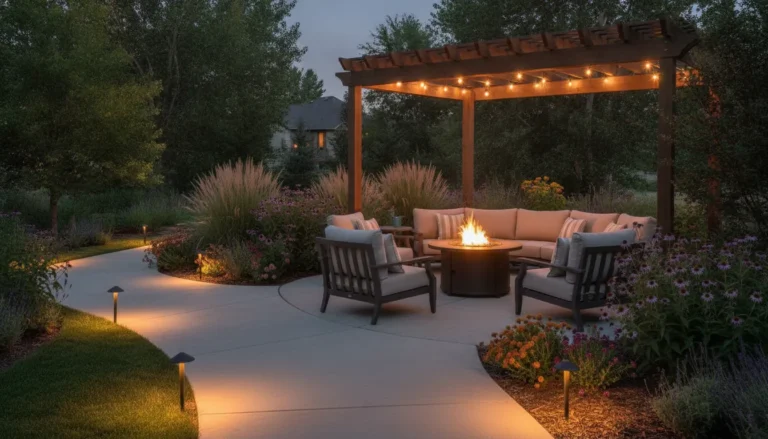
The right lighting and music can completely change the feel of a room. Smart lighting lets you control the brightness, color, and timing of your lights with an app or voice command. You can schedule lights to turn on as the sun sets or create custom “scenes” for movie nights or dinner parties. Pair this with a whole-home sound system, and you can stream music seamlessly throughout your house and even into your outdoor living spaces. It’s all about creating the perfect atmosphere for any moment, inside and out.
Advanced Home Security
Modern security systems offer incredible peace of mind, whether you’re at home or on vacation. Smart security features include high-definition cameras you can view from your phone, video doorbells that let you see and speak to visitors, and smart locks that allow you to grant access remotely. You can also get alerts if a door or window is opened unexpectedly and even control your garage door from anywhere. Integrating these systems into your custom build ensures your home and family are always protected.
Centralized Energy and Automation Hubs
The true magic of a smart home is how all its features work together. A central hub brings everything under one roof, allowing you to control your smart home with a single app, a wall-mounted touchscreen, or even your voice. This makes managing your home’s lighting, climate, and security incredibly simple. These hubs also provide valuable insights into your energy usage, helping you identify opportunities to save on your utility bills by automating thermostats and lights. It’s the command center for a more efficient and convenient home.
Automated Construction vs. Traditional Building
When you picture a new home being built, you probably imagine a team of skilled craftspeople working on-site, measuring, cutting, and assembling everything piece by piece. That’s the heart of traditional building. But the industry is also seeing innovation through automated construction, which uses technology to change how a home comes together. While it sounds futuristic, it’s helpful to understand the difference, especially when planning a custom project. This isn’t about replacing craftsmanship but exploring new ways to achieve precision and efficiency.
The Role of Robotics and AI
Automated construction integrates robotics and artificial intelligence into the building process. Instead of all work happening on the final site, some companies are now automating home construction by using mobile robotic factories. These systems can assemble major components like walls, floors, and roofs with incredible accuracy in a controlled environment. This approach streamlines the process by bringing high-tech assembly directly to the project, blending factory precision with on-site progress. It’s a fascinating shift that aims to make building more efficient and predictable.
Benefits: Precision, Speed, and Quality
One of the biggest advantages of automation is the significant gain in speed and precision. Because robots follow digital plans exactly, the potential for human error drops dramatically. Some studies on automated modular house building show that the rate of rework can fall from over 10% to less than 3%. This level of accuracy means fewer mistakes and delays. For a homeowner, this translates into a smoother building process and a higher-quality final product, often completed in a fraction of the time compared to conventional methods.
A Sustainable Approach to Building
Automated methods also offer a more sustainable way to build. When components are manufactured in a factory setting, it’s much easier to control and minimize material waste. Precise cuts and assembly mean fewer scraps end up in the landfill. This efficiency also extends to energy consumption during the building process. The result is a construction method that is not only streamlined but also lighter on the environment. For homeowners in the Denver Metro Area who value sustainability, it’s an encouraging development in the future of home building.
Key Benefits of an Automated Custom Home
An automated custom home isn’t just about futuristic gadgets; it’s about creating a living space that works for you on every level. Integrating smart technology into your home’s design from the very beginning allows for a seamless experience that enhances your comfort, security, and even your finances. When you partner with a home builder who understands how to weave these features into the construction process, you get a home that’s not only beautiful and well-built but also incredibly intuitive.
Think of it as the ultimate form of customization. Beyond choosing finishes and floor plans, you get to decide how your home functions and responds to your needs. Imagine your lights adjusting automatically as the sun sets, your thermostat learning your schedule to optimize heating and cooling, or your security system giving you a clear view of your property from anywhere in the world. These aren’t just conveniences; they are practical improvements that add real value to your daily life. From saving energy to simplifying your routines, the advantages are tangible and designed to make your life easier. Let’s look at some of the most significant benefits you can expect when you build a smart, automated custom home in the Denver metro area.
Save on Energy
One of the most practical advantages of an automated home is its potential for significant energy savings. Smart systems give you precise control over your home’s energy consumption. For example, automated thermostats learn your daily patterns and adjust the temperature for you, so you aren’t heating or cooling an empty house. Smart lighting can be programmed to turn off when a room is vacant or dim based on the amount of natural light available. These energy-saving tools not only help reduce your monthly utility bills but also support a more sustainable lifestyle by minimizing your home’s environmental footprint. It’s a win-win for your wallet and the planet.
Simplify Your Daily Life
Imagine managing your entire home with just a few taps on your phone or a simple voice command. That’s the reality of living in an automated custom home. Smart technology consolidates control over various systems, including lighting, climate, entertainment, and security, into one user-friendly interface. You can create “scenes” that adjust multiple settings at once, like a “good morning” scene that gradually brightens the lights and starts your favorite playlist. This level of automation simplifies daily tasks and frees up your time and mental energy. It’s about making your home a true partner in your daily routine, whether you’re relaxing inside or enjoying your outdoor living space.
Gain Peace of Mind with Enhanced Security
A smart home is a secure home. Automated security systems offer a level of protection and awareness that traditional systems can’t match. With smart cameras, you can check on your property from anywhere, receive alerts if motion is detected, and even communicate with visitors through two-way audio. Smart locks allow you to grant temporary access to guests or service providers without sharing a physical key. These advanced security systems provide constant vigilance, giving you invaluable peace of mind whether you’re at work, on vacation, or just in another room. It’s about feeling safe and connected to your home at all times.
Increase Your Home’s Value
Investing in smart home automation is also a smart financial move. As technology becomes more integrated into our lives, homebuyers increasingly expect and seek out automated features. A home equipped with smart climate control, lighting, and security is more attractive on the market and can command a higher resale value. According to experts, smart homes are not only more convenient and efficient but may also see an increase in their property value. By building these features into your custom home now, you’re not just improving your quality of life; you’re making a forward-thinking investment in your property’s future.
Is an Automated Home the Right Choice for You?
Deciding to build an automated home is a big step, and it’s smart to weigh the pros and cons for your lifestyle and budget. An automated home isn’t just about futuristic gadgets; it’s about creating a space that works for you, simplifies your routines, and provides lasting comfort. Thinking through the initial investment, long-term benefits, and customization options will help you determine if this is the right path for your new build in the Denver metro area. The goal is to build a home that you’ll love for years to come, and a little planning goes a long way in making that happen.
Understanding the Initial Investment
The financial commitment for home automation can be flexible, depending on how much you want to integrate. For basic smart features, the outlay is often quite manageable. A typical smart home system can range from a few hundred to a couple of thousand dollars. If you’re dreaming of a fully connected four-bedroom home, you can expect a more significant investment. High-end, completely integrated systems represent the top tier of home automation. The key is to decide which features matter most to you and plan your budget accordingly, whether you’re starting small or going all-in.
Factoring in Long-Term Savings
While there’s an upfront investment, an automated home is designed to provide value over the long run. Smart thermostats and lighting learn your habits and adjust to reduce energy use, which can lead to noticeable savings on your utility bills. Enhanced security features like smart locks and cameras offer peace of mind that is hard to put a number on. Plus, these modern features can make your property more attractive to future buyers, potentially increasing your home’s overall value. It’s helpful to see automation not just as an expenditure but as an investment in a more efficient, secure, and valuable home.
What to Know About Customization
Automation isn’t a one-size-fits-all package. The beauty of building a custom home is that you can tailor the technology to fit your exact needs and preferences. You get to choose which systems you want and how they work together, from automated blinds that open with the sunrise to a sound system that plays your favorite music when you walk in the door. This level of personalization ensures the technology enhances your life instead of complicating it. At Faros, we believe your home should be a perfect reflection of you, which is why we specialize in building custom outdoor living spaces and homes designed around your vision.
How to Plan for Smart Features in Your Custom Home
Integrating smart technology isn’t something you can just tack on at the end of a build. A truly seamless and functional automated home starts with a solid plan. When you think about your home’s technology from the very beginning, you ensure everything works together perfectly, from the wiring hidden in the walls to the apps on your phone. This foresight not only makes your home more enjoyable but also protects your investment for the future. The key is to approach smart home features with the same level of detail and planning as you would your foundation or floor plan. By working through these steps with your construction partner, you can create a home that is intelligent, intuitive, and built to last.
Collaborate with Your Builder Early
The single most important step you can take is to bring your builder into the conversation about smart technology from day one. Planning for these features early in the design process is essential for a smooth and successful integration. When your builder knows your tech goals from the start, they can incorporate the necessary infrastructure directly into the home’s blueprints. This avoids complicated retrofitting later on. A collaborative approach ensures that everything, from automated lighting to security systems, feels like a natural part of your home rather than an afterthought. This is where having an experienced home builder on your team makes all the difference.
Future-Proof Your Home’s Infrastructure
Technology changes fast, and the last thing you want is for your brand-new custom home to feel outdated in a few years. That’s why future-proofing is so important. This means designing your home’s wiring and network infrastructure to be easily updated and expanded as your needs evolve. Think of it as laying the groundwork for technologies that might not even exist yet. Simple steps, like running extra conduit for future wiring or installing a robust structured wiring panel, can save you major headaches down the road. This ensures your home remains functional and relevant, allowing you to adopt new smart features without tearing open your walls.
Discuss Key Customizations Upfront
Your vision for a smart home is unique to you. Maybe you dream of waking up to automated blinds that open with the sunrise or a sound system that plays your favorite music as you walk through the door. To make this a reality, it’s vital to discuss these key customizations with your builder early on. Working closely with your construction team helps align your vision with what’s practically possible. Come prepared with a list of what you want to automate and how you imagine using the technology in your daily life. This clear communication helps ensure your smart home is not only technologically advanced but also incredibly easy for you to use. Ready to start the conversation? Let’s schedule a consultation to talk about your ideas.
Let’s Build Your Automated Dream Home in Denver
Building your dream home in the Denver metro area is an exciting prospect, and incorporating automation can make it even more special. Whether you’re drawn to the daily convenience of a fully integrated smart home or intrigued by the precision of modern construction methods, the key is working with a builder who understands your vision from the very beginning. The future of home building isn’t just about technology; it’s about how that technology enhances your life.
At Faros Construction Services, we combine timeless craftsmanship with a forward-thinking approach. As your dedicated home builder, we partner with you to create a space that is not only beautiful and durable but also perfectly suited to your lifestyle. Our owner-led team collaborates closely with homeowners, architects, and specialized tech installers to ensure every detail is executed correctly. From planning the infrastructure for future smart features to integrating the systems you want today, we help you make informed decisions from the ground up.
Your automated dream home is more than just gadgets; it’s about creating a sanctuary that works for you. It’s about a home that’s secure, efficient, and simplifies your daily routines. If you’re ready to start the conversation about your custom home project, we’re here to listen and guide you through the process. Let’s build a home that’s truly yours, designed for today and ready for tomorrow.
Related Articles
Frequently Asked Questions
Do I have to choose between a smart home and one built with automated construction? Not at all, in fact, they work best together. Think of automated construction as the method for building the physical house with high precision, while a smart home refers to the technology you live with inside it. Using automated building techniques can actually make it easier to integrate the wiring and infrastructure needed for smart features, creating a more seamless and reliable result.
Do I need to install a complete smart home system all at once? You definitely don’t have to go all-in from the start. You can begin with a few key features that matter most to you, like a smart thermostat and security cameras. The most important thing is to plan for the future during the building phase. By installing flexible wiring and a central hub, you give yourself the option to easily add more technology later without needing to open up walls.
How can I prevent my smart home technology from becoming outdated? This is a great question and a common concern. The best strategy is to “future-proof” your home’s core infrastructure during construction. This involves installing a robust and adaptable wiring system that can support new devices and technologies as they become available. It’s less about the specific gadgets you install today and more about creating a flexible foundation that can evolve with you and your home.
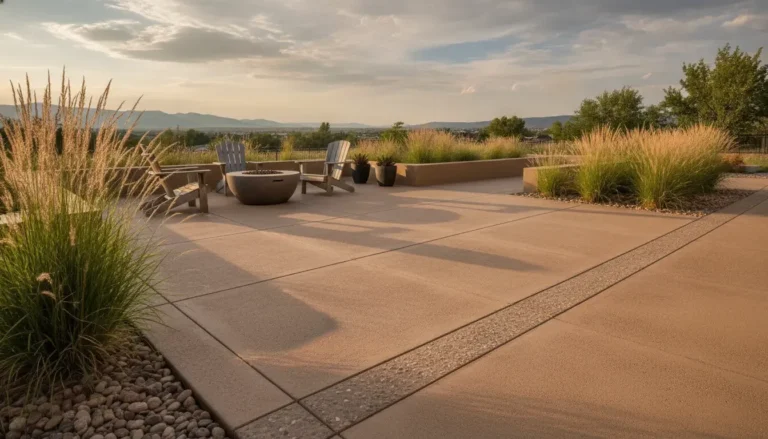
Can I automate my outdoor living areas too? Yes, absolutely. Extending smart features to your outdoor spaces is a fantastic way to enhance your home. You can integrate automated lighting for your deck or patio, install an all-weather sound system for entertaining, or add security cameras for complete peace of mind. Planning these features alongside your indoor systems ensures everything works together as one cohesive unit.
What’s the most important first step when planning for a smart home? The most critical step is to discuss your vision with your builder as early as possible. Bringing up your desire for smart features during the initial design phase allows the team to incorporate the necessary infrastructure right into the blueprints. This proactive collaboration ensures your home is built to support the technology you want from day one, making the entire process smoother and more successful.