
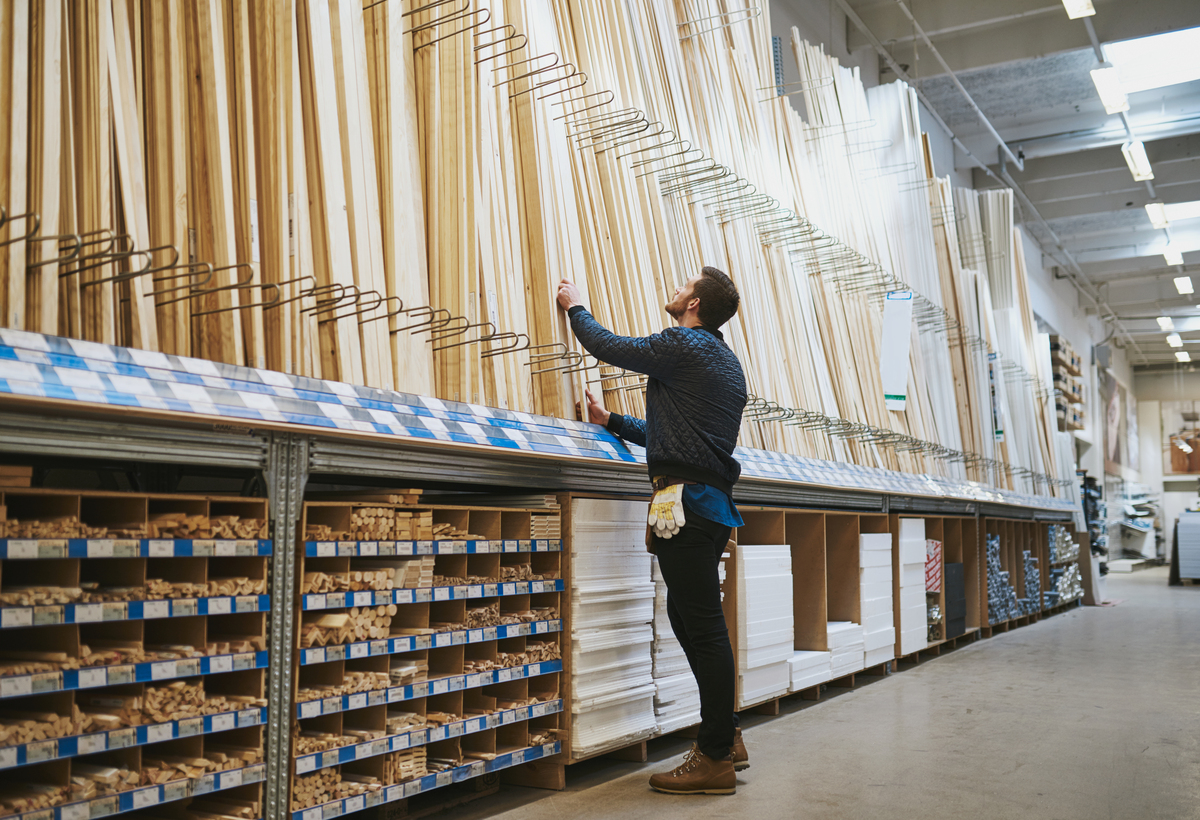
Choosing the right lumber makes all the difference when it comes to durability, appearance, and long-term satisfaction with your outdoor project. Two of the most common choices are cedar timbers and pressure-treated southern yellow pine. Both are popular for decks, pergolas, fences, garden structures, and general outdoor use, but each one shines in different ways.
If you’re weighing out which is the better fit for your project, this breakdown will help you understand the strengths, limitations, and best use cases for each.
Cedar Wood (Western Red Cedar)
Western Red Cedar is known for its gorgeous natural color and impressive outdoor performance. It’s a premium material that offers a blend of beauty and reliability.
Lifespan
Cedar typically lasts 15 to 25 years outdoors, thanks to the natural oils found in the wood. These oils help protect it from rot, insects, and decay. When cedar is used in direct ground contact, the lifespan is closer to 10 to 15 years.
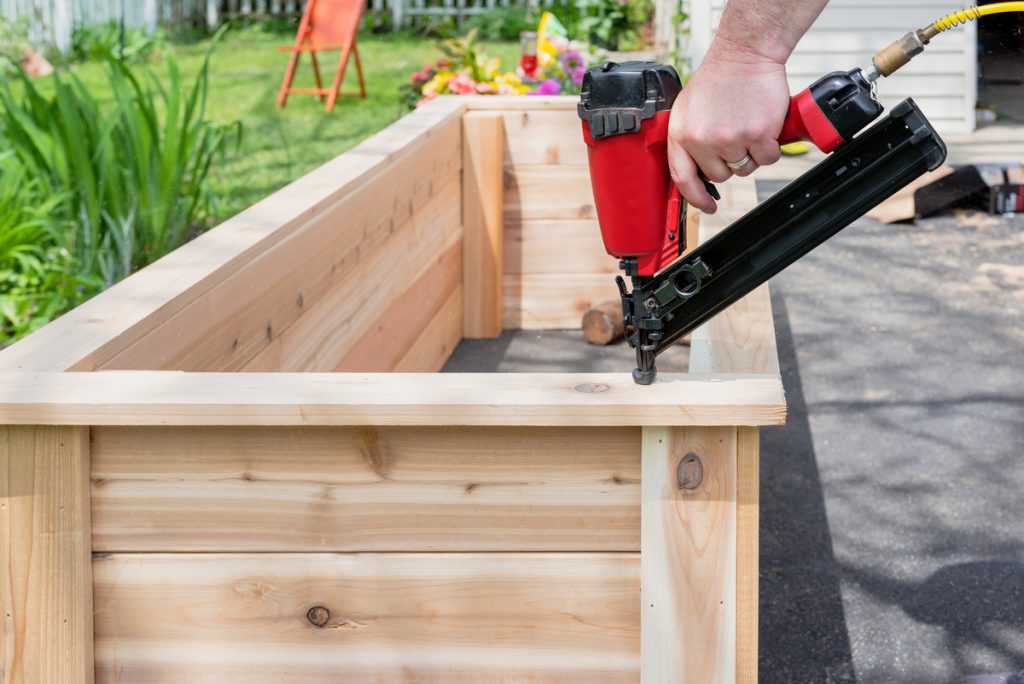
Why Cedar Performs So Well
- Naturally rot resistant
- Repels insects without any chemical treatment
- Less likely to warp, crack, or cup
- Dries quickly, which prevents moisture-related issues
- Offers a refined, high-end appearance
Things to Keep in Mind About Cedar
- Softer material, so it dents and scratches more easily
- Shorter lifespan when directly buried in the ground
- Higher price point compared to pressure-treated lumber
Cedar is ideal for homeowners who want a long-lasting, beautiful structure and are willing to invest a bit more for premium quality.
Pressure-Treated Southern Yellow Pine
Pressure-treated southern yellow pine is one of the most widely used outdoor building materials. It’s dependable, strong, and accessible, making it a go-to choice for many budget-conscious projects.
Lifespan
Above-ground applications typically last 20 to 40 years. When you use ground-contact-rated lumber, that lifespan often extends well beyond 40 years.
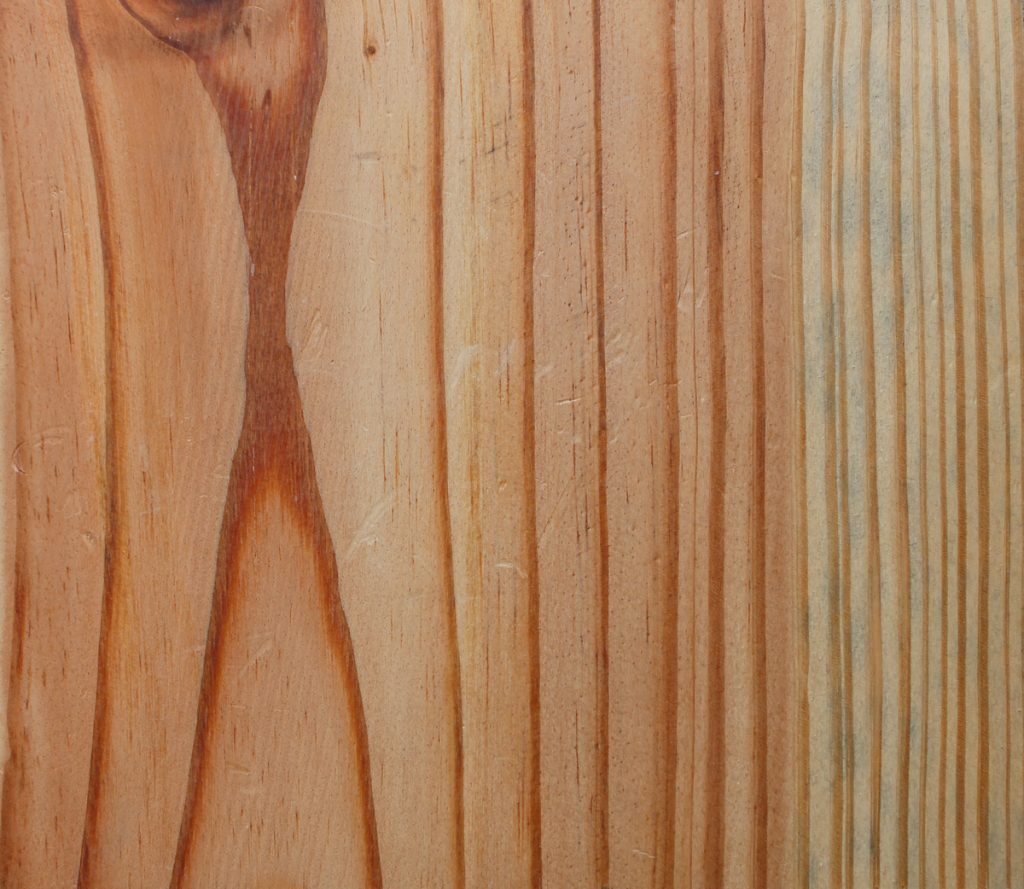
Why Pressure-Treated Wood Lasts So Long
- Chemically treated to resist insects, rot, and fungus
- Stronger structurally compared to cedar
- Affordable and easy to find at any major lumber retailer
- Comes in many sizes and grades for flexible building options
Things to Keep in Mind About Pressure Treated Wood
- More prone to warping, twisting, or checking as it dries
- Less premium appearance unless stained or painted
- Contains chemical preservatives that may leach slightly over time, although modern treatments are considered safe for most uses
Pressure-treated lumber is a great match when longevity, strength, and affordability are the top priorities.
So Which One Is Better?
It really depends on your goals.
Choose cedar if you value natural beauty, a more refined finish, and excellent weather performance without chemical treatments.
Choose pressure-treated wood if you’re looking for a strong, budget-friendly option with a longer lifespan, especially for ground contact or structural applications.
Both materials can deliver great results when used in the right setting. Understanding how each one performs helps ensure your project stands the test of time.
If you want help choosing the best lumber for your build or need expert installation, you’re always welcome to reach out.