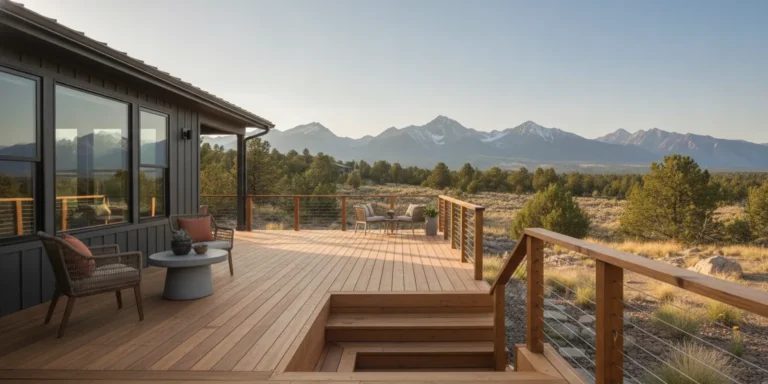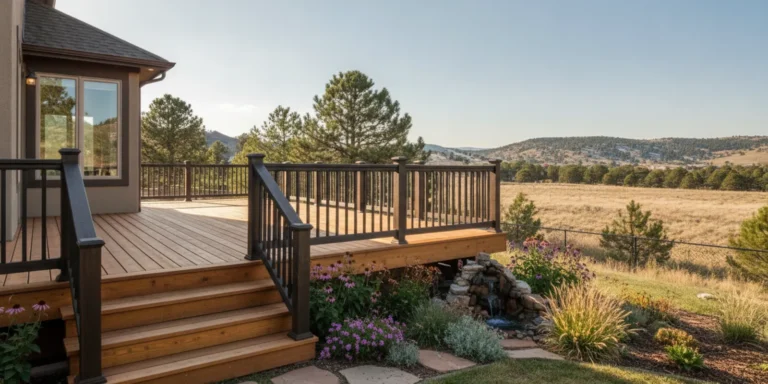

Quick answer: For Denver Metro Area construction services that use outdoor wood, pressure-treated lumber is often selected for posts, beams, joists, and other structural or ground-contact components when the specified treatment and grade fit the application. Cedar is often selected for visible surfaces, such as deck boards, railings, and pergola details, when natural appearance and a refined finish are priorities. The right material depends on the location of each component, exposure to sun and moisture, and the maintenance plan.
Choosing the right lumber makes all the difference when it comes to durability, appearance, and long-term satisfaction with your outdoor project. Two of the most common choices are cedar and pressure treated southern yellow pine. Both are popular for decks, pergolas, fences, and outdoor structures across the Denver Metro Area, but each one performs differently, especially in Colorado’s unique semi-arid climate with intense sun exposure and dramatic temperature swings. This detailed comparison will help you choose the best material for your specific project needs.
Cedar Wood Overview
Western Red Cedar is known for its natural beauty and impressive outdoor performance. It is a premium material that offers a blend of aesthetics and reliability without requiring chemical treatments. Cedar contains natural oils that protect it from rot, insects, and decay, making it an excellent choice for above-ground outdoor applications where appearance matters most.
Lifespan: Cedar typically lasts 15 to 25 years outdoors when properly maintained with regular sealing. In direct ground contact, the lifespan is closer to 10 to 15 years.
Pros: Naturally rot and insect resistant without chemical treatments, less prone to warping and cracking than many alternatives, dries quickly after rain and snow, refined high-end appearance that ages gracefully to a silver-gray patina, lightweight and easy to work with, takes stain and sealant exceptionally well for customized color.
Cons: Softer material that can dent and scratch more easily than pressure treated options, shorter lifespan when placed in ground contact applications, higher initial investment compared to pressure treated alternatives, requires regular maintenance to preserve appearance.
Pressure Treated Lumber Overview
Pressure treated southern yellow pine is one of the most widely used outdoor building materials in the United States. It is dependable, strong, and accessible at any major lumber retailer, making it a go-to choice for structural applications where strength and longevity are top priorities.
Lifespan: Above-ground applications typically last 20 to 40 years. Ground-contact rated lumber often extends well beyond 40 years, making it the longest lasting option for direct soil contact.
Pros: Chemically treated to resist insects, rot, and fungus even in direct ground contact; stronger structurally than cedar for load-bearing applications; more affordable and widely available in many sizes and grades; excellent for structural framing, joists, and support posts.
Cons: More prone to warping, twisting, or checking as it dries and seasons; less premium appearance unless stained or painted; contains chemical preservatives that require careful handling during cutting and installation; heavier and more difficult to work with than cedar.
Cedar vs. Pressure Treated: Side-by-Side Comparison
| Factor | Cedar | Pressure Treated |
|---|---|---|
| Lifespan Above Ground | 15-25 years | 20-40 years |
| Rot Resistance | Natural oils | Chemical treatment |
| Appearance | Premium, natural beauty | Functional, needs finishing |
| Structural Strength | Moderate | High |
| Maintenance Frequency | Seal every 2-3 years | Stain every 3-5 years |
| Best Applications | Visible decking, pergolas, fencing | Joists, beams, ground contact |
| Denver Climate Rating | Excellent for sun resistance | Excellent for freeze-thaw |
Colorado Climate Considerations
Denver’s semi-arid climate presents unique challenges for outdoor wood. The intense sun at high altitude accelerates UV damage and drying, while low humidity causes wood to shrink and expand more dramatically than in coastal regions. Freeze-thaw cycles common along Colorado’s Front Range put additional stress on outdoor structures. Cedar’s natural oils help it resist Colorado’s dry conditions and UV exposure, while pressure treated lumber’s chemical treatment provides robust protection against moisture intrusion during freeze-thaw cycles. Both materials perform well in Denver when properly installed and maintained, but your choice should reflect the specific conditions your project will face.
Best Uses for Each Material
Cedar is ideal for visible elements where appearance matters most, including deck boards and railings, pergola beams and lattice, fence pickets and gates, outdoor furniture, and any surface where you want a natural, premium look. Cedar takes stain and sealant exceptionally well, allowing homeowners to customize the color and finish of their outdoor spaces while protecting the wood.
Pressure treated lumber excels in structural applications where strength and durability are critical, including support posts and beams, floor joists and ledger boards, any wood in direct contact with the ground, retaining wall timbers, and concealed structural framing that will not be visible in the final project.
Which Should You Choose?
If you value natural beauty, a refined finish, and excellent weather performance without chemical treatments, cedar is your best choice for visible surfaces. If you need strong, reliable structural support with the longest possible lifespan, especially for ground contact applications, pressure treated lumber is the practical and proven option. Many experienced homeowners and contractors use both materials in the same project, combining pressure treated substructures with cedar visible surfaces for the ideal balance of durability and beauty that maximizes both performance and aesthetics.
Build Your Outdoor Project with Faros Construction
Whether you choose cedar, pressure treated lumber, or a thoughtful combination of both, Faros Construction has the expertise to bring your vision to life with professional craftsmanship. We specialize in deck and pergola construction, outdoor living spaces, and custom outdoor structures using both materials across the Denver Metro Area. Contact us today to discuss your project and get expert guidance on material selection for your specific needs and budget.