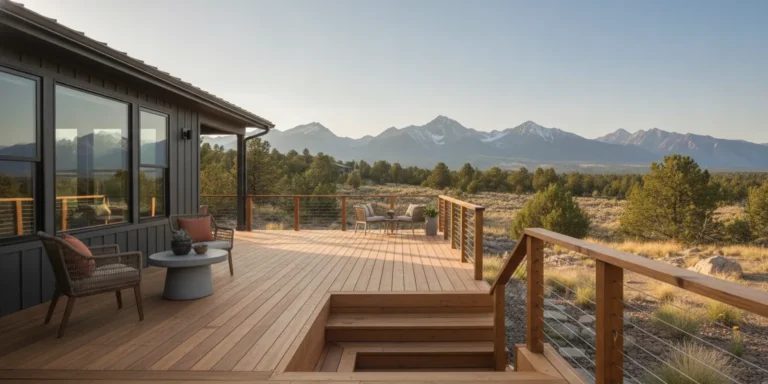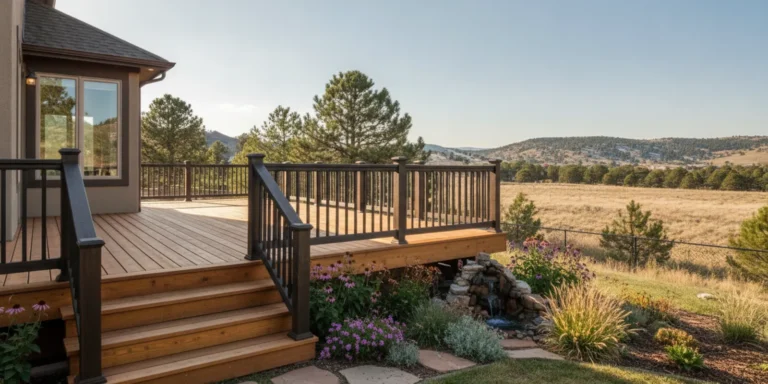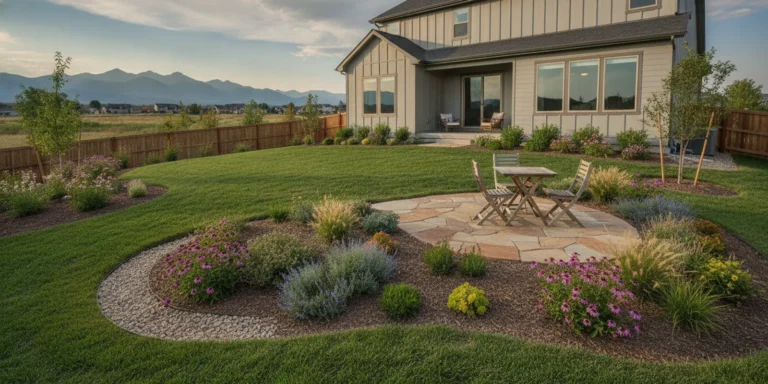

Building a home in the Denver metro area means designing for our unique climate. With our intense sun, dry air, and wide temperature swings, a standard home can struggle to stay comfortable without running up high energy bills. This is why a green building approach is so effective here. By focusing on a tightly sealed building envelope, high-performance windows, and smart water management, you can create a home that works in harmony with our environment. Local eco friendly home builders have the expertise to select the right materials and systems to keep your home cool in the summer and warm in the winter, all while conserving precious resources and lowering your long-term operational expenses.
Key Takeaways
- Enjoy a Healthier Home and Long-Term Savings: Building green creates a space with better indoor air quality for your family. It also reduces your monthly energy and water use, which means you’ll see the benefits in your utility statements for years to come.
- Look at the Whole Picture: A truly sustainable home is a complete system where every part works together. This includes choosing sustainable materials, installing energy-efficient features like high-performance windows, and designing smart outdoor spaces that conserve water.
- Choose a Builder with Local Green Expertise: Your project’s success hinges on finding the right partner. Select a builder who can show you a portfolio of sustainable projects, holds certifications like LEED or ENERGY STAR, and understands how to build an efficient home for the unique Denver climate.
What Is an Eco-Friendly Home Builder?
So, what exactly makes a home builder “eco-friendly?” At its core, an eco-friendly
This is a holistic approach that considers the entire lifecycle of the home, from the initial design to the long-term impact on its surroundings and inhabitants. This means thinking about everything from where materials come from to how the home will consume energy for years to come. It’s about building smarter, not just bigger, and creating a space that is as good for the earth as it is for the people living inside it. This commitment to sustainability is what sets them apart and defines their work.
The Difference Between Green and Traditional Building
The primary distinction between green and traditional builders lies in their fundamental approach to a project. A sustainable home builder considers the environmental impact of every decision, from the materials they source to the construction methods they use. They focus on creating homes that are highly energy-efficient and produce less waste. You can learn more about the core principles of green building to see how it differs from conventional methods. In contrast, a traditional builder may follow conventional practices that don’t always prioritize these factors. Green builders often use eco-friendly materials like recycled products, locally sourced resources, and low-VOC (volatile organic compounds) finishes, which contribute to much healthier indoor air quality for your family.
Common Services Green Builders Offer
Eco-friendly builders offer a wide range of services designed to improve a home’s sustainability and efficiency. This isn’t just about building from scratch; they can also help with remodeling existing homes to meet modern energy standards. Common projects include energy efficiency upgrades like installing new windows, roofing, or high-performance HVAC systems that lower your utility bills over time. Of course, they also specialize in new construction, designing and building homes or additional dwelling units (ADUs) with sustainability at their core. Whether you’re looking to build a new house from the ground up or add a sustainable living space, an eco-friendly home builder can guide the project using materials like recycled steel and reclaimed wood to minimize its environmental footprint.
Why Build a Green Home?
Choosing to build a green home is about more than just making an environmentally conscious decision; it’s about creating a space that truly supports your lifestyle, health, and financial well-being for years to come. When you partner with an eco-friendly home builder, you’re investing in a house designed with intention from the ground up. These homes are built to be smarter, healthier, and more resilient, especially in the varied climate of the Denver metro area.
A green home works in harmony with its environment. It uses resources thoughtfully, minimizes waste, and provides a superior living experience. The benefits extend far beyond a lower carbon footprint. You’ll notice the difference in your monthly utility statements, in the quality of the air you breathe, and in the overall comfort of your home. It’s a forward-thinking approach that adds lasting value, making your home not just a place to live, but a smart, sustainable investment for the future. From the foundation to the finishes, every element is chosen to create a home that is as good for you as it is for the planet.
Save on Long-Term Energy Use
One of the most immediate and rewarding benefits of a green home is its incredible energy efficiency. These homes are designed as a complete system where every component, from high-performance windows to advanced insulation, works together to reduce energy consumption. This means your home stays warmer in the winter and cooler in the summer without constantly running the heat or AC. Over time, these efficiencies translate into significant savings on your utility bills. By building with sustainable practices, you can lower your energy use and enjoy a more comfortable home year-round, all while reducing your reliance on the grid.
Create a Healthier Living Space
Your home should be a sanctuary, and that starts with clean indoor air. Traditional construction materials often contain volatile organic compounds (VOCs), which are chemicals that can be released into the air and affect your health. Green builders prioritize using materials with low or no VOCs, such as specific paints, finishes, and adhesives. This focus on non-toxic and natural materials helps create a healthier indoor environment for you and your family. Better air quality can lead to fewer respiratory issues and allergies, giving you peace of mind that your home is a truly safe and healthy space.
Minimize Your Environmental Footprint
Building a green home is a powerful way to reduce your impact on the planet. Eco-friendly builders make conscious choices to use sustainable materials, such as reclaimed wood, recycled steel, and bamboo. This approach minimizes the consumption of new resources and reduces construction waste that would otherwise end up in a landfill. By thoughtfully selecting materials for every part of your home, from the structural frame to your outdoor decks and pergolas, you are contributing to a more sustainable future. It’s a choice that reflects a commitment to preserving our natural environment for generations to come.
Increase Your Home’s Resale Value
An eco-friendly home is also a wise financial asset. As more homebuyers become aware of the benefits of sustainable living, the demand for green homes continues to grow. Features like energy-efficient appliances, superior insulation, and solar-ready design are becoming major selling points. A home that is certified green not only stands out in the real estate market but can also command a higher resale value. Building green is an investment that provides immediate benefits while also enhancing the long-term marketability and worth of your property, making it a smart decision from every angle.
What Goes Into a Green Home?
A green home is more than just a few solar panels on the roof. It’s a complete system where every component, from the foundation to the paint on the walls, is chosen with intention. The goal is to create a structure that is durable, efficient, and healthy for both its inhabitants and the planet. This starts with a thoughtful approach to materials. Instead of defaulting to traditional options, eco-friendly builders look for materials that are recycled, reclaimed, renewable, or produced in a way that minimizes environmental harm. This careful selection process is the foundation of a truly sustainable home.
This focus on materials has a ripple effect on the entire home. Using sustainable resources often means better indoor air quality because they contain fewer toxic chemicals. It also leads to a more resilient and better-insulated home, which translates directly into lower utility bills and a more comfortable living space year-round. Building green is about making smart choices that pay off for decades, creating a home that not only looks beautiful but also aligns with your values. At Faros Construction Services, we believe that quality craftsmanship and sustainability go hand in hand, ensuring your home is a lasting, healthy sanctuary. We work with you to select the right elements that fit your vision and the specific needs of your property in the Denver metro area.
Recycled Steel and Reclaimed Wood
Structural integrity and sustainability can coexist beautifully. Many green builders use materials like recycled steel, which reduces the need for new mining and the energy required to produce virgin steel. It’s incredibly durable, resistant to pests and fire, and can be recycled again at the end of its life. Another fantastic option is reclaimed wood, salvaged from old buildings, barns, or warehouses. This wood brings a unique character and history to a new home that simply can’t be replicated. Using reclaimed materials prevents them from ending up in a landfill and reduces the demand for new lumber. If reclaimed wood isn’t an option, we look for wood that is certified to come from well-managed forests.
Bamboo and Fast-Growing Resources
When you think of wood alternatives, bamboo often comes to mind for good reason. Technically a grass, bamboo grows incredibly fast, reaching maturity in just a few years compared to the decades it takes for traditional hardwoods. This makes it a highly renewable resource. It’s also strong and versatile, making it a popular choice for flooring, cabinetry, and even structural elements. Bamboo is a great example of how choosing rapidly renewable materials can lessen the strain on our forests. It’s a beautiful and practical eco-friendly alternative that adds a modern, natural touch to any home design.
Sustainable Concrete Options
Concrete is a fundamental part of construction, but traditional production has a significant carbon footprint. Thankfully, there are more sustainable concrete options available today. One of the most effective is using Insulated Concrete Forms (ICFs). These are hollow foam blocks that are stacked and then filled with reinforced concrete. The foam stays in place, creating a highly insulated, airtight, and incredibly strong wall structure. This method reduces construction waste and results in a home with exceptional energy efficiency. Other innovations include adding materials like fly ash, a byproduct of coal production, to the concrete mix, which reduces the amount of cement needed and diverts waste from landfills.
Low-VOC Paints and Finishes
One of the easiest ways to make your home healthier is by paying attention to what goes on your walls. Many conventional paints, sealants, and adhesives release Volatile Organic Compounds (VOCs), which are chemicals that can evaporate into the air and negatively affect your indoor air quality. Headaches and dizziness are common short-term effects. Choosing low-VOC or zero-VOC products is a simple switch that makes a huge difference. Green builders prioritize these materials throughout the home, from the paint on the walls to the finishes on your floors and cabinets, ensuring the air you breathe inside is as clean and fresh as possible.
High-Performance Insulation and Windows
A home’s ability to maintain a comfortable temperature without constantly running the heat or AC depends on its building envelope. This is where high-performance insulation and windows are critical. Instead of standard fiberglass, green homes often use insulation made from recycled materials like cellulose or denim, or natural options like cork or sheep’s wool. These materials are not only effective but also have a lower environmental impact. Paired with high-performance windows, which often feature double or triple panes and special coatings to reflect heat, this creates a tight seal that keeps your home comfortable and your energy bills down.
What Certifications Should a Green Builder Have?
Anyone can say they’re a “green builder,” but certifications are how you verify they have the training and expertise to back it up. These programs are created by industry leaders to set clear, measurable standards for sustainable construction. When a builder holds these credentials, it shows they’re serious about energy efficiency, resource conservation, and creating a healthy home. Think of them as a seal of approval that gives you confidence in your project. Here are some of the most respected certifications to look for.
LEED Certification
LEED, or Leadership in Energy and Environmental Design, is one of the most well-known green building certifications in the world. It uses a points-based system to rate how sustainable a project is across several key areas. These include water savings, energy efficiency, the types of materials used, and indoor environmental quality. Based on the points earned, a home can achieve one of four levels: Certified, Silver, Gold, or Platinum. A builder familiar with the LEED certification process understands how to create a home that is healthy, efficient, and better for the planet.
ENERGY STAR Certification
Run by the U.S. Environmental Protection Agency (EPA), the ENERGY STAR program is all about superior energy efficiency. For a home to earn this label, it must be at least 10% more efficient than a home built to standard code. Builders achieve this through smart features like high-performance windows, better insulation, and efficient heating and cooling systems. Choosing ENERGY STAR certified builders means you’re working with professionals who know how to deliver a home that helps you save on utilities while protecting the environment. It’s a trusted mark of quality and performance.
National Green Building Standard (NGBS)
The National Green Building Standard (NGBS) is a certification designed specifically for residential projects, including new homes and renovations. It provides a flexible yet rigorous framework for builders to create homes that are sustainable and environmentally friendly. The standard covers everything from site development and resource efficiency to indoor air quality and homeowner education. Like other programs, the National Green Building Standard uses a points system to award different levels of certification, giving you a clear picture of a home’s green features and performance.
Certified Green Professional (CGP)
Unlike certifications for buildings, the Certified Green Professional (CGP) is a designation for individual builders and remodelers. Offered by the National Association of Home Builders (NAHB), this credential shows that a professional has completed in-depth training on sustainable building practices. The coursework covers topics like energy efficiency, water conservation, and using sustainable materials. When your builder has a Certified Green Professional designation, you know they have a personal commitment to green building and the knowledge to apply those principles directly to your home.
Does Building Green Affect Your Budget?
Let’s talk about the financial side of building green. It’s one of the first questions homeowners ask, and for good reason. Any home project is a significant financial commitment, and you want to be sure you’re making a smart decision. While eco-friendly construction does have a different financial structure than traditional building, it’s often more accessible than people think. The key is to look at the complete picture, from the initial build to your monthly utility bills years down the road. Thinking about a green build isn’t just about the initial outlay; it’s about making a strategic investment in your home’s future and your family’s well-being.
Understanding how the investment works can help you plan a project that fits your financial goals and personal values. It involves weighing the upfront requirements for high-performance materials against the long-term operational savings and other benefits. Many homeowners are surprised to learn about the various incentives and rebates available that can make a sustainable home more attainable. By working with a transparent builder who can walk you through a detailed budget, you can see exactly how your choices impact the overall financial picture. This approach empowers you to create a home that is not only beautiful and durable but also efficient and healthy.
Upfront Investment vs. Long-Term Savings
It’s true that some sustainable materials and technologies can require a larger upfront investment than their traditional counterparts. Think of it like buying a high-quality appliance; the initial outlay is higher, but the performance and longevity pay you back over time. Green homes are designed for efficiency, which translates directly into long-term savings. You’ll see a noticeable difference in your energy bills, and because sustainable materials are often more durable, you’ll likely spend less on maintenance and repairs. Plus, an energy-efficient home often has a higher resale value, making it a wise financial move for the future.
Finding Incentives, Rebates, and Green Financing
You don’t have to shoulder the entire investment alone. A variety of financial incentives exist to make green building more attainable. Many federal, state, and local programs offer rebates or tax credits for installing energy-efficient features like high-performance windows, insulation, or solar panels. An experienced green builder can be a fantastic resource here, helping you identify which programs your project qualifies for. You can also do some initial research on your own through resources like the Database of State Incentives for Renewables & Efficiency (DSIRE). These incentives can significantly reduce the overall financial commitment, making your dream of a sustainable home a reality.
How to Budget for a Green Build
Creating a successful budget for a green build starts with clear communication and detailed planning. The final numbers can vary based on your location, the materials you select, and the specific features you want to include. That’s why it’s so important to work with a builder who is transparent and willing to walk you through every line item. A detailed proposal should break down the investment for materials and labor, so you know exactly where your money is going. This allows you to make informed decisions, whether that means choosing sustainable concrete for your patio or reclaimed wood for a new pergola. When you’re ready to plan, you can schedule a consultation to get a clear and honest assessment for your project.
Understanding the True Value
The value of a green home goes far beyond your bank account. It’s about creating a healthier, more comfortable environment for you and your family. Eco-friendly homes are built with materials that have low or no volatile organic compounds (VOCs), which means better indoor air quality from day one. Features like large, high-performance windows are designed to maximize natural light, creating bright and welcoming spaces. This focus on well-being is a core part of building green. When you invest in a sustainable home or an eco-friendly outdoor living space, you’re investing in a higher quality of life that you get to enjoy every single day.
Key Energy-Efficient Features for Your Home
A truly eco-friendly home goes beyond sustainable materials; it’s designed to work smarter, not harder. By integrating key energy-efficient features from the start, you can create a home that significantly reduces its environmental footprint while also lowering your monthly utility bills. These aren’t just add-ons; they are fundamental components of a modern, green build that contribute to a healthier and more comfortable living environment. From generating your own power to optimizing your climate control, every detail works together to create a system that conserves resources. Let’s look at some of the most impactful features you can include in your new home.
Solar-Ready Design and Renewable Energy
Harnessing the power of the sun is one of the most effective ways to reduce your home’s reliance on the grid. A solar-ready design is a forward-thinking approach where your home is built to easily accommodate solar panels in the future. This means orienting the roof for maximum sun exposure and installing the necessary wiring and structural supports during construction. Taking this step now saves you significant hassle later. By planning for renewable energy from day one, you’re not just building a house; you’re creating a self-sufficient home prepared for the future. The U.S. Department of Energy offers a great homeowner’s guide to going solar that walks you through the process.
High-Performance HVAC
Your heating, ventilation, and air conditioning (HVAC) system is the heart of your home’s comfort and a major player in its energy consumption. A high-performance system is designed for maximum efficiency, keeping you comfortable year-round without wasted energy. This involves more than just the unit itself; it includes properly sealed ductwork, smart thermostats, and ensuring the system is correctly sized for your home’s specific layout. In the Denver area, where we experience both hot summers and cold winters, an efficient HVAC system makes a huge difference. An ENERGY STAR certified system can lower your energy bills while improving your home’s air quality and overall comfort.
Water Conservation and Rainwater Collection
Water is a precious resource, especially in Colorado. An eco-friendly home prioritizes water conservation through smart fixtures and innovative collection systems. Installing low-flow toilets, faucets, and showerheads can drastically reduce your daily water consumption without sacrificing performance. Beyond that, a rainwater collection system can capture runoff from your roof, providing a sustainable source of water for your garden and landscaping. This not only conserves municipal water but also helps manage stormwater around your property. The EPA provides helpful tips for creating a water-smart landscape that is both beautiful and efficient, which is perfect for our climate.
Smart Home Integration
Smart home technology makes energy efficiency feel effortless. By integrating features like smart thermostats, automated lighting, and motorized window shades, your home can automatically adjust to conserve energy. A smart thermostat learns your daily routines and adjusts the temperature accordingly, so you’re not heating or cooling an empty house. Automated shades can close during the sunniest part of the day to keep your home cool naturally. These systems work together to create a responsive environment that not only saves energy but also adds a layer of convenience and comfort to your daily life. This integration is key to building a home that is truly modern and sustainable.
Creating a Sustainable Outdoor Space
A truly green home doesn’t stop at the front door. Your yard and outdoor areas are a huge opportunity to extend your sustainable living philosophy. By making thoughtful choices in materials and design, you can create a beautiful, functional, and eco-conscious extension of your home. This approach isn’t just about being environmentally friendly; it’s about creating resilient, low-maintenance outdoor living spaces that work in harmony with the Denver climate. From the deck you relax on to the plants in your garden, every element can contribute to a healthier environment.
Building a sustainable outdoor space involves a few key areas. First, consider the materials used for structures like decks and pergolas. Second, think about how your hardscaping and landscaping manage water, a precious resource in Colorado. Finally, choose plants and design principles that conserve water and support the local ecosystem. When these elements come together, you get an outdoor area that is not only stunning but also smart and sustainable for years to come. A professional hardscape and landscape contractor can help you integrate these features seamlessly.
Eco-Friendly Decks, Pergolas, and Porches
When you’re planning your dream deck or pergola, the materials you choose make a big difference. Instead of traditional lumber, consider using sustainable wood products like bamboo or reclaimed wood. These options reduce the demand for new timber harvesting and often bring a unique character to your project. Another fantastic choice is composite decking, which is made from a mix of recycled plastics and wood fibers. It’s incredibly durable, requires very little maintenance, and keeps a massive amount of plastic out of landfills. These materials help you build beautiful decks, pergolas, and porches that you can feel good about.
Permeable Pavers and Native Plants
A sustainable yard manages water wisely. Instead of traditional concrete or asphalt that creates runoff, consider using permeable pavers for your patio, walkway, or driveway. This type of permeable pavement allows rainwater and snowmelt to soak through into the ground, which helps replenish groundwater and reduces strain on storm drains. Pairing this with native plants is another smart move. Plants native to the Denver area are naturally adapted to our soil and climate, meaning they require far less water and maintenance once established. They also provide essential food and habitat for local pollinators like bees and butterflies, creating a vibrant backyard ecosystem.
Smart Landscaping Choices
Smart landscaping is all about working with our local environment, not against it. Adopting xeriscaping, a water-efficient landscaping method, is one of the most impactful things you can do in the Denver metro area. This approach groups plants by their water needs and uses mulch and efficient irrigation to minimize water waste. Another great feature to include is a rain garden. These are shallow, landscaped depressions designed to capture and absorb runoff from your roof or driveway. A rain garden naturally filters pollutants from the water and adds a beautiful, functional focal point to your yard, all while reducing your reliance on municipal water.
How to Choose a Green Home Builder
Finding the right builder is the most critical step in bringing your eco-friendly home to life. You need a partner who not only has the technical skills but also shares your vision for sustainability, quality, and long-term value. The right team will guide you through the process with honesty and expertise, ensuring your new home is both beautiful and responsible. As you start your search, focus on finding a builder with a proven track record, transparent practices, and a genuine passion for green construction.
Look for Proven Sustainable Building Experience
When you’re vetting potential builders, look for a team that specializes in sustainable construction. A dedicated green home builder does more than just use a few eco-friendly materials; they approach the entire project with a holistic mindset. They aim to create homes that minimize waste during construction, reduce carbon pollution, and promote energy efficiency for years to come. This kind of experience means they know how to source the best materials, implement efficient building techniques, and create a healthy living environment for you and your family. A builder with deep roots in sustainable practices will be your greatest asset.
Verify Certifications and Prioritize Transparency
Trust is everything in a builder-client relationship. Start by ensuring any builder you consider has the necessary licenses and certifications for work in the Denver metro area. Beyond the basics, look for a team that is open and transparent about their process. A trustworthy builder will be happy to discuss their credentials and show you their portfolio of past projects. At Faros, we believe in total transparency because our owner-led team is proud of the craftsmanship we deliver. Look for that same pride and openness from any green builder you consider.
Key Questions to Ask Before Hiring
To make an informed decision, you need to ask the right questions. Don’t be shy about digging into a builder’s expertise. A great contractor will welcome your curiosity and provide clear, confident answers.
Here are a few key questions to get you started:
- What is your experience with green building practices in the Denver area?
- Which sustainable materials do you have experience working with?
- How do you handle waste management and recycling on your job sites?
- Can you walk me through how you ensure a home is energy-efficient?
When you’re ready, you can get in touch with a local professional to discuss your project and get answers to these important questions.
Common Red Flags to Avoid
Just as important as knowing what to look for is knowing what to avoid. Be cautious of any builder who seems vague or dismissive when you ask about their green building experience. If a contractor can’t provide specific examples of their sustainable projects or seems hesitant to discuss the materials they use, consider it a red flag. A reputable green builder will be passionate about using sustainable options like recycled products, low-VOC finishes, and locally sourced items. They should be able to show you a portfolio of their past projects and connect you with satisfied clients.
Finding an Eco-Friendly Builder in the Denver Metro Area
Finding the right builder is the most important step in bringing your vision for a sustainable home to life. You need a partner who not only understands green building principles but also has a deep familiarity with the unique demands of our local environment. A great eco-friendly builder in the Denver metro area combines technical skill with a commitment to quality and transparency. When you start your search, focus on builders with proven experience, verifiable credentials, and a strong understanding of what it takes to build a lasting, efficient home in Colorado. This partnership is about more than just construction; it’s about creating a home that aligns with your values and serves your family for years to come. A builder who listens and collaborates will help you make informed decisions every step of the way, ensuring the final result is a healthy, comfortable, and truly sustainable living space.
Check Online Directories and Reviews
Your search for a qualified green builder can start right from your computer. Online directories are a great resource for finding professionals who specialize in sustainable construction. Websites from organizations like the U.S. Green Building Council provide lists of certified builders, which can help you create a shortlist of potential candidates. These resources streamline your search by connecting you with professionals who are already committed to green practices. Beyond directories, take the time to read customer reviews on various platforms. Hearing from past clients gives you a clearer picture of a builder’s reliability, communication, and the quality of their work, helping you find a team you can trust with your project.
Verify Local Credentials and Certifications
Once you have a few builders in mind, it’s important to check their credentials. Certifications show that a builder has invested in their education and is serious about sustainable building. In Colorado, look for builders with credentials from respected organizations like the National Association of Home Builders (NAHB) or those who have completed projects with LEED (Leadership in Energy and Environmental Design) certification. As the Colorado Green Building Guild points out, these certifications reflect a builder’s knowledge and their dedication to staying current with eco-friendly methods. Don’t hesitate to ask a potential builder about their qualifications; a transparent contractor will be happy to share them with you.
Choose a Builder Who Understands Denver’s Climate
Building an energy-efficient home in the Denver metro area requires a specific kind of expertise. Our climate, with its intense sun, low humidity, and wide temperature swings, presents unique challenges and opportunities. A builder who is familiar with our local weather patterns can guide you toward the best materials and designs for our region. They can recommend the right insulation, windows, and systems to keep your home comfortable year-round while managing your energy use. The Denver Office of Climate Action, Sustainability, and Resiliency notes that a builder with local knowledge is key to maximizing both efficiency and comfort in your home.
Is a Green Build Right for You?
Deciding to build a green home is a choice that aligns your living space with your personal values. If minimizing your environmental footprint and creating a healthier home for your family are top priorities, then a green build is an excellent path forward. These homes are designed to be more than just structures; they are ecosystems built with intention. By using sustainable materials like reclaimed wood and low-VOC paints, you actively reduce construction waste and improve your home’s indoor air quality. This focus on health creates a more comfortable and restorative living space for you and your loved ones.
Building a green home is a form of custom home building, which means you have a direct hand in every detail. This allows for a high degree of personalization, from the foundation to the finishes. However, this detailed approach means the timeline can be longer than a conventional project, often taking between six and eighteen months to complete. It’s a process that rewards patience with a final product that is tailored specifically to your needs and built to last.
The financial aspect of a green build is also unique. While there can be a higher initial investment for specialized materials and technologies, these features often lead to significant long-term savings on energy and water bills. Building a custom home can also be a smart financial decision, as it allows you to create exactly what you want without paying for features you don’t need. If you value sustainability, long-term efficiency, and a healthy living environment, a green build is likely a perfect fit for your vision.
Related Articles
- Top Denver Custom Home Builders: A Hiring Guide
- Trusted Home Builder Denver | Custom Homes & Additions
Frequently Asked Questions
Is building green really that different from just adding solar panels? Yes, it’s a completely different approach. Think of it this way: solar panels generate clean energy, which is fantastic. But a true green build focuses on creating a home that needs less energy in the first place. It’s a holistic system that includes superior insulation, high-performance windows, and a thoughtful design that all work together to make the home naturally efficient. Adding solar panels to a well-built green home is a powerful combination, but the foundation of sustainability is built into the home itself.
I have an existing home. Can I still make it “greener” without building from scratch? Absolutely. You don’t have to build a new house to embrace sustainable living. Many eco-friendly principles can be applied to an existing home through remodeling. Upgrading to high-performance windows and adding better insulation can dramatically reduce your energy use. When you repaint, choosing low-VOC products improves your indoor air quality. You can even extend these ideas to your yard by building a new deck with composite materials or updating your patio with permeable pavers.
How do I know if the higher upfront investment for a green home will actually pay off? It’s smart to look at the complete financial picture, not just the initial building figures. A green home is designed for peak efficiency, which means you’ll see real, long-term savings on your monthly energy and water bills. These homes are also built with durable, high-quality materials, which often translates to less money spent on maintenance and repairs over the years. When you combine the operational savings with the higher resale value that green homes often command, the initial investment makes strong financial sense.
Does an eco-friendly home have to look a certain way? Not at all. An eco-friendly home can be designed in any architectural style you love, from modern and minimal to classic and traditional. The “green” aspect refers to the performance, health, and efficiency of the home, not a specific aesthetic. The sustainable choices are often in the materials you can’t see, like the insulation in the walls, the type of concrete in the foundation, or the finish on the floors. You can have a beautiful home that is also kind to the planet.
What’s the most impactful change I can make if I’m working with a limited budget? If you want the most bang for your buck, focus on improving your home’s building envelope. This is the physical barrier between the inside of your home and the outdoors, which includes your walls, insulation, windows, and roof. Making your home more airtight and well-insulated is a foundational step that provides an immediate return in both comfort and lower energy bills. It makes every other system in your home, especially your heating and cooling, work more efficiently.