
A mountain home is more than just a structure; it’s a basecamp for a life lived outdoors. It’s where you’ll sip coffee on a deck overlooking a valley, gather with friends on a stone patio, and create a sanctuary that seamlessly blends indoor comfort with Colorado’s natural beauty. Because this lifestyle is so integral to the home itself, the builder you choose must understand how to create it. They need to be experts not just in construction, but in designing functional and beautiful outdoor living spaces that extend your home into the landscape. When vetting the top mountain home builders Colorado provides, it’s crucial to find a team that shares this vision. This article will show you how to identify a builder who can create a home that truly embraces the mountain lifestyle.
Key Takeaways
- Focus on builders with mountain experience: A team familiar with the Denver metro area’s unique terrain, weather, and building codes can anticipate challenges, preventing delays and ensuring your home is built correctly from the foundation up.
- Clarify your vision for style and function: Know what you want in a home, from the architectural look to the outdoor living spaces you’ll use most. This helps you find a builder who can act as a true partner in bringing your specific ideas to life.
- Vet potential builders thoroughly: Go beyond looking at pictures. Confirm their license and insurance, read client reviews, and ask direct questions about their communication process, project management, and experience with weather-resistant construction.
How to Choose the Best Mountain Home Builder in Colorado
Choosing the right partner to build your mountain home is one of the most important decisions you’ll make. This isn’t just about hiring a contractor; it’s about finding a team that understands the unique beauty and challenges of building in the Colorado mountains. From steep grades and unpredictable weather to specific local building codes, a seasoned mountain home builder has seen it all and knows how to prepare for it. They act as your guide, turning what can be a complex process into a clear, manageable, and even enjoyable experience. They’ll help you evaluate your land, work with architects on a design that fits the landscape, and anticipate issues before they become problems.
A great builder brings more than just tools and materials to the job site. They bring a collaborative spirit and a commitment to your vision. They should have a comprehensive team of designers, engineers, and skilled craftspeople who work together seamlessly. This ensures every detail, from the foundation to the finishing touches, is executed correctly. When you find a builder who listens, communicates clearly, and is dedicated to quality craftsmanship, you can feel confident that your dream home is built with care. The best partnerships are built on trust and a shared goal: creating a beautiful, lasting home that you and your family will love for generations.
What to Look for in a Top-Tier Builder
When you start meeting with potential builders, focus on a few key qualities that separate the good from the great. Look for a company with a strong portfolio of completed mountain homes in the Denver metro area, as this demonstrates direct experience with the local terrain and climate. A top-tier builder will also have a full team of experts and a client-focused process that keeps you informed and involved every step of the way. They should be well-versed in local zoning regulations and proactive about solving the unique challenges mountain construction presents. Finally, a great builder has a keen eye for design and can help you create a home that feels perfectly integrated with its stunning natural surroundings, often incorporating mountain-style architecture that blends indoor and outdoor living.
Exploring Mountain Home Styles
When you picture a mountain home, what comes to mind? Is it a classic log cabin tucked away in the trees or a sleek, modern retreat with panoramic views? The beauty of mountain architecture is that it’s not just one thing. It’s a whole range of designs that share a common goal: to create a cozy, durable home that feels completely connected to its rugged Colorado surroundings. Your home should be a reflection of both your personal style and the stunning natural landscape it occupies.
Choosing a style is one of the most exciting parts of the home-building journey. It’s where your vision starts to take shape. Whether you’re drawn to the warmth of traditional materials or the clean lines of contemporary design, there’s a mountain style that’s perfect for you. As you explore your options, think about how you want to live in the space. Do you want to curl up by a stone fireplace after a day on the slopes, or do you prefer to entertain on a sprawling deck that overlooks the valley? Understanding these different architectural approaches will help you communicate your vision clearly to your home builder and create a home that you’ll love for years to come.
Rustic Cabins & Traditional Designs
The rustic cabin is the quintessential mountain home, and for good reason. This style uses robust, natural elements like heavy timbers, logs, and stone to create a feeling of warmth and permanence. Think of grand stone fireplaces, exposed wooden beams, and cozy nooks that invite you to settle in with a good book. This architectural style is all about reflecting a deep connection to its rugged surroundings, creating a sanctuary that feels both grand and intimate. It’s a timeless look that celebrates craftsmanship and the raw beauty of the materials, making it a perfect fit for the Colorado landscape.
Mountain Modern & Contemporary Styles
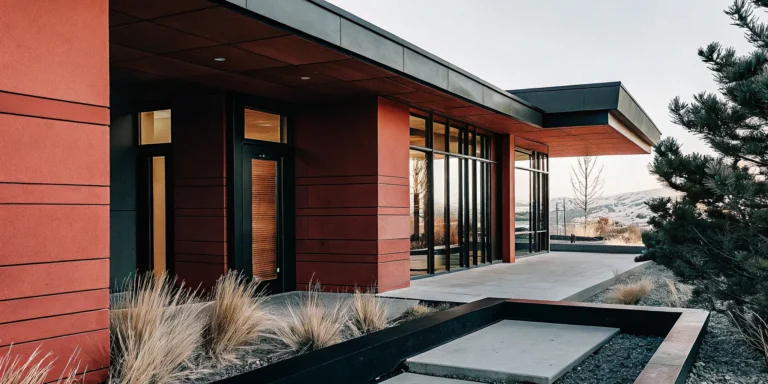
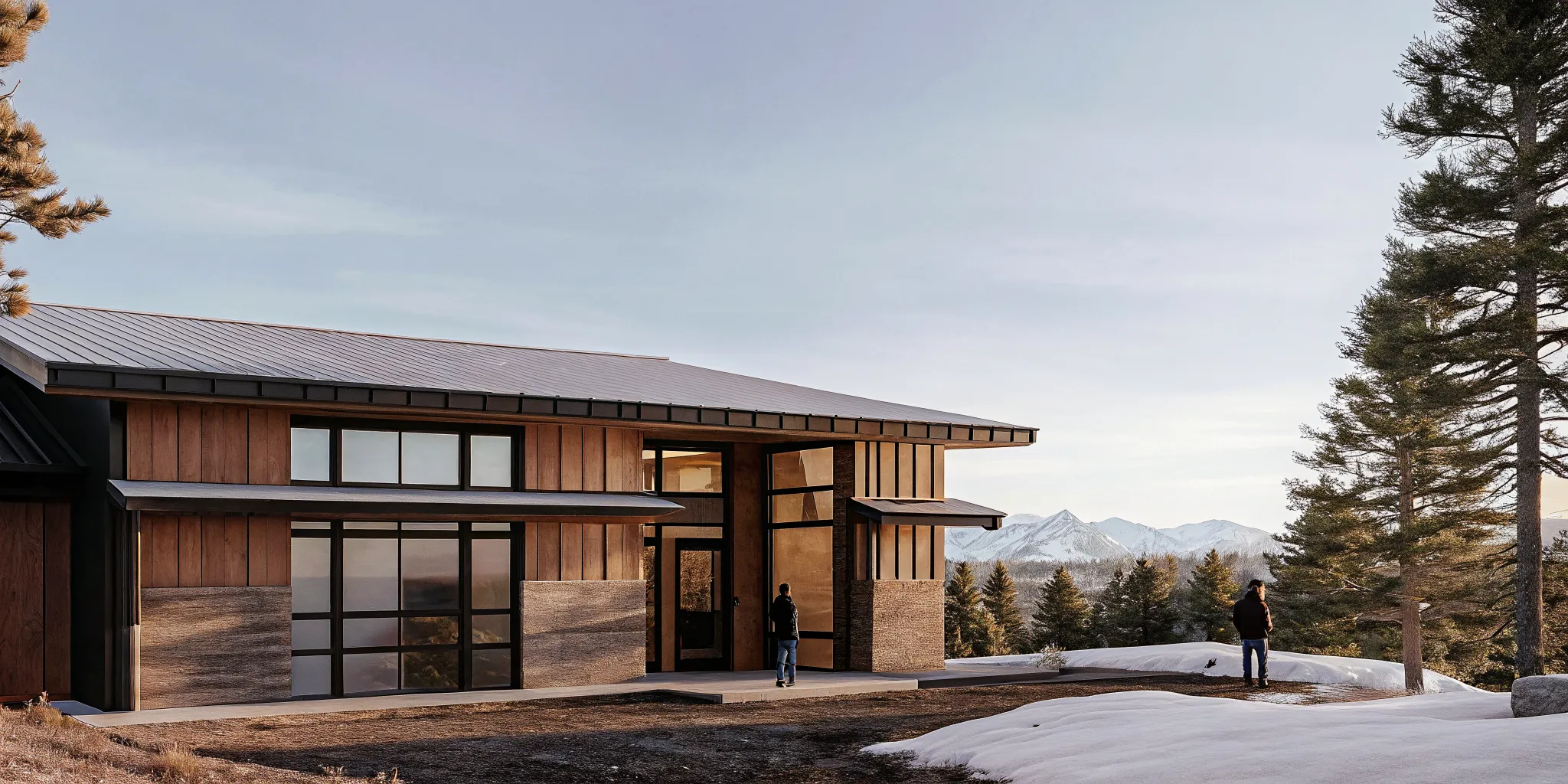
If you love clean lines and open spaces, the mountain modern style might be for you. This approach blends contemporary design with the natural environment, creating a look that is both sophisticated and grounded. Key features often include large, floor-to-ceiling windows that frame spectacular mountain vistas, bringing the outdoors in. The materials, like wood, stone, and metal, are chosen for their ability to handle Colorado’s temperature swings and heavy snow loads, but they’re used in a more refined, minimalist way. With its defining characteristics of sloped roofs and an emphasis on natural light, this style offers a fresh, elegant take on mountain living.
A-Frames & Chalet-Inspired Homes
For a home with a touch of retro charm or alpine character, look no further than A-frames and chalets. The A-frame, with its iconic triangular shape, became popular in the mid-20th century and remains a beloved choice for its whimsical look and practical design. The steeply pitched roof is excellent for shedding snow, making it a smart and stylish option for a mountain setting. Chalet-inspired homes borrow from European alpine traditions, often featuring wide, overhanging eaves and decorative woodwork. Both styles evoke a sense of a cozy getaway, making every day feel like a vacation.
Custom vs. Semi-Custom: What’s the Difference?
As you begin planning, you’ll likely hear the terms “custom” and “semi-custom.” A fully custom home is designed 100% from scratch. You work with an architect and builder to create a completely unique floor plan and design that is tailored to your exact needs and the specific features of your land. A semi-custom home offers a great balance. You start by choosing from a builder’s portfolio of proven floor plans and then personalize it. You can still select finishes, fixtures, and materials, and often make non-structural changes to the layout to make it your own. This gives you a personalized home with a more streamlined design process.
Don’t Forget Outdoor Living & Hardscaping
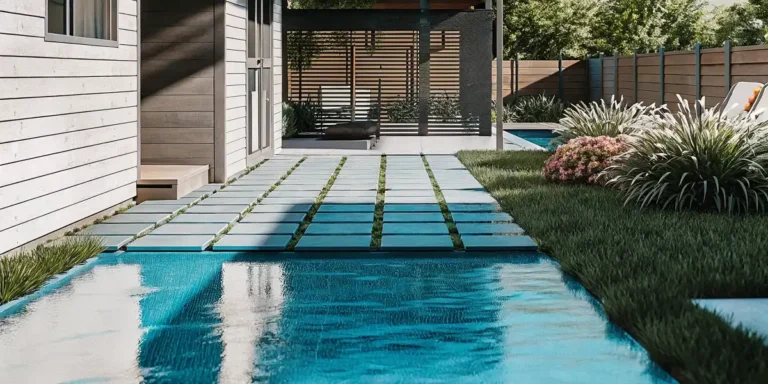
A true mountain home seamlessly blends indoor and outdoor living. It’s not just about the house itself, but how you interact with the beautiful property around it. Think about adding a spacious deck for summer barbecues, a stone patio with a fire pit for chilly evenings, or a covered porch where you can enjoy your morning coffee. These outdoor living spaces extend your home and allow you to fully enjoy the Colorado lifestyle. Thoughtful hardscaping and landscaping are also key, especially on sloped terrain. Retaining walls, stone pathways, and native plantings can make your property more functional and tie your home beautifully into its natural setting.
Common Challenges of Building a Mountain Home
Building your dream home in the mountains is an incredible adventure, but it’s not quite the same as building in a suburban neighborhood. The rugged beauty of the Colorado landscape brings a unique set of hurdles. Understanding these potential challenges ahead of time helps you partner with the right builder, someone who sees them not as problems, but as puzzles they’ve solved many times before. A great builder anticipates these issues, plans for them, and keeps your project moving forward smoothly.
Steep Terrain and Foundation Work
One of the first things to consider is the land itself. Mountain properties often feature steep slopes and rocky soil, which makes creating a stable foundation more complex. As experts note, builders must account for “steep grades, snow loads, freeze thaw cycles, and solar exposure.” These factors are unique to mountain environments and demand a specialized approach. Your home’s foundation must be engineered to handle heavy snow and the ground shifting during freeze-thaw cycles. This is why having a team with deep expertise in concrete contracting is non-negotiable for a lasting and secure mountain home.
Weather Delays and Building Seasons
Colorado’s weather is famously unpredictable, and this is especially true at higher elevations. Sudden snowstorms in late spring or early fall can impact the building schedule. The construction season is naturally shorter, and builders must work efficiently to make progress. An experienced mountain builder knows how to manage these “challenges of weather, transportation, labor and resources that don’t always arise in the flatlands.” They build buffer time into the schedule and have contingency plans for when a blizzard rolls in, ensuring your project stays on track without compromising quality. You can see examples of successfully completed builds on our projects page.
Accessing Utilities in Remote Areas
Getting essential services to your property can be a major undertaking in a remote mountain location. Unlike urban areas where you just connect to the grid, you might need to arrange for a well for water, a septic system for waste, and long-distance connections for electricity and internet. “Connection to utilities is a major concern when building in remote locations,” and it requires careful planning and coordination with various service providers and local authorities. A seasoned home builder has the experience to manage these installations, handling the logistics to ensure your modern home has all the comforts you expect.
Permits, Zoning, and Local Codes
Each mountain county has its own set of building codes, zoning laws, and permit requirements designed to protect the environment and ensure safety. These regulations can be complex, covering everything from wildfire mitigation to wildlife corridors. A “misstep in compliance with these regulations can lead to substantial delays and modifications in the building process.” Choosing a builder who is well-versed in local rules is crucial. An expert team handles the paperwork and inspections for you, preventing headaches and ensuring your home is fully compliant from day one. If you have questions about local requirements, we’re here to start the conversation.
Understanding the Mountain Home Building Process
Building your dream home in the mountains is an exciting journey, but it’s a process with several important stages. Knowing what to expect can make the experience smoother and more enjoyable. A great builder will walk you through each phase, turning your vision into a reality, one step at a time. From the initial conversation to the final handover, the process is a partnership. Let’s break down the key steps you’ll take with your builder to create your perfect Colorado mountain retreat.
Step 1: Consultation and Site Evaluation
This is where it all begins. Your first step is an in-depth consultation and a thorough evaluation of your property. This isn’t just a quick chat; it’s a foundational meeting where your builder gets to understand your vision and assess the unique character of your land. They’ll look at the topography, accessibility for equipment, and other environmental factors. Building a house in the mountains requires careful financial planning and working through local regulations. An experienced home builder uses this initial evaluation to ensure your dream home is both beautiful and practical for the specific site you’ve chosen. It’s the perfect time to ask questions and establish a strong working relationship.
Step 2: Design, Customization, and Planning
Once the site evaluation is complete, you get to move into the creative part: designing your home. This is where your ideas start to take shape on paper. A collaborative builder will guide you through the entire process, from choosing the right materials to holding regular check-in meetings. Together, you’ll create a design that reflects your personal style while also standing up to Colorado’s unique climate. This means selecting materials that can handle harsh weather and contribute to an energy-efficient home. This planning phase is all about tailoring every detail, ensuring the final home is exactly what you envisioned, inside and out.
Step 3: Permits, Construction, and Final Walkthrough
With a solid plan in hand, it’s time to bring your home to life. This phase starts with securing all the necessary permits, a critical step your builder will manage. Mountain construction comes with its own set of challenges, like steep grades, heavy snow loads, and intense sun exposure, so your builder’s expertise is key. They’ll apply specific techniques to ensure your foundation is solid and your home is built to last. As the project wraps up, you’ll do a final walkthrough with your builder. This is your opportunity to inspect every detail and confirm that the quality and craftsmanship meet your expectations before you get the keys.
Your Colorado Mountain Home Builder Checklist
Choosing the right builder is the most critical decision you’ll make for your mountain home project. The right partner will bring your vision to life with skill and integrity, while the wrong one can lead to headaches and disappointment. To help you make a confident choice, I’ve put together this checklist. Think of it as your guide to vetting potential builders, ensuring they have the experience, reputation, and expertise to construct a home that’s not only beautiful but also built to last in the demanding Colorado mountains. Use these points to structure your conversations and compare candidates, so you can find a team you truly trust.
Licensing, Insurance, and Mountain Experience
First things first, any builder you consider must be fully licensed and insured in Colorado. This is non-negotiable, as it protects you from liability and ensures they meet state standards. But for a mountain home, you need more than just the basics. Building at altitude comes with a unique set of challenges, from tricky soil conditions to unpredictable weather. An experienced mountain builder has stories of both triumph and defeat that have taught them invaluable lessons. They understand the specific demands of the environment and have a proven track record of success in the Denver metro area’s surrounding peaks. Ask them to share their Colorado contractor license and talk about their experience with high-altitude projects.
A Strong Portfolio and Positive Reviews
A builder’s portfolio is your window into their work. Look past the pretty pictures and examine the details. Do their past projects reflect the style and quality you envision for your own home? A strong portfolio shows a builder can handle complex jobs and anticipate the unforeseen issues that often arise in custom construction. Pay close attention to their work on outdoor living spaces and hardscaping, as these elements are key to enjoying the mountain lifestyle. Equally important are client reviews. Look for consistent feedback on communication, professionalism, and their ability to stay on schedule. You can see examples of finished work on our projects and reviews page to get an idea of what a detailed portfolio looks like.
Expertise in Energy-Efficient and Sustainable Building
A well-built mountain home should be as smart as it is beautiful. Building with sustainability in mind isn’t just good for the environment; it’s also great for your wallet. Features like high-performance windows, advanced insulation, and proper site orientation can significantly reduce your utility bills over the long run. A forward-thinking builder will be knowledgeable about the latest in energy-efficient home design and can guide you toward solutions that make sense for your property and goals. Whether it’s incorporating solar panels or simply using smarter building techniques, their expertise ensures your home is comfortable and efficient for years to come. Don’t hesitate to ask what sustainable practices they specialize in.
Weather-Resistant Materials and Construction
Colorado’s mountain climate is no joke. Your home needs to withstand heavy snow loads, high winds, intense UV exposure, and dramatic temperature swings. This is where a builder’s knowledge of materials and construction methods really shines. They should recommend and use materials specifically designed to handle these conditions, such as durable metal roofing that sheds snow, siding that resists fading and warping, and foundations engineered for mountain terrain. Proper construction techniques are just as crucial to prevent issues like ice dams and water intrusion. Ask potential builders how they design homes to manage heavy snow loads and other weather-related challenges. Their answers will reveal their level of expertise.
Red Flags and Key Questions to Ask
As you meet with builders, trust your gut and watch for red flags. Be wary of anyone who gives you a vague proposal, pressures you to make a quick decision, or offers a bid that seems too good to be true. Clear communication and transparency are hallmarks of a professional team. To help you dig deeper, come prepared with a list of questions. Ask about their process for handling changes, who your main point of contact will be, and what their warranty covers. Understanding their project management style and how they address potential defects is essential for a smooth process. When you’re ready, we invite you to start the conversation with us and ask us these very questions.
Ready to Build Your Dream Mountain Home?
After exploring different styles, understanding the challenges, and creating your checklist, you’re ready for the most exciting part: choosing the right partner to bring your vision to life. Finding a builder you connect with is just as important as their portfolio. You’re not just hiring a contractor; you’re entrusting someone with your dream. The right team will make the entire process feel collaborative and rewarding. As you finalize your decision, focus on finding a builder who values transparency, clear communication, and a true partnership with you as the homeowner.
Signs of a Trustworthy Builder
A trustworthy builder puts quality and transparency at the forefront of everything they do. They should have a genuine passion for creating high-quality homes that stand the test of time. During your initial conversations, notice if they emphasize that you are in charge of the project. A great builder works to ensure your satisfaction every step of the way, not just at the end. They should also provide a detailed estimate early in the process, giving you a clear picture of the financial scope without any surprises. This commitment to honest service and open communication is the foundation of a successful project and a home you’ll love for generations.
The Advantage of an Owner-Led Team
Choosing a builder with an owner-led team offers a significant advantage for your project. These companies often provide a more personal and accountable experience. Because the owner is directly involved, there’s a deep-seated commitment to upholding the company’s reputation for quality craftsmanship. An owner-led team usually includes a full group of experts, from designers to skilled trade professionals, who work together seamlessly. They will typically assign a dedicated project manager to your build, ensuring everything stays organized and runs smoothly from the initial groundbreaking to the final walkthrough. This structure means you always have a reliable point of contact who is invested in your home’s success.
Let’s Start the Conversation
The first step toward building your dream mountain home is simply starting a conversation. Many reputable builders in the Denver metro area offer complimentary consultations to discuss your ideas and get a feel for your property. This initial meeting is the perfect opportunity to ask questions, share your vision, and see if the team is a good fit for you. It’s also when you can get professional insights on your site and a detailed budget estimate to help you make informed decisions. Don’t hesitate to reach out and take that first step. You can schedule a consultation to begin turning your ideas into a concrete plan.
Related Articles
- Top Denver Custom Home Builders: A Hiring Guide
- Trusted Home Builder Denver | Custom Homes & Additions
Frequently Asked Questions
What makes building in the mountains so different from building in a city or suburb? Building in the mountains presents a unique set of puzzles that you just don’t encounter in a flat, urban setting. The primary differences involve the land itself, the weather, and access. Mountain properties often have steep slopes and rocky soil, which demand specialized foundation work to ensure your home is secure. The weather is also a major factor; shorter building seasons and unpredictable snow mean your builder needs to be an expert at scheduling and planning for delays. Finally, connecting to utilities like water and electricity can be more complex in remote areas, requiring careful coordination.
Should I hire an architect before I talk to a builder? This is a great question, and there isn’t one right answer. Some people prefer to hire an architect first to create a full set of plans, while others start the conversation with a builder. A builder with an integrated design team can work with you from the very beginning, helping you create a plan that is both beautiful and buildable within your budget. This collaborative approach often streamlines the process, as the people designing your home are the same ones who will bring it to life, ensuring a seamless transition from paper to reality.
I’m not sure which mountain home style is right for me. Can a builder help with that? Absolutely. It’s completely normal to feel a bit overwhelmed by all the beautiful options. A good builder acts as your creative partner during the design phase. They will talk with you about how you want to live in the space, what your personal aesthetic is, and what features are most important to you. By understanding your lifestyle and vision, they can help you explore different architectural styles, from rustic to modern, and guide you toward a design that feels like a true reflection of you and fits perfectly with your property.
What does a realistic timeline for building a mountain home look like? The timeline for a mountain build can vary more than a standard suburban project, mainly due to weather and the complexities of the site. An experienced mountain builder understands these variables and will factor them into your schedule from the start. The process includes site evaluation, design, securing permits, and the construction itself. While a sudden spring snowstorm can cause a temporary pause, a seasoned professional knows how to manage the schedule efficiently to keep things moving forward without cutting corners on quality. They should be able to give you a clear, realistic timeline after the initial planning phase.
How can I get a clear idea of the financial scope of my project? Transparency is key here. A trustworthy builder will provide a detailed estimate after the initial consultation and site evaluation. This initial phase allows them to understand your vision and assess the specific requirements of your land. Based on that information, they can develop a comprehensive budget breakdown that gives you a clear picture of the investment required for your home. This upfront clarity helps you make informed decisions and ensures there are no major surprises down the road, establishing a foundation of trust from day one.