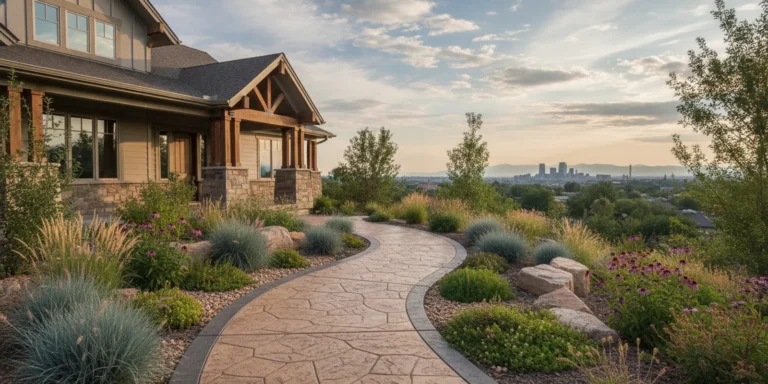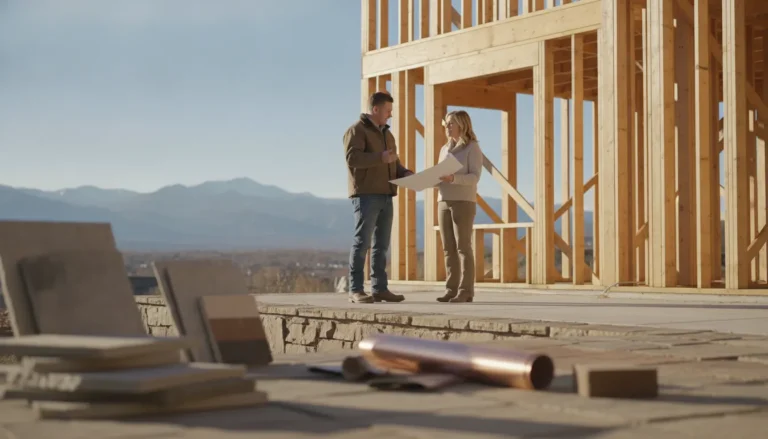

In the Denver metro area, our homes need to be resilient. They must stand up to intense sun, heavy snow, and everything in between. Building a net zero home here adds another layer of complexity, requiring a design that works with our unique climate, not against it. This is where local expertise becomes non-negotiable. You need a builder who understands how to orient a home for passive solar gain, select the right high-performance windows, and create an airtight building envelope that keeps you comfortable year-round. This guide focuses on helping you find local net zero home builders with a proven track record in Colorado, ensuring your home is built to last and perform beautifully.
Key Takeaways
- Think Reduce, Then Produce: A net zero home is a complete system that first minimizes energy needs with a superior building envelope and efficient appliances, then generates its own power with renewables like solar. This holistic design results in major long-term utility savings and a healthier home.
- Vet Your Builder Thoroughly: Your project’s success hinges on a builder with proven net zero experience. Look for a strong portfolio, relevant certifications (like ZERH), and deep knowledge of Denver’s building codes, and prioritize a team that offers clear communication and support.
- Leverage Available Financial Incentives: The upfront investment for a net zero home is more manageable with help. Explore federal tax credits, Colorado state rebates, and green financing options to significantly lower your initial financial commitment and make your sustainable home a reality.
What Is a Net Zero Home?
Imagine a home that produces as much energy as it uses over the course of a year. That’s the simple, powerful idea behind a net zero home. Instead of constantly drawing power from the grid, these homes are designed and built to be incredibly efficient, generating their own clean energy to offset their consumption. This approach results in a home with a “net zero” energy footprint, making it a smart, sustainable choice for the future. Building one requires careful planning and a deep understanding of green building practices, but the result is a home that is as comfortable as it is responsible.
How Do Net Zero Homes Work?
Achieving net zero status is a two-part strategy: reducing energy needs and generating renewable energy. First, the home is built with a superior building envelope. This involves using high-performance insulation and meticulous air sealing to prevent energy loss, keeping your home comfortable year-round without constantly running the heat or AC. Second, the home creates its own energy on-site, usually with solar panels. By combining these two elements, a net zero home dramatically reduces its reliance on external power sources, effectively balancing its own energy checkbook.
The Benefits for You and the Planet
The most obvious benefit of a net zero home is the significant reduction in your monthly utility bills. By producing your own power, you’re less affected by fluctuating energy rates. But the advantages don’t stop there. These homes offer superior comfort, with consistent indoor temperatures and improved air quality. The robust construction that makes them so efficient also makes them quieter and more resilient against extreme weather. For homeowners in the Denver metro area, this means a durable, comfortable sanctuary that also happens to be great for the environment by reducing your carbon footprint.
Busting Common Net Zero Myths
A common misconception is that net zero homes are futuristic, complicated, or only exist in magazines. That couldn’t be further from the truth. Net zero homes are being built right here in the Denver metro area and are absolutely achievable. The key isn’t some secret technology; it’s a commitment to smart design, quality materials, and expert craftsmanship. With a knowledgeable home builder who understands the principles of energy-efficient construction, a net zero home is a practical and attainable goal for your family. It’s not a dream, it’s just a better way to build.
Key Features of a Net Zero Home
A net zero home is more than just a house with solar panels. It’s a complete system where every component works together to create an ultra-efficient, comfortable, and sustainable living space. From the foundation to the roof and everything in between, these homes are designed with a singular goal: to produce as much energy as they consume over a year. Achieving this balance involves a thoughtful combination of renewable energy generation, a high-performance structure, and smart technology. Let’s look at the key features that make it all possible.
Harnessing Renewable Energy
The most visible feature of many net zero homes is their ability to generate their own power. This is typically done using solar panels installed on the roof. These panels capture sunlight and convert it into electricity to power your lights, appliances, and heating and cooling systems. By producing clean energy right at home, you significantly reduce your reliance on the public utility grid. This on-site generation is the final, crucial step that balances out the home’s energy consumption, helping it achieve that “net zero” status and a much smaller environmental footprint.
A Superior Building Envelope: Insulation and Air Sealing
Think of the building envelope as the protective shell of your home: its walls, roof, foundation, windows, and doors. In a net zero home, this shell is exceptionally well-insulated and airtight. We use advanced framing techniques, high-performance windows, and continuous insulation that wraps the home like a warm blanket, preventing drafts and energy loss. This meticulous air sealing ensures that the conditioned air you pay to heat or cool stays inside, while outside air stays out. A superior building envelope is the foundation of energy efficiency, making your home more durable and comfortable in any season.
Energy-Efficient Appliances and Smart Technology
With such an airtight and well-insulated home, you don’t need a massive, power-hungry HVAC system to stay comfortable. Net zero homes use highly efficient, correctly sized heating and cooling systems that use a fraction of the energy of standard units. This commitment to efficiency extends to all appliances, from the water heater to the dishwasher. By choosing ENERGY STAR certified models, you ensure every appliance is working to save energy. Smart thermostats that learn your schedule and LED lighting further reduce your electricity demand, giving you more control over your home’s performance.
Designing for Maximum Efficiency
These individual features are most effective when integrated into a holistic design from the very beginning. A true net zero home isn’t just a standard house with efficient upgrades; it’s designed for performance from the ground up. This includes passive design strategies, like orienting the house to maximize natural light and solar heat gain in the winter. The placement of windows, the roof overhangs, and even the floor plan are all carefully considered to work with the local climate. This thoughtful planning is what makes a custom home builder an essential partner in creating a home that is truly greater than the sum of its parts.
What Certifications Should Your Builder Have?
When you’re looking for a builder to create your net zero home, how can you be sure they have the right skills? Certifications are a great place to start. Think of them as a report card for builders, showing they’ve been trained and tested on the latest energy-efficient techniques. A certified builder demonstrates a commitment to quality and sustainability that goes beyond just meeting basic building codes. It’s an easy way for you to verify their expertise and feel confident in your choice.
Key Certifications: Energy Star and ZERH
You’ve probably seen the blue Energy Star sticker on appliances, but did you know a whole house can earn this certification? Homes with the Energy Star label are at least 10% more energy-efficient than standard new homes, making them more comfortable and affordable to run. For an even higher standard, look for builders certified through the Department of Energy’s Zero Energy Ready Home (ZERH) program. A ZERH-certified home is so efficient that a renewable energy system, like solar panels, can offset most or all of its annual energy use. It’s the perfect foundation for a true net zero lifestyle.
Understanding LEED, Passive House, and Other Standards
Beyond Energy Star and ZERH, you might hear about other green building standards like LEED and Passive House. LEED-certified homes are designed to be healthy, efficient, and green from top to bottom, considering everything from materials to water conservation. The Passive House standard is all about creating an incredibly airtight and well-insulated home. These homes use so little energy for heating and cooling that your utility bills can shrink dramatically. While not every net zero home will have these specific certifications, a builder who is familiar with them understands the core principles of high-performance building.
Why Professional Affiliations Matter
Certifications tell part of the story, but a builder’s professional affiliations tell you about their commitment to their craft. When a builder is a member of professional organizations like the National Association of Home Builders (NAHB) or a local Green Building Council, it shows they are invested in staying current with industry best practices and ethical standards. These groups provide ongoing education and resources, so membership is a good sign that your builder is serious about quality and dedicated to continuous improvement. It’s another layer of assurance that you’re partnering with a knowledgeable and reputable team.
Finding Your Net Zero Builder in the Denver Metro Area
Once you’ve decided to build a net zero home, the next step is finding a partner who can bring your vision to life. You want a builder who not only understands the principles of sustainable construction but also has specific experience in the Denver Metro Area. Our unique climate, with its intense sun and cold winters, requires a specialized approach to achieve true energy efficiency. A great starting point is to use resources designed to connect homeowners with qualified professionals.
The Zero Energy Project, for example, offers a helpful directory where you can find builders, designers, and architects who focus on sustainable building. You can search by location to find experts right here in our community who are familiar with local building codes and environmental factors. Looking for a team with a proven track record in high-performance home building is key. You’re not just constructing a house; you’re creating a complex, integrated system. The right builder will have a portfolio of successful net zero or near-zero projects and be able to walk you through their process with clarity and confidence. They should be your guide and advocate, ensuring every detail contributes to a comfortable, healthy, and energy-independent home. When you interview potential builders, ask to see examples of their work and talk to past clients about their experience with the home’s performance after completion.
Our Approach to Net Zero Building
At Faros Construction Services, we believe a successful net zero home is built on a foundation of smart design and superior craftsmanship. It’s about creating a holistic system where every component works together. As experts point out, the most inspiring net zero energy homes combine a few key elements. It starts with a high-performance building envelope that includes exceptional insulation and airtight sealing to prevent energy loss. From there, we integrate renewable energy sources like solar panels and specify high-efficiency appliances and smart home technology. This thoughtful approach ensures your home produces as much energy as it consumes, creating a truly sustainable living environment that complements your lifestyle, from the main house to your outdoor living spaces.
How to Choose the Right Net Zero Home Builder
Finding the right builder is arguably the most important step in creating your net zero home. This isn’t just about hiring a contractor; it’s about finding a partner who shares your vision and has the technical expertise to bring it to life. A net zero home is a high-performance machine, and its success depends on a team that understands every component, from the foundation to the solar panels. The right builder will guide you through design choices, material selections, and the construction process with confidence and transparency. They’ll be the ones coordinating architects, engineers, and specialized tradespeople, ensuring everyone is working toward the same high-performance goal.
Your builder should be a trusted advisor who can explain complex concepts in simple terms and help you make informed decisions. They are the ones who will turn blueprints and building science into a comfortable, healthy, and efficient home for your family. This partnership is built on trust, clear communication, and a shared commitment to quality. Taking the time to vet your options thoroughly will ensure your project runs smoothly and results in a home you’ll love for decades. Think of it as assembling your dream team. The following steps will help you identify the key players and choose a builder who is truly qualified to build your net zero future. Here’s what to focus on during your search.
Look for Proven Net Zero Experience
Building a net zero home requires a specific skill set that goes beyond traditional construction. You’ll want a builder who has a dedicated track record in creating these highly efficient homes. Ask potential builders about their direct experience with net zero projects. How many have they completed? What challenges did they face, and how did they solve them? An experienced builder will be familiar with advanced framing techniques, airtight construction methods, and integrating renewable energy systems. You can start your search by exploring professional directories from organizations like the Zero Energy Project, which lists builders, designers, and architects with proven expertise in the field.
Review Their Portfolio and Credentials
Once you have a shortlist of builders, it’s time to look at their work. A portfolio is more than just a collection of pretty pictures; it’s proof of their capabilities. As you review their projects, look for homes similar in style and scope to what you envision. Pay attention to the details and the quality of the craftsmanship. Don’t hesitate to ask for client references, especially from past net zero projects. Speaking with former clients can give you honest insight into the builder’s communication style, process, and ability to deliver on their promises. Also, check their credentials and any certifications they hold, as this demonstrates a commitment to their craft and industry standards.
Prioritize Clear Communication and Support
Building a custom home is a significant undertaking, and open, honest communication is the foundation of a successful project. From the very first conversation, your builder should be a clear and responsive communicator. They should listen to your ideas, answer your questions thoroughly, and be transparent about the process. Think of this as a long-term relationship. You’ll be working together closely for months, so you need a team you can trust and feel comfortable with. A great builder acts as your advocate, providing support and guidance from the initial design phase all the way through to your final walkthrough and beyond.
Ask About Warranties and Long-Term Support
A reputable builder will always stand behind their work. Before signing any contracts, make sure you have a clear understanding of the warranties they offer. This should cover not only the structural integrity of the home but also the craftsmanship and the performance of its specialized systems, like the HVAC and solar panels. Ask what their process is for addressing any issues that might come up after you move in. Knowing that your builder provides long-term support offers peace of mind and protects your investment, ensuring your home continues to perform as designed for years to come.
Ensure They Know Denver’s Building Codes
Building codes are in place to ensure safety and quality, and they are especially important for net zero homes, which involve advanced energy provisions. A builder who is deeply familiar with the specific regulations in the Denver metro area is essential for a compliant and successful project. Local knowledge prevents delays and ensures all permits and inspections go smoothly. An expert home builder in Denver will understand the nuances of local energy codes, zoning laws, and soil conditions, integrating these requirements into your home’s design from the very beginning. This local expertise is non-negotiable for a project of this complexity.
Overcoming Common Hurdles in Your Search
Let’s be honest: finding the perfect builder can feel like a big task. It requires research, patience, and asking a lot of questions. One of the most common hurdles is simply knowing where to start. Begin by creating a list of your priorities and non-negotiables for both your home and your builder. Use this list as your guide when interviewing potential candidates. Don’t be afraid to take your time with this decision. The right partnership is worth the effort and will set the stage for a positive building experience. If you’re ready to start the conversation, our team is here to help answer your questions and explore the possibilities. You can schedule a consultation with us to learn more.
Are There Financial Incentives for Building Net Zero?
Building a net zero home is a significant investment in your future, your comfort, and the planet. While the initial financial commitment can feel like a big step, you don’t have to shoulder it alone. A growing number of financial incentives are available specifically to encourage homeowners like you to build smarter, more efficient homes. These programs are designed to make high-performance homes more accessible, recognizing that the long-term benefits extend to the entire community.
Think of these incentives as a partnership. Federal, state, and local governments, along with financial institutions, are ready to help you make your dream of a net zero home a reality. From tax credits that put money back in your pocket to specialized loans that make the upfront requirements more manageable, there are several avenues to explore. Understanding these options is a key part of the planning process. A knowledgeable builder can help you identify the programs you qualify for, ensuring you can make the most of every available dollar and build a home that delivers lasting value for years to come.
Federal Tax Credits and Rebates
One of the most impactful incentives comes directly from the federal government. The Residential Clean Energy Credit is a fantastic program that can significantly reduce your initial outlay. For example, homeowners can receive a tax credit for 30% of the amount spent on new, qualifying clean energy property, including solar electric panels. This isn’t just a deduction; it’s a dollar-for-dollar reduction of your income tax liability. The U.S. Department of Energy provides a clear breakdown of the available federal tax credits for consumer energy efficiency to help you plan your project. This credit makes adding renewable energy to your home more attainable than ever.
Colorado and Local Incentives
Here in Colorado, we have our own set of programs to support sustainable building. The Colorado Energy Office offers various incentives and rebates for homeowners who choose energy-efficient appliances and building materials. On top of state-level support, many local utility providers in the Denver metro area have their own incentive programs. These can include rebates for installing high-efficiency heating and cooling systems, smart thermostats, or even for the home achieving a certain level of energy performance. These local programs are a great way to layer savings and reduce the overall financial commitment of your new home.
Exploring Your Financing Options
Beyond credits and rebates, you can also find unique financing tools for your project. Many lenders offer “green loans” or energy-efficient mortgages (EEMs). These specialized home loans allow you to roll the expected utility savings and the expense of energy-efficient features directly into your mortgage. This can help you qualify for a larger loan amount to cover the upgrades needed for a net zero home. An EEM makes it possible to finance a more comfortable and sustainable home without dramatically changing your monthly housing payment, since the additional mortgage amount is often offset by lower energy bills.
Balancing Upfront Investment with Long-Term Savings
It’s true that building a net zero home often requires a greater upfront investment than a standard home. However, it’s important to look at the complete financial picture. The long-term savings are substantial. A net zero home’s value is not just in its beautiful design but in its performance. According to research from the National Renewable Energy Laboratory, the return on investment is clear, with homeowners saving thousands over the years on utility bills. When you combine these savings with the available financial incentives, the initial investment is often recouped much faster than you might think, all while you enjoy a healthier, more comfortable living space.
Related Articles
- Building a 1000 Sq Ft House: The Ultimate Guide
- Trusted Home Builder Denver | Custom Homes & Additions
Frequently Asked Questions
Does ‘net zero’ mean I’ll never have a utility bill? That’s a great question, and it gets to the heart of how these homes work. You will still be connected to the utility grid and receive a monthly statement. The “net zero” goal means that over a full year, your home produces enough renewable energy, usually from solar panels, to equal the amount of energy you use. Some months you might generate more power than you need and send it back to the grid for a credit, while in other months you might draw from the grid. The goal is for it all to balance out annually.
What should I expect for the initial financial commitment compared to a standard home? Building a net zero home does require a thoughtful initial investment in high-performance materials and systems. However, it’s important to view this through the lens of long-term value. The upfront amount is often offset by significant federal and state incentives, specialized green financing options, and of course, dramatic long-term savings on your energy bills. You’re investing in a home with superior comfort, durability, and predictable, low operational requirements for years to come.
Can I turn my existing house into a net zero home? Yes, it is possible to retrofit an existing home to improve its energy performance, sometimes even to a net zero standard. This process, often called a deep energy retrofit, involves significant upgrades like adding insulation, replacing windows and doors, and meticulously air sealing the structure before installing a renewable energy system. While it can be more complex than building from the ground up, a skilled contractor can help you make impactful changes to make your current home much more efficient and comfortable.
Does it take longer to build a net zero home? Not necessarily. While the design and planning phase for a net zero home is more detailed, the actual on-site construction timeline is usually very similar to that of any other high-quality custom home. An experienced net zero builder integrates the advanced techniques into their standard workflow. The extra time spent in planning ensures that every detail is accounted for, which often leads to a smoother, more efficient building process without significant delays.
Do net zero homes have to look modern or futuristic? Not at all. This is one of the best parts about building a net zero home: it can be designed in any architectural style you love. Whether your dream is a traditional craftsman, a rustic farmhouse, or a clean modern design, the principles of net zero can be applied. The performance comes from the “unseen” elements like the superior building envelope, advanced insulation, and smart systems, not from a specific aesthetic. You can have a beautiful home that reflects your personal style and also happens to be incredibly efficient.