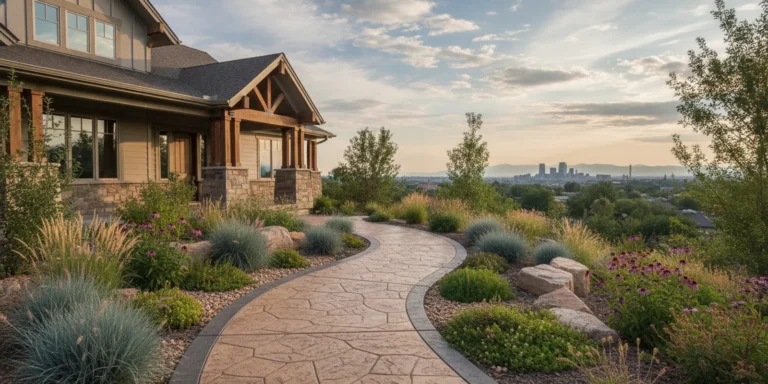

If you are asking what zone is Denver Colorado for planting, the short answer is USDA Hardiness Zone 6a for most of the Denver Metro Area. That answer is useful, but it is only the first step. Elevation, exposure, late spring frost, dry air, soil, drainage, irrigation, and reflected heat can all change how a plant performs in a particular yard.
Plan a Denver Metro landscape with Faros Construction Services.
Use Zone 6a as a broad guide for perennial cold tolerance, then look closely at the planting site. A sheltered bed near a wall may behave differently from an open slope. A compacted area beside a new patio may need a different soil and drainage plan from an established garden bed. Good landscape planning connects the zone map to the real conditions on the property.
What Zone Is Denver Colorado for Planting?
Most of Denver is in USDA Hardiness Zone 6a, which corresponds to an average annual extreme minimum temperature of approximately -10 degrees Fahrenheit to -5 degrees Fahrenheit. Some colder, higher, or more exposed pockets in the Denver Metro Area can behave more like Zone 5b. For planting decisions, Zone 6a is the broad starting point, while the exact site determines how much protection a plant may need.
The USDA Plant Hardiness Zone Map is designed to help gardeners compare perennial plant cold tolerance. It is based on average annual extreme minimum temperatures and divides the country into 10-degree zones with 5-degree half zones. It does not predict every winter low, and it does not measure the full growing environment of a landscape bed.
That distinction matters in the Denver Metro Area. A zone label can help narrow a plant list, but it cannot tell you whether the soil drains after snowmelt, how many hours of direct sun reach a bed, or whether wind will dry new plants before their roots establish. Choose plants by combining hardiness with site conditions, mature size, water needs, and the purpose of the space.
For example, a tree selected only because it tolerates Zone 6a may still struggle if its roots sit in saturated soil or if the planting space is too small at maturity. A perennial in a sunny, wind-exposed bed may need different establishment care from the same plant in a protected courtyard. Treat the zone map as a screening tool, then use a site review to decide what belongs in each part of the property.
Why Do Denver Planting Zones Vary from Yard to Yard?
Denver planting zones can vary at the property level because elevation, slope, wind, shade, buildings, pavement, and soil all affect the microclimate. Two properties may share a Zone 6a label while one has a protected south-facing bed and the other has an exposed north-facing slope. The same plant can therefore experience very different stress in each location.
Elevation and topography affect how quickly a site loses heat at night. Cold air can settle in lower areas, while a sloped site may drain cold air more readily. A property that is open to prevailing wind can also experience more winter drying and greater moisture loss from foliage. Wind protection from a fence, home, or group of established trees may improve conditions, but it can also create shade or restrict airflow.
Hardscape materials create another local effect. Concrete, masonry, stone, and dark paving can absorb heat during the day and release it after sunset. A planting bed beside a wall may warm earlier in spring, while a shaded bed beside a north-facing foundation can stay cool longer. These differences should influence plant placement, irrigation zones, mulch depth, and the order in which a landscape is installed.
| Site condition | What it can change | Planning response |
|---|---|---|
| Open, windy exposure | Faster moisture loss and winter drying | Use wind-tolerant plants, group compatible water needs, and plan establishment irrigation. |
| South-facing wall or paving | More reflected heat and earlier warming | Check heat tolerance and avoid placing cool-site plants in the hottest pocket. |
| North-facing shade | Cooler soil and less direct sun | Choose shade-tolerant plants and avoid assuming the whole property has one light level. |
| Low or compacted area | Slower drainage and stressed roots | Correct grading and soil conditions before installing a permanent planting bed. |
How Do Sun, Soil, and Water Affect Zone 6a Plant Choices?
Zone 6a tells you about winter cold, while sun, soil, and water determine whether a plant can establish and remain healthy through the rest of the year. In Denver, strong sunlight and dry air can increase moisture demand even when temperatures feel moderate. A practical plant list must match the plant to the bed, not just to the map.
Start by observing the site at different times of day. Full sun, partial shade, reflected heat, and seasonal shade from deciduous trees each create a different planting environment. A plant that prefers afternoon shade may struggle beside a west-facing wall, while a sun-loving plant may become weak in a narrow side yard with limited direct light.
Soil is equally important. Construction activity can leave planting areas compacted, filled with rubble, or poorly connected to surrounding soil. Compaction reduces pore space, limiting air and water movement around roots. Heavy or poorly draining soil can keep roots wet after irrigation or snowmelt, while very loose or sandy soil may lose moisture quickly. A site assessment should identify these conditions before the final plant palette is selected.
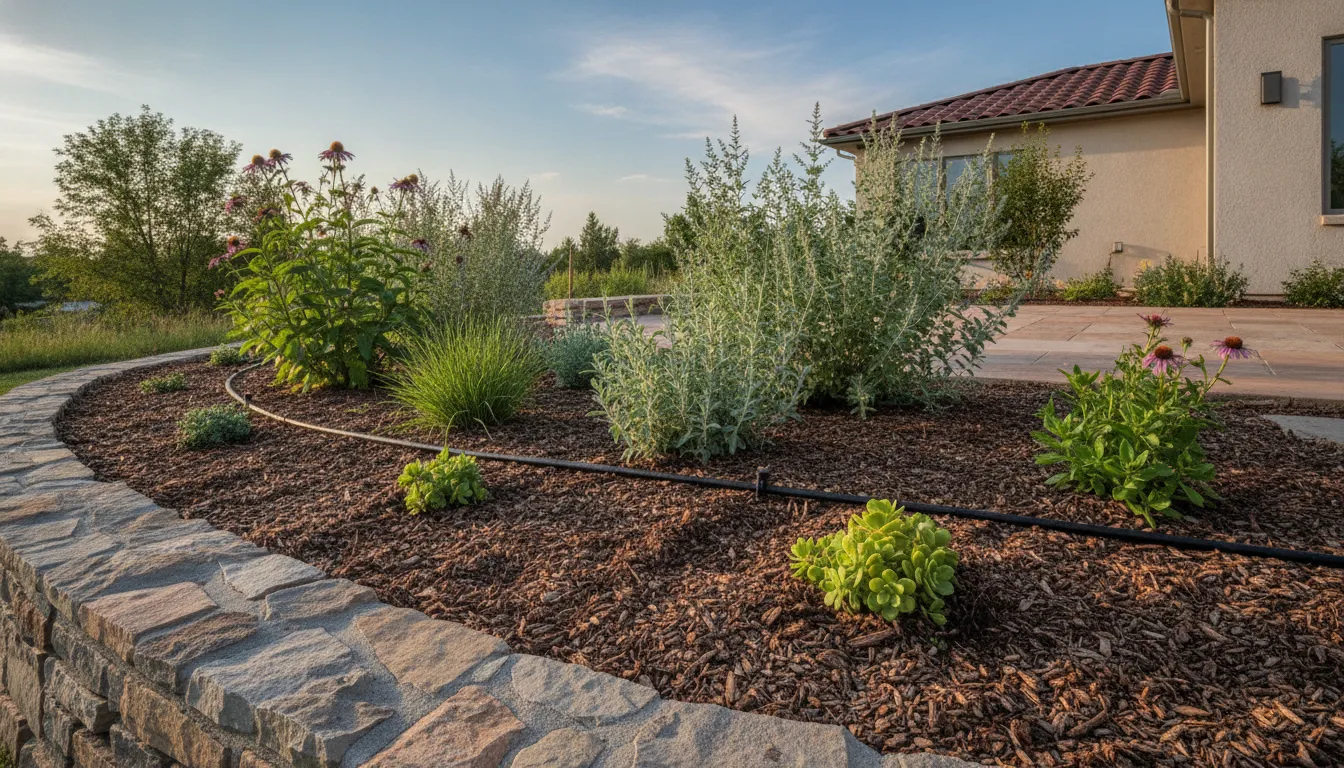
Water planning should account for plant maturity, slope, soil infiltration, and seasonal weather. Group plants with similar water needs so irrigation is not trying to satisfy drought-tolerant perennials and moisture-loving plants in the same zone. Use mulch where appropriate to reduce evaporation and moderate soil temperature, while keeping mulch away from direct contact with trunks and plant crowns.
The Colorado State University Extension yard and garden resources provide additional guidance for selecting and caring for plants in Colorado conditions. Local guidance is most useful when paired with observations from the actual property.
When Should You Plant in the Denver Metro Area?
There is no single planting date that works for every plant or every Denver Metro property. Planting timing depends on the plant’s cold tolerance, whether it is a perennial, tree, shrub, annual, or warm-season grass, the soil temperature, and the likelihood of a late spring freeze. A calendar is a starting point, not a substitute for checking current conditions.
Cool-season perennials, trees, and shrubs are often planned around soil conditions and establishment time rather than one fixed date. Warm-season annuals and grasses generally need warmer soil and more dependable protection from late cold. Newly installed plants are vulnerable because their root systems have not yet extended into the surrounding soil.
- Watch for late spring freezes before installing tender annuals or warm-season plants.
- Check whether the planting bed is workable rather than wet, frozen, or compacted.
- Give new trees and shrubs enough time to establish roots before the most stressful summer conditions.
- Plan irrigation before planting so new roots receive consistent moisture without prolonged saturation.
- Protect plants from drying wind and rapid temperature changes during the establishment period.
Fall can provide useful establishment conditions for many hardy trees, shrubs, and perennials, but the timing still depends on the plant and the site. A professional landscape plan should account for access, grading, drainage, irrigation, and the sequence of hardscape and planting work rather than treating planting as an isolated final step.
How Can Hardscape and Landscape Design Support Healthy Planting?
Hardscape and landscape design work together when grading, drainage, paths, retaining elements, planting beds, and irrigation are planned as one system. The goal is not simply to add plants. It is to create outdoor spaces where water moves predictably, roots have room to establish, and the finished landscape fits how the property will be used.
Start with the site rather than with a plant catalog. Identify low areas, downspout discharge, existing runoff paths, compacted construction zones, and locations where paving will redirect water. Then consider where people will walk, gather, play, or maintain the landscape. A planting bed that looks attractive on paper may be difficult to care for if it is squeezed between a fence and a frequently used walkway.
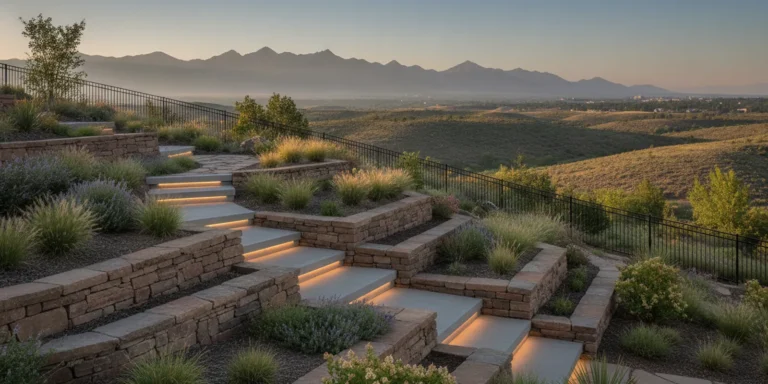
Retaining walls and changes in grade can create useful planting areas, but they also introduce drainage and soil-depth considerations. Plant roots need an appropriate growing medium, and wall or paving details should not trap water against structures. Likewise, a new patio or walkway should be coordinated with nearby beds so runoff does not erode soil or wash mulch into a drain.
Faros Construction Services provides hardscape and landscape contracting for Denver Metro homeowners and property owners. Its broader outdoor living spaces service can also help coordinate planting areas with patios, walkways, walls, and other improvements. The right scope depends on the property’s conditions and the owner’s goals.
How Should You Build a Denver Planting Plan?
A useful Denver planting plan connects the hardiness zone to a site map, a plant palette, a water strategy, and an installation sequence. It should identify what will be planted, where it will go, how mature plants will fit the space, how water will reach each zone, and what must be completed before planting begins.
- Map the site. Note sun exposure, shade, slope, wind, existing trees, paving, walls, utility areas, and drainage patterns.
- Confirm the cold-tolerance range. Use Zone 6a as the broad guide, then account for colder or more exposed microclimates that may behave like Zone 5b.
- Test the planting conditions. Examine soil texture, compaction, drainage, soil depth, and areas affected by construction.
- Group compatible plants. Keep plants with similar sun, water, soil, and mature-size needs together where practical.
- Coordinate irrigation and grading. Make sure water can reach new plants without creating standing water or erosion.
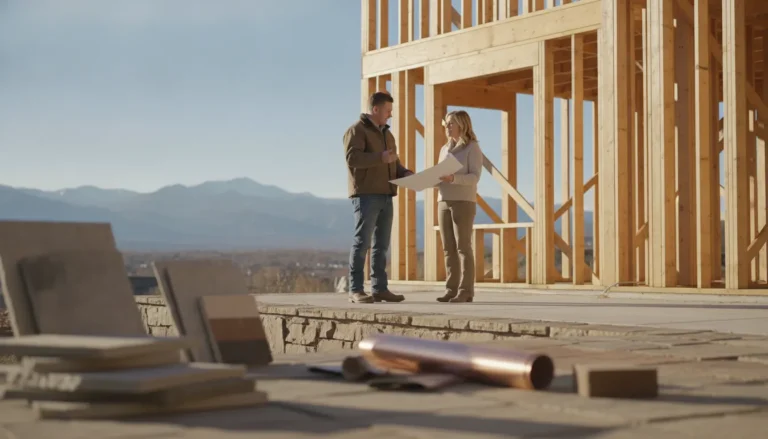
- Sequence the work. Complete necessary access, hardscape, wall, soil, and drainage work before installing vulnerable plants.
- Plan establishment care. New plants need monitoring and consistent care while roots extend into the surrounding soil.
Planning this way also makes future maintenance easier. Plants are less likely to outgrow a walkway, compete with a tree, or receive the wrong amount of water. The result is a landscape that works with the Denver Metro climate instead of relying on a zone label alone.
Frequently Asked Questions About Denver Planting Zones
These common questions clarify how to use a hardiness-zone map without treating it as a complete landscape plan.
Is Denver in Zone 5 or Zone 6 for planting?
Most of Denver is broadly classified as Zone 6a, but colder, higher, or more exposed pockets in the Denver Metro Area can behave more like Zone 5b. Check the exact map location and the conditions of the planting site.
What is the minimum temperature for Zone 6a?
Zone 6a represents an average annual extreme minimum temperature range of approximately -10 degrees Fahrenheit to -5 degrees Fahrenheit. It describes a temperature pattern, not a guarantee for a particular plant or yard.
Does Zone 6a tell me when to plant?
No. The zone helps with perennial cold tolerance, while planting timing also depends on frost risk, soil conditions, plant type, sun, water, and establishment needs.
What plants grow well in Denver?
Plants that grow well depend on the specific bed. Start with hardy plants suited to the available sun, soil, drainage, and water conditions, then confirm mature size and maintenance needs before installation.
Can hardscape affect a planting zone?
Hardscape does not change the official USDA zone, but walls, patios, paving, and buildings can create warmer, cooler, shadier, windier, or drier microclimates that affect plant performance.
Author: Ricardo Alfaro, Faros Construction Services.