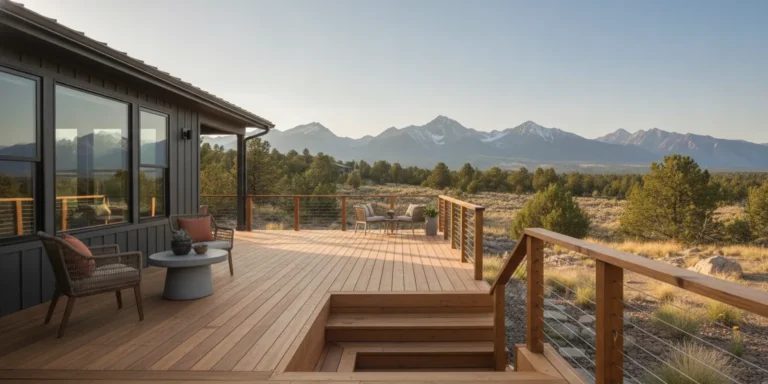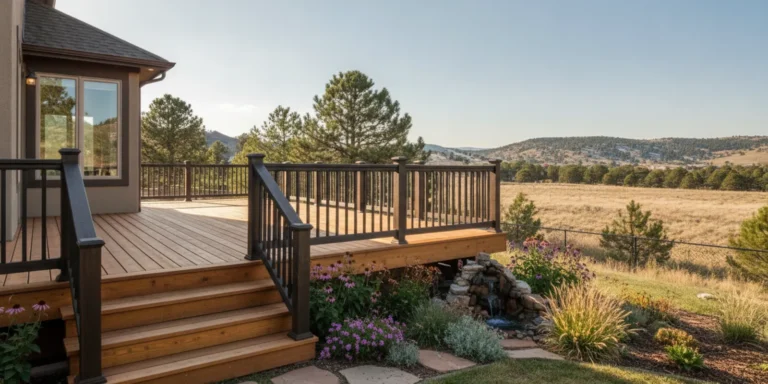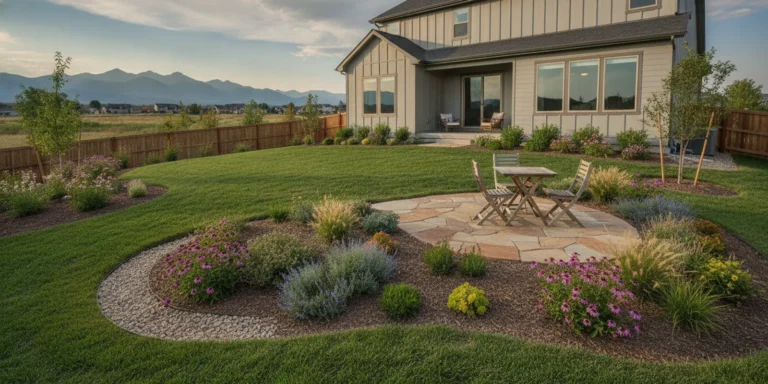

Frozen soil and heavy snow loads put massive stress on patios and pergolas in the Denver Metro Area. Neglecting basic winter care means structural damage and stained finishes. Early prep ensures your yard stays ready for use when the sun returns.
To winterize outdoor space Denver owners should clear debris from decks and inspect patios for cracks. Seal compatible wood surfaces and protect outdoor kitchen equipment according to manufacturer instructions. Check retaining wall drainage, store furniture, and remove seasonal accessories. Completing these tasks in fall helps outdoor features handle moisture, snow, and changing temperatures.
Proper prep is the only way to avoid damage from the freeze and thaw cycles of the mountains. You can save your yard from rot by acting before the snow starts to pile up. The process begins by knowing Why Denver outdoor spaces need a winter plan.
Winterize Outdoor Space Denver: Why Denver outdoor spaces need a winter plan
Winter in the Denver Metro Area brings more than just cold air. The region sees a lot of sun, but it also has a heavy freeze-thaw cycle. This means the heat and cold go up and down a lot. These shifts can hurt your outdoor areas if you are not ready. A good plan helps keep your deck, patio, and stone work in top shape. You can avoid big repair bills by acting before the snow falls.
The Denver freeze-thaw cycle
Many people do not know how much the changing heat affects their home. In the Denver Metro Area, it is common for ice to melt during the day and freeze again at night. This cycle is hard on concrete and stone. Water gets into small cracks and then turns to ice. As it freezes, it grows and pushes on the walls of the crack. This makes the gaps wider over time and leads to deep damage.
You can stop this by preparing your outdoor living space for winter early in the fall. Seal any small cracks you find to keep water out. Keeping your surfaces dry and clean is a great way to help them last longer. When you block moisture, you protect the base of your yard structures from this harsh cycle.
Protecting materials from snow and sun
Denver winters also have bright sun and deep snow. The air is thin here, so UV rays are very strong. This light can fade the color of your wood and break down sealants. When snow piles up on a deck or pergola, the weight can cause real stress. Melting snow can also soak into the wood if the finish is thin. This often leads to rot or wood that starts to twist.
It is smart to focus on protecting your deck and pergola from Colorado winter by checking the seal. If water no longer beads on the surface, you need a new coat of finish. You should also clear snow off your structures as soon as you can. Data from the National Weather Service shows that Denver weather can change fast. Having a plan ready keeps your space safe when a big storm hits.
The importance of early checks
Timing is the most vital part of a winter plan. You should look over your space while the weather is still mild. This gives you time to fix small issues before they get worse in the cold. Look for things like loose tiles, clogged gutters, or failing wood. Taking these steps now ensures your outdoor areas stay safe for your family. A little work in the fall saves a lot of time and money later.
- Look for new cracks in all concrete and stone areas.
- Make sure all drains and gutters are clear of old leaves.
- Check wood posts and beams for any signs of soft spots or rot.
- Store your outdoor furniture or use heavy covers to keep it dry.
- Turn off the water to your yard and drain the lines to stop leaks.
How should you protect a concrete patio before winter?
Concrete may look solid, yet small openings can admit water. When that trapped moisture freezes, it expands and can widen cracks, loosen surface material, or expose weak edges. The best time to protect a patio is during a dry stretch in early fall, before repeated overnight freezes begin.
Follow a practical pre-freeze sequence
- Clear the surface. Remove furniture, leaves, soil, and organic debris. Pay close attention to corners and joints where damp material tends to collect.
- Clean gently. Use a method appropriate for the concrete finish. Aggressive pressure washing can damage an already weakened surface.
- Inspect cracks and joints. Note new cracks, changes in older cracks, uneven slabs, loose edges, or areas where water pools after rain.
- Restore drainage. Clear nearby channels and confirm runoff moves away from the patio rather than beneath it.
- Evaluate sealing. Ask a qualified contractor whether the existing sealer is still performing and whether conditions are suitable for a new application.
Do not simply spread a product over a damp or dirty slab. Surface preparation, weather conditions, and product compatibility matter. A coating that traps moisture or fails to bond can create another maintenance problem. Follow the manufacturer’s application guidance and allow the required curing time before cold weather arrives.
Watch the edges and transitions
Contractors also inspect where the patio meets steps, walls, soil, and other hardscape. These transitions often reveal drainage issues first. Downspouts should not discharge onto the slab or directly beside its base. Soil should not hold water against exposed concrete edges.
If you see displacement, rapidly changing cracks, or recurring pooling, arrange a professional assessment. Faros Construction Services can help homeowners evaluate custom patio construction and maintenance needs across the Denver Metro Area.
Winter deck care for wood and composite surfaces
A deck needs more than a quick sweep before winter. Start by removing planters, leaves, and furniture so you can see the full surface. Debris that stays damp can stain boards and hold moisture against vulnerable areas. Clean between boards so meltwater has a path to drain.
Inspect the structure, not only the finish
Walk slowly across the deck and notice movement, raised fasteners, splintered boards, loose railings, and soft areas. Look beneath the deck where possible. Posts, beams, joists, connections, and the ledger area deserve attention because surface appearance does not always reveal a structural concern.
Wood decks may need a compatible stain or water-repellent finish when the current protection has worn thin. Plan this work for a dry weather window and follow product requirements for surface moisture and temperature. Composite decking generally does not need staining, but it still benefits from cleaning, clear drainage gaps, and inspection of the supporting frame.
Remove snow without damaging boards
Use a non-metal shovel with the blade moving along the direction of the boards. Avoid striking the surface or chipping at ice. Do not apply a deicing product unless the deck manufacturer confirms it is suitable for that material and fastener system. For an unusually deep or heavy accumulation, get professional guidance before climbing onto the structure.
Store furniture when practical. If pieces remain outside, use fitted, breathable covers and keep them positioned so moisture can escape. Do not wrap wood posts or railings tightly in plastic, since trapped condensation may keep them wet. Homeowners planning improvements can explore Faros Construction Services’ deck, pergola, and porch expertise.
Should pergolas and patio features be covered?
Covering every outdoor feature is not automatically safer. A poorly secured tarp can collect snow, catch wind, abrade finishes, and add loads a structure was not designed to carry. The correct choice depends on the feature, its materials, drainage, and the manufacturer’s instructions.
| Feature | Typical winter approach | What to inspect |
|---|---|---|
| Pergola frame | Usually leave open unless its system has a designed seasonal cover | Posts, anchors, beams, connections, and overhead accessories |
| Fabric shade | Remove and store when the manufacturer recommends it | Tears, hardware, cleanliness, and dry storage |
| Outdoor furniture | Store indoors or use fitted breathable covers | Moisture paths, cover security, and wind exposure |
| Fire feature | Follow the appliance manual and use an approved cover | Fuel shutoff, ventilation, ignition area, and drainage |
Give snow somewhere to go
Before winter, remove leaves from overhead slats, gutters, and drainage routes. Check for loose hardware, visible deflection, wood deterioration, or corrosion. Remove hanging plants, string lights, and accessories that are not intended for winter exposure. These items can become hazards in wind or add stress under snow.
Never assume a pergola can support a temporary roof or a large snow accumulation. If you do not know the structure’s design capacity, ask a qualified professional. Avoid climbing on an icy patio or pergola to remove snow. A safe winter plan protects both the structure and the people maintaining it.
How do you winterize an outdoor kitchen?
An outdoor kitchen combines cabinetry, appliances, water lines, drains, electricity, and sometimes gas. That mix makes manufacturer instructions and qualified trade support essential. Begin early enough to complete the process carefully before freezing nights arrive.
Protect water-bearing components
Turn off the dedicated water supply and drain the system according to its design. Faucets, supply lines, filters, ice makers, sinks, and drain traps may retain water even after the tap stops running. A plumber can identify low points, valves, and equipment that require a specific winter procedure. Do not use compressed air unless the system’s instructions explicitly allow it.
Clean and protect appliances
Remove food residue, grease, and debris from grills and work surfaces. Dry everything completely. Follow each appliance manual for power or fuel shutoff, removable parts, ventilation, and approved covers. Never block a required vent or improvise work on a gas connection. Hire the appropriate licensed professional when a utility connection needs attention.
Use covers made for the equipment rather than loose plastic. A fitted cover protects against precipitation while allowing the ventilation intended by the manufacturer. Check cabinets for standing water, damaged seals, and gaps where pests could enter. Store removable accessories in a clean, dry place.
When spring returns, inspect the area before restoring utilities. Look for damaged lines, shifted connections, pest activity, and moisture. Homeowners considering a better all-season layout can review Faros Construction Services’ outdoor kitchen installation guidance.
Do retaining walls need winter preparation?
Yes. Retaining walls depend on drainage to manage water behind the structure. When drainage paths become blocked, saturated soil can place added pressure on the wall. Freezing conditions can intensify that stress. A fall inspection should focus on water movement as much as the visible wall face.
Check drainage before the ground freezes
Remove leaves and debris from nearby swales, drains, and outlets. Confirm downspouts carry roof runoff away from the wall. Look after rainfall for water that ponds above or below the structure. Do not block visible drainage outlets or add soil that changes the intended grade.
Inspect for new leaning, bulging, separated blocks, widening cracks, displaced caps, erosion, and washed-out soil. Photograph concerns from the same locations each season so changes are easier to identify. A wall that has moved or continues to collect water deserves professional evaluation.
Keep the surrounding landscape stable
Secure loose materials and maintain ground cover where appropriate so snowmelt does not carry soil away. Avoid piling shoveled snow against the wall. That pile eventually melts, concentrating moisture where you do not want it. Likewise, do not stack heavy items near the top edge without knowing how the wall was designed.
Retaining wall concerns are not a good place for guesswork. A contractor can evaluate visible movement, drainage, and adjacent hardscape as a connected system. Addressing water flow early helps protect the broader outdoor living area through winter and spring runoff.
A contractor’s fall winterization checklist
To winterize outdoor space Denver homeowners should work from the ground up and complete the highest-risk tasks first. Set aside a dry fall day for inspection, then schedule skilled help early if you find structural movement, utility concerns, or drainage problems.
- Clear leaves and debris from decks, patios, stairs, drains, and retaining wall outlets.
- Photograph cracks, movement, and worn finishes so you can monitor changes.
- Confirm runoff moves away from structures and does not pool on hardscape.
- Inspect deck boards, rails, stairs, framing, posts, and connections.
- Remove seasonal pergola fabrics and accessories when recommended.
- Follow appliance manuals to shut down and protect the outdoor kitchen.
- Store furniture or secure fitted, breathable covers.
- Keep a non-metal snow shovel accessible for appropriate surfaces.
After major storms, inspect safely from the ground. Watch for unusual deflection, drainage backups, damaged covers, and heavy drifting. Do not climb onto snowy structures or perform utility work outside your experience. A careful fall plan, followed by simple observations through winter, provides the strongest protection.
If your inspection reveals a larger issue, Faros Construction Services brings an owner-led, craftsmanship-focused approach to outdoor living projects in the Denver Metro Area. Explore options for building and transforming outdoor living spaces that are designed with local conditions in mind.
Frequently asked questions
When should I winterize my outdoor space in Denver?
Begin during a dry stretch in early fall, before repeated overnight freezes. This timing gives surfaces time to dry and allows contractors to assess drainage, finishes, or structural concerns before snow arrives.
Should I cover my deck for winter?
Usually, the deck itself should remain uncovered so it can drain and dry. Store furniture or use fitted, breathable furniture covers. Avoid loose tarps that can trap moisture, collect snow, or damage finishes.
Can I seal concrete immediately before freezing weather?
Sealers require specific surface preparation, temperatures, and curing conditions. Follow the product instructions and ask a qualified contractor if conditions are uncertain. Do not apply a coating to damp, dirty, or damaged concrete.
How do I protect outdoor plumbing from freezing?
Shut off and drain water-bearing components according to the system and appliance manuals. Because sinks, filters, ice makers, and low points may retain water, a plumber should handle any process you cannot verify safely.
Prepare your outdoor living space with confidence
A thoughtful winter plan protects the craftsmanship that makes your yard useful and inviting. If your fall inspection reveals drainage trouble, damaged concrete, deck concerns, or an outdoor space ready for improvement, Faros Construction Services can help.
Contact Faros Construction Services to discuss your outdoor living project in the Denver Metro Area.