
Xeriscaping is a smart, practical approach to landscaping that thrives in Denver’s semi-arid climate. By replacing thirsty traditional lawns with drought-tolerant plants, efficient irrigation, and thoughtful hardscape design, you can dramatically cut water usage while creating a beautiful, low-maintenance yard that adds lasting value to your property.
Contact Faros Construction Services today for a free consultation on your xeriscape project in the Denver metro area.
What Is Xeriscaping and Why Does It Matter in Denver?
Xeriscaping is a landscaping method designed to reduce or eliminate the need for supplemental watering. Originally developed for drought-prone regions, this approach has become increasingly popular across the Denver metro area as water conservation and sustainable outdoor design take center stage.
Denver receives only about 14 inches of precipitation annually, making it one of the drier major cities in the United States. With climate patterns shifting and water restrictions becoming more common, xeriscaping offers homeowners a forward-thinking alternative to traditional Kentucky bluegrass lawns. A typical bluegrass lawn can consume over 50,000 gallons of water each summer, while a properly designed xeriscape uses a fraction of that amount. This dramatic reduction in water consumption translates directly to lower utility bills and a more resilient landscape that thrives through drought periods.
Beyond water conservation, xeriscaping delivers practical benefits: lower maintenance, reduced yard waste, fewer chemical inputs, and increased property value. Many Denver homeowners find that a well-designed xeriscape is not only more sustainable but also more visually interesting than a conventional lawn.
What Are the Core Elements of a Successful Xeriscape?
A well-planned xeriscape combines several key elements that work together to create a cohesive, water-efficient landscape. Understanding these components will help you make informed decisions during the design phase.
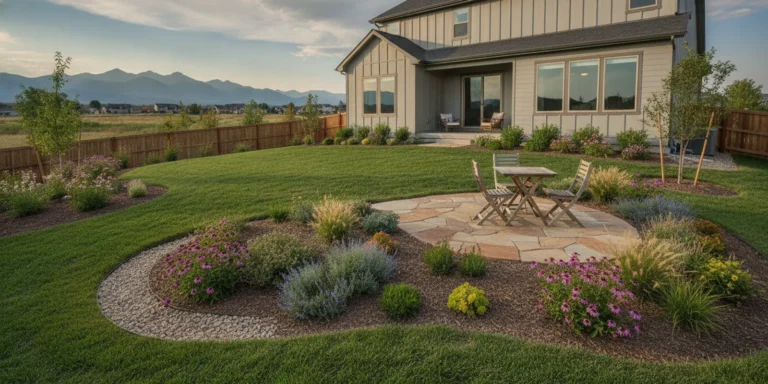
Hydrozoning — Grouping plants with similar water needs together. This strategy prevents overwatering of drought-tolerant plants and underwatering of those that need more moisture. In a Denver xeriscape, most plants will cluster in the low-water zone, with small areas dedicated to moderate-water plants for visual variety.
Soil Improvement — Amending soil with organic matter to improve water retention and drainage. Denver’s clay-heavy soil can be challenging; adding compost helps roots access moisture more effectively.
Efficient Irrigation — Drip irrigation systems deliver water directly to plant roots, reducing evaporation and runoff. Compared to overhead sprinklers, drip systems can cut water use by 30 to 60 percent.
Mulch — A layer of organic mulch (wood chips, bark) or inorganic mulch (gravel, river rock) covers the soil surface, reducing evaporation, moderating soil temperature, and suppressing weeds.
Reduced Turf Areas — Limiting traditional grass to functional areas where it is actually needed, such as play spaces or pet areas. The rest of the landscape transitions to drought-tolerant plantings and hardscape.
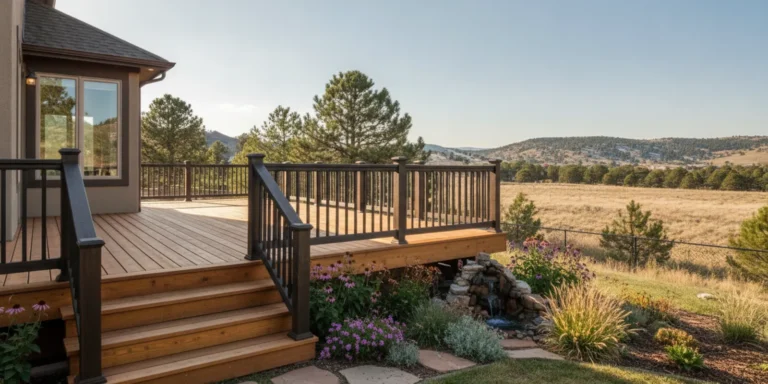
Hardscape and Functional Design — Patios, walkways, seating walls, and gravel paths add usable outdoor living space while reducing the area that requires watering and maintenance. Adding a concrete patio or walkway creates a durable, attractive foundation for your outdoor living area that pairs perfectly with xeriscape plantings.
Learn more about our hardscaping services in Denver to see how patios and walkways can transform your yard.
Which Plants Thrive in Denver Xeriscapes?
Choosing the right plants is the most important decision in any xeriscape project. Colorado’s native and adapted plants have evolved to handle intense sun, strong winds, and dramatic temperature swings. These varieties are naturally drought-tolerant and require minimal water once established. When planning your layout, consider incorporating outdoor living space features that complement your xeriscape design.
Grasses and Ground Covers: Blue grama grass, buffalograss, and sedum (stonecrop) provide excellent ground coverage without heavy water demands. Blue grama, in particular, is the state grass of Colorado and practically thrives on neglect.
Perennial Flowers: Russian sage, lavender, coneflower (Echinacea), black-eyed Susan, and yarrow add vibrant color throughout the growing season while requiring minimal irrigation. These perennials also support local pollinators, including bees and butterflies.
Shrubs and Ornamentals: Rabbitbrush, sagebrush, Apache plume, and three-leaf sumac provide structure and winter interest. These native shrubs are exceptionally hardy and rarely need supplemental water after their first year.
Drought-Tolerant Trees: Honeylocust, bur oak, Kentucky coffeetree, and juniper varieties offer shade and vertical interest without heavy water consumption. Properly placed trees can also reduce cooling expenses in summer by shading your home.
How Much Does Xeriscaping Typically Run in Denver?
The investment for xeriscaping a typical Denver yard varies based on the size of the property, the complexity of the design, and the materials selected. Basic xeriscape conversions typically range from $8 to $15 per square foot, while high-end designs with custom hardscape, boulder arrangements, and premium plantings can run $15 to $30 or more per square foot.
These figures include site preparation, soil amendment, plant materials, irrigation installation, mulch, and hardscape elements. While the upfront investment may be comparable to a traditional landscape installation, the long-term savings on water bills and upkeep can be substantial. Many Denver homeowners recoup their investment within two to three years through reduced utility payments alone.
What Are Common Mistakes to Avoid in Xeriscaping?
Even with the best intentions, certain pitfalls can undermine a xeriscape project. Being aware of these common mistakes will help you avoid expensive corrections down the road.
Too Much Rock, Not Enough Plant — An overreliance on gravel and rock can create a barren, parking-lot appearance. The most attractive xeriscapes balance hard materials with living plants for texture and seasonal interest.
Poor Drainage Planning — Denver’s occasional heavy rainstorms can overwhelm a poorly designed xeriscape. Proper grading and the inclusion of dry creek beds or French drains prevent water from pooling around foundations.
Skipping Edging Materials — Without steel or stone edging, gravel and mulch migrate into planting beds and walkways over time, creating a messy, blended look that requires constant upkeep.
Lack of Plant Variety — Monochromatic, single-variety plantings can look flat and uninteresting. A diverse mix of heights, textures, bloom times, and foliage colors creates year-round visual appeal.
How Do You Maintain a Xeriscape Throughout the Year?
Xeriscaping is often described as low maintenance, but it is not no-maintenance. A seasonal care routine keeps your landscape looking its best.
Spring: Remove winter debris, refresh mulch layers, prune dead growth, and inspect the irrigation system for leaks or damaged emitters.
Summer: Monitor soil moisture and adjust irrigation timing as temperatures rise. Deadhead spent blooms to encourage continued flowering.
Fall: Reduce watering as temperatures cool. Plant new perennials and shrubs, which benefit from autumn’s cooler temperatures and natural precipitation. Apply a fresh layer of mulch before winter.
Winter: Drain and winterize the irrigation system. Use this time to plan any spring additions or modifications to your landscape design.
Is Xeriscaping Right for Your Denver Home?
Xeriscaping is an excellent choice for Denver homeowners who want a beautiful, sustainable landscape that conserves water and reduces ongoing upkeep. Whether you are starting from bare soil or converting an existing lawn, a thoughtfully designed xeriscape can transform your outdoor space into a showcase of Colorado-adapted beauty.
Contact Faros Construction Services to discuss your vision. Our team has extensive experience designing and building custom landscapes throughout the Denver metro area, from Arvada to Littleton to Highlands Ranch. We will help you create a xeriscape that reflects your personal style while delivering lasting environmental and financial benefits.
Schedule your free consultation today and let us help you bring your outdoor living vision to life.