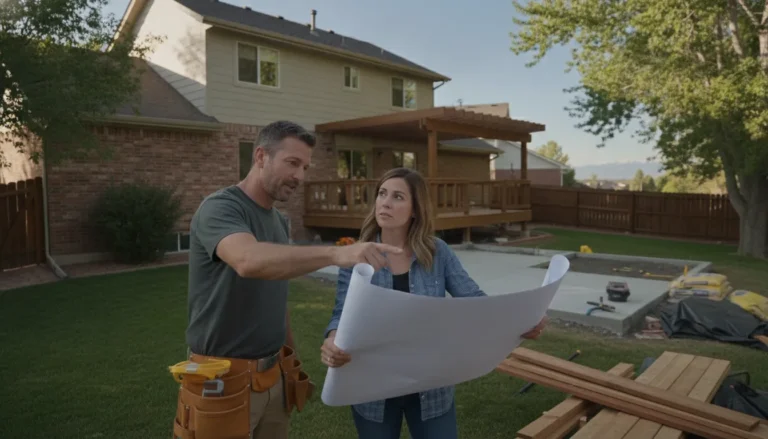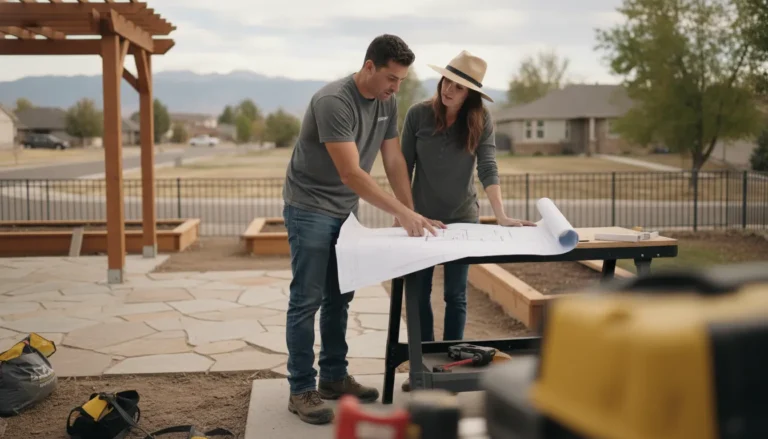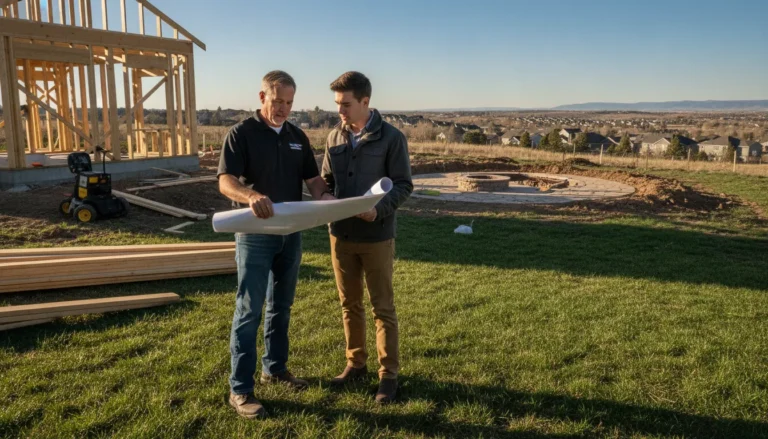

You love your home and your neighborhood, but you’re starting to feel the walls close in. Maybe your family has grown, your work-from-home situation needs a dedicated space, or your kitchen is just too small for the way you live now. Moving seems like a massive hassle, and you don’t want to leave a place filled with memories. This is where the idea of a home addition comes in. The process of building addition onto your house allows you to create the space you need without giving up the home you love. It’s a big project, but with the right plan, it’s completely achievable. This guide breaks down the entire journey, from initial questions to the final walk-through, so you can feel confident and prepared.
Key Takeaways
- A Successful Addition Starts with a Solid Plan: Before you get caught up in design details, focus on the foundation of your project. This means defining the new space’s purpose, understanding local Denver codes, and setting a realistic budget that includes a 10-15% contingency fund for surprises.
- Your Contractor is Your Project Partner: The key to a low-stress build is a strong partnership with your general contractor. Prioritize clear, consistent communication to ensure your vision is understood and that any changes or decisions are handled collaboratively and documented properly.
- Prepare for the Realities of Construction: Even the best-laid plans can meet unexpected hurdles like weather delays or supply issues. A flexible mindset, combined with a thorough final walk-through to create a “punch list,” ensures you can handle challenges and achieve a high-quality result you love.
Thinking About a Home Addition? Let’s Start Here.
Deciding to add on to your home is a huge step, but it’s also incredibly exciting. You’re not just building more rooms; you’re creating more space for your life to unfold. Whether you’re dreaming of a bigger kitchen for family gatherings, a quiet home office, or a primary suite that feels like a retreat, a well-planned addition can completely transform how you experience your home.
But before you start picking out paint colors, it’s helpful to understand the possibilities and the real benefits of expanding. Getting clear on what you want to achieve is the first step toward a successful project. Let’s look at some common types of additions and the perks that come with giving your home a little more room to breathe.
Common Types of Home Additions
Home additions come in all shapes and sizes, from simple expansions to major structural changes. A “bump-out” is one of the most popular options—it’s a small extension that can add a few precious feet to a kitchen or create a cozy breakfast nook without needing a full new foundation. For more significant space, you might consider a full room addition, like a new family room or bedroom.
Other ideas include converting your garage into living space or adding a sunroom to enjoy the Denver sunshine year-round. For a major transformation, a second-story addition can double your square footage. No matter the scale, you can incorporate features like vaulted ceilings, skylights, and built-in shelving to make the new space feel open and functional. As an experienced home builder, we can help you explore which type of addition best fits your property and goals.
The Perks of Expanding Your Space
The most obvious benefit of an addition is, of course, more space. But the advantages go much deeper than that. A thoughtfully designed addition adds significant value to your home. Expansions that update a kitchen or create a modern primary suite often provide the best return on your investment when it comes time to sell.
Beyond the financial upside, an addition gives you a chance to customize your home to fit your lifestyle perfectly. You can create a space that reflects current design trends, like using warmer colors and incorporating natural materials. More importantly, you get to solve the unique challenges of your current layout, whether that means adding storage, improving flow, or simply creating a dedicated space for your family’s needs. You can see how we’ve helped other homeowners transform their spaces in our project gallery.
Key Questions to Ask Before You Start
Jumping into a home addition is exciting, and it’s easy to get swept up in Pinterest boards and design ideas. But before you start picking out paint colors, it’s smart to pause and ask a few foundational questions. Think of this as the prep work that ensures your project is built on solid ground, both literally and figuratively. Getting clear on your goals, understanding your home’s limitations, and setting realistic expectations from the get-go will make the entire process smoother and more successful.
Answering these questions honestly will help you create a clear roadmap for your project. It ensures that you, your designer, and your contractor are all on the same page. This initial planning phase is where you can spot potential challenges and make informed decisions that align with your budget and lifestyle. It’s the difference between a project that feels chaotic and one that feels controlled and collaborative. By taking the time to think through these key areas, you’re setting yourself up for an addition that you’ll love for years to come. Faros offers a wide range of home building services to help bring your vision to life, starting with this crucial planning stage.
Define Your Needs and Functionality Goals
First, let’s talk about the “why.” What is the primary purpose of this new space? Are you dreaming of a spacious kitchen that can host holiday dinners, a quiet home office, or a primary suite that feels like a retreat? Be specific about how you envision using the room day-to-day. It’s also wise to think about the future. That playroom you need for your toddlers now could become a homework station or a media room for teenagers down the road. Defining the function helps guide every decision, from the layout to the electrical plan. A clear vision is the most valuable tool you can bring to your project.
Assess Your Home’s Current Structure
Your existing home has a big say in what’s possible. Before you get too attached to a specific plan, you need to understand the practical constraints. This means looking into local rules in the Denver metro area, like zoning laws, height limits, and setbacks—which dictate how close you can build to your property lines. It’s also critical to determine if your home’s foundation can support the weight of an addition. A professional assessment is key here. Understanding these structural and legal boundaries early on prevents costly surprises and ensures your new outdoor living space or room addition is built safely and to code.
Set a Realistic Timeline and Expectations
Big projects take time, and it’s important to have a realistic grasp of the schedule. The process involves more than just construction; for example, securing the necessary permits can take anywhere from a few weeks to a couple of months, depending on the project’s complexity. It’s also smart to plan for the unexpected. Life happens, and in construction, that can mean weather delays or supply chain issues. We always advise clients to build a 10-15% contingency fund into their budget for unforeseen costs. Setting realistic expectations for both the timeline and the budget will help you stay grounded and reduce stress throughout the build.
Let’s Talk Budget: How Much Does a Home Addition Cost?
This is often the first question on every homeowner’s mind, and for good reason. While there isn’t a one-size-fits-all answer, understanding the moving parts of the total cost will help you create a realistic budget. The final price tag for a home addition in the Denver metro area depends on a mix of your vision, your home’s existing structure, and the materials you choose.
Think of it less as a single price and more as a range that we can narrow down together. A simple ground-floor bump-out will have a different budget than a full second-story addition with a new bathroom and custom finishes. The key is to know what drives costs up or down so you can make informed decisions that align with your financial comfort zone. We’ll break down the major factors that influence the final cost and walk through how to build a smart, comprehensive budget that accounts for every detail—including the unexpected ones.
What Influences the Final Cost?
Several key factors determine the final cost of your project. The size, type, and complexity of the addition are the biggest drivers. For instance, ground-level additions are typically more budget-friendly than adding a second story, which requires reinforcing your home’s foundation. The materials you select also play a huge role, from framing lumber to flooring and fixtures.
Interestingly, the cost per square foot often decreases as the addition gets larger, since fixed costs like design and permits are spread over more space. Whether you’re planning a new primary suite or a simple sunroom, our team can help you understand the costs associated with different home building projects and find solutions that fit your goals.
Create Your Budget (and Don’t Forget a Contingency!)
A solid budget is more than just the construction estimate. You’ll need to account for design fees, building permits, and any potential landscaping repairs once the project is complete. It’s also wise to consider if you’ll need temporary housing during the most disruptive phases of construction.
Most importantly, always build a contingency fund into your budget. Setting aside an extra 10-15% for unexpected issues is a standard practice that provides peace of mind. This buffer covers unforeseen challenges, like discovering hidden structural issues, so they don’t derail your project. Ready to get a clearer picture of your costs? You can schedule a consultation with us to get a detailed estimate.
Understanding Denver’s Rules: Permits and Codes
Before you can swing a hammer or pour any concrete, you’ll need to get familiar with local regulations. This part of the process can feel a bit intimidating, but it’s designed to keep you, your family, and your neighborhood safe. Think of permits and building codes as a quality-control checklist for your project. They ensure your new addition is structurally sound, safe, and built to last. A great general contractor will manage this entire process for you, but it’s always smart to understand the basics of what’s happening behind the scenes.
Permit Requirements in the Denver Metro Area
For almost any home addition in the Denver metro area, you’ll need to obtain a permit before work can begin. This involves submitting detailed project plans to the city for review. These plans show what you’re building and confirm that the design meets safety standards. The good news is that Denver has a streamlined online portal for submissions, which helps keep things moving. For smaller, more straightforward projects, you might even qualify for a quick permit that doesn’t require a full plan review. An experienced contractor will know exactly what your project requires and will handle the paperwork to ensure everything is approved properly.
Know Your Local Zoning and Setback Rules
Beyond the building permits, your project must also follow local zoning and setback regulations. In simple terms, zoning rules dictate how land in your area can be used, while setback rules define how far your home must be from property lines, the street, and other structures. These regulations ensure additions don’t crowd your neighbors or change the overall character of the neighborhood. Your building plans will need to show the addition’s dimensions and exact placement on your property to prove it complies. Once construction is complete and passes final inspection, you’ll receive a Certificate of Occupancy, which is the official green light that your new space is safe and up to code.
Who Should Be on Your Project Team?
Building an addition is a team sport, and assembling the right crew is one of the most important steps you’ll take. Your project team will turn your vision into a physical reality, so you want people you can trust to manage the details, from blueprints to the final coat of paint. A great team not only delivers quality work but also makes the entire process smoother and less stressful for you. The key players you’ll need to consider are a general contractor, an architect or designer, and various specialized tradespeople. Let’s look at how each role fits into your project.
Find the Right General Contractor
Think of your general contractor (GC) as the quarterback of your project. They are responsible for overseeing the entire construction process, from hiring subcontractors to managing schedules and ensuring everything is built to code. When you hire a home builder as your GC, you’re bringing on a partner to handle the day-to-day logistics. An experienced, licensed, and insured contractor is non-negotiable. They will be your primary point of contact and the one responsible for bringing all the moving parts together. This is the person who ensures the foundation is poured correctly, the framing is sturdy, and the electricians and plumbers do their jobs right.
Collaborate with Architects and Designers
Before you can build anything, you need a plan. This is where an architect or designer comes in. Many homeowners find it helpful to hire a design professional first to create detailed drawings and blueprints. This step is crucial for a few reasons: it solidifies your vision, helps you get more accurate price estimates from contractors, and is necessary for securing building permits. An architect can ensure your new addition flows seamlessly with your existing home’s style, while a designer can help you plan the interior layout and finishes. Your GC can often recommend trusted design professionals they’ve worked with in the Denver metro area.
When to Call in the Specialists
Unless you’re a skilled builder yourself, your general contractor will be the one to call in the specialists. This includes everyone from electricians and plumbers to roofers and drywall installers. Your GC has a network of trusted subcontractors they work with regularly, which saves you the headache of finding and vetting these professionals yourself. Your main job is to maintain clear communication with your GC. Establish from the start who your primary contact will be and how you’ll handle questions and decisions. A well-managed team ensures every detail is executed correctly, so you can feel confident in the quality of your new space.
How to Plan Your Addition’s Design and Layout
This is where your vision really starts to take shape. Planning the design and layout is about more than just drawing lines on a piece of paper; it’s about creating a space that feels intentional, functional, and seamlessly connected to the rest of your home. A well-designed addition doesn’t just add square footage—it enhances your home’s flow and character. Think about how you want to live in this new space. Will it be a quiet retreat, a bustling family hub, or a flexible area that can adapt to your needs over time?
The goal is to make your new addition feel like it was always there. This involves carefully considering everything from the roofline and window placement to the materials and interior finishes. A thoughtful layout can maximize natural light, create an effortless transition from indoors to outdoors, and make the entire home feel more spacious and cohesive. Working with an experienced home builder can help you translate your ideas into a practical, beautiful design that complements your existing structure and fits your lifestyle perfectly.
Blend Your Addition with Your Home’s Style
One of the biggest signs of a successful home addition is that it doesn’t look like an addition at all. The new structure should match the style and feel of your existing house so it doesn’t look out of place. This means paying close attention to architectural details. Consider the pitch of your roof, the style of your windows, and the type of siding or brick on your home’s exterior. The goal is to create a harmonious look where the old and new parts of your house blend together flawlessly. A good contractor will help you source materials and design elements that honor your home’s original character while giving you the modern space you need.
Choose Sustainable and Efficient Materials
Building an addition is a great opportunity to incorporate modern, high-performance materials that can make your entire home more comfortable and efficient. Eco-friendly design is a growing priority for many homeowners, and for good reason. Choosing options like energy-efficient windows, superior insulation, and durable, sustainably sourced building materials can lower your utility bills and reduce your environmental impact. These choices also add long-term value to your property. In the Denver metro area, selecting materials that can withstand our unique climate—from intense sun to heavy snow—is a smart investment in your home’s longevity and resilience.
Plan for Natural Light and Flexible Layouts
A bright, airy space is always more inviting. When planning your layout, think about how you can maximize natural light. Large windows and glass doors not only flood the room with sunlight but also create a strong connection to the outdoors. Many homeowners are opting for floor-to-ceiling sliding glass doors to create a seamless transition between their indoor and outdoor living spaces. Inside, open and flexible floor plans remain a popular choice because they offer versatility. An open layout can make a smaller addition feel much larger and allows you to adapt the space as your family’s needs change over the years.
The Construction Phase: What to Expect
This is where your vision starts taking shape. After all the planning, budgeting, and designing, seeing the crew break ground is an exciting milestone. The construction phase is a flurry of activity, and knowing what’s coming can make the entire process feel much smoother. While your contractor will manage the day-to-day, understanding the key stages helps you follow the progress and manage life at home while the work is underway. From the first dig to the final framing, this is where your new space truly comes to life.
Breaking Ground: Foundation and Framing
Everything starts from the ground up. The first major step is creating a solid foundation, which is absolutely critical for the stability and longevity of your new addition. A properly poured foundation with the right drainage ensures your structure will stand strong for decades. Once the foundation is set, the skeleton of your addition—the framing—goes up. This is when you’ll get the first real sense of the room’s size and shape. An expert home builder ensures every wall is perfectly level and every corner is square, which prevents headaches later when it’s time for drywall, windows, and doors.
Key Construction Milestones and Timelines
It’s helpful to have a general idea of the project timeline, though your contractor will provide a schedule specific to your addition. Remember to factor in the time it takes to get permits, which can be anywhere from a few weeks to over a month in the Denver metro area. Once work begins, a simple bump-out might take three to four months, while a full room addition could be closer to four to six months. Larger projects, like adding a second story, can take six months to a year or more. These are just estimates, as weather and material availability can always play a role in the final timeline.
How to Manage Daily Life During Construction
Let’s be honest: living in a construction zone has its challenges. You can expect a certain amount of noise, dust, and general disruption to your daily routine. The key to getting through it is preparation and communication. Try to seal off the construction area from the rest of your home as much as possible and protect your furniture. For bigger projects, you might even consider a short-term rental. Most importantly, maintain an open line of communication with your project manager. A clear channel for questions and updates makes it easier to work through the process and ensures your vision is being executed perfectly.
How to Handle Common Construction Hurdles
Even with the most meticulous plan, home addition projects can encounter a few bumps in the road. The key isn’t to expect perfection, but to be prepared for the reality of construction. From unexpected discoveries behind your walls to a sudden Denver snowstorm in late spring, hurdles are a normal part of the process. These challenges aren’t a sign of a failing project; they’re just part of building something new and integrating it with an existing structure.
The good news is that most of these issues are manageable, especially when you’re working with an experienced team that values honest service. A great contractor will anticipate potential problems, communicate them clearly, and work with you to find the best solution. Knowing what to look out for yourself will help you feel more in control and less stressed when a challenge arises. Think of it less like a crisis and more like a problem-solving opportunity. By planning for the unexpected, you can keep your project moving forward smoothly and ensure the final result is exactly what you hoped for.
Prepare for Delays and Budget Adjustments
Let’s talk about the two things every homeowner worries about: time and money. It’s wise to build a financial cushion into your budget from the very beginning. A good rule of thumb is to set aside a contingency fund of 10-15% of your total project cost. This isn’t for adding extra features on a whim; it’s for true unknowns, like discovering outdated plumbing or structural issues once a wall is opened.
Delays can also happen for reasons outside of anyone’s control. Material shipments can get held up, or city permit offices can have a backlog. An experienced general contractor will build buffer time into the schedule, but it’s helpful to maintain a flexible mindset about the final completion date.
Dealing with Weather and Supply Issues
Here in the Denver metro area, we know the weather can be unpredictable. A sudden hailstorm or a week of heavy rain can pause exterior work like framing or concrete pouring. While your construction team will do their best to work around the forecast, Mother Nature always has the final say. This is a common reason for timeline adjustments, so try to be patient.
Supply chain disruptions can also impact your project. A specific type of window or siding you’ve chosen might be on backorder, pushing back the schedule. One way to get ahead of this is to make your material selections early. You can also discuss alternative, in-stock options with your contractor that still fit your vision and budget. Choosing durable, high-quality building materials from the start can also prevent future weather-related issues.
Ensure Quality at Every Step
The single most important factor in getting the addition you envision is clear communication. Your contractor isn’t a mind reader, so it’s up to you to clearly articulate your goals and expectations. Create a folder with inspiration photos, drawings, and notes to help translate your vision into an actionable plan for the build team. Don’t be afraid to ask questions during the process—a quality-focused team will welcome your involvement.
Regular check-ins and site walk-throughs are essential. This gives you a chance to see the progress firsthand and address any concerns before they become bigger issues. A collaborative relationship with your contractor, built on trust and open dialogue, is the best way to ensure every detail is executed correctly and the final result is something you’ll love for years to come.
Keeping Communication Clear with Your Team
A successful home addition hinges on more than just materials and labor—it relies on clear, consistent communication. Think of your relationship with your contractor as a partnership. Open dialogue is the key to ensuring your vision is translated accurately, the project stays on schedule, and any surprises are handled smoothly. When everyone is on the same page, from the initial design to the final walk-through, you can avoid costly misunderstandings and feel confident in the process.
At Faros, we believe that a well-informed client is a happy client. That’s why we prioritize establishing a direct line of communication from day one. Your project manager should be your go-to person for questions, updates, and decisions. Setting up a regular check-in schedule, whether it’s a quick daily text or a more detailed weekly meeting, helps keep the project moving forward. This collaborative approach ensures that the final space is exactly what you dreamed of, built with the quality and care you expect. Our goal is to make the construction journey as transparent and stress-free as possible, turning your ideas into a beautiful, functional part of your home.
Establish a Clear Project Scope
Before a single nail is hammered, it’s crucial to establish a detailed project scope. This is essentially the master plan for your addition, outlining everything from the dimensions of the room to the type of light fixtures you want. The main goal is to ensure total clarity between you and your builder. A thorough scope document should detail all the work to be done, the specific materials to be used, and the agreed-upon timeline. Being specific now prevents confusion later and helps your home building team provide an accurate quote. It’s the foundation for a smooth and collaborative project.
Handle Changes and Decisions with Confidence
Even with the best planning, changes can happen. You might decide on a different tile once you see it in person, or an unexpected structural issue could arise. The key is to handle these shifts with a clear process. Any change, big or small, should be documented in writing through a “change order.” This document should outline the new work, any adjustments to the budget, and how it might affect the timeline. This process protects both you and your contractor, ensuring everyone agrees on the changes before work proceeds. It keeps expectations aligned and helps translate your evolving vision into reality without derailing the project.
Use Photos and Plans to Share Your Vision
Words can sometimes fall short when describing a specific look or feel. That’s where visual aids come in. To help your team truly understand your creative vision, gather photos, magazine clippings, or create a Pinterest board. These images can communicate the style, color palette, and specific details you’re aiming for more effectively than a verbal description alone. While architectural plans provide the technical blueprint, inspiration photos help fill in the aesthetic gaps. Sharing these visuals with your designers and builders creates an active dialogue and ensures the final result matches the picture in your head.
Finishing Strong: Your New Addition’s Future
The end of a construction project is exciting, but it’s not quite time to celebrate just yet. These final steps are all about making sure every detail is perfect and that you’re set up to enjoy your new space for years to come. A strong finish ensures your investment is protected and your vision has been brought to life exactly as you imagined. It’s the difference between a project that’s just “done” and one that’s done right.
At Faros Construction Services, we believe the final phase is just as important as breaking ground. This is where quality craftsmanship truly shines. From the final inspection to understanding how to care for your new space, taking the time to wrap things up properly will give you peace of mind and a home addition you’ll love. Let’s walk through how to cross the finish line with confidence.
The Final Walk-Through and Checklist
Before the tools are packed away for good, it’s time for a final walk-through. This is your opportunity to go through the new space with your contractor and inspect every detail. Don’t be shy—open every door, test every light switch, and look closely at the finishes. The goal is to create a “punch list,” which is simply a list of any small items that need a final touch-up, like a paint scuff or a sticky drawer. A reputable contractor expects this and will want to ensure you’re completely satisfied before calling the job complete.
Tips for Maintaining Your New Space
Your beautiful new addition is built, and now it’s time to keep it that way. Regular maintenance is key to protecting your investment. Start by asking your contractor for a list of the materials, paint colors, and products used in your project. This makes future repairs or touch-ups much easier. It’s also a good idea to understand the warranties on any new appliances or systems, like HVAC. A little proactive care, such as cleaning gutters and checking seals around windows, will ensure your addition remains a seamless and durable part of your home.
Get the Most from Your Investment
A home addition is more than just extra square footage; it’s an investment in your property’s value and your quality of life. Most well-planned additions give you a solid return. Expansions that add a primary suite or enlarge a kitchen often provide the best return on investment because they appeal most to future buyers. However, it’s good to have realistic expectations. You may not recoup every dollar spent, but the daily enjoyment and functionality you gain are invaluable. You can see examples of additions that blend beauty and function in our past projects.
Related Articles
- Home Builder – Faros Construction Services
- To Stay or To Go? Navigating Life During a Remodel with Faros Construction
Frequently Asked Questions
How long does the entire home addition process take, from the first phone call to the final walk-through? The timeline really depends on the project’s complexity, but it’s helpful to think of it in two phases. The pre-construction phase, which includes design, engineering, and securing permits in the Denver area, can take a few months on its own. Once we break ground, a straightforward room addition might take four to six months, while a more involved second-story project could take closer to a year. We map out a detailed schedule from the start so you always know what to expect.
Should I hire an architect before contacting a general contractor? There isn’t one right way to start, and we work with clients who approach it from both directions. Some homeowners prefer to have a full set of architectural plans before they start talking to builders. Others find it helpful to consult with a contractor first to get a realistic sense of construction costs and feasibility, which can then inform the design process. We can connect you with trusted architects and designers we’ve worked with if you haven’t found one yet.
Can I stay in my home while the addition is being built? For many projects, the answer is yes. We work hard to contain the construction zone and minimize disruption to your daily life. However, for larger-scale additions, especially those that involve your kitchen or the only bathroom, it can become challenging. In those cases, some families find it more comfortable to arrange for a short-term rental during the most intensive phases of the project. We can discuss the specifics of your project to help you decide what makes the most sense for you.
How do you ensure a new addition matches the style of an older Denver home? This is one of the most important parts of our design and build process. A successful addition should feel like it was always part of the original house. We achieve this by carefully studying your home’s existing architectural character—from the pitch of the roof and the style of the windows to the texture of the brick or siding. We then source materials and use building techniques that create a seamless transition between the old and the new.
What’s the difference between a change order and just asking for a small adjustment? A change order is the formal process we use anytime a decision deviates from the original, agreed-upon plan in a way that affects the cost or timeline. This could be anything from deciding to add a window to choosing a different type of flooring. Documenting these changes in writing ensures we are all on the same page about the new scope and any budget adjustments. It’s a simple tool for clear communication that protects both you and the build team from misunderstandings.