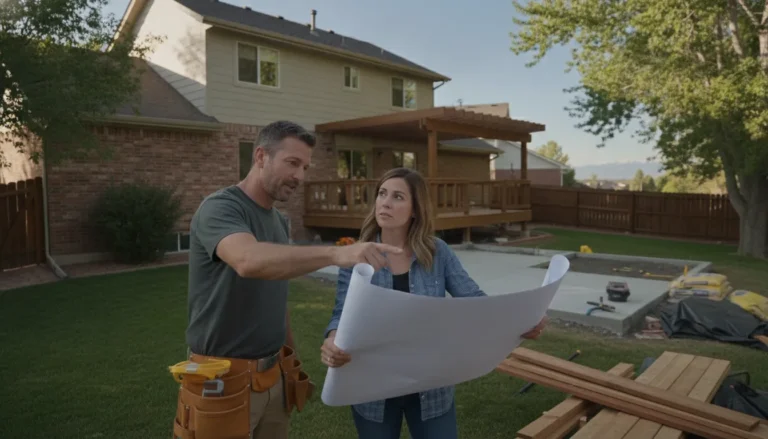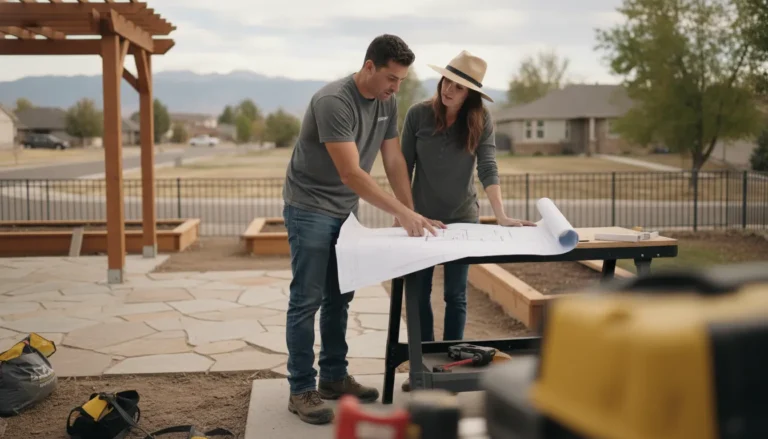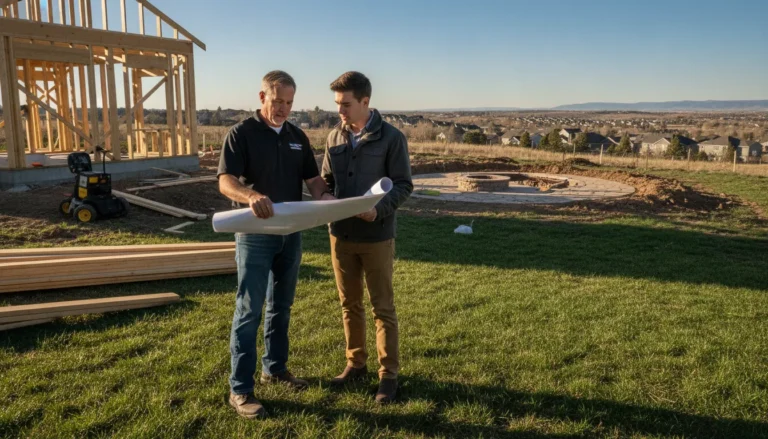


Choosing a contractor is about more than just skills and equipment; it’s about finding a partner who will treat your home with respect. You’re inviting someone to work on the very structure that keeps your family safe, so trust is essential. A great contractor communicates clearly, operates with transparency, and stands behind their work with integrity. They understand they aren’t just working on a job site; they’re working on your home. This guide focuses on helping you identify those crucial qualities, so you can confidently select from the best residential foundation contractors who value building strong relationships as much as they value building strong foundations.
Key Takeaways
- Verify credentials and past work: Before hiring, always confirm a contractor is fully licensed and insured for work in the Denver metro area. Ask to see a portfolio of their completed projects to get a clear sense of their craftsmanship and quality.
- Demand a detailed quote: A trustworthy contractor will provide a transparent, itemized quote that outlines the specific scope of work, materials, and a project timeline. Vague estimates or high-pressure tactics are major red flags.
- Invest in long-term stability: The lowest bid is not always the best choice for your home’s foundation. Prioritize contractors who use high-quality materials and offer a strong warranty, as this ensures a lasting solution that protects your home’s value.
How to Spot a Great Foundation Contractor
Finding the right foundation contractor can feel like a huge undertaking, but it doesn’t have to be. When you know what to look for, you can easily tell the difference between an average crew and a truly great one. A top-tier contractor doesn’t just show up and do the work; they bring local expertise, professionalism, and a commitment to quality that gives you total peace of mind. They communicate clearly, stand behind their work, and understand that they aren’t just working on a house, they’re working on your home. Here are the key signs that you’ve found a contractor worth hiring.
They Understand Denver’s Unique Conditions
A great contractor knows the Denver metro area like the back of their hand. This is about more than just knowing the streets; it’s about understanding our region’s specific challenges, like expansive clay soil that can shift and cause foundation issues. An expert will know how to handle these local conditions and will be familiar with city ordinances and any specific HOA rules that could affect your project. This local knowledge is crucial for ensuring your foundation is built to last and that your concrete work is done right the first time, preventing headaches down the road.
They’re Properly Licensed and Insured
This one is non-negotiable. Any contractor you consider should be fully licensed to work in your area and carry comprehensive insurance. Licensing confirms they meet professional standards, while insurance protects you from liability in case of accidents or property damage during the project. Don’t hesitate to ask for proof of both. A professional will have this information ready and will be happy to share it. Working with a properly credentialed and reputable team is the first step in protecting your investment and your home.
Check for Strong Reviews and References
Before you commit, do a little homework. Look up reviews on Google and other platforms to see what past clients are saying. A few negative comments aren’t always a dealbreaker, but you should look for consistent patterns. Do clients repeatedly praise their communication, cleanliness, and the quality of their work? A great contractor will also have a portfolio of their past projects available for you to review. Seeing their finished work can give you a clear idea of their craftsmanship and attention to detail.
Ask About Warranties and Follow-Up Service
A contractor who is confident in their work will always stand behind it. Be sure to ask about the warranties they offer on their labor and the materials they use. A solid warranty shows that the company is committed to long-term quality, not just a quick fix. You should also ask about their process for site cleanup and any follow-up service. The best contractors leave your property looking better than they found it and are available to address any concerns after the project is complete.
What Services Do Foundation Contractors Offer?
A professional foundation contractor offers a range of services to diagnose and solve problems, from minor cracks to major structural issues. Understanding these services helps you know what to ask for when protecting your home’s structural integrity. Here are the most common services you’ll encounter.
Foundation Inspection and Assessment
The first step is a thorough inspection. A contractor will assess your foundation for signs of stress, water damage, and soil-related issues. They’ll examine the interior and exterior, take measurements, and identify problem areas. Afterward, they should provide a clear explanation of their findings and a detailed estimate. Many reputable companies in the Denver metro area offer this initial inspection and estimate at no charge, giving you a clear picture of your home’s health without an upfront commitment.
Foundation Repair and Stabilization
If an inspection reveals problems, the next step is repair. If soil pressure is causing foundation walls to bow or tilt, a contractor can install support systems like wall anchors to stabilize them. For foundations that have settled unevenly, they might use underpinning techniques with piers to lift and secure the structure. A great contractor explains the options and recommends the best one for your situation. Quality foundation repair services should always come with a warranty, giving you peace of mind.
Waterproofing and Moisture Control
Water is a foundation’s number one enemy, so waterproofing and repair often go hand-in-hand. A contractor might seal cracks, apply a waterproof membrane, or install a drainage system to channel water away from your home. Proper grading is also crucial for moisture control, a service that often falls under a contractor’s hardscape and landscape expertise. Managing water effectively is key to preventing future foundation damage.
New Foundation Installation and Concrete Leveling
Beyond repairs, specialists also handle new construction. If you’re building an addition or a new house, they can pour the concrete foundation to support the entire structure. This requires precision and knowledge of local soil conditions. Many contractors also offer concrete leveling. If you have a sunken slab, like a patio or walkway, they can lift it back into place by pumping a specialized material underneath. This is a great way to fix trip hazards without a full replacement.
Key Warning Signs Your Foundation Needs Attention
Your home’s foundation is its bedrock, but it’s not invincible, especially with Denver’s shifting soils. Foundation issues can start small and often go unnoticed until they become significant problems. The good news is that your house usually gives you hints long before a major issue develops. Knowing what to look for, both inside and out, can help you catch potential problems early. Paying attention to these clues allows you to address them proactively, protecting your home’s structural integrity and your peace of mind.
Cracks and Clues Inside Your Home
Start by looking at your interior walls, especially in the basement or on the ground floor. Are there cracks in the drywall or plaster? More specifically, look for stair-step cracks in brick or concrete block walls, as these often follow the mortar lines and can signal foundation movement. You should also check for gaps between the ceiling and the walls or where the walls meet the floor. Another telltale sign is a floor that feels sloped or uneven underfoot. These subtle shifts inside your home are often the first indicators that your foundation needs a professional assessment.
What to Look for on the Outside
Next, take a walk around the exterior of your home. Large cracks in the brick or stucco, particularly those wider than a quarter-inch, are a clear warning sign. While small hairline cracks can be normal, more significant fractures suggest underlying stress. Also, pay close attention to how water behaves around your property after it rains. If you notice water pooling near the foundation, it indicates a drainage problem. Proper grading and drainage are essential for keeping water away from your foundation, and our hardscape and landscape services can help correct these issues.
Spotting Moisture and Drainage Issues
Moisture is one of the biggest threats to a healthy foundation. Persistent dampness, musty smells in your basement, or water stains on concrete walls are all red flags. Ignoring these signs can lead to bigger issues, including uneven floors, plumbing problems, and a decrease in your home’s value. Foundation repairs often go hand-in-hand with waterproofing solutions to protect your home from future water-related damage. Addressing moisture and drainage is a critical step in maintaining a stable foundation and a healthy living environment. A comprehensive approach to foundation services will always consider water management.
How to Find and Vet Foundation Contractors in the Denver Metro Area
Finding the right contractor for your foundation is one of the most important decisions you’ll make as a homeowner. This isn’t just about fixing a crack; it’s about ensuring the long-term stability and safety of your home. Taking the time to carefully vet your options will give you peace of mind that the job is done correctly from the start.
Start with Local Searches and Referrals
A great place to start is by asking friends, family, and neighbors in the Denver metro area for their recommendations. A trusted referral can give you a head start on finding a reliable professional. You can also turn to online searches, using specific terms like “foundation repair Denver” or “residential foundation contractor.” Look for companies with a strong local presence, as they will be familiar with the area’s specific soil conditions and building codes. Hiring a professional ensures that foundation issues are addressed properly and on time, preventing small problems from becoming major ones.
Verify Their Credentials and Read Reviews
Once you have a shortlist, it’s time to do some homework. First, confirm that any contractor you consider is properly licensed and insured for work in Colorado. This protects you and your property. Next, look into their reputation. Reading online reviews on sites like Google can give you a clear picture of a contractor’s reliability and the quality of their work. Look for consistent positive feedback and see how they respond to any concerns. A reputable contractor will also be happy to share their portfolio of past projects and client feedback with you.
Get Several Detailed Quotes
You should always get at least three detailed, written quotes before making a decision. A thorough quote will do more than just give you a final number; it will outline the specific scope of work, the materials to be used, and a projected timeline. This is especially important in the Denver area, where factors like soil composition and local ordinances can affect the project. A contractor who understands these nuances will provide a more accurate and comprehensive proposal. This level of detail is what you should expect from any expert, including a specialized concrete contractor.
Understanding the Investment for Foundation Work
Thinking about the financial side of foundation work can feel overwhelming, but it’s helpful to frame it as an investment in your home’s safety, stability, and long-term value. The final number on a quote depends entirely on the scope of the work, whether it’s a minor repair or a full replacement. Because every home and situation is unique, especially with Denver’s soil conditions, a professional on-site assessment is the only way to get an accurate picture of the required investment. A trustworthy contractor will walk you through every line item so you understand exactly what you’re paying for.
Typical Investment for Foundation Repair
When it comes to foundation repair, the financial commitment can vary quite a bit. Minor fixes, like mud-jacking for a small slab, might only be a few hundred dollars. However, most homeowners find themselves looking at a range between $2,200 and $8,200 for more common repairs. According to a national survey, the average homeowner invests around $5,200. For extensive issues requiring significant stabilization or lifting, the figure can be higher. This is why getting a detailed quote from an experienced concrete contractor is the best first step to understanding what your specific project will require.
Typical Investment for a New Foundation
If you’re building a new home or an addition, installing a new foundation is a major part of the project. The materials you choose play a big role in the overall financial outlay. Many builders recommend poured concrete walls because they are incredibly durable and offer superior protection against water intrusion compared to concrete blocks. While the initial investment might be different, choosing high-quality materials can save you from future headaches and repair bills. Understanding the types of foundations available helps you make an informed decision for your new build.
What Factors Influence the Final Number?
Several key elements determine the final number on your foundation work quote. The size and severity of the damage are the most obvious factors, but there’s more to it. The type of soil around your home, particularly the expansive clay common in the Denver metro area, can add complexity to the job. Ease of access to the site for equipment, the specific materials needed, and local permit requirements also play a part. A professional quote will account for all these variables, giving you a clear and comprehensive breakdown of the entire project before work begins.
What Questions Should You Ask Potential Contractors?
Once you have a shortlist of contractors, it’s time to start the interview process. This conversation is your best tool for finding a partner you can trust with your home’s structural integrity. Being prepared with the right questions helps you compare your options clearly and confidently. A great contractor will welcome your questions and provide straightforward answers.
Questions About Their Experience and Local Knowledge
You’re not just hiring a contractor; you’re hiring an expert on building in the Denver metro area. Start by asking about their history and local roots. A contractor with years of experience working specifically in our region will understand the challenges posed by our expansive clay soil and fluctuating weather patterns.
Ask them, “How long have you been in business here in the Denver area?” and “Can you describe your experience with foundation issues similar to mine?” Their answers will reveal their stability and familiarity with local conditions. A team that is headquartered locally is more likely to have a deep understanding of regional building codes and environmental factors, ensuring your foundation work is built to last.
Questions About Their Process, Timeline, and Materials
Understanding how a contractor works is just as important as knowing their experience. Ask for a clear overview of their process from start to finish. A great question is, “Can I see examples of your previous work?” This allows you to look at their craftsmanship and see if their quality meets your standards. You can often find a portfolio of their past projects on their website.
It’s also essential to ask, “What materials will you use for my project?” The quality of the materials directly impacts the durability and longevity of the repair or installation. A reputable contractor will be transparent about the products they use and why they’ve chosen them for your specific situation.
Questions About Warranties and Communication
A foundation project is a significant undertaking, and you want assurance that the work is protected. Always ask, “Do you provide a warranty for your work, and what does it cover?” A strong warranty shows that the contractor stands behind their craftsmanship and gives you peace of mind long after the project is complete.
Finally, establish how you’ll stay informed. Ask, “How will you communicate progress and any potential issues?” Whether it’s through daily check-ins, weekly emails, or a dedicated project manager, having a clear communication plan prevents surprises and ensures a smooth, collaborative process. This helps build a foundation of trust from day one.
How to Compare Foundation Contractor Quotes
You’ve done your homework and have a few quotes in hand. Now comes the tricky part: figuring out which one is the right fit for your home and your budget. It’s tempting to just look at the final number, but a truly great quote tells a much bigger story. Comparing them effectively means looking beyond the bottom line to understand the full scope of work, the quality of materials, and the long-term value you’re getting for your investment. A thoughtful comparison will help you choose a partner who will protect your home for years to come.
Look at What’s Included in Each Quote
A detailed quote is a sign of a transparent and professional contractor. Don’t settle for a single lump-sum figure. Instead, look for an itemized breakdown that clearly lists the proposed work, materials, labor, and any potential extra fees. This level of detail helps you understand exactly what you’re paying for. Be cautious of bids that seem significantly lower than others. While it might look appealing, a very low number can sometimes hide future expenses or indicate that the contractor is using subpar materials or cutting corners on essential steps. A thorough concrete contractor will always provide a clear and comprehensive estimate.
Compare Warranties and Project Timelines
A contractor’s confidence in their work is often reflected in the warranty they offer. A strong, clear warranty is your assurance that they stand behind their craftsmanship. Ask what the warranty covers and for how long. It’s also important to inquire about any follow-up support or inspections after the project is complete. Beyond the warranty, a reliable contractor should provide a realistic project timeline. This shows they have a solid plan and respect your time. You can get a sense of a company’s commitment to quality and timelines by looking at their past projects and reviews.
Look for Value, Not Just the Bottom Line
Foundation work is a significant investment in your home’s safety and stability. While it’s important to be mindful of your budget, choosing the lowest bid isn’t always the wisest move. Foundation issues tend to worsen over time, and a quick, cheap fix can lead to more extensive and expensive repairs later on. Think about the long-term value. A slightly higher initial investment for superior materials and expert installation can save you headaches and money for years to come. You’re not just buying a repair; you’re investing in peace of mind and the structural integrity of your home.
Red Flags to Watch for When Hiring a Contractor
Choosing the right contractor is the most important step in any home project. While the Denver metro area has many skilled professionals, knowing a few warning signs can help you avoid headaches and ensure your project is a success. A great partnership is built on trust, transparency, and mutual respect. If something feels off during the hiring process, it’s worth paying attention to. Trust your gut and look for a team that makes you feel confident and comfortable from the very first conversation. Keeping an eye out for these red flags will help you find a reliable partner for your home construction needs. These aren’t just minor quirks; they can be early indicators of bigger problems related to quality, communication, and the final number on your invoice. A truly professional contractor understands that you’re making a significant investment in your home and will work to earn your trust, not just your business. They will be patient, thorough, and focused on building a relationship as solid as the work they do. This approach ensures you have clarity and confidence before any work begins, setting the stage for a smooth and successful project from start to finish.
High-Pressure Sales Tactics
You should never feel rushed into making a decision about your home. If a contractor is using high-pressure tactics, like offering a “today only” deal or insisting you sign a contract on the spot, consider it a major red flag. A reputable professional will understand that this is a significant investment for you. They will provide a detailed quote and give you the space you need to review it, ask questions, and compare your options. True professionals build their business on quality work and trust, not on pressuring homeowners into a quick sale. Their company values should be clear, and their confidence should come from their craftsmanship, not their sales pitch.
Vague Quotes or Unusually Low Bids
If a bid seems too good to be true, it probably is. An unusually low number can indicate that the contractor is cutting corners with cheap materials, using inexperienced labor, or planning to add unexpected charges later. Similarly, a vague quote that lacks detail is a cause for concern. Your proposal should be a clear, itemized document that outlines the full scope of work, the specific materials to be used, a project timeline, and a payment schedule. Getting everything in writing protects both you and the contractor. A transparent and detailed quote is the foundation of a successful project, leaving no room for misunderstandings down the road.
Poor Communication or Unprofessionalism
Pay close attention to how a contractor communicates from your very first interaction. Are they responsive to your calls and emails? Do they listen to your ideas and answer your questions clearly and respectfully? A lack of clear communication early on is often a preview of what’s to come. Professionalism also extends to their conduct. They should be punctual for appointments and treat you and your property with respect. How a contractor presents themselves and their business is a strong indicator of the quality and care they will put into your home. You can often gauge a company’s professionalism by looking at their past projects and reviews.
Choosing the Right Foundation Partner
Selecting a contractor for your home’s foundation is a major decision. You’re not just hiring someone to pour concrete; you’re choosing a partner to protect your most significant investment. To ensure you find a reliable expert for your project in the Denver metro area, focus on a few key qualities that separate the best from the rest.
First, look for a team with proven experience. A seasoned professional understands the nuances of Denver’s soil and climate, which directly impacts the stability of your foundation. They should be able to explain their process clearly and answer your questions with confidence. A contractor’s past work often speaks for itself, so take a look at their project galleries and client reviews to get a feel for their craftsmanship and reliability.
Always verify that any contractor you consider is fully licensed and insured. This is a non-negotiable step that protects you from liability and ensures they meet local standards. A reputable company will readily provide this information. From there, pay close attention to communication. Are they responsive and professional? Do they listen to your concerns? The right partner will maintain open communication from the initial quote to the final walkthrough.
Finally, a trustworthy contractor provides a clear and detailed estimate. This document should outline the full scope of work, the materials involved, and the project timeline. Be wary of vague bids or high-pressure tactics. A transparent and thorough quote is a sign of an honest contractor who is committed to quality and ready to earn your trust. When you’re ready to discuss your project, a professional will walk you through a detailed and transparent estimate.
Related Articles
- How to Choose a Contractor – Faros Construction Services
- Concrete Foundation Contractors Denver: Costs & Tips
- How to Choose the Best Driveway Contractors
Frequently Asked Questions
What makes Denver’s soil so challenging for foundations? The Denver metro area is known for its expansive clay soil. Think of this soil like a sponge: it swells up with moisture when it rains or snows and shrinks dramatically when it dries out. This constant cycle of expansion and contraction puts a huge amount of pressure on a home’s foundation, causing it to shift, settle, and crack over time. A contractor with local experience understands how to work with these conditions to ensure a repair or new build is stable for the long haul.
Are small hairline cracks in my foundation always a bad sign? Not necessarily. It’s common for concrete to form tiny shrinkage cracks as it cures, and these are often just cosmetic. The time to be concerned is when you see cracks that are actively growing, are wider than a quarter-inch, or run in a stair-step pattern along mortar lines in a brick or block wall. If you’re ever in doubt, having a professional take a look is the best way to get a clear answer and peace of mind.
How long does a typical foundation repair project take? The timeline for foundation work varies widely depending on the project’s complexity. A straightforward crack injection might only take a day, while a more involved job, like installing piers to stabilize a settling foundation, could take a week or more. Any reputable contractor will provide you with a detailed and realistic timeline as part of their written proposal, so you’ll know exactly what to expect before work starts.
Why is it so important to get multiple quotes for foundation work? Getting several quotes is about more than just comparing the final numbers; it’s about comparing the proposed solutions and the professionals behind them. Each quote gives you insight into a contractor’s process, the quality of materials they plan to use, and their understanding of your specific problem. This allows you to make a decision based on overall value, expertise, and the trust you feel with the contractor, not just the initial figure.
What happens during a foundation inspection? During a professional inspection, an expert will perform a complete visual assessment of your home’s interior and exterior. They will look for key warning signs like cracks in drywall or brick, gaps around doors and windows, and evidence of moisture in the basement or crawlspace. They may also take measurements to check for sloping floors or bowing walls. Afterward, they should explain their findings clearly and discuss any recommended next steps with you.