
A retaining wall is one of the most versatile features you can add to your Denver property. It holds back soil on a slope, prevents erosion, and creates usable space where there was none. But a well-designed retaining wall does much more than solve a grading problem. It becomes a defining element of your landscape, adding texture, depth, and year-round visual interest to your outdoor living space.
If you’re ready to explore retaining wall ideas for your Denver home, contact Faros Construction today for a free consultation. Call us at (720) 234-5946.
Whether you have a gently rolling backyard or a steep hillside lot in the foothills west of Denver, the right retaining wall design can completely reshape how you use your outdoor space. Below, we walk through creative retaining wall ideas suited to the Denver Metro Area’s unique terrain, climate, and architectural styles.
Why Are Retaining Walls So Popular in Denver Landscapes?
Denver’s geography practically demands retaining walls. The city sits at the transition between the Great Plains and the Rocky Mountain foothills, which means many residential lots have significant grade changes. Neighborhoods in Highlands Ranch, Littleton, Golden, and Arvada are especially known for sloped yards that benefit from terracing and structural support.
Beyond slope management, Denver homeowners are investing in retaining walls because they:
- Create flat, usable outdoor areas for patios, fire pits, and seating
- Prevent soil erosion during spring snowmelt and summer thunderstorms
- Add curb appeal and property value with a finished, professional look
- Define garden beds and landscape zones for low-maintenance plantings
- Extend outdoor living seasons by creating sheltered, sun-catching microclimates
Colorado’s freeze-thaw cycles make proper wall construction essential. A retaining wall built without adequate drainage or a solid foundation will crack and shift within a few seasons. That’s why working with an experienced hardscape and landscape contractor matters so much in this region.
What Are the Best Retaining Wall Materials for Colorado?
Choosing the right material is the single most important decision in your retaining wall project. Each material offers different aesthetics, durability, and maintenance requirements. Here are the top options Denver homeowners should consider.
Natural Stone Walls
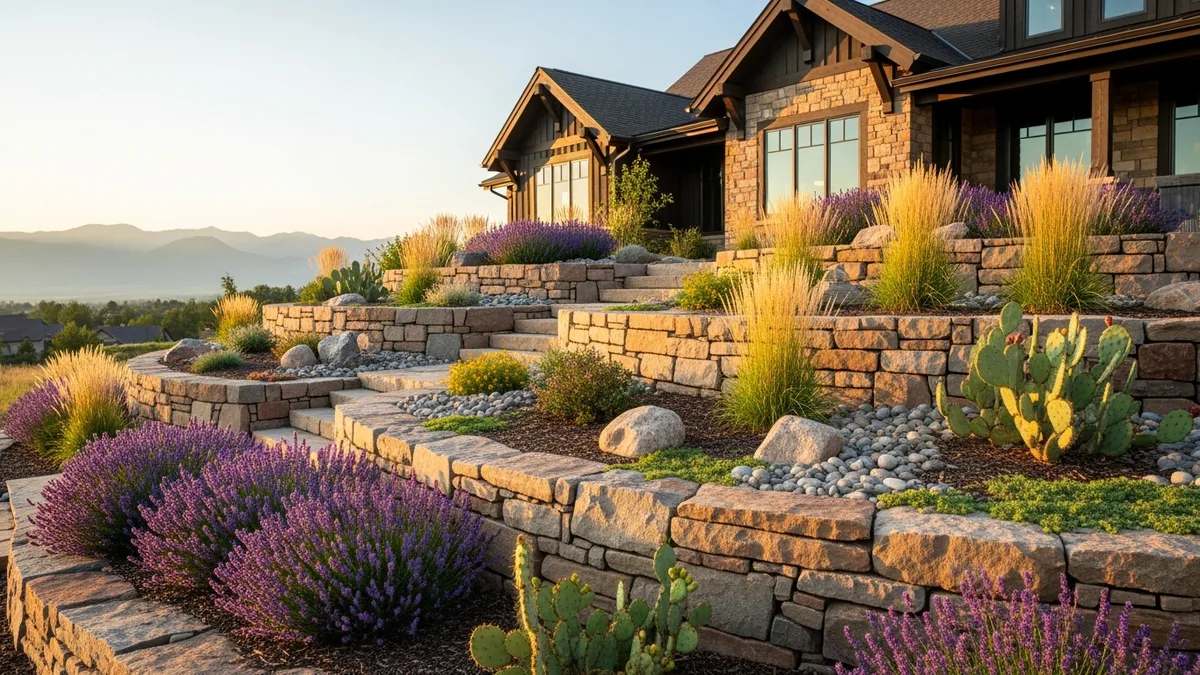
Natural stone retaining walls use materials like Colorado sandstone, moss rock, or flagstone to create an organic, timeless look. They blend beautifully with mountain-style homes and rustic landscapes found throughout the Denver Metro Area.
Best for: Front yard accent walls, garden terracing, properties with natural landscaping
Natural stone walls work especially well as dry-stack installations where the stones are fitted together without mortar. This creates a classic, weathered appearance that looks like it’s been part of the landscape for decades.
Concrete Block Retaining Walls
Concrete block is the workhorse of retaining wall construction. Modern interlocking blocks come in dozens of colors, textures, and sizes, allowing you to achieve looks ranging from clean and contemporary to rough-hewn and rustic.
Best for: Taller walls (4+ feet), load-bearing applications, driveways, and structural terracing
If you’re curious about the construction process, our guide on how to build a retaining wall with concrete blocks covers the fundamentals from base preparation through cap installation.
Poured Concrete Walls
Poured concrete retaining walls offer unmatched strength and design flexibility. Because they’re formed on-site, they can follow curves, incorporate custom textures, and support significant soil loads behind them.
Best for: Modern and contemporary homes, tall structural walls, properties needing engineered solutions
A poured concrete wall can be left with a smooth, modern finish or stamped and stained to mimic natural stone. Learn more about the differences in our poured concrete retaining wall vs. block comparison.
Timber and Railroad Tie Walls
Timber walls create a warm, natural look and work well for shorter walls (under 3 feet) in informal garden settings. Pressure-treated timber and reclaimed railroad ties are common choices.
Best for: Garden borders, raised planting beds, casual landscape designs
Keep in mind that timber walls have a shorter lifespan in Colorado’s climate compared to stone or concrete. The freeze-thaw cycles and intense UV exposure at altitude accelerate wood deterioration, so expect a 15-20 year service life versus 50+ years for masonry options.
Boulder Retaining Walls
Large boulders stacked or placed strategically create dramatic, natural-looking retaining walls. This approach works particularly well in Colorado, where the landscape is defined by rock formations.
Best for: Sloped lots in foothill communities, naturalistic designs, large-scale grade changes
Boulder walls require heavy equipment for placement but often need less site preparation than other methods. They’re a popular choice in Castle Rock, Golden, and other communities near the foothills.
How Can You Use Retaining Walls to Create Outdoor Living Spaces?
One of the most exciting applications of retaining walls is transforming unusable slopes into functional outdoor living spaces. Here are ideas that Denver homeowners are using right now.
Terraced Patio and Entertainment Areas
A series of retaining walls can carve a sloped yard into multiple flat levels, each serving a different purpose. Imagine a top terrace with a dining area, a middle level with a fire pit lounge, and a lower tier with a garden or play space.
This tiered approach is especially effective in neighborhoods like Highlands Ranch and Parker, where builders often leave backyards with significant slopes. Terracing turns that liability into your home’s best feature.
Built-In Seating Walls
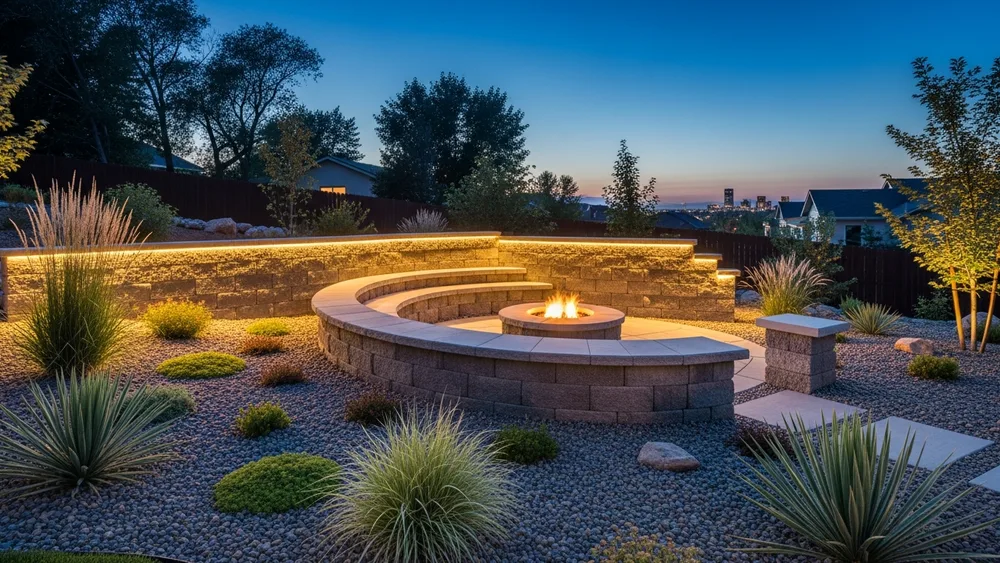
Retaining walls at sitting height (18-24 inches) double as permanent seating around patios and fire pits. Add a smooth capstone and you have comfortable, maintenance-free seating that never needs to be moved inside during a storm.
Built-in seating walls are a smart way to define a patio’s edges while eliminating the need for bulky outdoor furniture. They’re also perfect for Denver’s frequent outdoor entertaining.
Raised Garden Beds and Planters
Retaining walls make excellent raised garden beds. The contained soil warms up faster in spring (a real advantage at Denver’s elevation), provides better drainage, and puts your plants at a comfortable working height.
Consider building retaining walls at varying heights to create a cascading garden effect. Xeriscape-friendly plants like lavender, Russian sage, and ornamental grasses thrive in raised beds and complement Colorado’s natural environment.
Outdoor Kitchen and Grill Stations
A retaining wall can serve as the structural backbone for an outdoor kitchen. The wall holds back the hillside while its finished face becomes the front of a grill station, bar area, or countertop installation.
This dual-purpose approach maximizes your investment by combining structural necessity with functional living space. It’s a design strategy we frequently recommend for Denver homeowners looking to get the most from their landscape design plans.
What Retaining Wall Designs Work Best for Denver Front Yards?
Front yard retaining walls are as much about curb appeal as they are about function. The right design sets the tone for your entire property.
Tiered Flower Bed Walls
Short retaining walls (1-2 feet) create elegant tiered planting beds that add dimension to flat or gently sloping front yards. Use matching stone or block material that complements your home’s exterior for a cohesive look.
Address and Entrance Walls
A freestanding retaining wall at the front of your property can frame your driveway entrance and display your house number. Add landscape lighting and low plantings to create an inviting, polished first impression.
Curved Accent Walls
Instead of straight, utilitarian lines, curved retaining walls add softness and movement to front yard landscapes. They work particularly well along walkways and around mature trees, creating natural flow through the space.
Thinking about a retaining wall for your front or backyard? Schedule a free consultation with our team to explore design options tailored to your property and neighborhood.
Which Retaining Wall Styles Complement Colorado Architecture?
Denver’s neighborhoods span a wide range of architectural styles, from Victorian homes in Capitol Hill to modern builds in RiNo and mountain-lodge designs in the western suburbs. Your retaining wall should feel like a natural extension of your home.
Modern and Contemporary
Clean lines, smooth poured concrete or large-format blocks, and a monochromatic color palette. Consider integrating LED strip lighting into wall caps for dramatic evening ambiance.
Craftsman and Traditional
Warm-toned natural stone or tumbled concrete block with a slightly irregular texture. Earth tones that echo brick, wood, and stone accents typical of Denver’s Craftsman-style homes.
Mountain and Rustic
Dry-stack moss rock, large boulders, or weathered stone that mirrors the natural landscape. These walls look best when combined with native plantings and gravel pathways rather than formal hardscaping.
Ranch and Suburban
Low-profile concrete block walls in neutral tones that blend with the surrounding landscape. Simple, functional designs that define property boundaries and manage gentle slopes without drawing excessive attention.
How Do Denver’s Freeze-Thaw Cycles Affect Retaining Wall Design?
This is the question every Denver homeowner should ask before building a retaining wall. Colorado’s climate imposes specific engineering requirements that don’t apply in milder regions.
Drainage Is Non-Negotiable
Water that freezes behind a retaining wall expands, creating enormous pressure that can push the wall forward or crack it. Every retaining wall in Denver must have:
- Gravel backfill (at least 12 inches) behind the wall face
- Perforated drain pipe at the base, sloped to daylight
- Filter fabric separating backfill gravel from native soil
Without proper drainage, even a well-built wall will fail within a few Colorado winters.
Foundation Depth Matters
Denver’s frost line sits at approximately 36 inches below grade. Retaining wall footings should extend below this line to prevent frost heave, which can lift and tilt the wall over time.
Material Considerations for Altitude
At 5,280 feet and above, UV exposure is more intense than at sea level. Materials fade and weather faster. Choose concrete blocks and sealers rated for UV resistance, and select natural stone that won’t flake or spall through freeze-thaw cycles. Colorado sandstone and granite are excellent local choices.
Understanding these climate factors is one reason why professional retaining wall installation services are so important for Denver projects. A contractor who knows Colorado’s conditions will build a wall that lasts decades, not just a few seasons.
What Should You Know Before Starting a Retaining Wall Project?
Before you break ground, here are practical considerations that affect every retaining wall project in the Denver Metro Area.
Permits and Engineering
In most Denver Metro Area jurisdictions, retaining walls over 4 feet tall require a building permit and may need engineered drawings. Walls holding back a surcharge (like a driveway or structure above) often require engineering regardless of height. Your contractor should handle the permitting process as part of the project scope.
Property Lines and Easements
Retaining walls built near property lines can create legal complications. Always verify your property boundaries with a survey and check for utility easements before finalizing wall placement.
Slope Assessment
The steeper your slope, the more complex and substantial your retaining wall needs to be. For a detailed look at how slope affects your project, our guide on retaining wall on a slope covers the key factors that influence complexity and timeline.
Choosing a Contractor
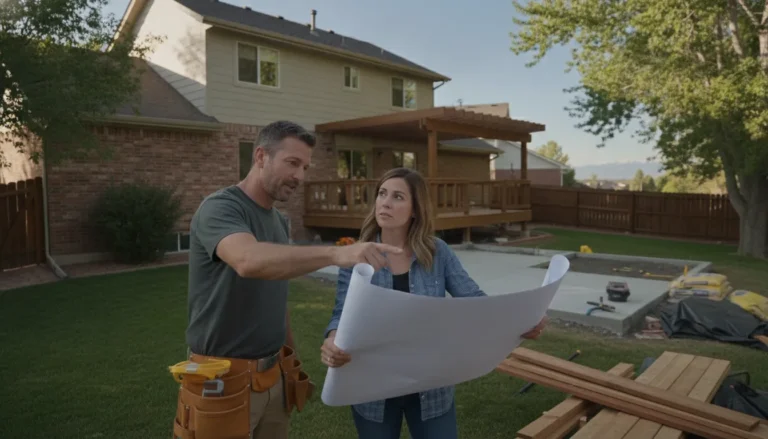
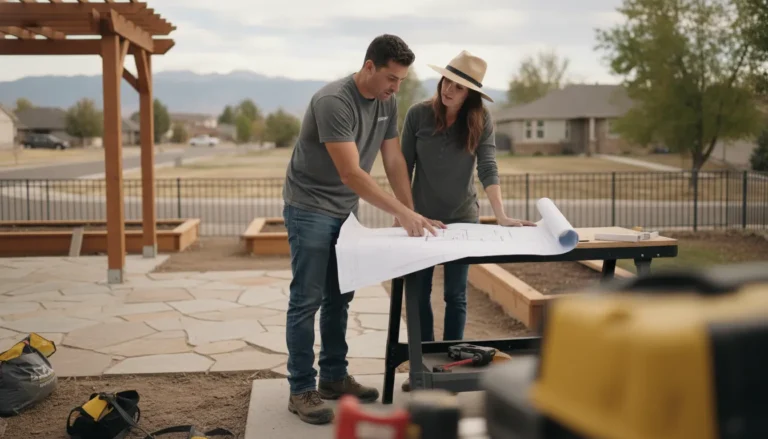
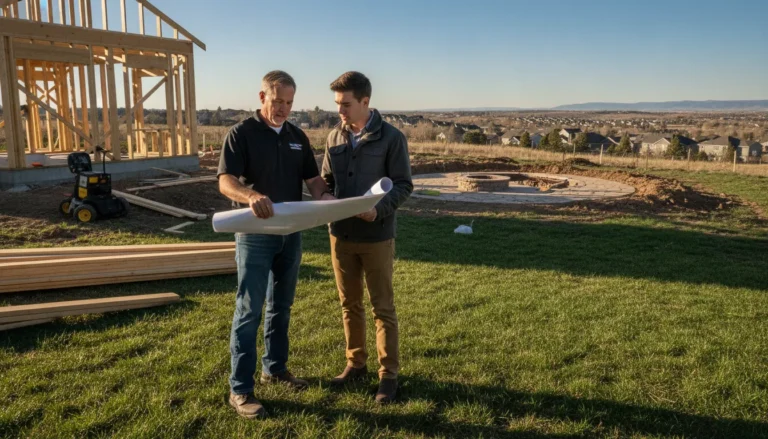
A retaining wall is a structural element, not just a decorative feature. Look for a concrete contractor with specific experience in retaining wall construction, proper licensing, and a portfolio of completed projects in the Denver Metro Area.
At Faros Construction, we bring over 30 years of hands-on experience to every retaining wall project. Owner Ricardo Alfaro personally oversees each build, ensuring the craftsmanship and attention to detail that Denver homeowners deserve.
Creative Retaining Wall Features to Consider
Take your retaining wall from functional to extraordinary with these design upgrades.
Integrated Lighting
LED lights recessed into wall faces or mounted under capstones create stunning nighttime effects. Uplighting highlights wall texture, while downlighting illuminates pathways and planting beds below.
Water Features
A retaining wall provides the perfect backdrop for a cascading water feature. A simple spillway built into the wall face adds the soothing sound of flowing water to your outdoor space.
Built-In Fire Features
Gas-fueled fire elements can be integrated directly into a retaining wall, creating a dramatic focal point for evening entertaining. Linear fire troughs along the wall face or a built-in fire pit at seating level are both popular options.
Planting Pockets
Leave intentional gaps or pockets in a retaining wall for trailing plants like creeping phlox, sedums, or ivy. These living accents soften the wall’s appearance and help it blend with the surrounding landscape.
Mixed Materials
Combine two or more materials for visual interest. A concrete block base with a natural stone veneer face, or timber accents on a stone wall, creates depth and character that a single-material wall can’t achieve.
Transform Your Denver Landscape with the Right Retaining Wall
A well-designed retaining wall solves practical problems while elevating your entire outdoor environment. Whether you need to tame a hillside lot, create a multi-level entertaining space, or simply add curb appeal to your front yard, the right wall design makes all the difference.
The Denver Metro Area’s unique terrain and climate mean that expert construction isn’t optional. It’s essential. From proper drainage and frost-depth footings to material selection that withstands Colorado’s altitude and weather extremes, every detail matters.
Ready to explore retaining wall ideas for your Denver property? Contact Faros Construction today at (720) 234-5946 for a free consultation. With over 30 years of experience building retaining walls across the Denver Metro Area, we’ll help you find the perfect design for your landscape.