
Adding onto your home is one of the largest investments you will make as a homeowner. Whether you are building a new bedroom, expanding a kitchen, adding a second story, or creating a detached accessory dwelling unit, the contractor you choose will determine whether the project delivers lasting value or becomes a source of frustration. In the Denver Metro Area, where the construction market is competitive and demand is strong, knowing how to evaluate and select the right general contractor is essential.
Ready to discuss your home addition project? Contact Faros Construction at (720) 234-5946 for a free consultation with a licensed Denver general contractor.
Why Choosing the Right Contractor Matters More Than Anything Else
A home addition involves structural work, plumbing, electrical, HVAC, permitting, inspections, and finishing. A single mistake in any of these areas can lead to safety hazards, code violations, or work that needs to be torn out and redone. The right contractor brings the expertise to coordinate all of these trades, the licensing to pull permits, the insurance to protect you from liability, and the project management skills to keep everything on schedule.
The wrong contractor, on the other hand, can leave you with incomplete work, blown budgets, substandard craftsmanship, or worse, an abandoned project. Taking the time to vet your contractor thoroughly before signing a contract is the single most important step in your home addition journey.
What to Look for in a Home Addition Contractor
Not all contractors are created equal, and the qualities that matter most go beyond a flashy website. Here is what to prioritize when evaluating contractors for home additions in the Denver Metro Area.
Proper Licensing and Insurance
In Colorado, general contractors are not required to hold a state license, but many Denver Metro Area municipalities require local licensing. Verify that your contractor holds a valid license in the city or county where your project will take place. Additionally, confirm they carry:
- General liability insurance (minimum $1 million per occurrence)
- Workers’ compensation insurance for all employees and subcontractors
- Builder’s risk insurance if applicable for larger projects
Ask for certificates of insurance and verify them directly with the insurance provider. Do not rely on verbal confirmation.
Relevant Experience with Home Additions
General contractors often specialize. A contractor who excels at kitchen remodels may not have the structural engineering relationships or permitting experience needed for a two-story addition. Ask specifically about their experience with projects similar to yours:
- How many home additions have they completed in the past three years?
- Do they have experience with the specific type of addition you are planning (bump-out, second story, ADU, etc.)?
- Have they worked in your municipality and navigated its permitting process?
Strong References and a Verifiable Portfolio
A reputable contractor will readily provide references from recent projects. When you call those references, ask:
- Did the project stay on schedule? If not, how did the contractor handle delays?
- Were there any unexpected changes to the scope or budget, and how were they communicated?
- Would you hire this contractor again?
- How was the quality of the finished work six months or a year later?
Also ask to see completed projects in person if possible. Photos are helpful, but walking through a finished addition tells you much more about the quality of craftsmanship, attention to detail, and finishing work.
Transparent Communication Style
The best contractors are clear communicators. During your initial consultation, pay attention to how the contractor explains the process, answers your questions, and sets expectations. Red flags include:
- Vague answers about timelines or scope
- Reluctance to put details in writing
- Pressure to sign quickly or put down a large deposit immediately
- Dismissing your questions or concerns
A contractor who communicates well during the sales process will almost certainly communicate well during construction.
How to Compare Bids from Home Addition Contractors

Getting multiple bids is standard practice, but comparing them requires more than looking at the bottom line. Here is how to evaluate bids effectively.
Request Detailed, Itemized Estimates
A legitimate estimate for a home addition should break down every major category: demolition, structural work, framing, roofing, plumbing, electrical, HVAC, insulation, drywall, flooring, painting, fixtures, permits, and cleanup. If a bid is a single lump sum with no detail, that is a red flag.
Compare Scope, Not Just Numbers
The lowest bid is often the lowest for a reason. It may exclude items that other bids include, use lower-quality materials, or underestimate the work required. Compare bids line by line:
| What to Compare | Why It Matters |
|---|---|
| Materials specified | Brand names and quality grades vary significantly |
| Permit and engineering fees | Some bids exclude these, adding surprise expenses later |
| Cleanup and disposal | Debris removal can add thousands if not included |
| Warranty coverage | Varies from one year to five years depending on the contractor |
| Payment schedule | Front-loaded payment schedules increase your risk |
Watch for Unusually Low Bids
If one bid is significantly lower than the others, ask the contractor to explain why. The answer may be legitimate (lower overhead, available crew) or concerning (cutting corners, using unlicensed subcontractors, planning to hit you with change orders later).
What Questions to Ask Before Hiring a Home Addition Contractor
Prepare a list of questions for your contractor interviews. These will help you assess competence, reliability, and fit.
Questions About Their Business
- How long have you been in business?
- Are you licensed in this municipality?
- Can you provide proof of insurance and workers’ comp coverage?
- Who will be the project manager on my job, and will I have a single point of contact?
Questions About Your Project
- Have you completed a project like mine before? Can I see examples?
- What is your realistic timeline for this type of addition?
- How do you handle unexpected issues that arise during construction?
- What is your approach to change orders, and how are they documented?
- How do you handle communication during the project? Weekly updates? Daily check-ins?
Questions About the Contract
- What is included in your contract? What is excluded?
- What is your payment schedule?
- What warranties do you offer on materials and workmanship?
- What happens if the project goes over the estimated timeline?
- What is the process for resolving disputes?
For a deeper look at the entire planning process, see our guide on how to plan a building addition from start to finish.
Looking for a contractor you can trust? Schedule a consultation with Faros Construction. Ricardo Alfaro personally oversees every project from start to finish.
Red Flags That Should Make You Walk Away
Not every contractor deserves your business. Watch for these warning signs during your vetting process.
- No written contract. Any contractor who wants to start work based on a handshake or verbal agreement is not protecting either of you.
- Large upfront deposit. A request for more than 10–15% upfront before any work begins is unusual and increases your financial risk.
- No permits pulled. A contractor who suggests skipping permits to save time or money is putting your home, your safety, and your resale value at risk. Permits exist for a reason.
- Cash-only payments. Legitimate contractors accept checks, credit cards, or bank transfers and provide receipts for every payment.
- No physical business address. A contractor operating entirely out of a truck with no office, no yard, and no established presence is harder to hold accountable.
- Pressure tactics. “This offer is only good today” or “I can start tomorrow if you sign now” are tactics that should make you pause.
- Bad online reviews or BBB complaints. Check Google reviews, the Better Business Bureau, and the Colorado Attorney General’s consumer complaints database.
What a Good Home Addition Contract Should Include
Before you sign anything, make sure the contract covers all of the following:
- Complete scope of work with detailed specifications
- Materials list with brands, models, and quality grades
- Total project investment with a clear breakdown
- Payment schedule tied to milestones (not calendar dates)
- Start date and estimated completion date
- Change order process including how additional work is approved and documented
- Warranty terms for both materials and workmanship
- Permit responsibilities (who pulls them and who pays)
- Insurance requirements for the contractor and subcontractors
- Dispute resolution process (mediation, arbitration, or litigation)
- Termination clause explaining how either party can exit the agreement
A clear, comprehensive contract protects both you and your contractor. If a contractor is reluctant to put details in writing, that tells you everything you need to know.
Denver-Specific Considerations for Home Addition Contractors
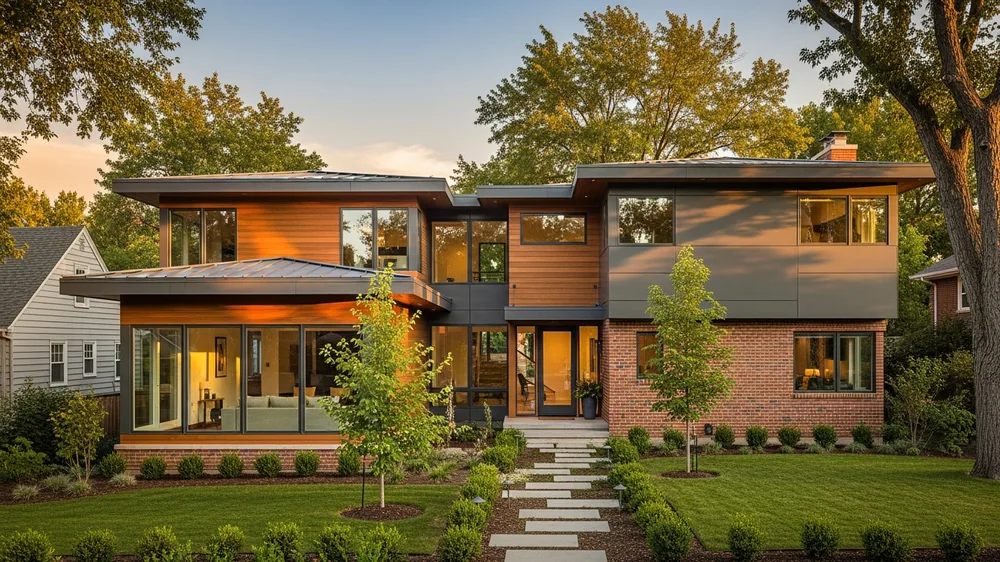
Building in the Denver Metro Area comes with unique requirements that an experienced local contractor will understand.
Permitting and Inspections
Denver and surrounding municipalities each have their own permitting requirements, fee structures, and inspection timelines. A contractor who has built additions in your specific city or county will know the process, the inspectors, and any quirks that can cause delays. They should handle the entire permit application, including structural engineering plans if required.
Climate and Altitude
Colorado’s climate and elevation affect everything from concrete curing to insulation requirements to roof design. A contractor experienced with Denver-area construction knows how to account for temperature swings, UV exposure, dry air, and snow loads. These are not concerns that a contractor from out of state or out of region will naturally anticipate.
Zoning and Setback Requirements
Home additions in Denver must comply with zoning regulations that dictate how far your structure can extend from property lines, height restrictions, and lot coverage maximums. Your contractor should verify zoning compliance before breaking ground, not after. An experienced local contractor can also advise whether your planned addition requires a zoning variance and help you navigate that process.
Learn more about our approach to home building and remodeling in the Denver Metro Area.
Frequently Asked Questions About Hiring a Home Addition Contractor
How many bids should I get for a home addition?
We recommend getting at least three detailed bids from licensed contractors in the Denver Metro Area. This gives you a meaningful basis for comparison and helps you identify outliers, both high and low. More important than the number of bids is the quality: detailed, itemized estimates tell you much more than vague lump-sum quotes.
How long does a home addition take to build in Denver?
Timeline varies significantly by scope. A single-room bump-out addition may take 8–12 weeks, while a second-story addition or ADU can take 4–8 months from groundbreaking to completion. Permitting in the Denver Metro Area can add 2–6 weeks depending on the jurisdiction and the complexity of the plans.
What should I do if my contractor is not meeting expectations?
Start by communicating your concerns in writing. Reference the specific contract terms that are not being met. If the issues persist, consult with a construction attorney before taking further action. In Colorado, homeowners have legal protections under the Colorado Construction Defect Action Reform Act (CDARA), but early communication resolves most issues without legal action.
Do I need an architect for a home addition?
For simple bump-out additions, your general contractor may be able to work with a structural engineer and produce the required plans. For larger additions, second stories, or complex designs, hiring an architect is recommended. An architect brings design expertise, helps maximize the use of space, and ensures the addition integrates visually with the existing structure.
Should I hire a specialist or a general contractor for my home addition?
A general contractor is the right choice for most home additions because the project requires coordination across multiple trades: structural, framing, plumbing, electrical, HVAC, roofing, and finishing. The general contractor manages all subcontractors, handles scheduling, and serves as your single point of contact. Choose a GC with specific experience in home additions, not just general residential construction.
Take the First Step Toward Your Home Addition
Choosing the right contractor is the most critical decision in your home addition project. By vetting thoroughly, comparing bids carefully, asking the right questions, and insisting on a detailed contract, you set yourself up for a successful outcome that adds real value to your Denver home.
At Faros Construction, Ricardo Alfaro personally oversees every home addition project from the initial consultation through the final walkthrough. With over 30 years of experience in residential construction throughout the Denver Metro Area, we deliver the quality craftsmanship, transparent communication, and accountability that homeowners deserve.
Contact Faros Construction today at (720) 234-5946 to schedule your free consultation and start planning your home addition with confidence.
{“@context”: “https://schema.org”, “@type”: “FAQPage”, “mainEntity”: [{“@type”: “Question”, “name”: “How many bids should I get for a home addition?”, “acceptedAnswer”: {“@type”: “Answer”, “text”: “We recommend getting at least three detailed bids from licensed contractors in the Denver Metro Area. More important than the number of bids is the quality: detailed, itemized estimates tell you much more than vague lump-sum quotes.”}}, {“@type”: “Question”, “name”: “How long does a home addition take to build in Denver?”, “acceptedAnswer”: {“@type”: “Answer”, “text”: “A single-room bump-out addition may take 8-12 weeks, while a second-story addition or ADU can take 4-8 months. Permitting in the Denver Metro Area can add 2-6 weeks.”}}, {“@type”: “Question”, “name”: “What should I do if my contractor is not meeting expectations?”, “acceptedAnswer”: {“@type”: “Answer”, “text”: “Start by communicating your concerns in writing and reference specific contract terms. If issues persist, consult a construction attorney. Colorado homeowners have protections under CDARA.”}}, {“@type”: “Question”, “name”: “Do I need an architect for a home addition?”, “acceptedAnswer”: {“@type”: “Answer”, “text”: “For simple bump-out additions, your general contractor may work with a structural engineer. For larger additions, second stories, or complex designs, hiring an architect is recommended.”}}, {“@type”: “Question”, “name”: “Should I hire a specialist or a general contractor for my home addition?”, “acceptedAnswer”: {“@type”: “Answer”, “text”: “A general contractor is the right choice for most home additions because the project requires coordination across multiple trades. Choose a GC with specific experience in home additions.”}}]}