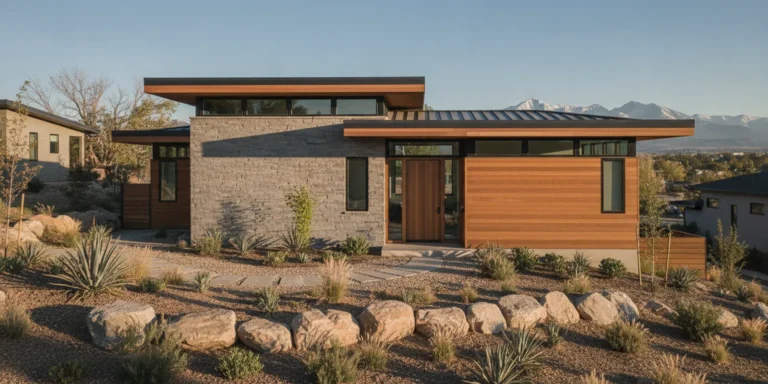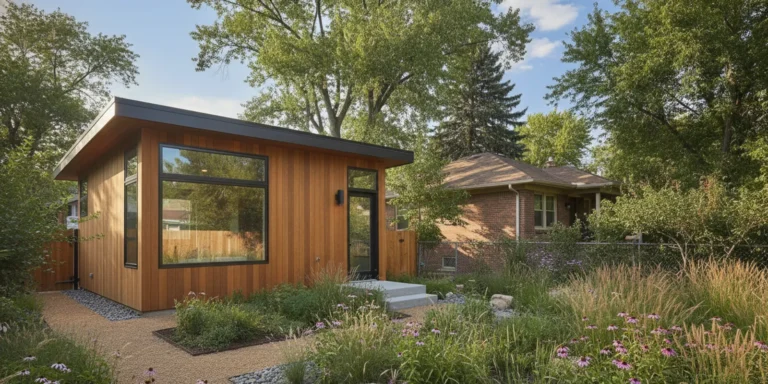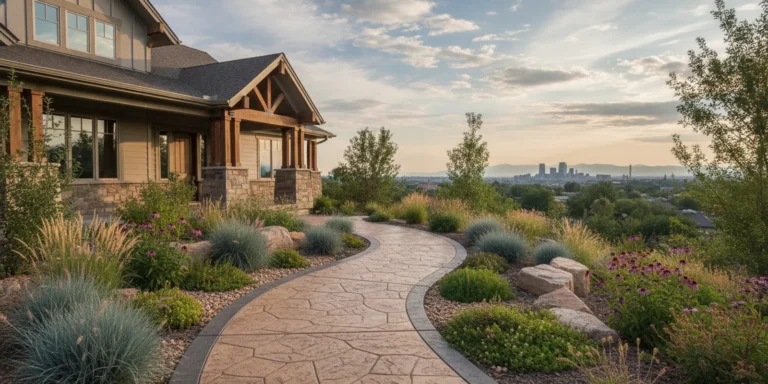

With irrigation restrictions in place across Denver this summer, homeowners are being encouraged to take a closer look at how they use water outdoors. It’s a great time to consider transitioning to water-free landscaping solutions that not only align with local guidelines, but also help reduce maintenance, lower utility costs, and create a more sustainable yard.
🧱 1. Plan & Measure
- Measure your area (length × width)
- Order ~10% extra turf for cuts and waste
- Plan drainage (very important in places like Denver with freeze/thaw cycles)

🚜 2. Remove Existing Surface
- Strip out grass, weeds, rocks, and debris
- Excavate 3–4 inches deep (sometimes 4–6″ for heavy-use areas or poor soil)

🧵 3. Install Weed Barrier
- Lay down a high-quality geotextile fabric
- Prevents weeds from growing through the turf

🪨 4. Build the Base (MOST IMPORTANT STEP)
- Add Class 6 road base or crushed granite
- Install in lifts (2″ at a time)
- Compact with a plate compactor
👉 Target:
- Total base depth: 3–4 inches
- Compaction: very firm (no footprints when you walk on it)
- 💡 Slight slope (1–2%) away from your house helps with drainage

📏 5. Add Bedding Layer
- Spread ½–1 inch of decomposed granite (DG) or fine crusher dust
- Lightly compact and screed smooth

✂️ 6. Lay the Turf
- Roll out artificial grass
- Let it sit in the sun for 30–60 minutes to relax wrinkles
- Make sure all blades face the same direction

🔗 7. Seam Multiple Pieces (if needed)
- Use seam tape + turf adhesive
- Press firmly and let cure

🔨 8. Secure the Edges
- Use 6–7″ landscape nails or spikes
- Space every 6–8 inches along edges
- Also pin seams and high-traffic areas

🪶 9. Add Infill
- Spread silica sand or antimicrobial infill
- Typical: 1–2 lbs per sq ft
- Brush in with a stiff broom or power broom
👉 Infill helps:
- Keep blades upright
- Add weight
- Improve durability

🧹 10. Final Grooming
- Brush turf against the grain to fluff fibers
- Hose lightly to settle infill
💰 Typical Cost (Colorado Range)
- DIY: $5–$9/sq ft
- Installed: $10–$18/sq ft

⚠️ Common Mistakes to Avoid
- Skipping proper compaction → leads to dips and uneven surface
- Not adding enough base → poor drainage, sinking
- Wrong infill → turf looks flat quickly
- Poor seams → visible lines

🧠 Pro Tips (from a construction standpoint)
- In clay-heavy soils (common around Aurora), go thicker on base (4–6″)
- Install edging (metal or bender board) for clean borders
- For pets: use antimicrobial infill + rinse system
- Avoid installing directly on concrete unless you add drainage padding