
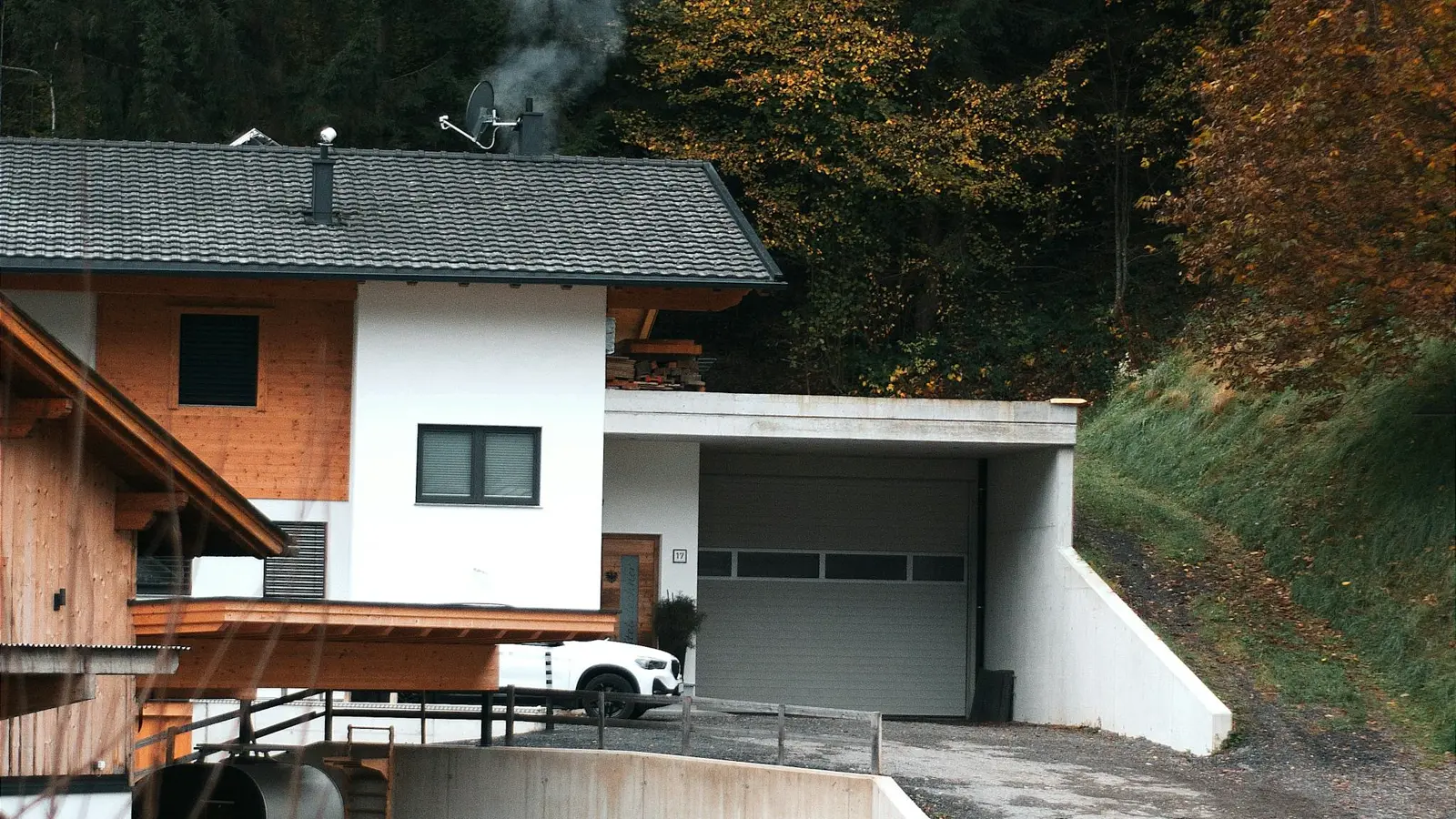
Building a detached garage in Denver is one of the smartest investments a homeowner can make. Whether you need covered parking, a workshop, extra storage, or a foundation for a future accessory dwelling unit (ADU), a well-built detached garage adds function and value to your property. But before you break ground, you need to understand what it costs, what permits Denver requires, and how local zoning rules affect your plans.
Get a free quote for your Denver detached garage project from Faros Construction.
This guide walks you through everything you need to know about detached garage construction in the Denver metro area, from cost breakdowns and permit steps to design options and the ADU angle that many homeowners overlook.
What Does a Detached Garage Cost in Denver?
Detached garage costs in Denver vary based on size, materials, foundation type, and whether you add plumbing or electrical. According to Angi’s 2026 data, the average cost to build a garage in Denver is around $28,900, with most projects falling between $19,100 and $38,700. Per-square-foot costs range from $29 to $118, with $49 per square foot as the metro average. Simple builds sit at the low end, while high-end detached garages with full utilities and finished interiors push toward the top.
Here is how costs break down by garage size in the Denver area:
| Garage Size | Approximate Sq Ft | Estimated Cost Range | Best For |
|---|---|---|---|
| 1-Car Garage | 200 – 300 sq ft | $15,000 – $28,000 | Single vehicle, basic storage |
| 2-Car Garage | 400 – 576 sq ft | $28,000 – $55,000 | Two vehicles, workshop space |
| 3-Car Garage | 600 – 900 sq ft | $50,000 – $90,000 | Multiple vehicles, large workshop, storage |
These ranges assume a concrete slab foundation, wood or steel framing, standard roofing, and a garage door. Several factors push costs higher in Denver specifically:
- Foundation work: Colorado’s expansive clay soils often require engineered foundations, adding $4 to $8 per square foot depending on soil conditions. A Denver concrete foundation contractor can assess your site and recommend the right approach. For a deeper look at foundation pricing, read our guide on the cost to build a foundation in Colorado.
- Insulation for altitude climate: Denver sits at 5,280 feet with temperature swings from below zero in winter to 95+ degrees in summer. Proper insulation (R-19 walls, R-38 ceiling) adds $2,000 to $5,000 but pays for itself if you plan to use the space year-round.
- Electrical and plumbing: Adding a subpanel, lighting, outlets, and a utility sink typically costs $3,000 to $8,000. If you want to heat the space or run power tools, plan for this upfront.
- Permits and engineering: Denver building permits for a detached garage start at $220 (base fee) plus $8 per $1,000 of project value above $25,000, plus a 50% plan review fee on top. A 2-car garage valued around $40,000 typically runs $800 to $1,500 in total permit costs.
A detached garage also adds resale value. Industry data shows garages can add $12,000 to $36,000 to a home’s sale price depending on size and condition, making it one of the highest-ROI home construction projects you can take on.
How Do You Get a Garage Building Permit in Denver?
Denver requires a building permit for any new detached garage. The City and County of Denver’s Community Planning and Development (CPD) department handles all residential permits. You will also need a Sewer Use and Drainage Permit (SUDP) since detached garages have specific stormwater drainage requirements. Here is the typical process:
- Site survey and plans: You need a site plan showing the garage location relative to property lines, the main house, and any other structures. Most projects also need construction drawings showing the foundation, framing, electrical, and roofing details.
- Zoning review: CPD reviews your plans to confirm the garage meets setback requirements, height limits, and lot coverage maximums for your zone district.
- SUDP application: Denver requires a separate drainage permit for detached garages to manage stormwater runoff. Downspouts must be at least 3 feet from adjacent properties, and drainage conveyance must sit at least 1 foot from property lines.
- Permit application: Submit your plans through Denver’s online permitting portal (Denver ePlan) or in person. Residential garage permits typically take 2 to 6 weeks for review, though backlogs can push this longer during busy building seasons.
- Trade permits: If you are adding electrical, plumbing, or mechanical systems to the garage, you need separate trade permits for each. These run concurrently with the building permit review.
- Inspections during construction: Expect at least four inspections: foundation/footing, framing, electrical rough-in, and final inspection.
- Certificate of occupancy: After passing final inspection, you receive a certificate confirming the garage meets all code requirements.
The process is similar to the requirements for building a home addition in Denver. Your general contractor should handle the entire permit process as part of the project. At Faros Construction, we manage all permitting and planning so you can focus on design decisions instead of paperwork.
One important note: building without a permit is illegal in Denver and can result in fines, mandatory demolition, and problems when selling your home. Always pull permits, even for a simple garage.
Denver Zoning Rules: Setbacks, Lot Coverage, and Height Limits
Before designing your detached garage, you need to know what Denver’s zoning code allows on your specific lot. Denver’s zoning rules for detached accessory structures are governed by Section 5.3.4 of the Denver Zoning Code. The rules vary by zone district, but here are the general guidelines for most residential properties:
- Rear setback: In most Denver single-unit (SU) residential zones, detached garages must sit at least 12 feet from the rear property line if your lot has alley access, or 20 feet if there is no alley. This is larger than many homeowners expect.
- Side setback: A minimum of 5 feet from any side property line, with a combined total of at least 10 feet for both sides.
- Separation from the main house: Denver code requires at least 6 feet of separation between a detached garage and the primary dwelling, though this varies by zone.
- Maximum height: Detached garages located in the rear 35% of the lot are limited to 17 feet. You can gain an extra foot of height for every 3 feet of additional side setback beyond the minimum, up to a maximum of 19 feet.
- Lot coverage: Most Denver residential zones cap total building coverage (all structures combined) at 37.5% to 50% of the lot area. Your new garage footprint counts toward this total.
These numbers directly affect how large your garage can be and where it can sit on your lot. For example, a 6,000-square-foot lot with a 37.5% coverage limit means a maximum of 2,250 square feet of total building footprint, including your house, shed, and new garage. If your house already covers 1,800 square feet, you have 450 square feet left for the garage.
If your home is in a designated historic district, there may be additional design review requirements from Denver Landmark Preservation. And if you have an HOA, you will need their approval before submitting to the city. For tips on navigating this process, our guide on how to choose a contractor covers what to look for in a builder who knows the local approval process.
Foundation Requirements for Colorado’s Expansive Soil
Colorado’s Front Range sits on expansive clay soils that swell when wet and shrink when dry. This soil movement can crack foundations, shift walls, and create structural problems if the foundation is not designed correctly. For a detached garage in Denver, foundation planning is not a step you skip.
Denver’s building code requires footings for unheated detached garages to reach the full frost depth, which is approximately 36 inches in the Denver metro area. This prevents frost heave from lifting and cracking the foundation during Colorado’s freeze-thaw cycles.
Most detached garages in Denver use one of three foundation types:
- Monolithic slab: The most common and cost-effective option for basic garages. The slab and footing are poured together in a single pour. Works well on stable soil, but may not be suitable for lots with significant clay content.
- Stem wall foundation: A separate footing and short wall support the slab above. This design handles expansive soil better because the footings extend below the frost line and resist soil movement. This is the recommended approach for most Denver properties.
- Pier and grade beam: The strongest option for problem soils. Concrete piers drilled deep into stable ground support a reinforced beam that carries the garage structure. More expensive but eliminates soil movement issues entirely.
A geotechnical soil report typically costs $1,500 to $3,000 and is recommended before building any structure in the Denver metro area. The report identifies your soil type, moisture content, and expansion potential, which determines the right foundation design. If your property has severe expansive soil, mitigation options include soil removal and replacement, pier systems, or over-excavation with structural fill.
Also worth noting: if your new garage sits within 2 feet of an existing sewer line, Denver requires that section of sewer to be replaced with Schedule 40 PVC pipe. Your contractor should verify sewer line locations during site planning. For more on working with experienced residential foundation contractors, see our hiring guide.
Design Options: Sizing, Materials, and Add-Ons
Your detached garage does not have to be a plain box. Denver homeowners have a wide range of design options that can turn a simple garage into a true asset. Here are the key decisions:
Sizing and Layout
Standard garage dimensions in Denver:
| Configuration | Interior Dimensions | Notes |
|---|---|---|
| 1-Car | 12′ x 22′ minimum | Tight fit for larger trucks and SUVs |
| 1-Car (oversized) | 14′ x 24′ | Room for a workbench along one wall |
| 2-Car | 22′ x 24′ | Standard for most Denver homes |
| 2-Car (oversized) | 26′ x 28′ | Workshop space plus two vehicles |
| 3-Car | 32′ x 24′ | Three bays or two bays plus dedicated workshop |
If you drive a full-size truck or SUV (common in Colorado), size up. A standard 1-car garage at 12 by 20 feet barely fits a Ford F-150, leaving no room to open doors comfortably or store anything else.
Materials
Common materials for detached garages in Denver include:
- Wood framing with LP SmartSide or fiber cement siding: The most popular choice. Durable, paintable, and resistant to Colorado’s dry climate. Fiber cement handles UV exposure and temperature swings well.
- Steel framing with metal panels: Lower cost and faster to build. Good for workshops and storage-focused garages. Less ideal for residential neighborhoods with HOA design requirements.
- Concrete block (CMU): Fire-resistant and low maintenance. More expensive but a strong option if you want maximum durability or plan to convert to living space later.
Popular Add-Ons
- Workshop space: Dedicated workbench area, pegboard walls, overhead storage, and 220V outlets for power tools. Budget an extra $3,000 to $6,000 for a proper workshop setup.
- Storage loft: A loft above the parking area can add 200+ square feet of storage for seasonal items, holiday decorations, and outdoor gear. Adds $2,000 to $5,000 depending on access (pull-down stairs vs. fixed staircase).
- EV charging station: As Colorado pushes for electric vehicle adoption, a Level 2 EV charger (240V, 40-50 amp) is a smart addition. Installation typically costs $1,000 to $2,500 including the subpanel upgrade.
- Heating and cooling: A ductless mini-split system can keep your garage comfortable year-round for $3,000 to $5,000 installed. Worth the investment if you work in the space regularly.
Beyond the garage itself, consider how the new structure fits into your overall outdoor space. Many Denver homeowners pair a new garage with a deck, pergola, or porch to create a connected backyard layout. Our outdoor living spaces team can help plan a design that works as a whole.
Can a Detached Garage Become an ADU in Denver?
Yes, and this is one of the smartest reasons to build a detached garage in Denver right now. Denver’s zoning code allows one accessory dwelling unit (ADU) per residential lot, and a detached garage can serve as the structural foundation for a future ADU, saving tens of thousands of dollars compared to building from scratch.
Here is what you need to know about the garage-to-ADU connection:
- Pre-built structure: If you build your garage with a stem wall or pier foundation, insulation, and utility connections, converting it to an ADU later requires adding a bathroom, kitchenette, and interior finishes rather than starting from the ground up.
- Rental income potential: Denver ADUs can generate $1,200 to $2,500+ per month in rental income depending on the neighborhood, size, and finishes.
- Property value increase: Homes with ADUs in Denver typically sell for 20% to 35% more than comparable homes without one.
- Owner occupancy requirement: In single-unit zones, the property owner must live in the primary residence when adding an ADU. This is a Denver-specific rule worth understanding early.
- Separate permits required: Converting a garage to an ADU requires its own zoning permit, building permit, and SUDP. You will also need a Certificate of Occupancy for the living space. Denver Water may require a new water license.
If you are even considering an ADU down the road, plan your garage construction accordingly. Build with a taller ceiling (9-foot minimum), run plumbing rough-ins during initial construction, and use an insulated foundation system. These upfront investments cost a fraction of what retrofitting would.
Read our guides on Denver ADU requirements and garage-to-ADU conversion costs for the full picture. If you are ready to explore this path, our ADU builders in Denver guide can help you find the right team, or check out our custom ADU design and build services.
How to Plan Your Detached Garage Project From Start to Finish
A successful detached garage build in Denver follows a clear sequence. Rushing any step leads to cost overruns, permit delays, or structural problems. The planning process for a building addition applies here as well. This is how the timeline typically works:
- Define your needs: List everything the garage must do. Parking only? Workshop? Storage? Future ADU? Your answer drives the size, layout, and budget.
- Check your lot: Review your property survey and zoning district. Calculate available building coverage and confirm setback clearances. If you do not have a recent survey, order one ($400 to $800).
- Set a realistic budget: Use the cost table above as a starting point, then add 10% to 15% for contingencies. Denver construction costs fluctuate with lumber and concrete prices. For context on broader Colorado pricing, see our breakdown of the cost to build in Colorado.
- Hire an experienced general contractor: Look for a Denver general contractor who has built detached garages in your area and understands local soil conditions, zoning, and permit requirements. Our concrete contracting team handles everything from slab pours to full garage builds.
- Design and engineering: Work with your contractor on plans that meet your needs and fit your lot. For garages over 600 square feet or with a loft, structural engineering drawings are typically required.
- Permit and build: Your contractor submits permit applications, schedules inspections, and manages the build from foundation to final walkthrough.
The typical timeline for a detached garage in Denver is 3 to 5 months from permit application to completion, depending on size, complexity, and the city’s review backlog. The construction portion alone runs 4 to 8 weeks for a standard 2-car garage.
Ready to start planning your detached garage? Get a free quote from Faros Construction today.
Frequently Asked Questions
How much does it cost to build a detached garage in Denver?
The average cost is around $28,900, with most projects falling between $19,100 and $38,700 according to 2026 local data. A standard 2-car garage with a concrete slab, wood framing, and basic finishes runs $28,000 to $55,000. Costs increase with insulation, electrical, plumbing, and premium materials.
Do I need a permit to build a detached garage in Denver?
Yes. The City and County of Denver requires a building permit and a Sewer Use and Drainage Permit (SUDP) for all new detached garages. You will also need trade permits if adding electrical, plumbing, or mechanical systems. Total permit fees typically run $800 to $1,500 and review takes 2 to 6 weeks.
How close to the property line can I build a detached garage in Denver?
In most SU residential zones, you need at least 12 feet from the rear property line (with alley access) or 20 feet without alley access. Side setbacks require at least 5 feet from each side property line, with a combined minimum of 10 feet. Check your specific zone district with Denver CPD or your contractor.
Can I convert a detached garage into an ADU in Denver?
Yes. Denver allows one ADU per residential lot. A detached garage with proper foundations, insulation, and utility rough-ins can be converted to a living space. The conversion typically costs $50,000 to $100,000 depending on the existing structure and desired finishes. The property owner must occupy the primary residence in single-unit zones.
How long does it take to build a detached garage in Denver?
Plan for 3 to 5 months from permit submission to completion. Permit review takes 2 to 6 weeks, and construction runs 4 to 8 weeks for a standard 2-car garage. Larger or more complex projects with lofts, ADU prep, or specialty finishes may take longer.
What type of foundation does a detached garage need in Denver?
Most Denver garages use either a monolithic slab or a stem wall foundation. Because of Colorado’s expansive clay soils, a stem wall with footings below the 36-inch frost line is recommended for long-term stability. A geotechnical soil report ($1,500 to $3,000) helps determine the best foundation type for your lot.
Build Your Denver Detached Garage the Right Way
A detached garage is a major addition to your property, and getting it right means understanding Denver’s unique combination of zoning rules, soil conditions, and climate demands. Whether you are building a simple 1-car garage or a 3-car structure with workshop space and ADU potential, the planning you do upfront determines the result.
Faros Construction has been building quality structures across the Denver metro area for over 30 years. Owner Ricardo Alfaro personally oversees every project from the initial planning stage through final walkthrough, and our team handles permits, engineering, and construction so you get a garage built to last. As a trusted outdoor construction company in Denver, we bring the same attention to detail to garages that we do to every project.
Contact Faros Construction for a free quote on your detached garage project.