Hot Tub Installation Denver: A Homeowner Guide
A hot tub can turn a Denver backyard into a true four-season retreat, but the best results start long before delivery day. Homeowners need to think through the spa type, base, electrical path, deck strength, drainage, access, permits, and winter use as one connected project. In Colorado, freeze-thaw movement, high UV exposure, snow loads, and tight side yards can all affect how a spa should be placed and supported.
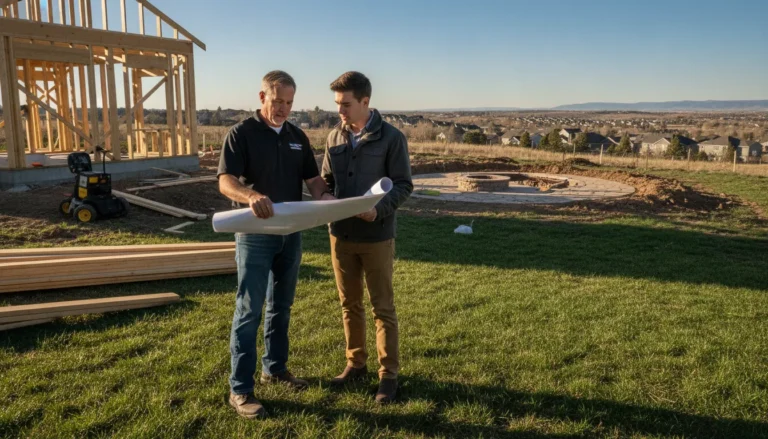
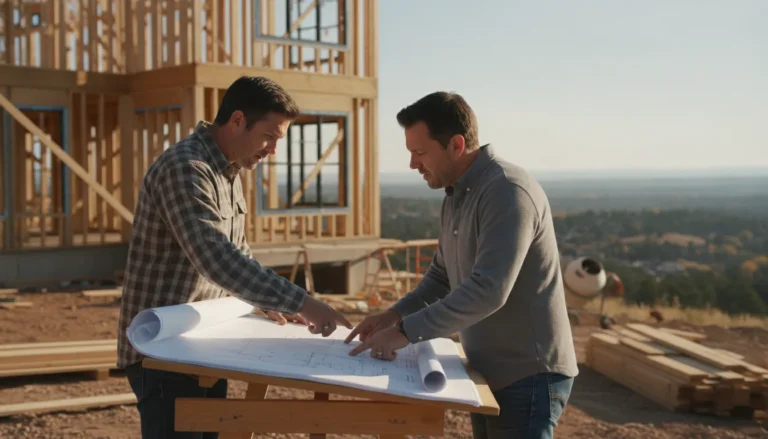
Planning a hot tub installation in Denver? Get a free quote from Faros Construction Services to review your deck, patio, concrete pad, and outdoor living layout before the spa arrives.This guide explains what Denver homeowners should know before installing a portable hot tub, in-ground spa, or swim spa, including when to coordinate spa installation Denver site work with electrical planning. It also shows where a general contractor fits into the process, especially when the project involves a reinforced deck, new concrete pad, privacy structure, walkway, patio expansion, or a larger
outdoor living space.
Start With the Type of Hot Tub or Spa
The right installation plan depends on the spa style. A small plug-in tub has very different site needs than an in-ground spa integrated into a patio. Before comparing finishes, seats, or jets, decide which category fits the way you want to use the space.
Portable hot tubs
Portable hot tubs are self-contained units that sit above grade on a stable base. Many Denver homeowners choose this option because it can be placed on a patio, concrete slab, or properly engineered deck. Even though the unit is called portable, a filled spa can become extremely heavy once water and people are added. That weight is why the base matters.A portable spa usually needs a flat, level, well-drained surface and a clear electrical route. It also needs enough space around the cabinet for future service access. Placing the tub too close to a fence, wall, or railing can make repairs harder later.
In-ground and partially recessed spas
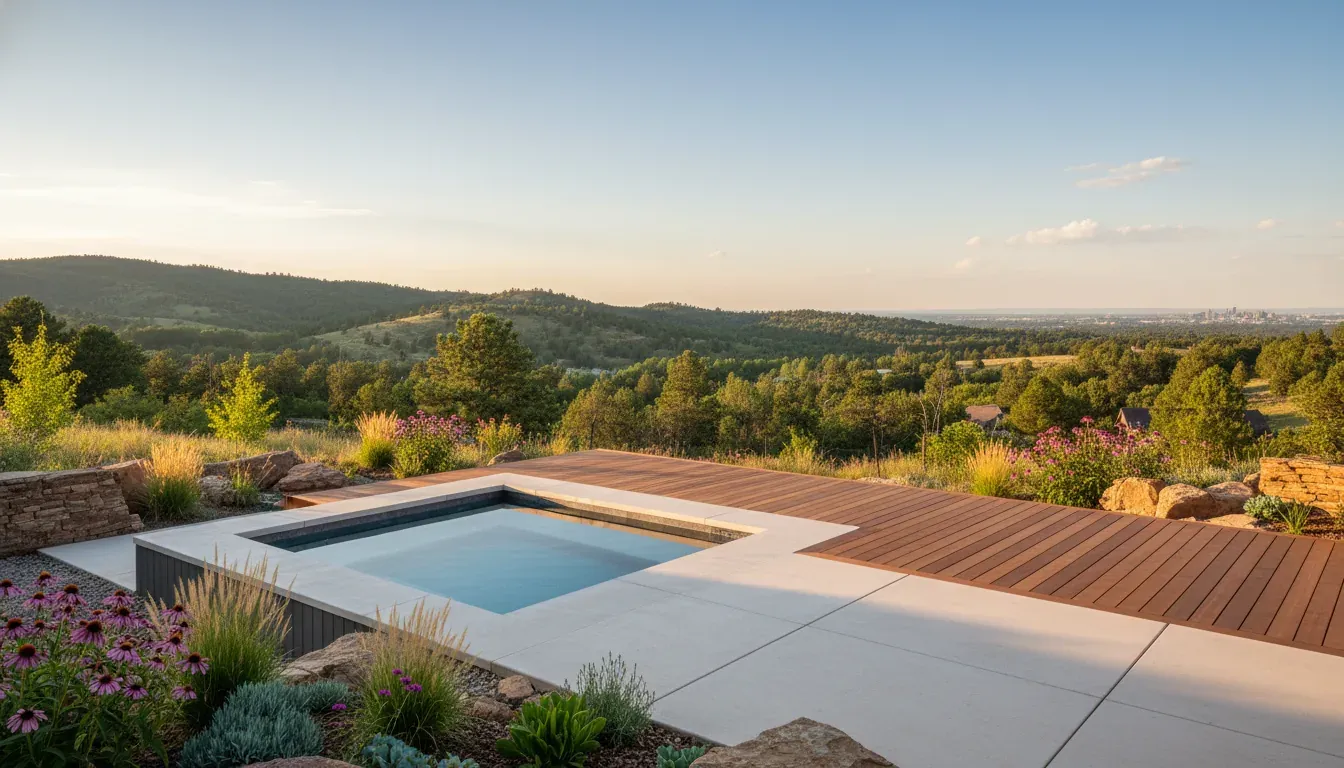
In-ground and partially recessed spas create a built-in look. They can be beautiful when paired with stone, pavers, concrete, decking, steps, and landscape lighting. They also require more planning. Excavation, drainage, retaining edges, utility routing, and service access must be coordinated before the finish surfaces go in.For Denver yards with slope, clay soils, or tight drainage patterns, a recessed spa should be planned carefully so water does not collect around the equipment vault or foundation. A construction team can help align the spa with surrounding
hardscape and landscape features so the finished space drains correctly and feels intentional.
Swim spas
Swim spas are longer, heavier, and more demanding than standard hot tubs. They can be used for exercise, therapy, and family recreation, but the structural requirements are more serious. A swim spa often needs a substantial concrete base, carefully planned access for delivery equipment, and dedicated space for safe entry and exit.If you are considering a swim spa, plan the site before purchasing the unit. Dimensions, loaded weight, service clearances, and crane or dolly access can determine whether the chosen location is realistic.
Where Should a Hot Tub Go in a Denver Yard?
Good placement balances convenience, privacy, views, safety, and maintenance. The most attractive corner of the yard is not always the best location if it creates electrical headaches, poor drainage, or difficult winter access.
- Close enough to the house: A shorter walk matters during snow, wind, and cold nights. Many homeowners use the spa more when it is easy to reach from a back door.
- Not too close to openings: Steam and moisture should not constantly blow into doors, windows, or vents.
- Service access: Leave room for cabinet panels, pumps, heaters, and controls to be reached without dismantling the surrounding structure.
- Drainage: Meltwater, rain, and drained spa water need a safe path away from foundations, retaining walls, and low spots.
- Privacy: Pergolas, screens, fencing, and planting beds can make the spa feel more secluded without trapping snow or blocking service panels.
- Delivery access: Gates, stairs, slopes, overhead wires, and tight corners can all affect how the spa reaches the final location.
Denver lots often require compromise. In an older neighborhood, a narrow side yard may limit delivery. In a newer subdivision, HOA rules may affect privacy screens or pergolas. In foothills-adjacent areas, slope and drainage can be the deciding factors. A site assessment helps catch these issues early.
Concrete Pad, Patio, or Deck: Which Base Works Best?
The base is one of the most important parts of a hot tub installation. A spa needs a level surface that can support concentrated weight for years without settling, twisting, or holding water against the cabinet.
Concrete pads
A dedicated concrete pad is often the most straightforward support option. It can be formed to the right dimensions, reinforced for the expected load, and sloped around the area for drainage while keeping the spa footprint level. For many Denver homeowners, a new pad can also connect to an existing walkway or patio so the spa feels like part of the yard instead of an afterthought.Faros Construction Services builds concrete surfaces for patios, walkways, and outdoor living areas throughout the Denver metro area. If the spa will sit on new concrete, the pad should be planned with equipment access, step placement, drainage, and surrounding finishes in mind. Learn more about related concrete work on the
concrete contractor page.
Existing patios
An existing patio may work if it is level, structurally sound, and large enough for the tub plus safe movement around it. Cracked, thin, uneven, or poorly drained concrete should be evaluated before delivery. Setting a spa on a weak patio can lead to cabinet stress, uneven waterline, and long-term settling.
Deck installations
A deck can be an excellent location when it is designed for the load. The key phrase is designed for the load. A standard deck built for normal foot traffic may not be ready for a filled hot tub. Joist size, beam span, post footings, ledger attachment, bracing, and load path all matter.If you want the spa on or next to a deck, have the structure reviewed before choosing the final layout. Sometimes the best solution is a reinforced deck area. In other cases, the spa sits on a ground-level concrete pad with the deck built around it for a recessed look. Faros can help coordinate this kind of deck integration through its
decks, pergolas, and porches services.
Want the spa to feel built in, not dropped in? Contact Faros Construction Services to plan the pad, deck, steps, railing, and privacy details together.Electrical Requirements Denver Homeowners Should Expect
Most full-size hot tubs need a dedicated 240-volt circuit installed by a qualified electrical professional, which is why many homeowners search for a hot tub electrician Denver before finalizing the site plan. Smaller plug-in models may use a standard outlet, but many homeowners choose larger units that require more electrical planning. Water and electricity create serious safety concerns, so this is not a place for guesswork.The Denver Residential Code includes requirements for wiring and equipment associated with hot tubs and spas. Ground-fault protection is a central safety requirement, and receptacle locations, disconnect placement, bonding, lighting clearances, and equipment access can all affect the installation. Denver permitting guidance also notes that homeowners doing electrical work may need to meet specific eligibility and exam requirements, while licensed contractors can pull trade-specific permits for their scope.Common electrical planning items include:
- A dedicated 240-volt circuit for many full-size spas
- GFCI protection for spa outlets and related equipment
- A properly located disconnect that is accessible but not too close to the water
- Weather-rated conduit, fittings, boxes, and panels for outdoor exposure
- Bonding and grounding for metal parts near the spa
- Inspection timing before trenches are backfilled or equipment is energized
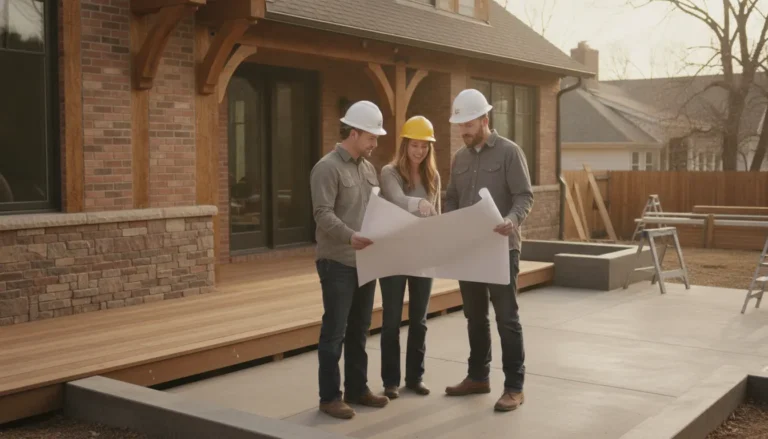
Faros is not a substitute for a licensed electrician when a dedicated spa circuit is required. The value of a general contractor is coordination. The electrical route needs to work with the concrete pad, deck framing, trenching, drainage, access panels, and final finish surfaces. Coordinating these pieces helps prevent rework.
Permits, HOA Rules, and Local Review
Hot tub projects can trigger different requirements depending on the property, the spa type, and the work involved. A simple above-grade spa on an existing approved surface may be different from a new deck, new electrical circuit, retaining wall, covered structure, or recessed installation.Denver homeowners should check permit needs before work begins. Electrical work commonly requires review. New structural work, deck changes, concrete work tied to drainage, plumbing connections, or site alterations may also need attention. If you live outside Denver, nearby cities such as Aurora, Lakewood, Littleton, Arvada, Westminster, Centennial, Parker, or Castle Rock may follow their own review process.HOA rules can also shape the project. Some communities regulate fence height, privacy screens, pergolas, equipment noise, exterior lighting, and visible accessories. Getting those answers early keeps the design practical.
How Colorado Weather Changes the Plan
Denver is a strong hot tub market because cool evenings and winter weather make warm water appealing for much of the year. The same climate that makes a spa enjoyable also makes installation details more important.
Freeze-thaw movement
Concrete, soil, pavers, and drainage systems all respond to freeze-thaw cycles. A stable base and proper water management reduce the chance of movement around the spa. Water should not sit under the pad, against deck posts, or near the house.
Snow and ice access
Think about how you will reach the tub in January. Steps, handrails, lighting, and a clear path from the door can make winter use safer and more realistic. A beautiful spa at the far edge of the yard may get less use if the route becomes icy or inconvenient.
UV exposure
Denver sun can be hard on covers, cabinets, stains, and surrounding materials. Shade structures, pergolas, and durable finishes can help protect the area while making the spa more comfortable in summer.
High-altitude performance
At higher elevation, air is thinner and winter nights can be demanding on heaters and covers. Homeowners should choose an insulated model suited for Colorado use and plan wind protection where possible. A cover lifter, nearby storage, and a sheltered approach can make routine use easier.
What Should Be Planned Around the Spa?
A hot tub is rarely just a hot tub. It becomes part of how people move through the backyard. The best projects plan the supporting features at the same time as the spa location.
- Steps and landings: Safe entry matters, especially when surfaces are wet or icy.
- Privacy screens: Screens can block neighboring views while adding design character.
- Pergolas: A pergola can provide shade, define the spa zone, and support lighting.
- Walkways: A stable route from the house keeps dirt, snow, and water under control.
- Lighting: Low-glare lighting improves safety without overwhelming the yard.
- Storage: Towels, chemicals, cover accessories, and cleaning tools need a convenient place.
- Drainage: Plan where water goes when the tub is drained or splashed out.
For many homeowners, the spa is one piece of a larger upgrade that may include a patio, fire feature, outdoor kitchen, deck extension, or seating area. That broader view helps the finished space feel cohesive.
Installed Investment Ranges to Keep in Mind
Every project is different, and Faros provides custom quotes after reviewing the site and scope. As a general planning range, a very simple plug-in setup on an existing suitable surface may require only a few thousand dollars beyond the spa itself. A full-size portable spa with a new pad, electrical coordination, steps, screening, and finish work can move into the mid five figures. In-ground spas, swim spas, structural deck upgrades, crane delivery, and larger outdoor living packages can exceed $25,000 installed.The biggest budget drivers are usually site preparation, structural support, electrical distance, access, drainage, finish materials, and whether the spa is part of a broader backyard build. The lowest number on paper is not always the best value if it skips load support, drainage, or safe electrical coordination.
Denver Hot Tub Installation Checklist
Use this checklist before ordering a spa or scheduling delivery:
- Choose the spa type and confirm loaded weight, dimensions, and service clearances.
- Confirm the delivery path from street to final location.
- Decide whether the base will be a new concrete pad, existing patio, reinforced deck, or recessed structure.
- Have deck framing reviewed if the spa will sit on a deck.
- Plan drainage away from the home, pad, deck posts, and equipment.
- Coordinate a licensed electrician for dedicated circuit, GFCI protection, disconnect, bonding, and inspection needs.
- Check Denver, city, county, and HOA requirements before work begins.
- Plan steps, handrails, lighting, cover access, privacy, and winter pathway safety.
- Leave service access around the equipment side of the spa.
- Schedule concrete, deck, hardscape, and electrical work in the right order.
Before you buy the tub, make sure the site is ready for it. Get a free quote from Faros Construction Services for the concrete, deck, patio, and outdoor living work around your spa installation.Common Questions About Spa Installation in Denver
Can a hot tub go on an existing deck?
Sometimes, but only after the deck structure is reviewed for the loaded spa weight. Many existing decks need reinforcement or a different layout. A common solution is to place the spa on a ground-level concrete pad and build the deck around it.
Does a hot tub need a dedicated electrical circuit?
Many full-size hot tubs need a dedicated 240-volt circuit with GFCI protection and a properly located disconnect. Exact requirements depend on the spa model and local code. A licensed electrician should verify the plan for any hot tub electrician Denver scope.
Is a concrete pad better than pavers?
A properly built concrete pad is often preferred because it creates a stable, level support surface. Pavers can work in some designs, but they must be installed over a base that will not settle under the spa load.
Can hot tubs be used year-round in Colorado?
Yes. Many Denver homeowners enjoy spas throughout winter. The key is choosing a well-insulated model and planning safe access, wind protection, cover handling, and reliable electrical service.
How much room should be left around a hot tub?
Leave enough room for safe entry, cover operation, and service access to equipment panels. The exact clearance depends on the tub model, but crowding the spa against walls or railings can create maintenance problems.
Build the Space Before the Spa Arrives
A successful hot tub installation in Denver starts with the site. The spa needs a stable base, safe electrical coordination, code-aware planning, drainage, access, and winter-friendly details. When those pieces are handled well, the hot tub becomes a comfortable extension of the home instead of a maintenance headache.Faros Construction Services helps Denver metro homeowners plan and build the construction pieces around spa projects, including concrete pads, patios, decks, pergolas, walkways, hardscapes, and outdoor living upgrades. With owner-led project oversight and a practical understanding of Colorado conditions, Faros can help you create a backyard spa area that is safe, durable, and easy to enjoy.
Ready to plan your Denver hot tub area? Contact Faros Construction Services to schedule a site review and quote.