
The thought of painting your warehouse probably brings one major concern to mind: downtime. How can you possibly undertake a massive project without bringing your operations to a grinding halt? A professional contractor understands that your business can’t just stop. The goal is to enhance your facility, not disrupt it. This is where strategic planning becomes critical. Through flexible scheduling, working after hours, and completing the project in logical phases, the right team can work around your workflow. Expert commercial painting services for warehouses are designed to minimize interference, ensuring your team can stay productive while your space gets the upgrade it needs.
Key Takeaways
- Specialized coatings are non-negotiable: Warehouse painting requires industrial-grade products, like durable floor epoxies and anti-corrosion coatings, to withstand heavy use and protect your facility’s structure.
- A lasting finish starts with preparation: The success of your paint job depends on the prep work; thoroughly cleaning, repairing surface damage, and priming are essential steps for ensuring the paint adheres properly and looks professional.
- The right contractor protects your operations: A professional partner will minimize business disruption by offering flexible scheduling, managing on-site safety, and working efficiently to keep your warehouse productive throughout the project.
What Makes Warehouse Painting Different?
Painting a warehouse isn’t just a bigger version of a house painting project. It’s a completely different undertaking that requires specialized skills, equipment, and materials to get right. From towering ceilings and vast concrete floors to the need for durable, industrial-grade coatings, every aspect of the job is magnified. Unlike a simple room refresh, a warehouse paint job is a significant investment in your facility’s safety, efficiency, and longevity. It demands a professional approach to handle the unique challenges and deliver a finish that can withstand the daily demands of a commercial environment.
The Unique Scale and Surfaces
The sheer size of a warehouse is the most obvious difference, but the variety of surfaces presents the real challenge. You’re not just dealing with drywall. Warehouses often feature a mix of materials, including concrete walls, metal siding, steel support beams, and corrugated ceilings. Each of these surfaces requires specific preparation techniques and specialized coatings to ensure the paint adheres properly and lasts. For example, a standard latex paint would quickly fail on a high-traffic concrete floor. Professionals use strong, long-lasting paints formulated to resist moisture, friction, and the general wear and tear of an industrial setting, ensuring your facility looks great for years to come.
Accessing High Ceilings and Beams
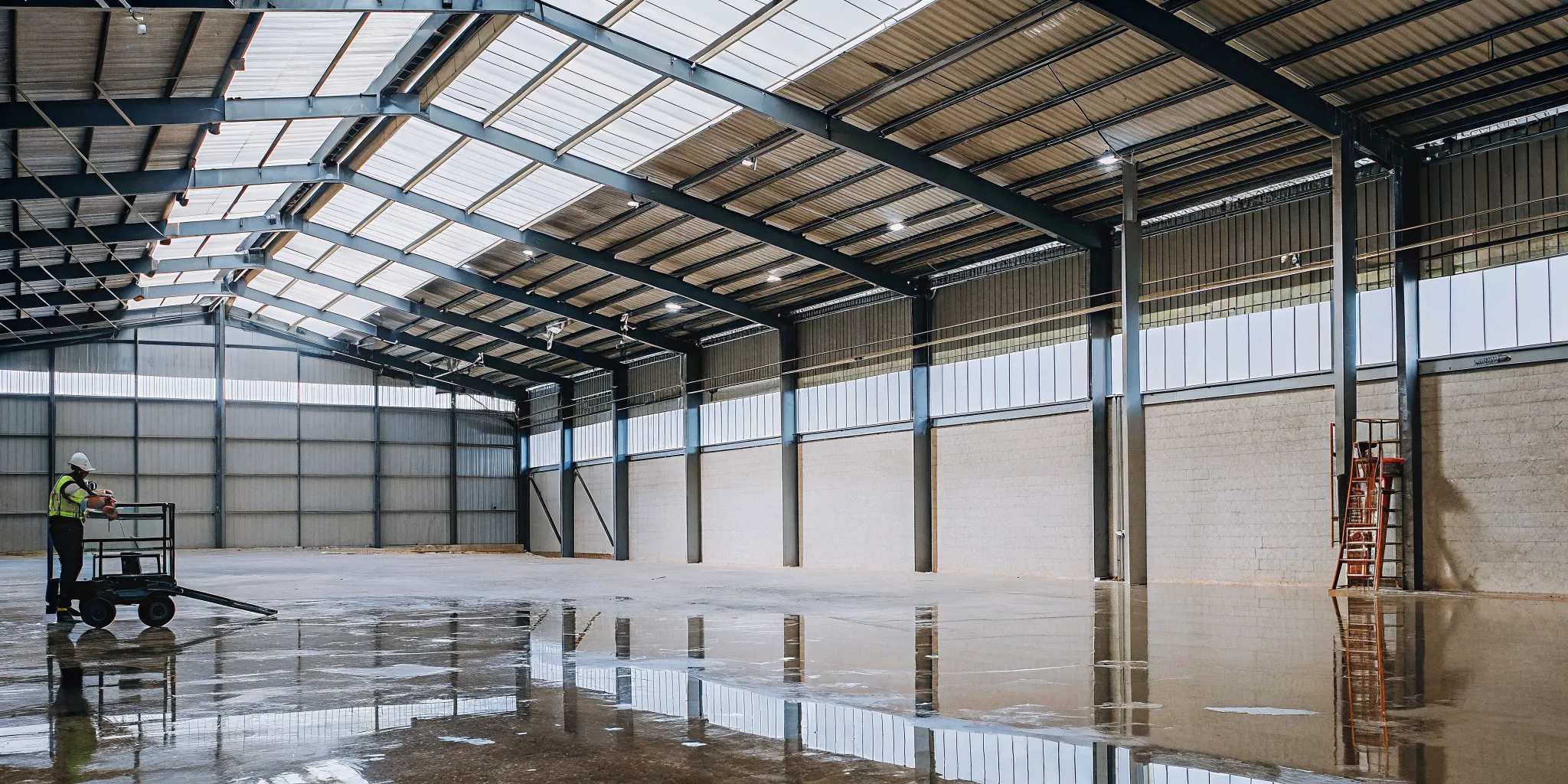
One of the biggest hurdles in warehouse painting is safely reaching high ceilings, exposed beams, and ductwork. These areas are often 20 to 30 feet high or even taller, making them impossible to access with a standard ladder. Professional painters are equipped with the right tools, like scissor lifts and scaffolding, and have the training to operate them safely and efficiently. They know how to work at height to ensure every nook and cranny receives a proper, even coat of paint. This expertise not only guarantees a high-quality finish but also protects everyone on site by adhering to strict safety protocols throughout the project.
Why DIY Isn’t an Option
While a do-it-yourself approach might seem tempting for smaller projects, it’s simply not practical or safe for a warehouse. Attempting to tackle a project of this magnitude without professional experience often leads to subpar results, safety hazards, and mistakes. Professionals deliver a high-quality, long-lasting finish while adhering to strict safety protocols. While warehouse painting requires industrial coatings, other commercial properties like multi-family housing have different needs. You can learn how specialized crews manage these in our guide on commercial painters for apartment complexes.
What Do Warehouse Painting Services Include?
When you hire a professional team for a warehouse project, you get much more than just a new color on the walls. Commercial painting services are designed to address the specific challenges of large-scale industrial environments, from cavernous interiors to weather-beaten exteriors. These services focus on durability, safety, and efficiency, ensuring the final result not only looks good but also supports your daily operations. A comprehensive project often includes a mix of interior, exterior, and specialized floor services.
Interior Painting
Painting the inside of a warehouse is about creating a clean, bright, and safe environment for your team. Professionals understand how to work in large, open areas with high ceilings and complex structures like ductwork and support beams. A fresh coat of light-colored, durable paint can dramatically improve visibility, making the space feel larger and less dependent on artificial lighting. This isn’t just an aesthetic upgrade; a well-painted interior contributes to a more organized and efficient workflow, reflecting a standard of quality for your entire operation. Our team provides a full range of commercial services to handle these unique requirements.
Exterior Painting
The outside of your warehouse is the first impression you make on clients, suppliers, and employees. Professional exterior painting services focus on weatherproofing, protection, and maintaining a clean, professional aesthetic. In addition to interior upkeep, establishing a regular commercial exterior painting maintenance schedule is essential to protect the warehouse envelope from the Denver Metro Area’s weather.
Floor Markings and Safety Striping
Clear, visible floor markings are essential for a safe and organized warehouse. Professional painters offer specialized services for applying durable safety lines and markings directly onto concrete floors. This includes creating designated pathways for pedestrians and forklifts, marking hazardous areas, and outlining storage zones. Using high-performance epoxy or urethane paints ensures these lines resist wear and tear from heavy traffic and chemical spills. Adding anti-slip treatments to these painted areas can also significantly reduce the risk of workplace accidents, keeping your team safe and your operations running smoothly.
Surface Prep: The Key to a Lasting Finish
A great paint job is only as good as the surface underneath it. In a high-traffic environment like a warehouse, skipping or rushing the prep work is a recipe for failure. Proper surface preparation ensures the paint adheres correctly, looks professional, and stands up to the daily demands of your operations. It’s the difference between a finish that lasts for years and one that starts to chip and peel in a matter of months. This foundational work is non-negotiable for achieving a durable, high-quality result that protects your investment and keeps your facility looking sharp.
Cleaning and Degreasing
Warehouse surfaces are magnets for dust, grime, and grease from machinery and daily operations. Painting over these contaminants is a guaranteed way to get a weak, bubbly, or peeling finish. A thorough cleaning is the essential first step. According to experts, cleaning the surface is critical because it removes anything that could prevent the paint from bonding properly. For a warehouse, this often means using industrial-grade degreasers and power washing to ensure every wall, beam, and floor is completely clean and ready for the next step. This ensures the primer and paint have a pristine surface to grip onto.
Repairing Surface Damage
Warehouses are tough environments, and their surfaces show it. Concrete walls get chipped, metal panels dent, and floors crack over time. Painting over this damage won’t hide it; in fact, a fresh coat of paint can make imperfections even more obvious. Before any painting begins, it’s crucial to repair any cracks, holes, or flaws. As an experienced concrete contractor, we know that filling these gaps with the right materials not only creates a smooth, uniform canvas for painting but also prevents the damage from getting worse and compromising the new finish. This step restores the integrity of your surfaces.
Sanding and Priming
Once the surface is clean and repaired, sanding and priming create the ideal foundation for the paint. Sanding might seem like an extra chore, but it’s vital for adhesion. As noted by HomeAdvisor, sanding helps create a smooth surface that allows the primer to grip effectively. The primer then acts as the bridge between the surface and the final paint coat. It seals porous materials like concrete, blocks stains from bleeding through, and provides a uniform base so the final color looks even and vibrant. This one-two punch is what gives a professional paint job its impressive durability and polished look.
What Kinds of Coatings Do Warehouses Require?
Painting a warehouse isn’t just about aesthetics; it’s about applying specific, high-performance coatings that protect your building, your inventory, and your team. The right products are designed to withstand the demanding environment of a commercial facility. From the constant movement of forklifts to the need for clear safety markings, every surface has a job to do. Choosing the correct coatings ensures your paint job is an investment in durability, safety, and efficiency. A professional painter will know exactly what to recommend for each area of your space, but it helps to understand your options.
Durable Epoxy for Floors
Warehouse floors take a serious beating from heavy foot traffic, machinery, and potential spills. That’s why a standard can of paint won’t cut it. Epoxy flooring is a top choice for warehouses because it creates a seamless, hard-wearing surface that resists chemicals, stains, and impacts. This durability means less worry about chipping and damage from daily operations. Plus, the smooth finish is incredibly easy to clean, helping you maintain a tidy and professional environment. It’s a practical solution that provides a long-lasting, resilient foundation for your entire operation.
Coatings to Prevent Corrosion
Metal is everywhere in a warehouse, from shelving and support beams to pipes and door frames. In the Denver area, temperature shifts and exposure to moisture or chemicals can lead to rust and corrosion, weakening these essential structures over time. Applying specialized protective coatings is one of the most effective ways to prevent this decay. These coatings create a barrier that shields metal from the elements, significantly extending the life of your building’s components and saving you from future repairs. It’s a critical step in protecting your structural integrity.
Anti-Slip Coatings for Safety
Safety is non-negotiable in a busy warehouse. Slips and falls are a major risk, especially in areas prone to spills or on ramps and loading docks. Anti-slip coatings are a simple but powerful tool for creating a safer workplace. These products contain aggregates that add texture to surfaces, enhancing traction underfoot. According to safety experts, you can prevent slips and falls by applying these coatings to floors, stairs, and walkways. This proactive measure helps protect your employees and keeps your operations running smoothly without incident.
Coatings to Brighten Your Space
A well-lit warehouse is a safer and more productive one. You can make your space feel brighter without adding more light fixtures by using light-colored, reflective coatings on the walls and ceiling. These finishes help maximize the light you already have, improving visibility in every corner and reducing shadows. Better lighting makes it easier for employees to read labels, handle inventory, and operate machinery safely. As a bonus, this improved lighting efficiency can even help reduce your energy usage over time, making it a smart choice for both safety and your bottom line.
Primers to Protect Metal
A great paint job is only as good as the preparation that goes into it, and for metal surfaces, that means starting with the right primer. Primer does more than just help the topcoat stick; it provides a foundational layer of protection. Using a quality primer is essential for preventing rust and corrosion from forming underneath the paint. According to the American Coatings Association, understanding the importance of primers is key to a long-lasting finish. This initial step ensures your final paint job adheres properly and provides durable protection for years to come.
The Benefits of a Professional Paint Job
A fresh coat of paint does more than just change the color of your walls; it’s a strategic investment in your facility’s future. For a commercial space like a warehouse, a professional paint job is essential for maintaining the building’s integrity, ensuring safety, and presenting a polished image to both your team and your clients. While it might seem like a purely cosmetic update, the right coatings applied by an experienced team can protect your structure from the daily grind, improve operational flow, and create a brighter, more productive environment.
Choosing to work with a professional contractor means you’re getting more than just paint on a surface. You’re getting expertise in surface preparation, knowledge of industrial-grade materials, and a project plan that respects your operational needs. From selecting durable floor epoxies to applying corrosion-resistant coatings on metal beams, every step is handled with precision. The result is a finish that not only looks great but also contributes to the longevity and efficiency of your workspace. If you’re considering an update for your Denver metro area facility, our team at Faros Construction Services can help you understand the full scope of what a professional paint job can achieve.
A Durable Finish That Holds Up
Warehouses are tough environments. Between heavy machinery, constant foot traffic, and the movement of inventory, your walls and floors take a serious beating. A professional paint job uses strong, long-lasting paints and coatings designed to withstand significant wear and tear, moisture, and friction. Unlike standard residential paint, these industrial-grade materials create a resilient surface that resists scuffs, chips, and stains. When applied correctly, these coatings form a powerful bond with the substrate, ensuring your finish holds up for years and keeps your facility looking its best.
Improved Safety and Workflow
A thoughtfully painted warehouse is a safer and more efficient warehouse. Professional painters can implement strategic color-coding and apply clear floor markings to designate pedestrian walkways, forklift routes, and hazardous areas. These visual cues help organize your space and reduce the risk of accidents. Furthermore, specialized services like applying anti-slip treatments to floors can dramatically improve footing in areas prone to spills or moisture. By clearly defining the flow of movement, you create a more intuitive and secure environment for your entire team.
Protection from Wear and Tear
The right paint is your building’s first line of defense against damage. Metal surfaces like beams, racks, and doors are vulnerable to rust and corrosion, which can compromise their structural integrity over time. Professional painters apply specialized primers and coatings that create a protective barrier, sealing out moisture and preventing decay. For concrete and masonry walls, the right paint can prevent moisture intrusion, which leads to cracking and deterioration. This protective layer is a crucial part of building maintenance, and our expertise as a concrete contractor ensures it’s done right, extending the life of your facility.
A Cleaner, More Professional Look
Never underestimate the impact of a clean, bright workspace. A professional paint job instantly transforms a dim, dated warehouse into a bright and welcoming environment. This not only improves employee morale and productivity but also makes a strong impression on clients, suppliers, and potential business partners who visit your facility. A well-maintained building reflects the quality and professionalism of your business itself. By investing in the appearance of your space, you show that you care about the details and are committed to excellence in every aspect of your operation.
How Pros Work Around Your Operations
Painting your warehouse shouldn’t mean shutting down your business. The biggest concern for any facility manager is how a major project will affect daily productivity. A professional contractor understands this. Their goal isn’t just to apply a fresh coat of paint; it’s to complete the project efficiently while causing the least possible disruption to your workflow. They achieve this through careful planning, flexible scheduling, and expert project management. By working as a partner, a good contractor ensures your operations can continue running smoothly from start to finish. This approach is built on clear communication and a strategy tailored specifically to your facility’s needs, ensuring the project enhances your business instead of hindering it.
Flexible Scheduling and Phased Projects
One of the clearest signs of a professional crew is their willingness to adapt to your schedule. Your warehouse doesn’t operate on a typical 9-to-5, and your painting contractor shouldn’t either. Pros can work during your off-hours, overnight, or on weekends to ensure painting doesn’t interfere with your most productive times. For larger facilities, they can also break the project into logical phases. This means tackling one section at a time, allowing you to move inventory or shift operations to another area while work is underway. This phased approach keeps your business functional and minimizes the impact on your team and output.
Managing Ventilation and On-Site Safety
A safe work environment is non-negotiable, especially when paint fumes and equipment are involved. Professional painters come prepared with proper ventilation systems to manage air quality and use low-VOC or specialized coatings to reduce odors and airborne particles. A key part of professional construction services is maintaining a safe site. This includes clearly marking work zones, keeping pathways clear, and cleaning up at the end of each shift to prevent accidents. This attention to safety protects not only the painting crew but also your employees who may be working nearby, ensuring the project is completed without incident.
Minimizing Your Downtime
Ultimately, the best way a contractor can respect your business is by minimizing downtime. This is achieved through meticulous project management. An experienced team handles everything from the initial prep work to the final cleanup, allowing you to focus on running your business. They establish a clear and realistic timeline and stick to it, ensuring the project is completed efficiently. When you discuss your project with a professional, they will outline a clear plan of action designed to get the job done right and on schedule, so your warehouse is back to full capacity as quickly as possible.
How to Choose Your Painting Contractor
Finding the right partner for your warehouse painting project is just as important as choosing the right paint. The contractor you hire will determine the quality of the final result, the impact on your daily operations, and the durability of the finish. You need a team that not only has the right technical skills but also understands the demands of a commercial environment. Taking the time to vet your options ensures your investment is protected and the project runs smoothly from start to finish. Look for a partner who values clear communication, has a proven track record, and operates with professionalism.
Experience with Large-Scale Projects
Warehouse painting isn’t just a bigger version of a house painting job. It requires specific equipment, specialized coatings, and a team that knows how to handle the unique challenges of a large commercial space, from high ceilings to concrete floors. When you’re speaking with potential contractors, ask about their experience with projects of a similar scale. A team that specializes in commercial services will understand the logistics, safety protocols, and materials required. They’ll know how to prepare industrial surfaces properly and apply coatings that can withstand heavy use, which is a different skill set than residential painting.
Licensing and Insurance
This is a non-negotiable. Any professional contractor you consider must be fully licensed and insured. Licensing confirms they meet state and local requirements to operate legally, while insurance protects you, your property, and their team from liability in case of an accident. Don’t hesitate to ask for proof of both. A reputable company will be transparent and provide this documentation without issue. This step is a basic but crucial indicator of a contractor’s professionalism and commitment to doing things the right way, giving you peace of mind that your business is in good hands.
Clear Communication and Timelines
A successful project depends on clear and consistent communication. From the initial consultation, your contractor should listen to your needs, explain their process, and provide a detailed project timeline. Throughout the job, they should keep you informed of their progress and be available to answer any questions. A great contractor works with you to create a schedule that minimizes disruption to your operations. This commitment to open dialogue is a hallmark of an owner-led team that takes pride in its service and ensures the final result meets your expectations.
Reviews and Past Work
Before you make a final decision, do a little homework. Look for online reviews and ask the contractor for a portfolio of their past work. Seeing is believing, and looking at projects and reviews from previous clients gives you a real-world sense of their craftsmanship and reliability. Pay attention to photos of projects similar to yours. Do the lines look clean? Is the finish consistent? Positive testimonials and a strong portfolio are powerful indicators that a contractor delivers on their promises and produces quality, lasting results for their clients.
How to Get Ready for Your Painting Project
A successful warehouse painting project is a partnership between you and your contractor. While a professional team will handle the heavy lifting, a little preparation on your end can make the entire process run smoother and faster. Knowing what to expect and how to prepare your facility ensures the project stays on track and your business operations face minimal interruption. Here’s how you can get your warehouse ready for a fresh coat of paint.
Align the Project with Your Schedule
The biggest concern for any operational facility is downtime. You can’t just shut down your business for a week to paint. A professional painting contractor understands this and will work with you to create a schedule that minimizes disruption. Many crews offer flexible scheduling, including working after hours, overnight, or on weekends to avoid interfering with your team’s productivity. Before the project begins, have a clear conversation with your contractor about your warehouse’s hours of operation and peak times. This allows them to phase the project intelligently, tackling different zones at different times. When you’re ready to discuss your timeline, you can schedule a consultation to get started.
Clear and Protect Your Inventory
To get a perfect finish, painters need clear and safe access to the surfaces they’re working on. Before the crew arrives, take the time to move any inventory, machinery, shelving, and vehicles away from the walls and ceilings being painted. While the team will use drop cloths and plastic to protect stationary items, clearing the area is the best way to prevent accidental overspray or damage. This step also makes the job more efficient and safer for the painting crew. With unobstructed access, they can focus on surface preparation and application without having to work around your assets.
What to Expect on Day One
The first day of your painting project sets the tone for the entire job. It typically starts with a walkthrough with the project manager to confirm the scope of work and review the areas to be painted. This is your chance to ask any last-minute questions and point out specific areas of concern. Once everyone is aligned, the crew will get to work on the most critical phase: preparation. They will begin by protecting the area, cleaning surfaces, and making any necessary repairs to ensure the paint adheres properly for a durable finish. The expert, owner-led team at Faros Construction Services ensures every detail is executed correctly from day one, so you can feel confident in the process.
Make Your New Paint Job Last
A professional paint job is an investment in your property’s safety, appearance, and longevity. Once the project is complete, you’ll want to protect that investment. The good news is that a little proactive care goes a long way. It all starts with using the right materials from day one. When your contractor uses strong, long-lasting paints and coatings designed for high-traffic commercial environments, your maintenance routine becomes much simpler. Keeping your warehouse looking fresh isn’t just about aesthetics; it’s about protecting your building from wear, moisture, and daily operational demands.
Simple Maintenance Tips
Keeping your new paint job in top shape doesn’t have to be complicated. Start by establishing a simple cleaning schedule. Regularly wipe down walls in high-traffic zones and clean up any scuffs or spills as they happen to prevent staining. For exterior surfaces, a gentle wash once a year can remove dirt and grime that can degrade paint over time. Addressing minor chips or scratches quickly will prevent them from turning into larger problems that require more extensive repairs. Proper care ensures your space continues to look professional and well-maintained, reflecting the quality of your business.
Signs It’s Time for a Repaint
Even the best paint job won’t last forever, especially in a demanding warehouse environment. It’s important to know the signs that indicate it’s time for a refresh. Obvious clues include widespread peeling, cracking, or bubbling paint, which suggest the coating is no longer protecting the surface underneath. Fading color can make your business look dated, while water stains or visible mold and mildew point to moisture issues that need immediate attention. For exterior paint, Denver’s weather can take a toll. If your building’s exterior looks worn and weathered, it’s likely time to consult with a professional contractor to protect your property and maintain your company’s sharp, professional image.
Related Articles
Frequently Asked Questions
How will a painting project affect my daily business operations? This is the number one concern for most facility managers, and a professional team plans for it from the start. We work with you to create a schedule that respects your workflow. This often means working during your off-hours, on weekends, or breaking the project into smaller, manageable phases so you can continue operating in other parts of the building.
Why can’t I just use regular paint for my warehouse? Warehouse surfaces and conditions are far more demanding than those in a home or office. Standard paint simply isn’t formulated to bond with concrete floors or metal beams, nor can it withstand the friction from forklifts and machinery. Professionals use specialized industrial coatings, like epoxies and anti-corrosion paints, that are designed for superior adhesion, durability, and safety in a commercial setting.
How long should I expect a professional warehouse paint job to last? While the exact lifespan depends on factors like traffic and exposure, a professional paint job is an investment in longevity. When the correct surface preparation is done and high-quality industrial coatings are used, you can expect the finish to last for many years. Simple maintenance, like cleaning scuffs and addressing minor chips, will also help extend its life significantly.
What’s the most important step to ensure the paint job is durable? Without a doubt, the most critical step is surface preparation. A great paint job will fail quickly if it’s applied to a dirty or damaged surface. Thoroughly cleaning away grime, repairing any cracks or holes, and applying the correct primer are foundational steps. This prep work ensures the final paint coat has a perfect, stable surface to bond to, which is the key to a lasting finish.
Besides looking better, what are the real benefits of painting my warehouse? A fresh paint job delivers significant functional advantages. It improves safety by allowing for clear floor markings that guide traffic and define hazardous zones. It also protects your building’s structure by applying coatings that prevent rust on metal and moisture damage to walls. Furthermore, using light, reflective colors can make the space brighter, which improves visibility and creates a more productive environment for your team.