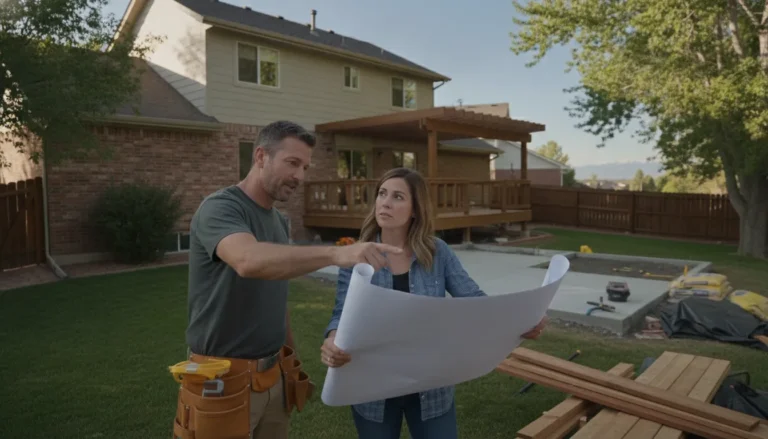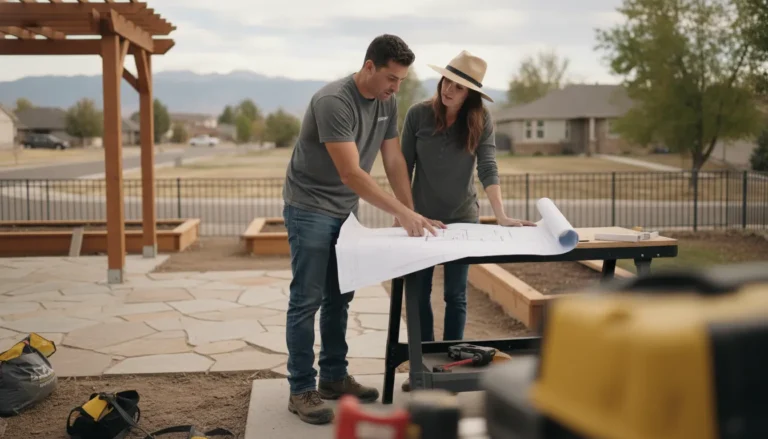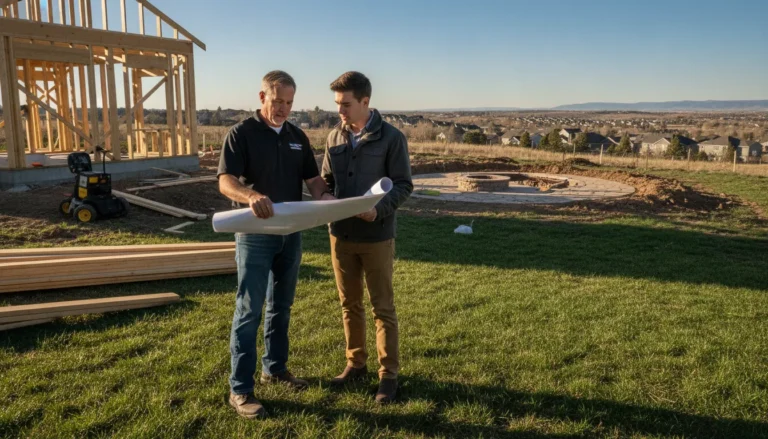

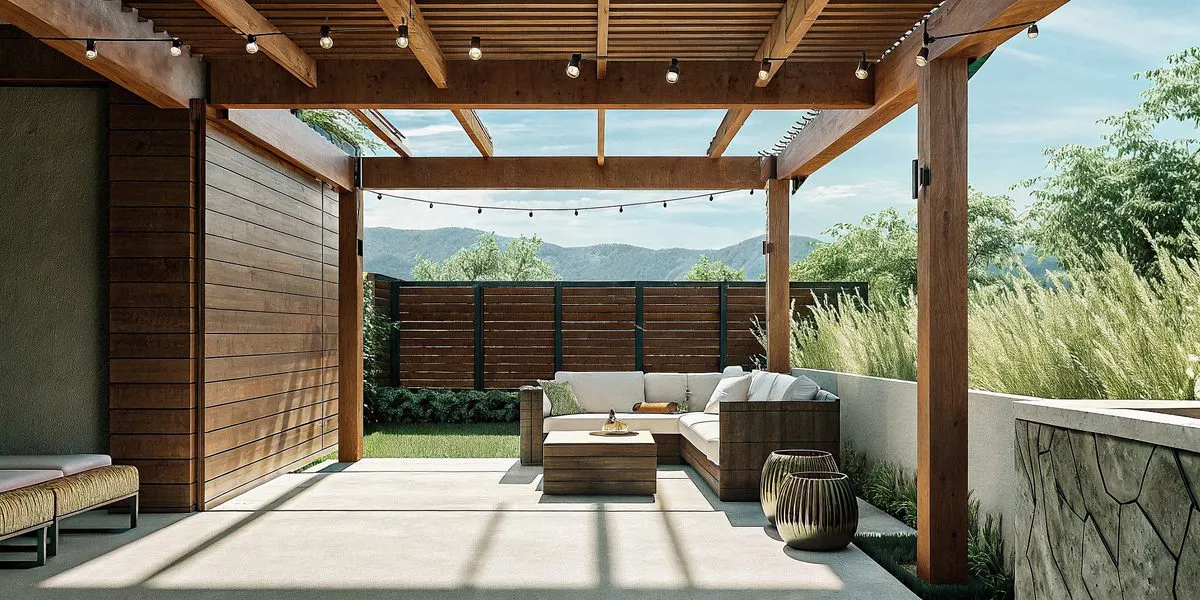
Strong high-altitude UV rays and intense summer heat make shade structures essential for every Denver patio. A well-built pergola defines your outdoor room and protects your family from the harsh Colorado climate. From natural cedar to low-maintenance aluminum, the right design transforms your yard into a year-round destination.
The best pergola ideas Denver homeowners can use include choosing between attached and freestanding designs to get more shade. Attached structures connect to the house to extend a porch or deck, while freestanding models create focal points in gardens or near pools. For materials, local experts suggest natural cedar for its beauty or aluminum for its easy care and ability to extend the outdoor season. These structures must withstand intense sun and heavy snow loads common in the Denver Metro Area. According to DenverGov.org, all pergolas in the city require zoning and building permits to ensure safety. Working with a skilled builder helps you follow these rules while creating a space that adds value to your home. A custom design ensures your new structure fits your yard perfectly and handles the local freeze-thaw cycles without issues.
Get a Free Pergola Design Consultation
Finding the right layout is the first step in your planning process. You must decide on the best location to ensure you get the most use from your new space. Our team provides custom pergola construction services to help you choose between attached and freestanding designs for your Denver backyard. The decision starts with understanding the differences between these two popular options.
Pergola Ideas Denver: Attached vs. Freestanding Pergolas: Which Design Fits Your Denver Backyard?
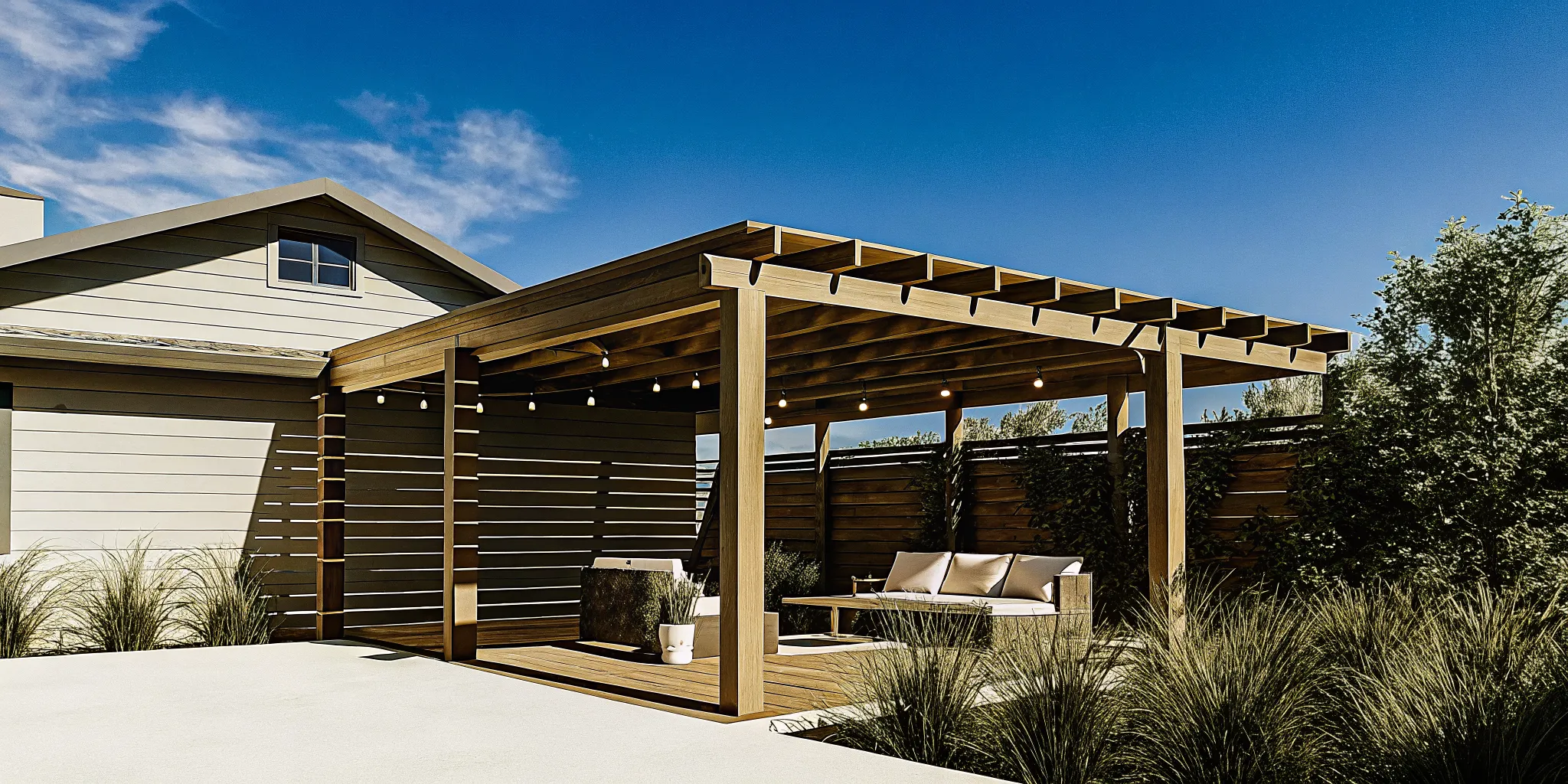
Faros Construction builds both attached and freestanding pergolas for Denver homes. Attached designs connect to the house and work best over patios or decks. Freestanding pergolas stand on their own and create focal points in gardens or near pools. Both styles require city permits for safe construction.
Attached pergolas link straight to your house. They act like a roof for your deck or patio. This choice makes an easy path from your back door to your outdoor seat. It helps keep the area near your door cool during hot days. Denver gets about 300 days of sun each year. Because of our high height, the sun is strong. An attached frame gives you shade right where you need it most. We can build these using real wood or low-care metal.
Best use for attached designs
Many people choose this style to create an outdoor room. It feels like a part of your home. You can add lights or fans by using the power from your house walls. These builds work well for small yards where space is tight. If you want custom pergola construction services that save room, an attached design is a smart pick. They also provide great support for covers that slide to block the sun. This design makes it easy to bring food and drinks from the kitchen to your guests outside.
Freestanding pergolas stand on their own four posts. You can put them in any spot in your yard. They work great next to a pool or in a garden. You can use them to create a private spot far from the main house. Because they do not touch the house, you have more ways to choose the shape and size. These stand-alone pergola ideas Denver locals love often feature thick wood beams or sleek metal frames. You can also add screens to make a quiet spot in your yard.
Where to put a freestanding frame
These builds help define a space in a large yard. You might put one over a fire pit or a hot tub. They also work well for Denver deck builders who want to add a main feature to a big project. A separate build can handle heavy snow and wind because it stands on its own strong base. You can place it in a sunny garden spot to grow vines for extra shade and beauty. This setup lets you enjoy different parts of your yard at all times of the day.
Denver permits and rules
No matter which style you pick, you must follow local rules. The city requires a zoning and building permit for all pergolas. This rule applies to both attached and freestanding types. At Faros Construction, we handle the permit work for you. We make sure your build is safe and meets all city codes. Our team manages the whole 6-step plan from the first start to the final walk-through. We take care of the hard work so you can just enjoy your new space.
| Feature | Attached Pergola | Freestanding Pergola |
|---|---|---|
| Best Placement | Over a back deck or patio | Gardens, pools, or open yards |
| Connection | Bolted to the house frame | Stands on four or more posts |
| Space Needed | Small to medium yards | Large yards or open lots |
| Primary Goal | Easy path from indoor to out | Create a new focal point |
| Denver Permits | Required for all designs | Required for all designs |
| Design Flexibility | Limited by house shape | High flexibility in placement |
What Is the Best Material for Your Denver Pergola?
Faros Construction recommends cedar for natural beauty, aluminum for low maintenance and season extension, and vinyl for a clean look with zero upkeep. Cedar needs regular staining. Aluminum lasts for decades. Vinyl resists moisture and never needs paint.
Denver weather puts a lot of stress on any outdoor build. Since the city sits one mile high, the sun’s rays hit much harder than at sea level. This thin air can make many build parts break down fast.
Along with the sun, local homes must handle fast shifts in heat and cold. These freeze-thaw cycles can cause weak frames to crack or warp over time. Faros Construction uses expert custom pergola construction services to help you find the best parts for our unique local air.
When you look for pergola ideas Denver yards can support, think about how much care you want to give. Some types look great but need a lot of work. Other options have a higher initial investment but last for years with no work.
No matter what you choose, all pergolas in the city need zoning and build permits to meet safety rules. This step ensures your new shade spot is safe and built to last for a long time.
Natural cedar wood
Cedar is a top pick for many Denver yards because of its warm look and feel. It has a rich smell and a natural grain that fits well with mountain home styles. In our dry air, cedar stays stable better than most woods, but it still needs care.
You will need to stain or seal the wood every few years to stop it from turning gray or cracking under the sun. This work is key to keeping the wood strong against our heavy winter snow and hot summer days.
If you love the look of real wood, cedar is hard to beat. It brings a cozy feel to outdoor living spaces in Denver and stays cool to the touch. Just keep in mind that the dry Colorado air can suck moisture out of the wood fast.
Without regular care, the beams may start to split or twist. For many, the natural beauty is well worth the time spent on upkeep. A well-built wood frame can last for many years with the right love and care.
Season extending aluminum
For those who want a simple choice, aluminum is an elite pick. These frames are light, strong, and do not rust or rot. One major win is that aluminum pergolas can extend your outdoor season by 4 to 6 weeks each year.
They provide a cool spot during the heat of July and keep you dry during light spring rain. They handle our heavy snow loads well and will not warp when the heat shifts fast from day to night. This makes them a very tough pick for our local weather.
Aluminum often comes with built-in perks like hidden lights or power lines. You can even get roofs that open and close with a remote. While it has a more modern look than wood, it is very durable in the high-up sun.
It does not peel or fade in the harsh light. This makes it a great long-term pick for homeowners who want to relax rather than work on their deck during their free time. You can enjoy your yard with much less work each year.
Low care vinyl options
Vinyl pergolas offer a bright, clean look that needs almost zero work. These builds stand up to water, bugs, and rot. In the Denver Metro Area, vinyl is a smart pick for a white or tan frame that stays looking new for a long time.
You can just spray it with a hose to clean off the dust from our dry winds. It is a very tough choice that fits well in modern or suburban backyards. Most high-grade vinyl will not yellow or fade under the hot sun.
But you must make sure to use high-grade vinyl for the Denver weather. Cheap plastic can get brittle and crack when our heat drops below zero. Good vinyl will have a strong core and stay tough during our coldest nights.
It is a solid way to add shade to your yard without the need for paint or stain every year. This material is great for those who want a fresh look with very little effort. It can truly make your backyard a more fun place to be.
What Pergola Design Features Can Elevate Your Outdoor Space?
Faros Construction recommends louvered roofs for adjustable shade, LED lighting for evening use, and ceiling fans for cooling. Retractable canopies and shade cloths add flexibility. These features help Denver homeowners enjoy their outdoor spaces more.
The right features for your pergola turn a simple frame into a full living room. In the Denver area, we get about 300 days of sunshine every year. These upgrades help you stay cool. From roof panels to custom lights, these pergola ideas Denver homeowners love make your yard more useful all year.
Adjustable shade and roof choices
A standard pergola has open slats that let some light through. But you can add a louvered roof to gain more control. These roofs have slats that tilt with a remote. You can choose full shade or partial sun based on the time of day. This is great for high-altitude yards where the sun feels very strong.
You may also look at polycarbonate roof panels for your structure. These clear or tinted panels block UV rays but still let light reach your patio. Another choice is a retractable canopy. These cloth covers slide open when you want a view of the sky. Faros Construction offers these custom pergola construction services to fit your space and needs.
Integrated lighting and cooling
To use your pergola after the sun sets, you should think about built-in lights. LED strips or small lamps can be tucked into the beams. This makes your yard safer at night. You can also add a ceiling fan to move the air on hot summer days. This keeps your outdoor space feeling fresh and comfortable.
Keep in mind that adding power to your pergola involves some rules. An electrical permit is often needed for lights, fans, or outlets. Faros handles the permitting and prep work as part of our 6-step process. We make sure every part of your project meets local codes so you can just enjoy the result.
Custom comfort and style
There are many other ways to make a pergola your own. You can hang shade cloths on the sides to block the wind or low-angle sun. Some people add curtains for privacy or a cozy look. You can also mix materials like natural wood and metal to match the style of your home. These small touches turn a basic structure into a true part of your living space.
Custom Pergolas vs. DIY Kits: What’s Right for Your Denver Home?
Faros Construction builds custom pergolas with better fit, higher-grade materials, and permit handling compared to DIY kits. Custom builds take 1-2 weeks but include professional design and city approvals. Kits assemble faster but lack durability in Denver weather.
Choosing between a custom pergola and a pre-made kit is a big decision for any homeowner. DIY kits are often cheaper at the start and can be set up fast. But a custom build offers a better fit and more strength for the long term. Many people look for custom pergola construction services to get a structure that matches their home and handles the local weather.
The benefits of custom design
Custom pergolas give better value and durability for your yard. These structures are built to fit your exact space and home style. Pro builders use high-grade wood or low-maintenance materials that last longer than thin kit parts. According to Ridgewell Colorado, custom builds offer a superior fit and more value over time compared to pre-made options. You can also add special features like lighting or canopies to create the perfect spot for outdoor living spaces in Denver.
Managing the build process
A custom project takes more time but removes the hard work from your hands. Most professional installs take about one to two weeks to finish. A major plus is that the builder handles the paperwork. In the City and County of Denver, all pergolas need a zoning and building permit before work starts. A pro team manages this task as part of their standard six-step process. This keeps your project on track and safe.
Comparing your pergola options
This table shows how a custom build stacks up against a standard DIY kit. Use this to help find the right fit for your backyard and needs.
| Feature | DIY Pergola Kit | Custom Built Pergola |
|---|---|---|
| Setup Time | Assembles in 1-2 days | Build takes 1-2 weeks |
| Fit and Size | Fixed sizes only | Built to your exact space |
| Permit Help | Owner must get permits | Builder handles all permits |
| Material Grade | Lighter, standard parts | Heavy, high-quality materials |
| Custom Add-ons | Very few options | Lighting and canopies included |
Schedule Your Free On-Site Consultation
How Can You Integrate a Pergola with Your Outdoor Living Space?
Faros Construction pairs pergolas with decks, patios, outdoor kitchens, and fire pits. An attached pergola extends the living area from the house. A freestanding structure anchors a seating zone or cooking area in the yard.
A pergola does more than just give shade. It acts as the heart of your yard. In the Denver Metro Area, many people want to make the most of the sun. If you are looking for pergola ideas Denver homeowners can use to join their yard features into one plan, we can help. Our team focuses on outdoor living spaces in Denver that fit your lifestyle. We serve 13 cities in the region to build custom spots that last.
Pair Your Pergola with a New Deck or Patio
Mixing a pergola with a deck or patio is a smart move for your home. An attached build can feel like a part of your house. It adds a roof-like feel without closing in the space. If you have a concrete patio, a freestanding pergola can mark an exact zone for seating. This helps split a large yard into smaller, cozy spots. Our team can help you pick the best stone or wood parts to match your new frame.
Most big projects like this need a plan. In the City and County of Denver, you must get a permit for any covered build. This includes both attached and freestanding structures. You can find more details on these rules at the Denver Community Planning and Development site. We handle the forms for you to make sure your build meets all local codes.
Enhance Your Outdoor Kitchen or Fire Pit
If you love to cook outside, a pergola is a must-have. It provides a cool spot for your grill or cooking zone. You can even add a moving canopy to block the rain or mid-day sun. This makes it easier to use your space for more weeks each year. Adding lights to the beams also lets you stay out late into the night. It turns a simple fire pit area into a high-end lounge that feels like a resort. We use quality wood or low-care metals to build these custom zones for your family.
Connect with Hardscaping and Retaining Walls
A good design links your pergola to other yard features. You might set your posts next to a stone wall or a built-in bench. These hardscape features give your yard a solid look. A pergola can also act as a bridge between your back door and a far garden. By using a set process, we ensure each part of the yard works well as one. We look at the slope of your land and the view to find the perfect spot for your new build.
Do You Need a Permit for a Pergola in Denver?
Yes, Denver requires zoning and building permits for all pergolas. Faros Construction handles the entire permit process. We submit site plans, work with city reviewers, and schedule inspections so you do not manage the paperwork.
When looking for pergola ideas Denver owners must think about local rules. Many people ask if they need a permit for a small outdoor structure. In the City and County of Denver, the answer is yes. You need the right papers to keep your home safe and follow the law. Working with a pro helps make this process easy.
Know the Denver Permit Rules
Denver treats most outdoor covers as a big change to your lot. You must get both zoning and building permits. The city wants to see that your structure can stand up to high winds and heavy snow. Even a small pergola must sit a set distance from your land lines. These rules apply to both attached and freestanding designs.
Following these steps protects your home value. Building without a permit can lead to fines or trouble when you sell your home. By getting the right legal papers, you ensure your project is valid. This gives you peace of mind as you build your dream backyard.
The Main Permit Steps
The permit path in Denver is very clear. You will need to show a plot plan that has the spot of the structure. You also need to show how it is built. This includes the wood or metal type and the depth of the posts. Most people find that hiring a pro makes this path much faster.
- Draw your site plans. You must show where the pergola will sit. These plans must list the size and how the structure is fixed to the ground.
- Submit an online form. Denver uses an e-permits portal for new work. You will upload your plans and fill out the basic project info here.
- Wait for the review. City staff will check your plans for safety. They want to see that the design can handle Denver’s wind and snow.
- Complete the permit payment. Once the city signs off, you must pay for the permit. The amount depends on the scope of the project.
- Get an electrical permit. If you want lights, fans, or outlets, you must get an electrical permit. This keeps your home safe from fire.
- Schedule the final checks. After the build, a city rep will visit. They check that the pergola matches the plans you sent in.
How Faros Manages Your Project
Handling permits can be hard and slow. Faros Construction handles this work as part of our custom pergola construction services. We take care of the forms so you do not have to. Our team knows the local codes in the Denver Metro Area and how to work with city staff.
We follow a 6-step plan for every job. This starts with a talk and ends with a final walk. We make sure every part of the build meets city rules. This includes checking the footings for freeze-thaw cycles. With our help, your pergola will be a safe and strong part of your yard.
Get Your Custom Pergola Started Today
Frequently Asked Questions
What is the golden ratio for a pergola?
The golden ratio for a pergola is about 1 to 1.618. This math rule helps builders find the best height and width to make the structure look balanced and pleasing to the eye. For example, if your pergola is 10 feet wide, a height of about 8 to 9 feet often looks best. Following this guide helps your new structure fit naturally with your home style and yard size. While custom builds can vary, using these classic rules of design ensures your backyard focal point feels comfortable and steady.
What style of pergola works best for a modern Denver home?
For a modern Denver home, a simple design with clean lines often works best. Aluminum pergolas in dark colors like black or charcoal create a sleek look that fits with many new builds. You might also choose a design with a flat roof or a louvered system for more control over sun and shade. According to O’Keefe Built, using metal can extend your outdoor season by 4 to 6 weeks while providing a high-end feel for your backyard.
How do I clean and maintain my pergola in Denver?
Caring for your pergola depends on the material you choose. Wood like cedar needs regular staining or sealing to stay strong against Denver’s high UV rays. You should check for any cracks or rot every year. Aluminum and vinyl are much easier to care for and only need a quick wash with a hose and mild soap to remove dust. According to Faros, choosing easy-care materials is a smart way to save time and keep your outdoor area looking great with little effort.
Can I add a ceiling fan to my outdoor pergola?
Yes, you can add a ceiling fan to most custom pergolas to improve airflow on hot days. However, you must use a fan that is built for outdoor wet or damp areas. You will also need to get a power permit for any new wiring. According to Mile High Patio, getting the right legal papers for power work is key to keeping your home safe. An expert builder can include these features in your design to ensure they are safe and work well.
Ready to Build Your Dream Pergola?
Your Denver backyard deserves a pergola designed to match your home and withstand the local climate. Whether you want an attached pergola shading your patio, a freestanding structure over a seating area. Or a fully integrated outdoor living space, Faros Construction brings decades of local expertise to every project. We handle design, permitting, and construction so you can start enjoying your new outdoor space sooner.
Contact us online or call (720) 594-5604 to schedule a free on-site consultation. We serve homeowners across the Denver Metro Area including Denver, Aurora, Lakewood, Littleton, Arvada, and Highlands Ranch.