
A concrete driveway can look solid while moisture is already working into small cracks and surface defects. In the Denver Metro Area, repeated freezing and thawing makes routine inspection more than a cosmetic task. Sealing, timely crack repair, and careful seasonal maintenance help protect the surface and preserve the driveway’s service life.
Schedule a concrete driveway service in the Denver Metro Area. Call (720) 594-5604 to discuss your driveway.
Concrete driveway maintenance Denver homeowners can rely on starts with inspecting for cracks, scaling, and drainage problems. Then sealing sound concrete and repairing defects before water enters and expands during freezing weather.
The most effective approach is preventive and specific to the condition of the slab. Understanding how Denver’s climate affects concrete makes it easier to choose the right maintenance timing and respond appropriately when early damage appears.
Concrete Driveway Maintenance Denver: Why Denver’s Climate Makes Driveway Maintenance Essential
Denver’s freeze-thaw weather puts concrete driveways through repeated cycles of expansion and contraction. With more than 80 freeze-thaw cycles in a typical year, small surface defects can become meaningful damage when moisture enters the slab and temperatures fall.
Concrete driveway maintenance in Denver gives homeowners a way to address those vulnerabilities before they spread. Regular inspections, timely crack sealing, and attention to drainage help protect the driveway through changing seasons and preserve a safe, usable surface.
How freeze-thaw cycles damage concrete
Water follows the path of least resistance, including hairline cracks, open joints, and porous areas in the concrete. When that moisture freezes, it expands inside the material. As temperatures rise, the ice melts, leaving space for more water to enter during the next storm or snowmelt. Repeating this process gradually weakens the surface.
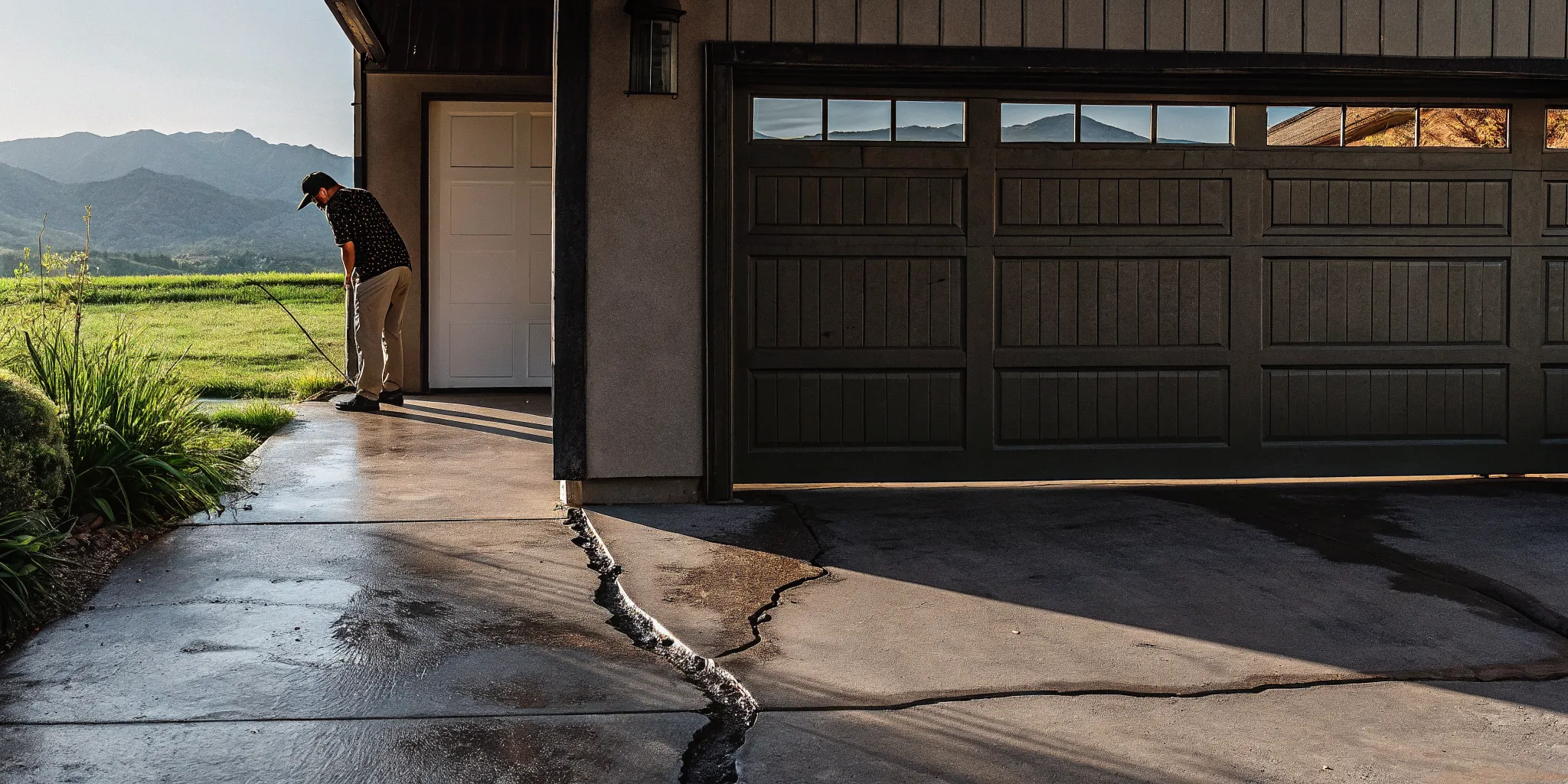
Over time, homeowners may notice scaling, where the top layer begins to flake, or spalling, where larger pieces break away. Cracks can also widen, collect debris, and expose more of the driveway to moisture. The Denver climate combines freezing temperatures, snow, and rapid weather changes, which makes these problems especially important to catch early. The freeze-thaw mechanics behind concrete deterioration illustrate why a minor defect should not be ignored through winter.
Why early maintenance matters
A maintenance routine does not need to be complicated. Walk the driveway in spring and fall, look for new cracks or flaking, and check whether water drains away from the slab rather than pooling against it. Seal suitable cracks before the next season gives moisture more opportunities to enter.
Research on concrete preservation identifies timely crack repair and sealing as essential to preserving concrete infrastructure and extending its service life. Early detection of surface defects, combined with proactive maintenance, is also identified as the strongest long-term care strategy. For Denver homeowners, that means a short inspection and prompt response can help prevent a small seasonal issue from becoming widespread deterioration.
Pay particular attention after winter. If a crack has widened, the surface is flaking, or sections of concrete feel uneven, document the change and have it evaluated. Addressing the underlying moisture path and selecting the right repair approach is more reliable than repeatedly covering the visible symptom.
When to Seal Your Concrete Driveway (And How Often)
Sealing helps limit the water and debris that enter concrete, which can accelerate surface deterioration. In the Denver Metro Area, a quality sealer is one part of a practical maintenance plan for managing moisture and repeated freeze-thaw exposure.
For most Denver driveways, plan to reseal every two to three years. If deicing chemicals are used regularly, the Concrete Network resealing guide recommends a shorter interval of one to two years. The right schedule also depends on traffic, drainage, sun exposure, the condition of the existing sealer, and whether the driveway is decorative or plain gray concrete.
Choose the right type of sealer
Acrylic sealers are often a practical choice for stamped or decorative concrete. They can enhance the surface appearance, provide UV protection, and allow vapor to escape instead of trapping moisture below the film. Penetrating sealers soak into the concrete and provide a more natural-looking finish, making them useful when you want protection without a glossy surface.
Whichever product is selected, follow the manufacturer’s preparation and coverage instructions. The concrete should be clean and dry, and existing flaking or damaged sealer should be addressed before another coat is applied. Timely sealing and other maintenance treatments reduce moisture ingress, a primary driver of concrete deterioration, according to research published by the National Institutes of Health (PMC).
Know when the surface needs attention
Do not rely only on the calendar. A simple water-bead test can help: sprinkle a small amount of water on a clean section of the driveway and watch what happens. If the water beads on the surface, some protection may remain. If it quickly darkens and absorbs into the concrete, the sealer may be worn and the driveway should be evaluated.
Other signs include a dull appearance, chalky residue, or increased staining. These indicators do not always mean the driveway needs immediate resealing, so inspect the surface for peeling, cracks, and areas that remain damp.
Apply sealer before the first freeze
Fall is generally the best time to reseal in Denver, before temperatures drop below freezing. Choose a dry weather window that meets the product’s temperature requirements, and allow adequate curing time before snow, standing water, or heavy vehicle traffic. For broader decisions about driveway materials and upkeep, see our guide to concrete vs asphalt driveway options.
How to Repair Cracks and Spalling in Concrete Driveways
Small cracks can often be sealed before they allow more water into the slab, while deep, moving, or widespread damage needs professional evaluation. The right repair depends on the crack’s width, depth, movement, and the condition of the surrounding concrete.
Match the filler to the crack
For hairline cracks under 1/4 inch, use a quality polyurethane or latex concrete sealant. These products are suitable for minor, non-structural surface openings. Cracks from 1/4 inch to 1.5 inches wide need a flexible polyurethane caulk, such as a self-leveling product designed for concrete joints. Flexibility matters because Denver Metro Area driveways expand and contract through freeze-thaw cycles.
For cracks deeper than 1/2 inch, install backer rod first. The foam rod fills the lower portion of the opening so the sealant bonds to the sides rather than sinking into the full depth. A stable crack that is not moving may be a candidate for epoxy when maximum bond strength is the priority. Epoxy is strong, but it is not flexible, so it is not the best choice for an actively shifting crack.
Research supports addressing minor cracks early with fillers and using more comprehensive strategies for deeper structural damage. Timely sealing also helps protect concrete from moisture and debris entering the slab. Research on concrete crack repair and preservation explains why early maintenance supports longer service life.
A practical preparation and sealing sequence
- Use a cold chisel or crack-routing tool to open a narrow crack to approximately 1/4 inch where the product instructions call for a prepared channel. Avoid damaging sound concrete beside the crack.
- Remove dust, loose particles, and debris with a wire brush, then clear the channel with compressed air. Wear eye protection and avoid directing debris toward people or vehicles.
- Allow the repair area to dry for 24 to 48 hours. Moisture trapped beneath sealant can weaken adhesion.
- Install backer rod in deeper openings, then apply the compatible polyurethane or epoxy according to the manufacturer’s instructions.
- Protect the repair while it cures. A 48-hour cure period above 45°F is a useful planning guideline, but the product label controls the final temperature and cure requirements.
Recognize and address spalling
Spalling appears as flaking, peeling, or small pieces breaking away from the surface. Freeze-thaw moisture and deicing salts can contribute to this deterioration, especially when water remains in weak surface areas. Light, isolated spalling may be cleaned, prepared, and patched after the underlying moisture problem is addressed. Broad spalling, exposed aggregate, hollow-sounding sections, or damage that continues after patching should be assessed by a concrete professional.
DIY repair is reasonable when the crack is narrow, stable, dry, and limited to the surface. Call a professional when cracks are wide or recurring, cross multiple slab sections, show vertical displacement, or appear alongside sinking, drainage problems, or extensive spalling. Crack sealing and filling are recognized pavement-preservation methods when performed promptly, but the repair must match the underlying problem. Federal pavement preservation guidance provides additional context on timely crack treatment.
Seasonal Concrete Driveway Maintenance Tips for Denver
Seasonal care helps a Denver driveway handle moisture, snow, temperature swings, and strong summer sun. A simple maintenance schedule can catch small defects early and protect drainage before minor issues become larger repairs.
Prepare Before Winter Arrives
Use October and November to inspect the full driveway surface, including edges, joints, and areas beneath downspouts. Fill suitable cracks and apply fresh sealant according to the product instructions, allowing adequate curing time before freezing temperatures arrive. Sealing helps limit the water and debris that can enter vulnerable areas.
Check the slope and drainage around the driveway as well. Downspouts should direct roof runoff away from the concrete, not onto its surface or toward a low spot beside the slab. If water repeatedly pools near the driveway, correct the discharge path before winter weather adds more moisture to the problem.
Protect the Surface During Winter
After snowstorms, clear snow promptly with a plastic shovel. Metal edges can scrape or chip the surface, particularly where concrete is already weakened. Avoid dragging heavy equipment across the driveway unless it is specifically designed for residential concrete.
If ice forms, use a chloride-free deicer sparingly and follow its application directions. Excessive deicer use can contribute to surface deterioration and may leave residue that holds moisture. Keep leaves, gravel, and other debris off the driveway throughout winter because trapped moisture can work into cracks and joints as temperatures change.
Inspect After Snowmelt
Spring is the right time to look for new cracks, scaling, spalling, or uneven areas that appeared during winter freeze-thaw cycles. Walk the driveway after snow has melted and check whether water drains away as intended. Pay special attention to low areas, edges, and locations where downspouts discharge. Document changes with photographs so you can monitor whether a defect is stable or expanding.
Clean and Monitor in Summer
In summer, sweep away grit and wash the surface with a suitable cleaner rather than allowing dirt to accumulate in cracks. Inspect the sealer for fading, patchiness, or reduced water beading, which may indicate UV degradation or the need for professional evaluation. Avoid applying a new product over a dirty or damp surface.
These habits also support the appearance and function of connected patios, walkways, and gathering areas. For ideas that coordinate driveway care with a larger property plan, explore Faros Construction Services’ outdoor living spaces.
Repair vs. Replace: Making the Right Call for Your Driveway
Repair is usually appropriate when damage is localized and the slab remains stable. Replacement is the safer choice when cracking, movement, or surface failure affects large portions of the driveway or points to a problem below the concrete.
Start by looking at the pattern, not just the most noticeable defect. A few narrow cracks, light surface scaling, or isolated stains may respond well to cleaning, filling, sealing, or patching. In contrast, cracks that run across much of the driveway, sections that sit lower than adjacent concrete, or widespread flaking indicate a larger loss of performance. Sinking or settling is especially important because it can signal subgrade failure, which a surface patch cannot correct.
| Issue | Repair Option | Replacement Needed (yes/no) | Estimated Lifespan After Fix |
|---|---|---|---|
| Hairline or isolated cracks | Clean, fill, and seal the cracks, then monitor them seasonally. | No | Several additional seasons when the slab remains stable |
| Minor spalling in a small area | Remove loose material, patch the surface, and address moisture entry. | No | Several seasons, depending on drainage and winter exposure |
| Stained or weathered surface | Clean the concrete and apply an appropriate protective sealer. | No | Several seasons with routine maintenance |
| Extensive cracking across large areas | Evaluate the slab and underlying support rather than patching isolated lines. | Yes | Not reliably extended by surface repair |
| Sinking or settling sections | Investigate drainage and subgrade conditions before selecting a correction. | Usually yes | Uncertain without correcting the underlying failure |
| Large-area spalling with exposed aggregate | Assess the depth and extent of deterioration; broad surface failure may require slab removal. | Often yes | Limited when deterioration is widespread |
| Multiple previous repairs that have failed | Stop repeating patches and identify the cause of recurring movement or moisture damage. | Often yes | Uncertain until the root cause is resolved |
| Driveway older than 25 to 30 years with widespread deterioration | Request a full condition assessment and compare comprehensive options. | Usually yes | Not reliably extended by another isolated repair |
Why repeated patching can be the wrong approach
A patch can improve a small defect, but it cannot restore a driveway that is moving, poorly supported, or deteriorating throughout its thickness. Arapahoe County notes that deteriorating concrete generally must be completely removed and replaced, a useful reminder that extensive failure calls for a different solution than spot maintenance. Read the county guidance on concrete maintenance.
A professional assessment can distinguish a manageable surface issue from structural deterioration. Faros Construction Services can evaluate the slab, drainage, soil support, and extent of damage as a Denver concrete contractor. If you are also weighing material choices for a new driveway, review this concrete vs asphalt driveway guide before deciding.
Frequently Asked Questions
How often should a Denver concrete driveway be sealed?
Many Denver driveways benefit from resealing about every two to three years, with a shorter interval when deicing chemicals are used regularly. The right schedule also depends on the sealer, surface condition, water absorption, and exposure. A simple water-bead test can help: if water darkens the concrete instead of beading on the surface. Inspect the sealer and plan maintenance before winter moisture and freezing temperatures arrive.
What is the best way to repair a small driveway crack?
Clean the crack, remove loose material, and use a compatible flexible concrete crack filler for a narrow, stable surface crack. Small surface cracks can often be treated with fillers, while deeper or structural cracks require a more comprehensive repair approach. According to research published by the National Library of Medicine. Read the supporting concrete deterioration research.
Should I use salt or deicer on a concrete driveway?
Use deicing products sparingly and follow the product directions. A chloride-free option is generally preferable for a concrete driveway, and prompt snow removal with a plastic shovel can reduce the need for deicer. Avoid metal blades that can gouge the surface, and keep meltwater from collecting near joints, edges, or existing cracks.
When should a concrete driveway be repaired instead of replaced?
Repair is often appropriate for isolated cracks, limited surface scaling, or a small area of spalling when the slab remains stable. Extensive cracking, sinking, widespread deterioration, or movement that affects drainage may indicate that replacement is the more durable solution. Arapahoe County notes that significantly deteriorated concrete is generally removed and replaced, so have an experienced professional evaluate the slab before choosing an approach.
Schedule Your Concrete Driveway Service
For concrete driveway maintenance in the Denver Metro Area, call (720) 594-5604 to schedule a consultation with Faros Construction Services.
Regular maintenance can help your driveway stay safer, stronger, and better prepared for Denver Metro Area weather. If you need guidance on sealing, crack repair, or a broader concrete solution, schedule your concrete driveway service today with Faros Construction Services. You can also call (720) 594-5604 to discuss the condition of your driveway and determine a practical next step with the team.