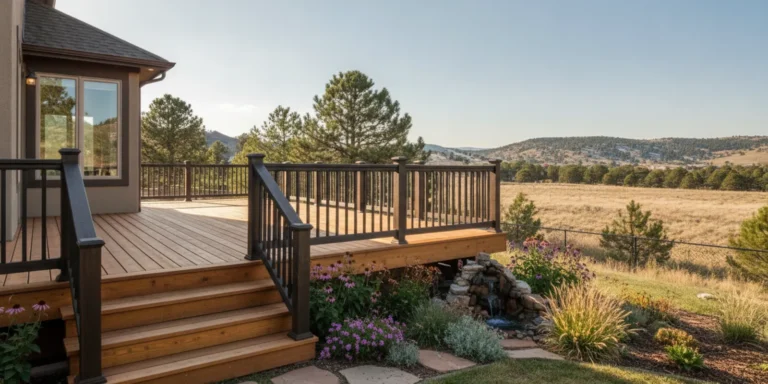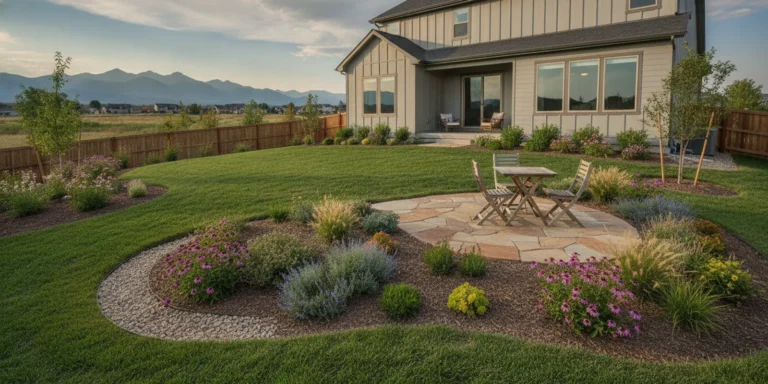

Denver patios have to handle more than summer gatherings. Freeze-thaw cycles, shifting soil, drainage, and daily outdoor use all affect how a surface performs over time. The right choice depends on how you want the patio to look, how much joint or sealing maintenance you prefer, and how the installation is prepared.
Schedule a free patio consultation with Faros Construction Company
When comparing concrete vs pavers patio Denver homeowners should consider all three options: standard concrete offers a smooth, stable surface, stamped concrete adds patterns and texture through one poured surface. And pavers provide individual units that can flex with minor ground movement and be replaced separately.
Understanding what each material does well makes the comparison more useful than choosing by appearance alone. Start by looking at the distinct characteristics of standard concrete, stamped concrete, and pavers, then weigh how those differences fit your Denver Metro Area home.
Your Patio Options: Concrete, Stamped Concrete, and Pavers
Denver Metro Area homeowners generally choose among three patio surfaces: a smooth poured-concrete slab, decorative stamped concrete, or individual paver units. Each creates a durable outdoor foundation, but the materials differ in appearance, surface behavior, and how they respond to movement beneath the patio.
Poured concrete is a continuous slab formed and finished on site. Its smooth surface gives outdoor furniture a stable, even setting and keeps maintenance straightforward. Standard concrete can also receive finishes such as a broom texture or exposed aggregate. Which add visual interest and traction while preserving the clean feel of a continuous surface. For homeowners who want a simple, practical foundation for seating, dining, or entertaining, concrete patio installation provides a versatile starting point.
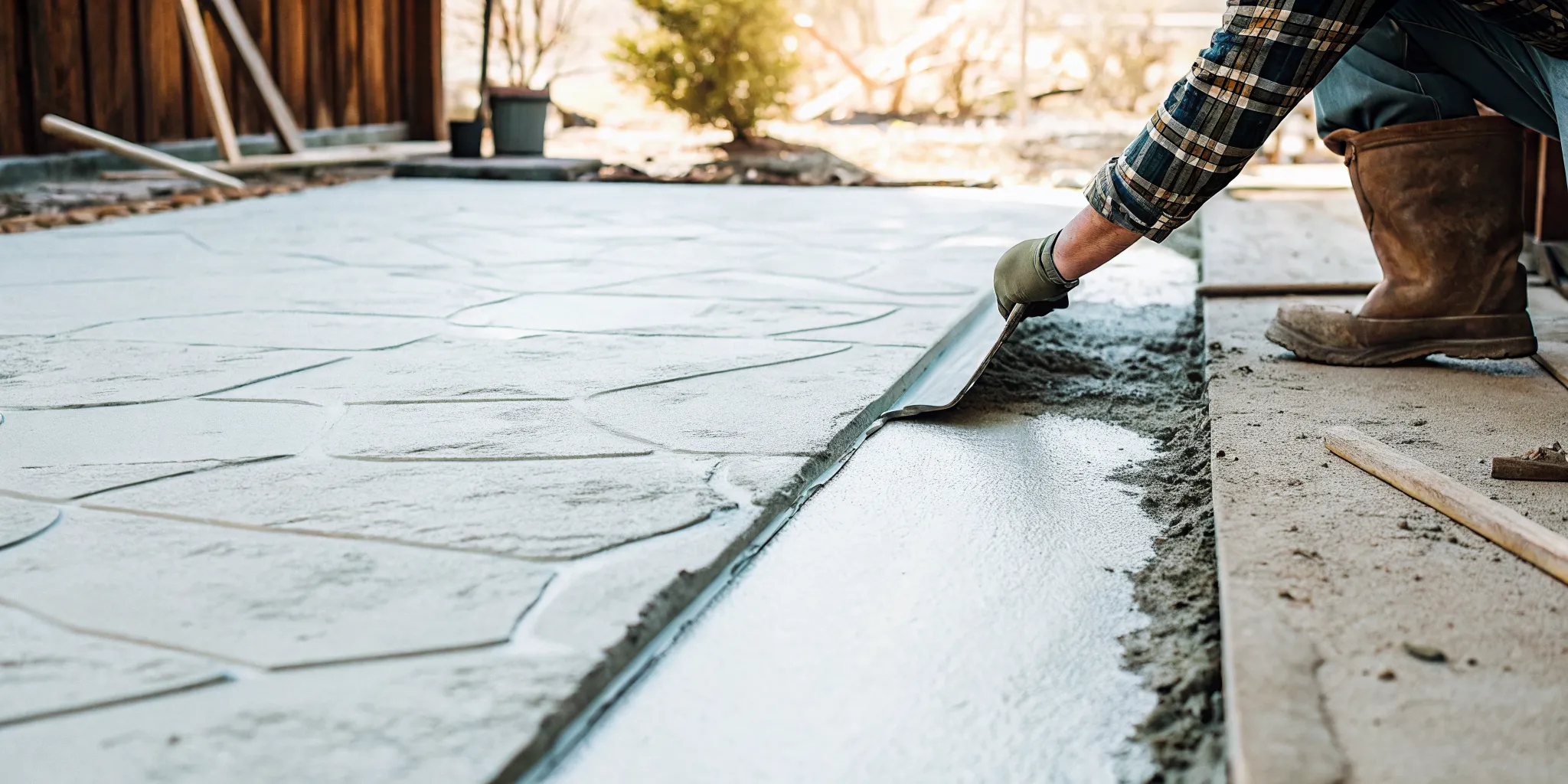
Stamped concrete begins with the same basic poured-concrete concept, but the surface is patterned while the material is workable. Imprinted textures can mimic natural stone, brick, or pavers, giving the patio a more detailed appearance without assembling hundreds of separate pieces. The result combines the visual character of masonry patterns with the strength and continuity of a single-pour concrete surface. Review stamped concrete patio options to see how patterns and finishes can support different home styles.
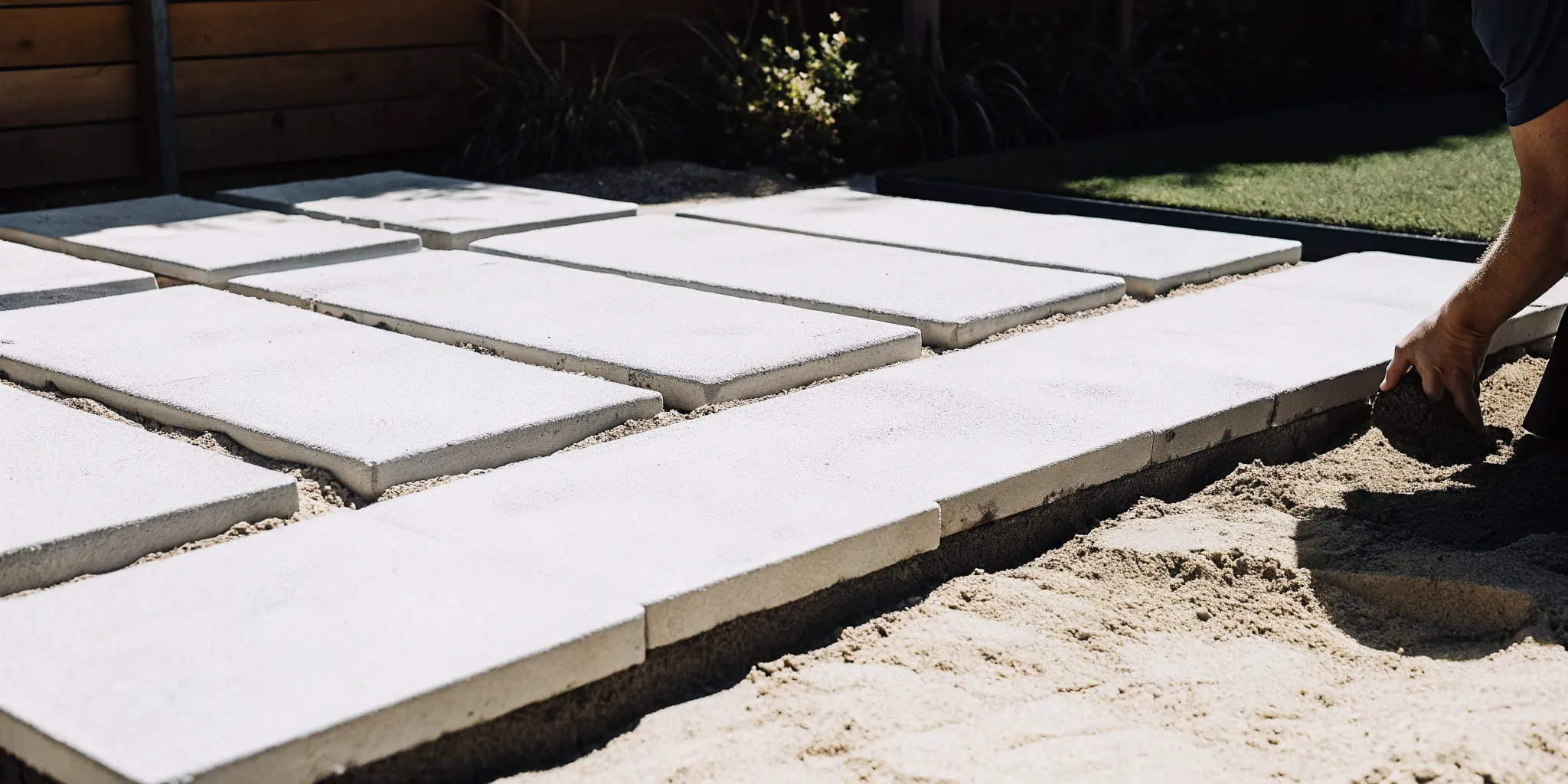
Pavers are manufactured units installed individually over a prepared base. The separate blocks allow the surface to flex somewhat when the ground shifts, making pavers less prone to cracking from movement than a monolithic slab. Their modular construction also supports targeted repairs, since a damaged unit can be removed and replaced without disturbing the entire patio. The tradeoff is that pavers depend on careful base preparation and consistent alignment to remain stable and presentable.
The best starting point is to match the material to the way the patio will be used and the visual relationship it should have with the home. A contractor can then evaluate the site, grade, drainage, and soil conditions before recommending a surface and installation approach.
Patio Durability in Denver’s Freeze-Thaw Climate
In the Denver Metro Area, a patio’s long-term performance depends as much on what lies beneath it as on the surface material. Proper drainage, a deep compacted sub-base, and installation details suited to seasonal ground movement help concrete and pavers remain stable through repeated freezing and thawing.
Concrete can perform well in this climate when the installation includes an appropriate sub-base and carefully planned control joints. Freeze-thaw cycles place stress on hard surfaces as moisture freezes, expands, and later thaws. A properly prepared base supports the slab and helps limit movement, while control joints give predictable locations for natural shrinkage and expansion. They do not eliminate every hairline crack, but expert placement can minimize crack visibility and help preserve a clean layout. The right preparation matters more than choosing a surface based on appearance alone. See the concrete contractor service page for more information about site-specific concrete installation.
Why Denver soil preparation matters
Denver properties often contain expansive clay soils, which can swell when wet and contract as they dry. That movement can push against a patio or leave voids beneath it, increasing the risk of heaving and uneven areas. For both concrete and pavers, a deep, well-compacted sub-base is essential. Skipping or underbuilding this layer can undermine an otherwise well-finished patio.
How pavers respond to ground movement
Pavers are made from individual units rather than one continuous slab. Their segmented construction allows the surface to flex with some ground movement, making pavers less prone to a single long crack caused by shifting soil. If a unit does become damaged or an area settles, individual pavers can be lifted, the base corrected, and the surface reset without disturbing the entire patio.
That flexibility does not remove the need for skilled preparation. Pavers still depend on a stable, properly compacted base and secure edge restraint. In either system, thoughtful grading and professional installation are the foundation of durability in Denver’s changing climate.
How Much Maintenance Does Each Patio Surface Need?
All three patio surfaces benefit from simple seasonal cleaning, but their ongoing care is different. Pavers need attention between individual units, while stamped concrete depends more on periodic sealing to preserve its finish.
For any patio in the Denver Metro Area, light power washing can remove dirt, organic debris, and surface buildup from concrete, stamped concrete, and pavers. Use an appropriate pressure setting and avoid directing force into paver joints or damaged concrete, since aggressive cleaning can loosen joint material or worsen surface wear.
Standard and stamped concrete care
A standard concrete patio generally has a straightforward maintenance routine. Sweep it regularly, rinse away accumulated debris, and watch for areas where water remains on the surface. Its continuous design means there are no joints filled with sand that need to be replenished.
Stamped concrete adds a decorative pattern and colored finish, so it needs an additional protective step. Plan to re-seal stamped concrete every two to three years, depending on exposure and wear. Periodic sealing helps protect the pattern and retain color vibrance as the patio is exposed to sunlight, moisture, foot traffic, and seasonal changes. A clean, dry surface and proper preparation are important before any sealer is applied.
Paver joint maintenance
Paver patios can be cleaned in much the same way, but the spaces between units require closer attention. Joint sand may wash out over time, especially where runoff crosses the patio or during repeated cleaning. Those joints can also become a place for weeds to grow. Removing weeds and replenishing joint material helps keep the surface stable and its appearance orderly.
This does not make pavers a poor choice. Their individual-unit construction can make localized maintenance practical, because a damaged or stained paver can be replaced without disturbing the entire patio. The tradeoff is a more active joint-care routine, whereas concrete typically calls for periodic sealing, particularly when a decorative stamped finish is part of the design.
During planning, consider which maintenance pattern fits your routine. A homeowner who prefers a continuous surface may favor concrete, while someone comfortable managing joints may appreciate the flexibility of pavers. Good installation, sensible cleaning, and timely maintenance support lasting results for either surface.
How Do Concrete, Stamped Concrete, and Pavers Look Different?
Plain concrete, stamped concrete, and pavers can all create an attractive Denver Metro Area patio, but they produce different visual experiences. The best choice depends on whether you value a calm, continuous surface, a tailored architectural match, or broad pattern flexibility.
| Feature | Plain concrete | Stamped concrete | Pavers |
|---|---|---|---|
| Durability | Continuous, stable surface when properly installed. | Concrete slab performance with a decorative surface. | Individual units provide flexibility as the ground shifts. |
| Maintenance | Simple surface care, with periodic sealing as appropriate. | Periodic sealing helps protect the pattern and color. | Joint sand may need attention when it washes out or weeds appear. |
| Design variety | Exposed aggregate and broom finishes add texture and traction. | Patterns can resemble stone, brick, or pavers and match the home’s architecture. | Wide combinations of colors, shapes, and textures support custom layouts. |
| Denver climate fit | Performs well with suitable base preparation and control joints. | Uses the same concrete foundation principles, with finish protection. | Flexible units can respond to some ground movement when installed over a prepared base. |
| Repair ease | Repairs may be visible across a continuous surface. | Surface repairs can require careful pattern and color matching. | Individual damaged units can be replaced without removing the entire patio. |
Choosing a visual direction
Plain concrete is a strong fit for modern designs, clean furniture arrangements, and outdoor kitchens that benefit from a smooth, continuous floor. Its stable surface also makes it easier to position furniture and move rolling patio features without uneven gaps. A broom finish or exposed aggregate can add visual character while improving traction. Concrete patio installation should account for both the finish and how the surface will be used.
Stamped concrete creates a more integrated transition between the home and patio. Patterns can be selected to complement rustic, traditional, or modern architecture, producing a cohesive appearance rather than a disconnected slab. Pavers offer the broadest mix-and-match palette, making them useful when borders, bands, curves, or distinct zones are central to the design. For additional inspiration, review these stamped concrete patio options.
How to Decide Between Concrete vs Pavers for a Denver Patio
The right patio material depends on how you plan to use the space, how much design flexibility you want, and how you prefer to handle future repairs. Concrete creates a smooth, stable foundation for everyday outdoor living, while pavers offer adaptable design and easier access to individual repairs.
- Concrete suits dining tables, lounges, and rolling furniture that need stable, even footing.
- Stamped concrete adds a patterned, decorative finish while keeping the continuity of a single pour.
- Pavers flex with minor ground movement and allow one damaged unit to be replaced alone.
- Concrete requires periodic sealing for decorative finishes and simple surface care otherwise.
- Pavers need more attention at their joints, including weed control and joint-sand replacement.
- Denver freeze-thaw durability depends on base preparation and grading for every material.
- Permeable paver joints can route more runoff into the soil when the base is designed for it.
Choose concrete for a smooth, stable gathering surface
Concrete is often the practical fit when your patio will hold a dining table, lounge furniture, a grill, or rolling features such as a serving cart. Its continuous surface reduces the uneven gaps that can make furniture legs wobble or rolling chair legs catch. That clean surface also works well for homeowners who prefer a simple, orderly backdrop for furniture, planters, and outdoor activities.
Concrete can support more than one visual style. Texture choices such as a broom finish or exposed aggregate can add traction and visual interest. A properly planned slab should include suitable base preparation and control joints, which help manage movement during Denver’s freeze-thaw cycles. The installation team should also review grading and drainage so water moves away from the home’s foundation.
Choose pavers for repair access and future flexibility
Pavers make sense when you want a patio that can evolve with your property. Because the surface is built from individual units, a damaged or stained paver can be removed and replaced without disturbing the entire patio. This repair approach can be especially useful in active outdoor areas where isolated wear is more likely.
Pavers are also adaptable if your plans change. Units can be removed, repositioned, or added when you expand the footprint, adjust a seating area, or connect the patio to another part of the yard. Their broad range of shapes, colors, and textures makes it easier to define separate zones for dining, conversation, cooking, or pathways. They do require careful base preparation and attention to joints so the finished surface remains stable and attractive.
Match the material to the way you will use the patio
Neither option is universally better. Both concrete and pavers can add value when they support your goals, preferred style, and desired maintenance level. Start by mapping furniture, circulation paths, shade, grilling, and entertaining zones. Then review those needs alongside your broader outdoor living spaces plan.
If you are still weighing layout, access, and long-term use, begin with planning your Denver patio. A site-specific review can clarify whether a continuous slab or flexible paver system will serve your household better.
Drainage and Runoff: Planning for Denver’s Climate
Drainage planning should happen before a patio surface is selected, because Denver’s freeze-thaw cycles and intense rain events can expose weak grading or poor water management. Both concrete and pavers can perform well when the design directs water away from the home and accounts for how much water the surface allows to pass through.
The first step is to assess existing drainage patterns and grade the patio area so water moves away from the foundation. This protects the home and helps prevent standing water around the patio edge. A carefully prepared base, suitable slope, and intentional transition to surrounding soil or planting areas are more important than choosing a material by appearance alone.
How permeable surfaces manage runoff
Traditional concrete is an impervious surface, so rainwater generally moves across it rather than infiltrating through it. The Massachusetts Department of Environmental Protection notes that concrete patios can contribute to faster stormwater runoff, erosion, and localized flooding when water leaves the property too quickly. Mass.gov’s stormwater guidance explains why reducing impervious surfaces can help homeowners manage runoff.
Permeable pavement offers another approach. The U.S. Environmental Protection Agency describes permeable pavements as surfaces that let stormwater infiltrate through the pavement and into the ground below, reducing runoff and flooding. The EPA permeable pavements guide covers this stormwater-control strategy in more detail.
For a paver patio, permeable joint spacing can allow more water to pass between individual units than a conventional poured slab. That benefit depends on the complete assembly, including the joint material, compacted base, underlying soil, and site grading. Pavers are not automatically permeable simply because they are made from separate pieces.
Drainage options for concrete patios
Concrete remains compatible with thoughtful drainage design. A poured patio can incorporate a planned slope, edge drainage, or integrated drainage channels that direct runoff toward an appropriate collection or infiltration area. The layout should prevent discharge toward the foundation, neighboring property, or a walkway where winter water could freeze and create a hazard.
When planning outdoor living spaces in the Denver Metro Area, review roof downspouts, yard grading, planting beds, and nearby hardscape as one connected system. A patio that looks excellent on installation day will serve the property better when its drainage details are designed with the whole site in mind.
Contact Faros Construction Company to review your patio options
Frequently Asked Questions
Which patio surface handles Denver’s freeze-thaw cycles best?
Both concrete and pavers can perform well when installed over a properly prepared, compacted base. Pavers have an advantage when minor ground movement occurs because their individual units can flex instead of forcing one continuous slab to absorb every shift. Concrete can also be a durable choice when the sub-base, grading, and control joints are designed for local conditions.
Are paver patios harder to install than concrete patios?
Usually, yes. A paver patio requires carefully compacted base layers, accurate leveling, edge restraint, and consistent joint spacing before the individual units are placed. Concrete is poured as one continuous surface, but it still requires thoughtful excavation, reinforcement or base preparation, grading, finishing, and control-joint placement. The quality of either installation depends heavily on preparation rather than the surface material alone.
Which patio material is easier to repair?
Pavers are generally easier to repair in a localized area. A damaged or stained unit can be lifted out and replaced without removing the entire patio surface. Concrete repairs may involve patching, resurfacing, or replacing a larger section, and the repaired area may not match the surrounding finish exactly. Discuss likely repair access during design, especially near trees, downspouts, or utility routes.
How often does stamped concrete need to be resealed?
Stamped concrete should typically be resealed every two to three years to help protect its pattern, color, and surface from wear. The schedule can vary with exposure, traffic, weather, and the condition of the existing sealer. Regular cleaning and timely maintenance help preserve the finished appearance, while pavers usually need more attention at their joints, including weed control or replacement of washed-out joint material.
Choosing the right patio surface for your Denver home comes down to how you plan to use it and how much upkeep you want. A skilled contractor can help you weigh these trade-offs against your goals.
Ready to build a patio that lasts through Colorado’s winters? Contact us to schedule a consultation and talk through concrete, stamped concrete, and paver options for your outdoor space.
Schedule Your Patio Consultation with Faros Construction Company