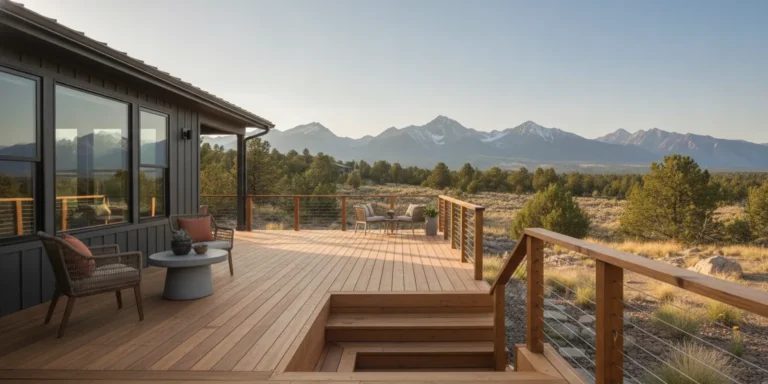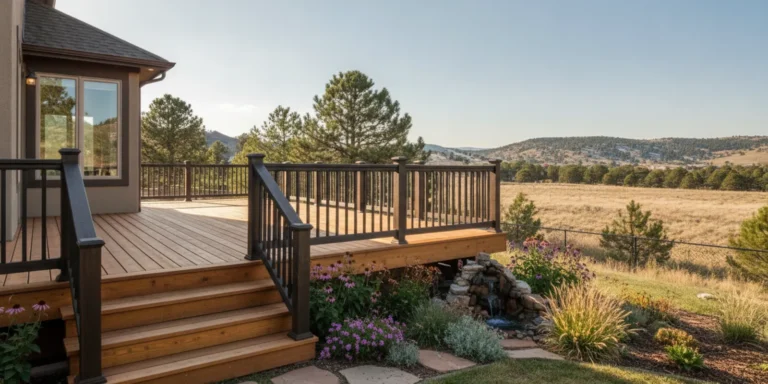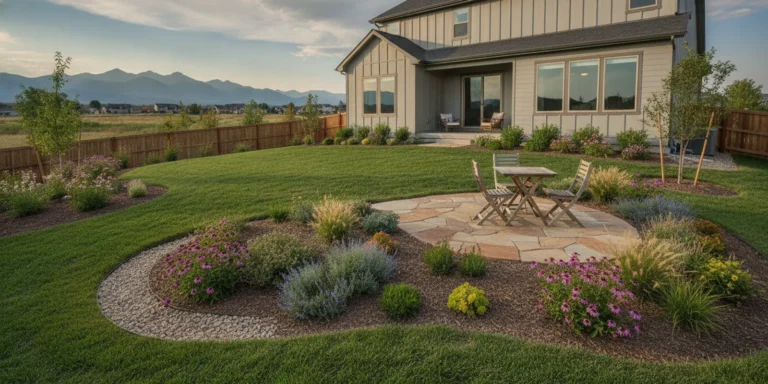

A dark yard in the Denver Metro Area hides your property’s best features and compromises safety after sunset. Strategic illumination expands your usable outdoor living spaces while creating an inviting atmosphere for family and guests.
Request your free landscaping consultation with Faros Construction Services today.
Effective landscape lighting ideas for Colorado homes focus on improving walkway safety, enhancing home security, and highlighting the beautiful, unique architectural features of your property. For your yard, choosing twelve-volt, low-voltage systems is highly recommended because they are much safer and easier to install than standard high-voltage options. Incorporating modern light-emitting diode (LED) fixtures ensures great energy efficiency and a long lifespan, which reduces energy use while providing bright, dependable yard illumination. Because of temperature extremes in the Denver Metro Area, you need durable, weather-resistant fixtures that withstand harsh winters and hot summer seasons. This proper design preserves the nighttime use and enjoyment of your property while aligning with official Boulder County outdoor lighting guidelines.
How do you design an outdoor system that delivers all of these safety and beauty benefits for your home? To understand the professional planning behind these custom designs, we must first look at Why Landscape Lighting Matters for Denver Yards. The path begins with
Why Landscape Lighting Matters for Denver Yards
Quality outdoor lighting improves safety, curb appeal, and home security. It makes your yard much more useful after the sun goes down.
More time for outdoor living
Many families invest in great outdoor living spaces but only use them when the sun is up. Outdoor lights let you host dinners, read on the patio, or relax with family late into the night. It changes how you use your yard. Instead of heading inside at dark, you can enjoy the fresh air for several more hours. Simple fixtures create a warm glow that makes your deck or patio feel like a natural room of your house. It brings your family together in a comfortable space.
Safety, security, and curb appeal
A dark yard can hide trip hazards like steps, roots, and uneven paths. Good path lights show the way and prevent falls for you and your guests. Bright lights also deter unwanted guests by removing dark corners around your doors and windows. Beyond safety, smart lighting makes your home look stunning from the street. It highlights your trees, pathways, and the best parts of your home design, which makes the whole property look more complete. This curb appeal creates a great first look.
Climate durability and sustainable design
Planning a system in the Denver Metro Area requires the right fixtures. In Denver’s climate, lighting fixtures must be durable enough to withstand temperature extremes and yearly changes. Heavy winter snow and hot summer sun can quickly damage cheap metals. You should choose tough brass or copper fixtures that stand up to the weather. These strong materials will keep your system working for a long time.
A guide on sustainable landscaping from Colorado State University notes that green yards should fit the local climate. These yards need very few extra inputs like energy or water. Choosing LED lights fits this local goal. It saves energy while still making your yard look great.
Finally, you must think about your neighbors. Proper landscape lighting design looks at where to place fixtures to avoid creating harsh shadows or light pollution for neighbors. You should shield your bulbs and aim them down. This keeps light on your pathways and protects the night sky. It is a simple way to be a good neighbor while lighting your yard.
Path Lighting: Light the Way Through Walkways and Driveways
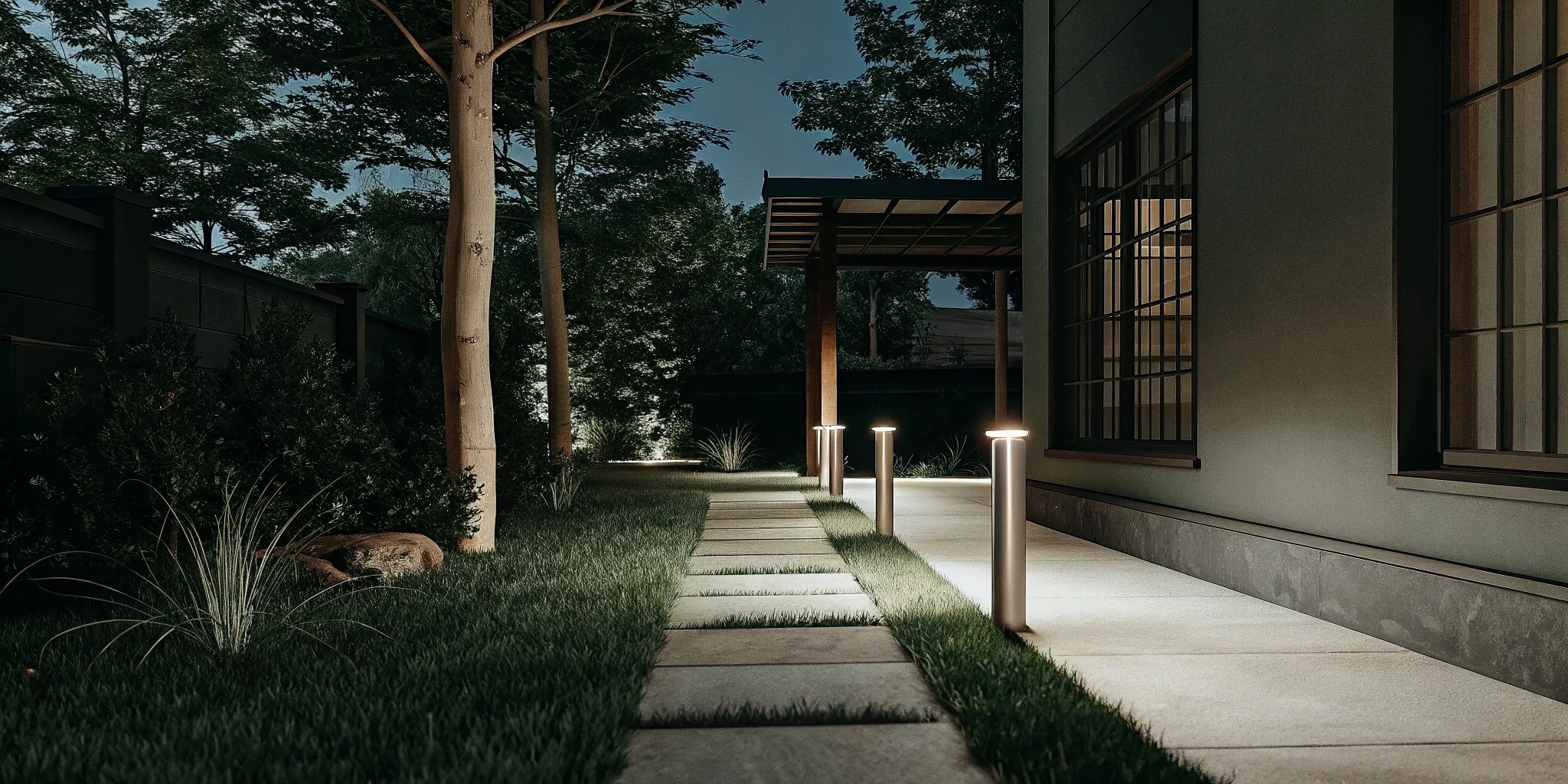
Smart path lighting uses downward fixtures spaced six to eight feet apart. This simple layout makes walkways safe and guides foot traffic without causing harsh glare. Outdoor walks stay bright but easy on the eyes.
Smart Spacing and Fixture Layout
Our team’s hardscaping services help you plan the best setup. For most homes, we use LED pathway lights spaced about six to eight feet apart along driveways and stone paths. This spacing keeps the light even and avoids dark patches. We stagger the fixtures on both sides of the walk to draw the eye forward.
If fixtures are set too far back, plants can block the beam and make dark shadows. Placing them too close to each other makes your yard look cluttered. We map out each spot before we dig. This ensures a clean look that works with your garden design. Proper layout guides guests smoothly along your path.
Low Height and Glare Control
Local outdoor lighting requirements show how light pollution can harm nighttime views. To avoid this, use low fixtures with shielded tops. These lights direct their glow down toward the walking paths instead of into your eyes. Glare can blind you as you walk, which makes trips more likely. This design keeps paths bright while shielding the sky.
For best results, place your fixtures close to the path edge. If fixtures are set too far back, plants can block the beams. This makes dark shadows that hide rocks or roots. Our team sets fixtures low to blend into garden beds and guide your feet.
Safety on Steps and Stairs
Outdoor stairs are the most risky parts of any walkway at night. Just one dark step can cause a bad trip. Because of this, using flush step lights or under-tread lights is vital for homes in the Denver Metro Area. These fixtures fit into the stairs to light each step clearly.
We can mount small lights right into the step risers or under the tread lips. This makes a soft glow. It highlights each step clearly without shining in your eyes. Well-placed step lights also make your deck or patio look warm. When planning your landscape lighting, always make these high-risk zones your main focus.
Accent and Uplighting to Showcase Trees and Architecture
Accent lighting and uplighting highlight your yard’s best features by casting light upward onto walls, trees, and garden structures. These methods create striking shadows and add depth to your yard after dark.
Uplighting and downlighting techniques
Uplighting is a great way to show off the natural beauty of your trees. Placing a light at the base of a tree trunk washes the bark in a warm glow. This draws the eye up into the green branches. This technique works well on mature trees with thick trunks or unique bark patterns. You can also place these fixtures near stone walls or pillars to highlight their texture.
Downlighting works the other way and mimics the soft feel of natural moonlight. To get this effect, we place fixtures high up in the tree branches to cast a gentle light downward. The light filters through the leaves to create soft shadows on your lawn and walkways.
Spotlighting unique focal points
You can also use spotlighting to focus on key parts of your landscape. For example, a flagpole needs proper care so it looks its best at night. A flagpole often needs two or three focused lights aimed from separate sides. This ensures the flag is easy to see from any angle without dark spots.
When you set up these lights, you must plan their placement to avoid glaring into your neighbors’ yards. Under the Boulder County outdoor lighting requirements, quality setups must limit light pollution. Using shielded fixtures helps keep the light focused only on your home and plants while keeping the night sky dark.
Illuminating custom pergolas
A custom pergola is another great spot for custom accent lights. Mounting small fixtures on the posts can wash the wood columns in warm light and make the space feel cozy. This turns your structure into a lovely focal point for your backyard after the sun goes down. Using a mix of uplights and downlights on these structures adds both safety and charm to your outdoor living space.
Task Lighting for Outdoor Kitchens and Gathering Spaces
Task lighting provides focused light for cooking, grilling, and other active backyard tasks. Placing these bright lights over counters and grills ensures you can use your yard safely after the sun goes down.
Grilling areas and cooking zones
When cooking outside, you need clear light to see what you are doing. Proper outdoor lighting over your grill helps you check food and avoid burns. Under-shelf LED strips work well to light up prep spaces without taking up room. Task lighting is essential for outdoor cooking areas or workspaces to ensure safety and functionality.
These bright fixtures should face downward to keep the glare out of your eyes while you work. Using warm LED lights also prevents bugs from crowding around your food prep zones. When you design these spaces, think about how you move between the grill and the prep table. Using separate switches for each area lets you turn on only the lights you need.
Dining spaces and socializing areas
A great backyard setup needs soft but clear light where people gather to eat. Hanging pendant lights above an outdoor table creates a warm feel while lighting up plates and drinks. You can also weave these focused fixtures into your larger plans for outdoor living spaces. Adding dimmers to these areas lets you shift from bright cooking light to soft party light.
Safety and local lighting standards
Proper lighting design does more than just look pretty; it also keeps your paths and work zones safe. When you plan these lights, follow the rules from Boulder County to design fixtures that preserve safety and minimize light pollution. Good lights should light up paths without throwing harsh glare onto other yards. This smart layout protects the dark sky and keeps your backyard safe and warm.
Landscape Lighting Ideas for Colorado: LED, Low-Voltage, and Durability
Setting up smart landscape lighting ideas in Colorado requires choosing energy-efficient fixtures that can withstand Denver temperature extremes and seasonal changes. By focusing on low-voltage systems and LED options, you can create a safe, durable, and beautiful outdoor space.
LED Fixtures for Colorado Landscapes
LED fixtures are a top choice for yard design because of their energy efficiency and long lifespan. Homeowners who want to upgrade their yards can find many smart options that save energy. Using these fixtures is a key part of choosing energy-efficient upgrades for your property.
According to the U.S. Department of Energy, quality LEDs use at least 75% less energy than standard bulbs. They also last much longer, which means you spend less time replacing burnt bulbs. This makes them the best choice for lighting up pathways, trees, and patios.
| Feature | LED | Halogen |
|---|---|---|
| Energy Use | About 75% less | Much higher |
| Lifespan | Years | Short |
Why Low-Voltage Systems Make Sense
Most yard lighting designs use low-voltage systems. These systems run on 12 volts of power instead of the 120 volts found in standard home outlets. Low-voltage landscape lighting systems are much safer and easier to install than line-voltage systems.
To set up this system, you need a transformer and wire runs. The transformer plugs into an outdoor outlet and steps the power down to a safe level. Then, you run thin wires from the transformer to each light fixture. This simple setup means you do not have to dig deep trenches to bury heavy conduits.
Durability and Light Pollution in Denver
In Denver’s climate, lighting fixtures must be durable enough to withstand temperature extremes and seasonal changes. Colorado winters bring heavy snow, freezing winds, and fast temperature swings. Using solid brass or copper fixtures ensures that your system keeps working through the coldest months of the year.
A great design also keeps light where it belongs. According to Boulder County outdoor lighting requirements, poor layouts can cause skyglow, light trespass, and glare. Proper landscape lighting design considers the placement of fixtures to avoid creating harsh shadows or light pollution for neighbors. Directing fixtures downward ensures safety while keeping the night sky clear.
How to Plan Your Landscape Lighting Installation
Planning your landscape lighting needs mapping out key zones, choosing low-voltage fixtures, and sketching a safe wire path. A clear plan makes sure your yard is well lit while stopping issues like voltage drop and light pollution.
Keys to a smart design
When building outdoor living spaces, having clear landscape lighting ideas is key. Good design means placing fixtures to avoid harsh shadows or light pollution for neighbors. Well-made lights keep your yard safe while meeting local rules, like the Boulder County lighting code. Using a low-voltage system is also safer and more simple than working with high-voltage lines. It gives you a well-lit yard without the risks of standard power.
Steps for planning your layout
A simple plan makes your setup run smoothly. Follow these steps to map out your system before you buy any parts or dig any trenches in your yard.
- Define your lighting goals and zones. Walk through your yard at night to find paths, trees, and seating areas that need light. Focus on areas where you want to gather with guests.
- Choose fixture styles for each zone. Select path lights for walkways, uplights for large trees, and downlights to copy the soft look of moonlight on your deck or grass.
- Map your transformer placement and wire runs. Place the power box near an outdoor outlet. Sketch out where each line of low-voltage cable will run to power your fixtures.
- Group your fixtures on low-voltage runs. Keep your total wattage well below the limit of your power box. This stops a drop in light quality at the end of the line.
- Plan your controls, timers, and dimmers. Use smart timers that adjust as the seasons change. This makes sure your lights turn on only when the sun sets in the evening.
- Hire a pro installer for layout and wiring. A skilled pro ensures all cables are buried safely and the fixtures are strong enough to withstand wet winter weather.
Common Landscape Lighting Mistakes to Avoid
Poorly planned yard lights can cause blinding glare, bother your neighbors, and fail during cold winter months. Setting up your yard lights with the right fixtures, angles, and controls will keep your outdoor space safe and bright.
Light trespass and glare
Many owners make the mistake of aiming bright lights straight out instead of down. This creates harsh glare that hurts your eyes and shines straight into the windows of nearby houses. Proper design means you must place and angle each light to highlight your yard without shining past your lot lines. Based on the outdoor lighting requirements in Boulder County, bad lighting causes light pollution, skyglow, and light trespass. You should choose fixtures that keep the bulb shielded from direct view. Good design also stops lights from throwing harsh shadows that make your yard feel unsafe.
Over-lighting and poor control
One more common mistake is using too many bright bulbs that wash out entire walls. If you want smart landscape lighting ideas, a great design uses contrast and dark spots to create depth. You do not need to light up every square foot of your space to make it look nice. When you plan your spring landscaping, think about how each zone will connect. You should also avoid skipping smart controls like timers or dimmers. Timers make sure your lights turn off when they are not needed, which saves power and respects the night sky. Using smart dimmers lets you change the light levels for each event.
Weak fixture durability
Buying cheap plastic fixtures from big retail stores is a mistake that will waste your money over time. In the Denver Metro Area, yard lights must face extreme heat and cold, heavy snow, and strong sun. Cheap fixtures often crack, fade, or leak during cold winter storms. You should buy tough brass or copper fixtures that are built to last. Tough fixtures keep your system running and help preserve safety while keeping your yard fun to use at night.
Request your free landscaping consultation today and let an expert team plan a durable, professional lighting system for your Denver yard.
Frequently Asked Questions
Why is low-voltage landscape lighting preferred over line-voltage systems?
Low-voltage landscape lighting systems are much safer and easier to install than line-voltage options. Running on just twelve volts, they do not pose a risk of serious shock if a wire is cut. This makes them ideal for yards in the Denver Metro Area where digging or pets can disturb buried lines. According to Faros Construction Services, these setups use a small transformer to step down household power safely while lighting up your outdoor areas.
Are LED landscape lights more energy efficient than traditional halogen bulbs?
Yes, LED lighting fixtures are great for landscape lighting because they save lots of power and last a long time. They use up to eighty percent less power than older halogen bulbs. This drop in power use reduces your monthly bills while giving bright light to your home. According to Faros Construction Services, LED lights also last much longer, which means you do not have to change bulbs often.
Do outdoor landscape lights hold up through Colorado winters?
Yes, outdoor lighting fixtures can easily withstand Colorado winters if you use the right metals. In the Denver Metro Area, harsh winter cold and heavy snow can damage cheap plastic fixtures. To prevent this, you should select high-quality brass or copper fixtures. According to Faros Construction Services, solid brass fixtures are tough enough to handle deep freezes and yearly changes without cracking or rusting.
How far apart should landscape path lights be spaced to prevent glare?
Path lights should be spaced six to eight feet apart to keep walkways safe without creating harsh glare. Placing lights too close together creates bright spots that hurt your eyes at night. According to outdoor design guidelines from Boulder County, proper placement will minimize light pollution while keeping your property safe and secure.
Ready to light up your beautiful Denver backyard this season?
Leaving your dark yard without proper light makes walkways unsafe for your family and guests and limits how you use your outdoor spaces during warm summer nights. Starting your design now ensures you get to enjoy bright pathways and patios as soon as the warm Colorado weather arrives. Our local family team can help you choose durable, professional fixtures for your outdoor living spaces before the busy season begins.
Ready to start your project? Request your free landscaping and outdoor living consultation today to plan your new lighting system with our expert team. We make it very easy to get the safe, beautiful, and bright backyard you want for your Colorado home.