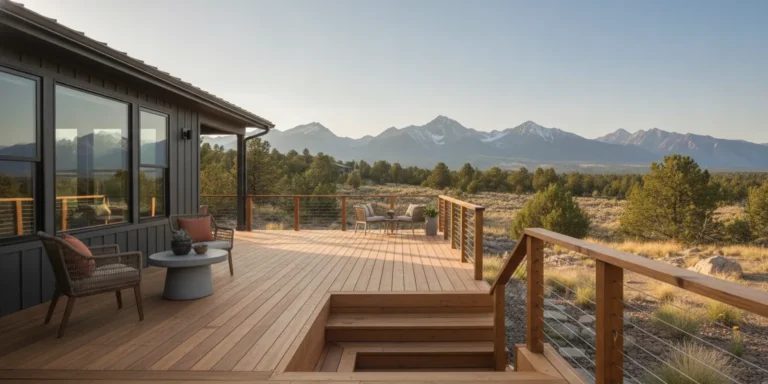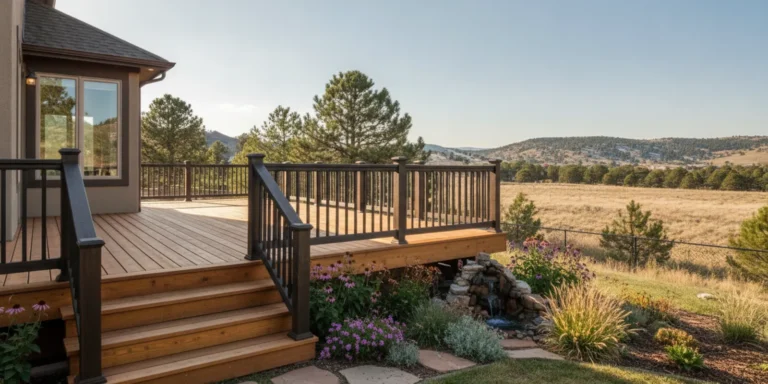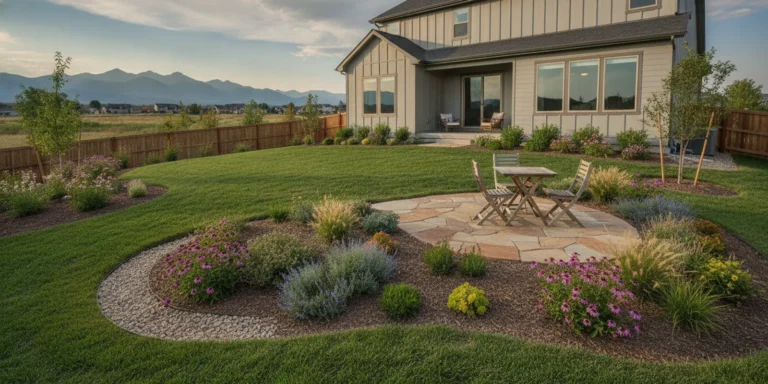

An empty concrete patio does little to boost your backyard living space. Investing in custom outdoor kitchens turns raw yard space into a useful extension of your home.
To start planning your backyard project, schedule a free consultation with our owner-led team.
Custom outdoor kitchens provide the best cooking and dining experience for homeowners in the Denver Metro Area who want to upgrade their backyards. An expert setup often includes premium appliances, built-in grills, durable stainless steel cabinets, weather-resistant countertops, and cozy seating areas for your guests. To ensure this backyard investment lasts through Colorado’s freezing winters, you must choose durable building materials and plan a very useful layout. According to a cooking safety guide from the University of Colorado, these setups need a thirty-six-inch clearance from combustible walls to prevent fire hazards. Planning these custom layouts with local building codes in mind helps you build a secure, durable, and beautiful space for your family.
If you are ready to design a backyard cooking area, you probably want to know what to add to your setup. You might wonder, What Does a Custom Outdoor Kitchen Include? The answer depends on your cooking style, but the path begins with
What Does a Custom Outdoor Kitchen Include?
A custom backyard setup is one of the most useful custom outdoor living spaces you can build. High quality outdoor kitchens include a top grill, strong counter space, weatherproof cabinets, and handy setups like sinks and outdoor fridges.
The Grilling Center and Prep Space
At the heart of every setup is the grilling center. You can choose a built in gas grill, a charcoal unit, or a wood pellet smoker. Smart layouts must keep these cooking tools away from walls made of wood or vinyl. To prevent fire hazards, always follow fire safety standards by leaving at least 36 inches of clearance from walls that can burn.
Next to the grill, you need plenty of prep space. Large stone or stainless steel counters give you room to trim meats, chop food, and set platters down. If you want to plan your layout first, you can read our outdoor kitchen design guide to learn about kitchen zones. This guide shows you how to plan clear spots for prep work, cooking, and serving guests.
Weatherproof Cabinets and Storage
Storage is a must for keeping your backyard clean and neat. Custom outdoor kitchens use metal cabinets that can stand up to heavy rain and snow. Heavy duty cabinets made of 304 stainless steel are the best choice for Denver homes. These units are built with weatherproof gaskets that keep dust, bugs, and wet weather away from your cooking tools.
Using handy drawers and doors lets you store trash cans, propane tanks, and dry goods right where you cook. Custom designs give you the freedom to choose your own layout and cabinet sizes. You can choose different paint colors and finishes to match your home style. This lets you build a clean look that blends with the rest of your patio.
Sinks and Utility Connections
To get the most out of your kitchen, you should include water and power hookups. An outdoor sink lets you wash hands and clean food without running back inside your house. Special additions like sinks and outdoor cocktail stations make your workspace much more useful. Having running water on your patio keeps your prep area clean and safe.
You should also plan for power outlets to run your outdoor fridges, blenders, and lights. Good lighting lets you cook safely after the sun goes down over the mountains. Running wires and pipes under your patio is a key step that needs expert planning. When you set up these lines the right way, your backyard cooking space becomes a fully functional kitchen.
What Outdoor Kitchen Design Ideas Work Best for a Denver Backyard?
The best layout for your yard depends on how you plan to cook and how much space you have. Setting up clear zones for cooking, prep work, and serving will help you get the most out of your backyard space.
Backyard kitchen layout shapes
You can choose from several layout shapes when planning your yard. A simple straight run works well for small patios and fits against a house wall. For larger yards in the Denver Metro Area, an L-shape or U-shape offers more counter space. You can also build an island or peninsula to create a central hub where people can gather while you cook.
An island stands alone. This lets guests walk all the way around it. A peninsula connects to a structure, like your house wall or deck rail, on one end. Both options work well for hosting because you can face your guests while cooking.
Your grill needs a 36-inch gap at the sides and back from any walls that can burn. This rule is part of the Colorado fire safety rules. You must also keep your grill out from under overhead wooden roofs to prevent fires.
Workflow and functional zones
To make cooking easy, you should plan the flow of your layout. Every good setup needs three zones: one for cooking, one for prep, and one for serving. Keeping these zones in order means you will not have to run back and forth while hosting.
When you plan the flow between zones, you should place your cold drinks and trash away from the hot grill. This keeps guests safe and lets them grab a drink without getting in your way. You can learn more about these setup steps in our outdoor kitchen design guide.
Modular and custom add-ons
Custom outdoor kitchens give you great freedom in how you build your space. You can choose tailored sizes and custom finishes. This helps you match the style of your home while creating a useful workspace.
You do not have to build everything at once. Modular add-ons allow you to expand your cooking space as your needs change over time. You can start with a grill and a simple counter, then add drawers, sinks, or trash bins later.
Custom layouts also make it easy to add water and power. You will want to plan where your gas, water, and power lines will run before you lay any concrete. Placing these lines early keeps your backyard looking clean and avoids messy changes later.
In Denver, weather is a key factor when you design your yard. You can protect your cooking area by creating shaded zones for your outdoor kitchen. A custom pergola keeps the sun off your face. This also helps define your dining space.
Choosing Outdoor Kitchen Materials That Last in Colorado
Building durable outdoor kitchens in the Denver Metro Area needs materials that can survive harsh sun and heavy snow. The best choices combine rust-proof metals, sealed cabinets, and dense stone surfaces that will not crack during freeze-thaw cycles.
Weatherproof Steel Cabinets
The base of your kitchen needs to handle wet snow and hot summer sun. Cabinetry made from heavy-gauge 304 stainless steel is the top choice because it resists rust and wear. To keep dust and moisture out of your storage areas, these cabinets should have tight, weatherproof gaskets.
High-quality outdoor-rated finishes also protect the metal from fading in the high-altitude sun. Adding corrosion-resistant hardware for your doors and drawers ensures they open smoothly year after year.
Using raw metal without a coat can lead to rust quickly in our wet winters. Expert builders apply powder coats that are baked on at high heat to create a hard shield. They also come in many colors to match your home style. Choosing these finishes means you spend less time cleaning and more time cooking.
Selecting Resilient Countertop Materials
Your countertops must withstand direct heat, freezing cold, and food prep without cracking or staining. Different surfaces offer clear benefits for outdoor cooking spaces. A quick look at the top choices helps you find the right fit for your cooking style.
Choosing a stone or metal surface depends on how you plan to use your prep space. Some stones look great but need daily care to prevent stains. Other surfaces can take hot pans straight from the grill with no damage. You want a countertop that keeps its color even in the direct afternoon sun.
| Material | Durability | Weather Resistance | Maintenance | Style |
|---|---|---|---|---|
| Granite | High strength, resists scratches well. | Stands up to heat but can fade. | Needs yearly sealing to block stains. | Classic look with natural patterns. |
| Porcelain Slab | Very strong, resists burns. | Will not fade or crack in sun. | Easy to clean, needs no sealing. | Modern design, many color options. |
| Stainless Steel | Will not crack or break. | Resists rain, snow, and rust. | Wipes clean, can show smudges. | Sleek look, matches pro appliances. |
Safe Placement and Base Foundations
Safety is just as vital as the parts you choose for your build. When planning your layout, keep cooking appliances at least 36 inches away from combustible walls on the sides and back. This safety rule comes from the University of Colorado guidelines.
This ensures your outdoor kitchen remains safe to use. You also need a strong base to support the heavy weight of stone and steel. Before you build, focus on choosing the right base for your patio. A solid base prevents the ground from shifting during winter freezes.
A shifting base can cause countertops to crack and doors to stick. When the ground freezes in winter and thaws in spring, the dirt moves. This movement can ruin a custom build if the base is too weak. Working with an expert ensures your concrete or paver base is built right to handle the heavy load.
Grill, Appliance, and Countertop Options for Your Outdoor Kitchen
Choosing the right tools and surfaces makes outdoor kitchens in the Denver Metro Area easy to use. From heavy duty grills to food prep surfaces, your choices should blend cooking safety with lasting value.
Grill and Smoker Types
Gas grills offer speed and ease for daily meals, while charcoal units give a classic smoky flavor. Pellet grills and wood smokers give you precise control for slow cooking. Choosing between these options depends on how you like to cook and how much time you want to spend on prep. When you use a smoker, you should keep the heat inside between 225°F and 300°F to cook the meat safely.
According to the CDC, you should use a food thermometer to ensure your meat is cooked enough to kill germs. Poultry must reach 165°F, while ground meats need 160°F. Whole cuts of beef or pork must hit 145°F and rest for three minutes. You should also wash your hands and clean surfaces before and after you touch raw food.
Fridges and Wet Bars
An outdoor fridge keeps drinks cold and raw meats fresh until they are ready for the heat. Adding a built-in sink or a custom cocktail station makes your yard look like a resort. These stations can hold ice, cups, and fresh garnishes for your guests. Having these wet bar tools close to your cooking space means fewer trips inside your home.
If you plan to run water and power lines to your deck, you should check our outdoor kitchen installation guide. Our guide covers how to set up plumbing and electrical lines safely. You must ensure all lines can withstand local winter freezes. Planning these details first ensures your outdoor fridge and sink work well for years.
Countertops and Venting Safety
Strong countertops are needed to support your grills and prep spaces. Granite, concrete, or stone counters offer great strength and resist the harsh Denver weather. Granite resists heat and scratches well, while concrete offers a modern, custom look. You should choose a hard, non-porous surface that is easy to wipe clean after you handle raw food.
Safety is also key when placing gas grills and side burners near walls or under roofs. Proper ventilation control is needed to prevent gas and heat build-up under patio covers. If you build your grill into a wooden frame, you must use an insulated jacket to prevent fire. Following these standards keeps your home and family safe from fire hazards.
How to Weatherproof an Outdoor Kitchen for the Colorado Climate
Protecting outdoor kitchens in Denver means choosing strong base materials and building solid roof structures. Using tough metal cabinets and keeping safe grill space will protect your kitchen from wild weather.
Denver freeze-thaw and sun challenges
The Denver Metro Area has intense winter cold and strong summer sun. These winter shifts create freeze-thaw cycles that can crack weak patio surfaces. At the same time, strong UV rays from the high sun fade regular paint and plastics quickly. You must select materials that can survive these local conditions without bending or breaking. We build custom outdoor spaces to handle these wild weather shifts so they last for many years.
Winter prep is another key step for outdoor kitchens in Colorado. You must drain all water lines before the first hard freeze in autumn. Leaving water in pipes will cause them to burst when the water freezes. You should also turn off the outdoor gas supply and cover your grill with a heavy, waterproof cover. These simple tasks save you from major repairs in the spring.
Appliance safety and roof structures
Adding a solid roof helps with protecting your outdoor cooking area from Denver weather. But you must plan your space well to prevent fire risks. A fire safety guide from the University of Colorado outlines these rules. You must keep unlisted cooking units at least 36 inches away from burnable materials at the sides and back. You also need a space of at least 48 inches at the front of the grill. Finally, never place a cooking unit under overhead burnable structures like wood patio covers.
A solid roof structure blocks both hot sun and heavy snow. Solid patio covers offer full safety for grills, lights, and seats. If you use a wooden or vinyl cover, make sure to build in proper venting for gas grills. This helps hot air and smoke escape safely during cooking. Proper design keeps your kitchen area usable even during sudden summer rain storms.
Weatherproof cabinetry and patio base
Moisture and dirt can ruin standard outdoor cabinets. To prevent this, use thick 304 stainless steel cabinets. These units feature tight rubber gaskets that seal out rain, dust, and melting snow. Choosing good metal doors and drawers keeps your cooking gear clean and dry all year.
Before building, you must focus on choosing the right base. A solid base prevents your kitchen from shifting during heavy winter freezes. You can choose between poured concrete patios or stone pavers. Poured concrete gives a flat, stable surface for heavy cooking gear. Pavers offer great choices because you can replace single blocks if they shift. Whichever option you choose, a well-sloped base will direct water away from your kitchen structure.
How Faros Builds a Custom Outdoor Living Space in Denver
Faros Construction Services uses a clear, owner-led process to build custom outdoor kitchens that withstand the local weather. We manage every phase from first planning to final checks, making sure your project brings lasting value and matches your lifestyle.
Initial planning and safety standards
Before we start building, our owner-led team checks your yard to plan safe spacing. Local rules say that grills must be set up by the maker’s guide and product listings. We also make sure that any new custom outdoor living spaces follow local town rules before we pour concrete.
We also look at fire safety rules for your cooking spot. This means we keep grills far from wooden walls and do not place them under low roof covers. Having good air vents is key to stopping fire risks, mostly in covered patios. By checking these codes early, we protect your home and stop big changes during the build.
The step-by-step building process
Building a backyard kitchen takes skilled work from start to finish. Our team handles every task ourselves rather than hiring outside help, which keeps results high. We follow a clear set of steps to make sure your project is built to last and looks good.
- Design consultation. We work with you to plan your goals and choose the best stone and metal. Our team maps the layout so you have plenty of room to cook and serve.
- Site review and permitting. Our team checks your yard’s slope, pipes, and wires. We then send full plans to local town boards to get the needed building permits.
- Foundation and patio base. We pour a thick, strong concrete pad to make a solid base. This stops your kitchen from shifting or cracking during winter freeze-thaw cycles.
- Framing and cabinetry setup. We build the frame with sturdy wood or steel. Next, we set up heavy steel cabinets and doors that can withstand the harsh Denver sun.
- Appliance and utility hookups. Our crew connects water, gas, and power lines. We then lock the grill, side burners, and other cooking tools safely into place.
- Finish work and walkthrough. Our team wraps up the stone or tile work and cleans the site. Finally, we do a walkthrough with you to check that every detail is perfect.
Lasting value for your home
Our owner-led team values lasting results over quick, low-bid deals when we build custom outdoor living spaces. We serve homeowners across the Denver Metro Area with expert care. Because we focus on high-end work, your new backyard space will stand strong for many years.
An expert team knows how to blend your new kitchen with other hardscaping. We make sure the layout flows well into your yard and matches the look of your house. If you are ready to talk about your plans, reach out to us today to schedule a free meeting.
Frequently Asked Questions
What are the outdoor kitchen trends for 2026?
Homeowners are building custom spaces that focus on real utility. Popular trends include built-in pizza ovens, beverage centers, and sleek cabinets. Many projects also use smart grills and clean lighting to make the area useful at night. To keep a clean look, choosing durable, custom finishes for metal surfaces is a big trend that matches the home exterior.
How do you design a custom outdoor kitchen?
A successful design starts with mapping your yard layout and cooking flow. You should plan distinct zones for prep, cooking, and serving guests. It is best to place your grill near utility lines but away from the wind. For lasting results, you can connect the kitchen with other outdoor living spaces like a custom patio or a shaded pergola.
What materials are best for outdoor kitchen cabinets?
The most durable option for outdoor cabinets is heavy-gauge 304 stainless steel. This metal resists rust and holds up well against harsh weather. You should also ensure the cabinet doors have weatherproof seals to keep rain and dirt out. These tough materials help protect your cooking tools and keep the kitchen looking new for years.
What clearance is needed for an outdoor grill?
Safety is critical when planning your layout. According to fire rules from the University of Colorado, unlisted grills need at least 36 inches of clearance from combustible walls. You must also keep them at least 48 inches away at the front. Never place a grill under low overhead roofs or wood decks.
Start Your Custom Outdoor Kitchen Project With Faros
Ready to turn your backyard into a true outdoor living space? Faros Construction designs and builds custom outdoor kitchens across the Denver Metro Area. Guided start to finish by an expert owner-led team that treats your project as a long-term investment.
Schedule your free consultation today.
Tell us about your yard, your favorite way to cook and entertain, and how you picture the finished space. We will walk you through layout ideas, materials, appliance options, and a build plan that fits your home and your lifestyle.