
Denver homeowners are discovering that a well-designed outdoor kitchen adds more than just cooking space to a backyard. It creates a gathering place for family and friends during Colorado’s long, sunny summers and mild shoulder seasons. But building an outdoor kitchen Denver homeowners can rely on is different from building one in a milder climate. The high altitude, intense UV exposure, freeze-thaw cycles, and sudden afternoon storms all demand thoughtful material choices, smart layouts, and experienced local construction knowledge.
Ready to start your outdoor kitchen project? Contact Faros Construction for a free estimate. Call us at (720) 594-5604 or reach out online to discuss your vision with owner Ricardo Alfaro.
This guide walks through everything you need to know about designing and building an outdoor kitchen in the Denver Metro Area. From choosing the right layout and materials to navigating permits and extending your cooking season. We cover the details that make the difference between a kitchen that lasts and one that needs repairs after a single Colorado winter.
Outdoor Kitchen Denver: Outdoor Kitchen Layouts for Denver Homes
The layout of your outdoor kitchen sets the foundation for how well the space functions. Good planning saves money and prevents frustration. Before buying appliances or picking materials, sit down and map out how you will use the kitchen. Think about the flow from food prep to cooking to serving and cleanup. A well-planned work triangle keeps these zones connected without crowding.
L-Shape Layouts
L-shape layouts place countertops and appliances along two adjoining walls, creating an open corner. This design works well in medium to large yards and fits naturally against a house or fence line. The L-shape keeps the cooking zone separate from the prep zone while allowing multiple people to work at the same time. It also leaves room for bar seating on the open sides.
Linear Layouts
Linear layouts arrange everything along a single straight counter. This is the most space-efficient option for narrow backyards, side yards, or small patios. A linear kitchen keeps the grill, sink, and prep area within easy reach but limits counter space and makes it harder to separate cooking from cleanup. For Denver homeowners with a modest outdoor area, a well-planned linear kitchen still delivers full function.
Island Layouts
Island layouts center the cooking and prep area on a standalone structure with walkaround access. This is the most social layout because the cook faces guests rather than a wall. Islands work best in larger yards and require careful planning for gas and electrical lines running through the foundation. They also need enough clearance on all sides so foot traffic does not disrupt the cook.
U-Shape Layouts
U-shape layouts wrap counters and appliances around three sides, creating an enclosed work zone. This design offers the most counter space and the clearest separation of zones. It suits homeowners who cook outdoors frequently and want a full kitchen experience. U-shape kitchens need generous yard space and a higher budget for materials and labor.
| Layout | Pros | Cons | Best Yard Shape | Budget Level |
|---|---|---|---|---|
| L-Shape | Good flow, room for seating, fits corners | Corner space can be underused | Rectangular, square | Mid |
| Linear | Space-efficient, simple, budget-friendly | Limited counter space, less social | Narrow, long | Low to mid |
| Island | Social, open access, modern look | Requires utility runs, needs space | Large, open | High |
| U-Shape | Maximum counter space, zone separation | Uses the most space, highest cost | Large, wide | High |
No matter which layout you choose, work with a contractor who understands Denver’s building codes and climate conditions. A local builder like Faros Construction can help you pick the right layout for your yard size, budget, and cooking habits. Check out our pergola ideas for Denver backyards to see how shade structures can complement your kitchen layout.
Choosing Materials That Stand Up to Denver’s Climate
Denver’s climate at 5,280 feet above sea level brings unique challenges for outdoor kitchen materials. UV radiation is roughly 25 percent stronger than at sea level, which fades and degrades ordinary materials faster. Temperature swings of 40 degrees or more in a single day are common, driving freeze-thaw cycles that crack porous surfaces.
Countertops
Granite is a top choice for Denver outdoor kitchens because it handles freeze-thaw cycles well and resists UV fading when sealed properly. Concrete counters offer a custom look and excellent durability but require professional sealing every one to two years. Soapstone is naturally non-porous and does not need sealing, making it low-maintenance in Colorado’s dry climate. Avoid tile countertops in outdoor kitchens exposed to full weather because grout lines crack and collect moisture during freeze-thaw cycles.
Cabinetry
Standard wood cabinets warp and crack within one or two Denver winters. Marine-grade polymer and high-density polyethylene cabinets resist moisture, UV, and temperature changes without deteriorating. Powder-coated aluminum and stainless steel cabinets offer a premium look with similar weather resistance. If you prefer a wood look, cedar or teak with heavy UV-resistant sealer can work but requires annual maintenance.
Flooring
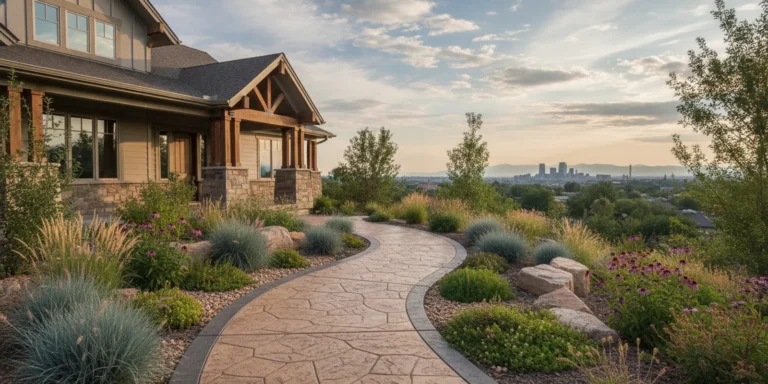
Natural stone, concrete, and high-quality pavers are the best flooring choices for Denver outdoor kitchens. These materials handle freeze-thaw movement and provide good traction when wet. Stamped concrete is a popular option because it mimics the look of stone at a lower cost while still delivering the durability Denver’s climate demands. For a detailed comparison, read our guide on concrete vs pavers for your Denver patio.
Essential Appliances for Your Denver Outdoor Kitchen
Selecting the right appliances for your outdoor kitchen goes beyond picking what looks good in a showroom. Denver’s altitude, dry air, and wide temperature swings affect how appliances perform and how long they last.
- Choose a grill with high BTU output and wind protection. Gas grills lose combustion efficiency at altitude, so look for models rated above 60,000 BTUs with built-in wind guards. Denver’s afternoon breezes can drop grill temperatures fast without proper shielding.
- Select outdoor-rated refrigeration only. Standard refrigerators fail in outdoor conditions because their compressors cannot handle temperature extremes. Outdoor-rated fridges use sealed condensers and heavy-duty insulation that keep working when it is 95 degrees in July or 20 degrees in November.
- Install a sink with a freeze-proof faucet. A sink makes food prep and cleanup far more convenient, but any exposed plumbing must be winterized. A freeze-proof faucet with a shutoff valve inside the house prevents burst pipes during Colorado’s cold months.
- Include an ice maker for warm months. An outdoor-rated ice maker produces ice faster than a fridge freezer and handles the warmer ambient temperatures of a Denver summer without breaking down.
- Consider a pizza oven for year-round cooking. Wood-fired and gas pizza ovens retain heat well and work even in cooler weather, extending your outdoor cooking season well past summer.
- Add storage and prep accessories. Weatherproof drawers for utensils, compartments for trash and recycling, and a built-in cutting board make daily use more convenient.
All appliances should carry an outdoor rating from the manufacturer. Installing standard indoor appliances in an outdoor kitchen voids warranties and creates safety hazards.
Integrating an Outdoor Kitchen with Your Existing Patio or Deck
A new outdoor kitchen should feel like a natural extension of your home, not an afterthought bolted onto the backyard. Proper integration with your existing patio, deck, or hardscape creates a seamless flow between indoor and outdoor living spaces.
Concrete Patios
Concrete patios provide an excellent foundation for an outdoor kitchen. The kitchen can be built directly on an existing concrete slab if the slab is thick enough and in good condition. For new installations, stamped or stained concrete creates a cohesive look that ties the kitchen area to the rest of the patio. Concrete handles Denver’s freeze-thaw cycles well when properly installed with control joints and a sealed surface.
Paver Patios
Paver patios offer design flexibility because individual pavers can be removed and replaced if utility lines need access. The kitchen structure requires a concrete foundation poured within the paver area. But the surrounding pavers can be cut and fitted around the new kitchen base for a clean transition.
Deck Integration
Building an outdoor kitchen on an existing deck requires careful weight assessment. A fully equipped kitchen with stone counters, appliances, and cabinetry can weigh several thousand pounds. The deck structure may need reinforcement or additional footings. Gas and electrical lines must be run safely beneath the deck surface.
Overhead Structures
A pergola, pavilion, or retractable awning protects your outdoor kitchen from Denver’s intense sun and sudden storms. Pergolas with adjustable louvers offer shade when needed and open sky when desired. Covered structures also reduce UV damage to countertops and appliances, extending the life of your investment by years. For proper drainage planning, read our guide on deck drainage solutions for Denver homes.
Permits and Regulations for Denver Outdoor Kitchens
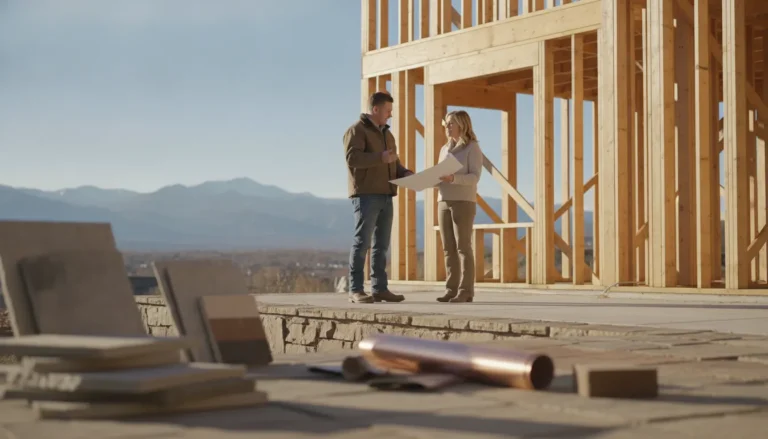
Building an outdoor kitchen in the Denver Metro Area typically requires permits for structural work, gas lines, electrical wiring, and plumbing. The specific requirements vary by city and county, so working with a local contractor who knows the process saves time and prevents costly mistakes.
When You Need a Building Permit
Any outdoor kitchen with permanent foundations, overhead structures, or attached gas lines requires a building permit. Simple grilling stations on existing patios with no structural changes may not need one. But it is always safer to check with your local building department before starting work.
Gas Line Permits
Running a natural gas or propane line to your outdoor kitchen requires a separate gas permit and must be done by a licensed professional. The line must include a shutoff valve accessible without moving the appliance and must meet setback requirements from windows, doors, and vents. The gas pressure at Denver’s altitude is lower than at sea level, so your contractor must size the line correctly for the higher elevation.
Electrical Requirements
Outdoor kitchens need GFCI-protected outlets on dedicated circuits. Lighting, refrigeration, and appliances each draw enough power that a single circuit is usually insufficient. All outdoor electrical work must meet Denver’s building code for weatherproof enclosures and conduit.
Colorado Wildfire Resiliency Code
For homes in wildfire-prone areas along the Front Range, the Colorado Wildfire Resiliency Code may require specific building materials, including Class 1 structure hardening for any attached structures. This affects material choices for pergolas, pavilions, and roof assemblies connected to the home.
HOA Considerations
If your home is in a neighborhood with a homeowners association, review the CC&Rs and submit your plans for approval before construction. Some HOAs restrict outdoor kitchen locations, structure heights, or appliance types.
Extending Your Outdoor Kitchen Season in Colorado
Denver’s outdoor cooking season can stretch from April through October with the right design choices, and dedicated cooks can use their kitchens year-round with smart additions.
Patio Heaters and Fire Features
Freestanding patio heaters, mounted infrared heaters, and built-in fire pits or fire tables extend comfortable use into cooler evenings. Infrared heaters are the most effective option because they warm people and surfaces directly rather than heating the air, which is less efficient in Denver’s dry climate.
Retractable Covers and Wind Protection
Motorized retractable awnings or side screens block wind and provide instant shade on hot afternoons. These are especially useful in Denver, where calm mornings can turn into breezy afternoons within an hour. Wind breaks made of glass, stone, or weather-resistant fabric also help maintain cooking temperatures.
Cold-Weather Storage
Even with the best materials, some components need winter protection. Removable cushions, portable accessories, and temperature-sensitive items should be stored indoors during the coldest months. A dedicated storage cabinet or bench on the patio makes this transition easier.
Frequently Asked Questions About Outdoor Kitchens in Denver
How much does an outdoor kitchen add to home value in Denver?
A professionally built outdoor kitchen in the Denver Metro Area typically adds significant resale value by increasing usable living space. Real estate professionals in Colorado report that well-designed outdoor kitchens rank among the top home improvement projects for return on investment. Particularly in the move-in ready segment of the housing market.
What materials are best for outdoor kitchens in Colorado’s climate?
Granite, concrete, and soapstone countertops paired with marine-grade polymer or stainless steel cabinetry offer the best durability for Denver’s freeze-thaw cycles and strong UV exposure. Natural stone, concrete, and high-quality pavers work best for flooring. All materials should be rated for outdoor use and sealed appropriately.
Do I need a permit for an outdoor kitchen in Denver?
Most permanent outdoor kitchen installations require building, gas, electrical, and plumbing permits from your local city or county building department. A reputable local contractor will handle the permit process as part of the project. Always verify requirements before starting construction, as unpermitted work can create issues when selling the home.
How do you protect outdoor kitchens from Denver weather?
A covered structure such as a pergola, pavilion, or retractable awning is the most effective protection. Choosing weather-resistant materials designed for freeze-thaw and UV exposure is essential. Proper sealing of countertops and annual maintenance checks keep the kitchen in top condition through Denver’s seasonal changes.
How far should an outdoor kitchen be from the house?
Outdoor kitchens are typically placed 10 to 20 feet from the house. This distance keeps smoke and cooking odors away from windows and doors while keeping the kitchen close enough for convenient access to the indoor kitchen for supplies. Local building codes also specify minimum setbacks from property lines and structures.
Build Your Outdoor Kitchen With a Trusted Denver Contractor
An outdoor kitchen is a long-term investment in your home and your lifestyle. Getting the layout, materials, appliances, and permits right from the start saves thousands of dollars in repairs and replacements down the road. With Denver’s unique climate and building requirements, working with a local builder who understands these factors is the smartest decision you can make.
Faros Construction Services has spent decades building outdoor living spaces for Denver Metro Area homeowners. Owner Ricardo Alfaro personally oversees every project to ensure quality, durability, and attention to detail. Whether you are starting from scratch or upgrading an existing outdoor space, call (720) 594-5604 or contact us online to schedule a free estimate.