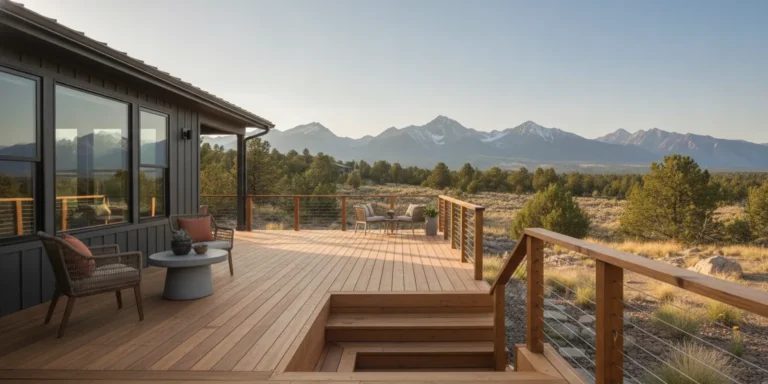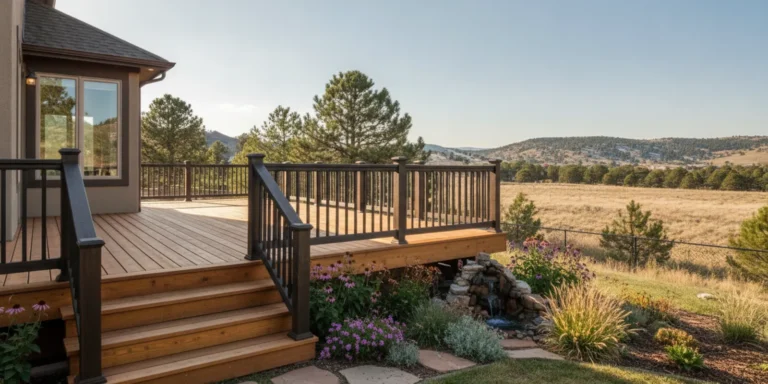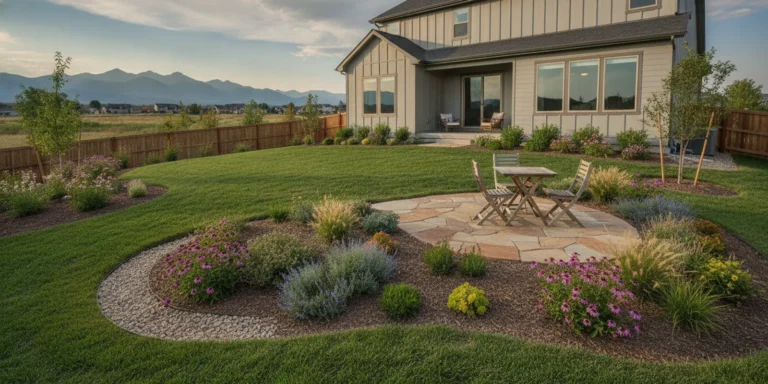

Snowmelt that pools beneath a deck can weaken the outdoor space homeowners rely on. In the Denver Metro Area, a sound drainage plan sends water away before moisture harms boards, framing, footings, or nearby soil.
Plan your deck and drainage system with Faros Construction Services.
Deck drainage solutions control where rain, snowmelt, and roof runoff travel around and beneath a deck, helping protect the structure, footings, and nearby soil. A complete plan may combine a properly sloped surface, clear board gaps, under-deck panels, gutters, downspouts, and ground drainage that safely carries water away. For raised decks, Faros Construction’s deck guide explains that under-deck systems can protect the space below from water penetration. Careful diversion also helps limit standing water and soil erosion near ground-level builds, while reducing repeated moisture exposure around framing and supports. The right setup depends on deck height, surrounding grade, and runoff sources, then needs regular inspections to catch clogs, leaks, ice buildup, and damage early.
To see why the system matters before comparing parts, start with Why deck drainage solutions matter in the Denver Metro Area. That local context makes it easier to match the right design to your deck, yard, and plans for the space below. Here’s how.
Why deck drainage solutions matter in the Denver Metro Area
Local moisture patterns
Decks in the Denver Metro Area must handle water in more than one form. Seasonal rain can soak exposed boards. Melting snow also sends water through gaps and toward the framing below. The main issue is not one wet day. Trapped water can keep key deck parts damp.
A local storm may bring fast runoff, while a sunny winter day can melt snow left on the deck. The Denver storm drainage master plan reflects the area’s need to manage stormwater. Deck planning applies that same basic idea on a smaller scale. It collects water, guides it, and releases it away from the structure.
Protection for framing and footings
When runoff slips below the deck, it can reach joists, beams, posts, connectors, and nearby footings. Repeated wetting can leave little time for these parts to dry. Deck drainage solutions create a clear route for water before it settles around the frame or soil.
A well-planned system uses slope and clean outlet paths to move water away from structural areas. It also accounts for roof runoff, downspouts, and low spots near the deck. Colorado State University documents the need to manage stormwater discharges under Colorado water quality requirements. This supports careful runoff planning around built areas.
- Direct rain away: Water should flow away from posts, beams, and the home.
- Keep snowmelt moving: Meltwater needs an open path even when shaded areas stay frozen.
- Preserve access: Channels and outlets should remain easy to inspect and clear.
- Prevent ponding: Ground below the deck should not hold standing water.
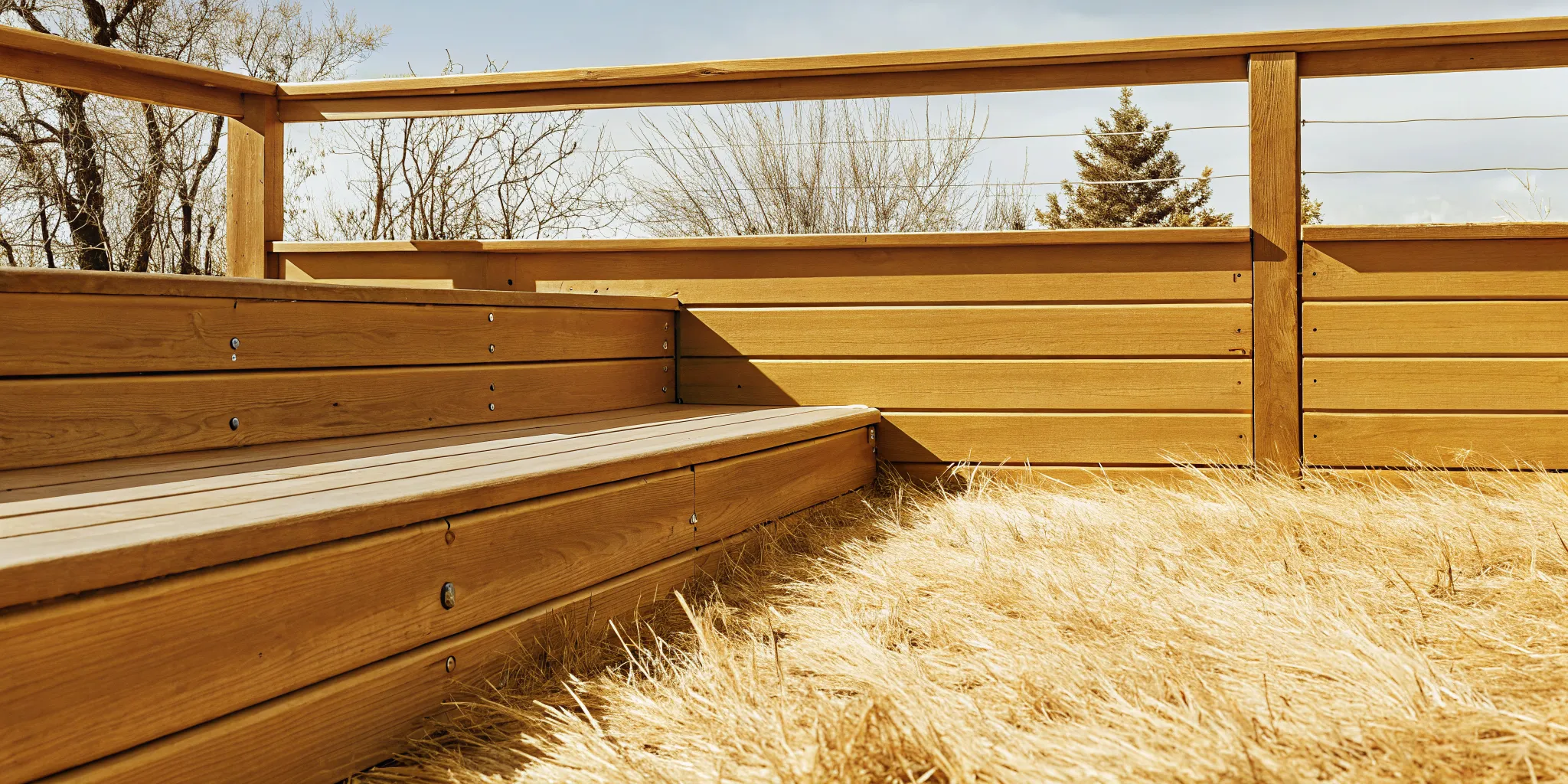
Freeze-thaw cycles add another concern. Water can enter a small gap, freeze, and expand before melting again. Good drainage limits how long water sits in those weak spots. It also helps reduce ice buildup where runoff leaves the deck.
More useful space below the deck
Drainage planning also affects how a raised deck serves the household. An under-deck system catches water before it drips into the area below. That can make the lower space useful for seating, storage, or a protected path during wet weather.
The system must still send collected water to a safe outlet. Otherwise, a dry ceiling below the deck may hide poor drainage near posts or the home. A broader outdoor entertainment area planning guide can help connect drainage choices with the layout and intended use of the yard.
What are the signs of poor deck drainage?
Poor deck drainage often shows up before the deck feels weak or unstable. The first clues may appear on boards, framing, soil, or nearby walls after rain or snowmelt. Look for patterns that stay in one area instead of drying at the same pace as the rest of the deck.
Warning signs beneath an elevated deck
After a storm, check whether water keeps dripping through the same gaps or collecting below the deck. Wet joists, beams, or posts that stay dark may point to trapped moisture. Stains on siding or foundation walls can also show that runoff is moving toward the house.
Snowmelt may reveal problems that a short summer shower does not expose. Watch for icicles, damp storage areas, soft soil around posts, or water flowing toward structural footings. A dry space below the deck may require proper deck drainage solutions that collect and direct water before it reaches the framing.
- Water drips onto doors, windows, or a patio below.
- Joists and beams remain damp after nearby surfaces dry.
- Debris or stains mark the same runoff path after each storm.
Clues around a ground-level deck
Ground-level decks can hide drainage trouble because there is little room to inspect underneath. Persistent puddles along the edge, washed-out soil, and mud beside posts suggest that runoff has no clear path away. An Oregon State University Extension guide notes that sound drainage design helps prevent soil erosion and foundation instability.
Deck boards that stay wet in shaded spots may also signal poor air flow or low areas. Check for soil touching wood, clogged gaps between boards, and plants leaning into the deck edge. A musty smell or repeated insect activity below the deck can support the need for a closer inspection.
- Puddles remain near stairs, posts, or the deck perimeter.
- Soil channels form where runoff leaves the deck.
- Water collects between the deck and the home’s foundation.
When to request a professional assessment
Check drainage after a steady rain and again as snow melts. Seek an assessment when water repeatedly reaches the house, washes soil from footings, or leaves structural wood damp. Loose railings, soft boards, sagging areas, or shifting posts call for prompt review because they may indicate more than a surface issue.
A contractor can trace where water starts, where it collects, and whether the grade sends it toward the structure. Drainage should move water safely away from structural footings, a goal reflected in the Denver storm drainage master plan. The assessment can then separate a clogged outlet from a grading, framing, or system design problem.
Comparing deck drainage approaches
Deck drainage solutions work at different points in the path water takes. Some stop water before it reaches the framing. Others collect runoff below the deck or move it away at ground level. A useful plan may combine several approaches instead of relying on one.
Water control above and below the deck
An over-joist membrane sits beneath the deck boards and above the framing. It directs water toward a gutter while helping keep joists and beams dry. This approach fits new construction because installers can place and seal the membrane before the boards go down.
An under-deck ceiling attaches below the joists and catches water that passes through the boards. It can keep a patio beneath a raised deck drier. It also leaves the framing above the system exposed to moisture, so inspection access remains important. The Faros proper deck drainage solutions guide explains why drainage should be part of the full deck plan.
| Approach | Where it works | Main role | Key planning point |
|---|---|---|---|
| Over-joist membrane | Above deck framing | Shields joists and beams | Best planned before boards |
| Under-deck ceiling | Below raised deck | Keeps lower area drier | Preserve inspection access |
| Grading | Soil around deck | Moves surface water away | Maintain a clear slope |
| Gutters | Deck edge or nearby roof | Collects concentrated runoff | Route discharge safely |
| Drains | Low spots and hardscape | Collects pooled water | Keep outlets accessible |
| Permeable ground surface | Below or beside deck | Lets water enter the soil | Match base to site soil |
Moving runoff away from the structure
Grading is the base layer of a sound drainage plan. The ground should guide runoff away from posts, footings, and nearby walls. This helps limit ponding and soil erosion around a ground-level deck. An Oregon State University field guide also stresses routing roof water away from deck and structural areas.
Gutters handle water that reaches an edge in a steady stream. Drains collect water at low points where natural flow is not enough. Both need a clear outlet that sends water to a suitable discharge area. Downspouts should not empty beside deck footings or against the home.
Choosing a combined system
Permeable gravel or pavers can help reduce surface ponding below and around a deck. Yet they do not replace grading, since water still needs a safe path away. Their base and surrounding soil must also accept and move water without settling.
Start with the deck height, framing access, ground slope, and runoff sources. A raised deck with a patio below may need an over-joist membrane, edge gutter, and planned outlet. A low deck may depend more on grading, drains, and permeable ground. Material choice also affects drainage and moisture management over time.
In the Denver Metro Area, rain and snowmelt can test weak points across the whole system. Compare each approach by what it protects, where it sends water, and how crews can inspect it. The strongest plan creates one clear route from the deck surface to a safe discharge point.
How does drainage differ for elevated and ground-level decks?
Airflow beneath elevated decks
An elevated deck has open space below its framing, so moving air can help wet parts dry. Water still needs a planned path from the deck boards to a safe outlet. Without that path, runoff may soak the ground near posts, footings, or the home.
For a raised deck, moisture control often starts above the beams. An under-deck system catches water that passes through board gaps and sends it toward a gutter or drain. This approach can also keep the area below more usable, as explained in this guide to proper deck drainage solutions.
Open airflow does not solve every moisture issue. Leaves can block channels, and downspouts can discharge too close to supports. The final outlet should move runoff away from all structural footings. An Oregon State University field guide also notes that roof water should be sent away from decks and structural areas.
Grading beneath ground-level decks
A ground-level deck sits close to soil, which limits airflow and slows drying. Its drainage plan depends more on the grade beneath and around the frame. The soil should guide water away instead of letting it settle under joists.
A stable base can reduce mud, standing water, and soil erosion beneath the deck. It also helps keep runoff from washing soil away near supports. Ground-level deck drainage solutions may include a sloped base, gravel, drains, or a mix chosen for the site.
- Maintain clearance: Keep soil and mulch below the framing, with space for air to move.
- Shape the grade: Send water away from the home and deck supports.
- Extend downspouts: Route them beyond the deck instead of releasing roof runoff beneath it.
- Clear outlets: Remove leaves, soil, and other debris from drain outlets.
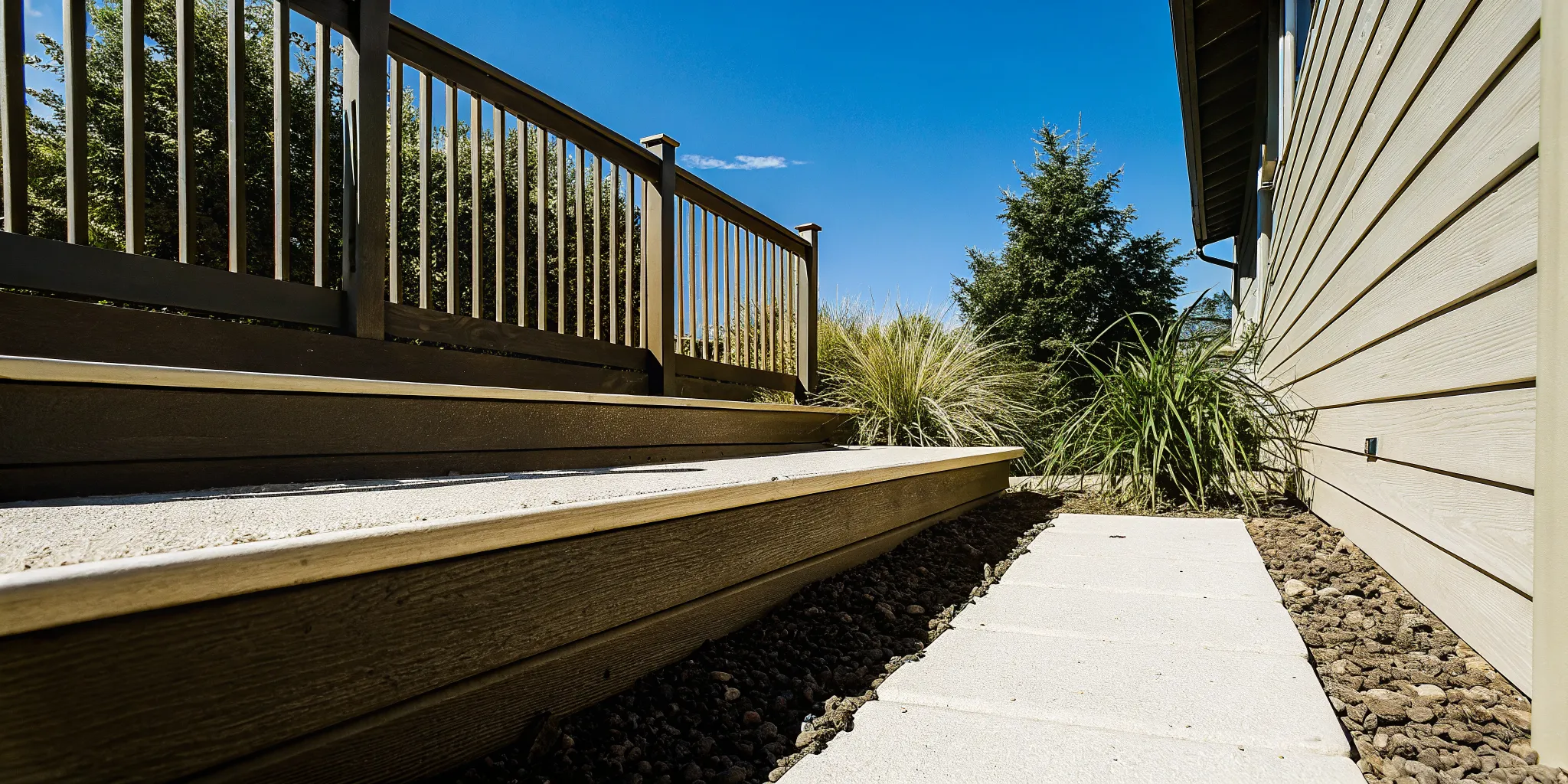
Splashback and runoff paths
Both deck types need a clear runoff path, but splashback affects them in different places. On elevated decks, falling water can hit bare soil and splash onto posts or nearby walls. Gravel or another firm surface below can limit that splash and help guide flow.
On ground-level decks, splashback often reaches rim boards, stair edges, and low framing. Tight gaps can trap damp leaves against those parts. Choosing suitable drainage and moisture management details helps reduce repeated wetting at these exposed edges.
The right design follows water from where it lands to where it leaves the property. For an elevated deck, check board gaps, catchment panels, gutters, and outlets. For a ground-level deck, check the base slope, nearby grade, drain paths, and the clearance below framing.
How to plan deck drainage before construction
Deck drainage works best when it is part of the first site plan. The plan should trace water from the deck surface to a safe discharge point. It should also account for roof runoff, soil grade, footings, doors, and the planned use of the area below.
Start with a site and water assessment
Watch the site during rain or after snow melts. Note where water enters, pools, and leaves the property. A builder should also check the ground slope, soil condition, nearby downspouts, and low areas around the proposed deck.
The final route must move water away from deck posts and the home foundation. This step protects the structure and helps limit erosion. A Denver storm drainage plan supports the basic goal of moving water safely away from structures.
A practical planning sequence
Use this sequence before the builder sets posts or orders materials. Early choices affect framing, drainage access, and how the finished space will work.
- Map every water source. Include rain, snowmelt, roof runoff, downspouts, sprinklers, and water from nearby hard surfaces.
- Mark the discharge route. Choose an outlet that sends water away from footings, the foundation, walkways, and neighboring property.
- Set deck height and slope. Leave enough clearance for doors, framing, flashing, drainage parts, and planned access below the deck.
- Choose the drainage approach. Decide whether surface gaps, an under-deck system, grading, drains, or a combined plan fits the site.
- Coordinate the full structure. Show beams, joists, posts, stairs, utilities, and drainage parts on one plan before construction starts.
- Plan future access. Keep outlets, gutters, drains, and filters reachable so debris can be cleared and water flow can be checked.
Roof runoff needs special attention because it can add concentrated flow near the deck. Guidance on exterior water control recommends that roof water be channeled away from structural areas. Downspout routes should be settled before framing begins.
Coordinate drainage with the deck design
Drainage should not be treated as a separate add-on. It must fit the framing layout, flashing details, deck boards, stairs, and any dry space below. That coordination helps prevent conflicts that are hard to fix after the deck is built.
Review the plan with a deck professional before excavation. Ask for a drawing that shows slopes, drains, outlet points, and access areas. Professional deck drainage installation services can also align the water plan with the full deck structure.
Before work begins, confirm where each drain ends and how each part can be inspected. The plan should also explain how runoff avoids foundations and footings. These checks turn deck drainage solutions into part of the build, rather than a repair after the first storm.
Maintaining a deck drainage system through every season
Request professional deck planning before recurring drainage trouble affects your outdoor space.
A deck drainage system works best when water has a clear path from the deck to a safe outlet. Seasonal checks can catch leaves, loose seals, and small leaks before they affect the space below. Add these checks to the normal care plan for your deck.
Spring and summer flow checks
Start in spring by checking the full drainage path after snow and ice are gone. Clear gutters, troughs, downspouts, and outlet screens by hand. Then use a garden hose to send a light stream through each path.
- Watch for standing water in troughs or low spots.
- Confirm that each outlet drains without backing up.
- Check the ground for washout near posts and footings.
- Look below the deck for drips, stains, or damp areas.
Repeat a quick flow check after strong summer storms. The goal is to keep runoff moving away from structural areas. An Oregon State University field guide also advises channeling roof water away from deck and structural areas.
Fall cleanup and close inspection
Falling leaves can block narrow channels and outlet openings. Remove them before winter, along with twigs, dirt, and roof grit. Avoid pushing debris farther into a downspout, where it may form a hidden clog.
Once the system is clean, inspect membranes, seams, fasteners, and flashing. Look for lifted edges, punctures, gaps, or sealant that has pulled away. The surrounding boards also deserve attention because drainage-resistant deck materials still need sound joints and clear drainage paths.
- Note any issue that changes the direction of water flow.
- Mark small membrane defects so they are easy to find.
- Ask a deck professional to assess wide gaps or recurring leaks.
Do not cover a damaged area with random caulk or tape. Those products may trap water or interfere with the system’s designed repair method. Follow the maker’s repair guidance for the installed membrane and fittings.
Safe winter care
During winter, keep outlets open so meltwater can leave the system. Move loose snow with a plastic shovel or soft broom. Do not strike the deck, gutters, or membrane with sharp metal tools.
Work in shallow passes rather than scraping down to the surface. Keep piles away from railings and outlet points. Never force ice from a frozen drain. Regular inspections are part of proper deck drainage solutions, especially after cycles of snow, thawing, and refreezing.
When a drain stays frozen or water appears below the deck, stop adding water to test it. Record where the leak or backup appears. A professional can then inspect the outlet, flashing, and membrane without causing more damage.
Frequently Asked Questions
How often should deck drainage systems be inspected?
Inspect deck drainage at least twice each year and after major storms or heavy snowmelt. Clear leaves, sediment, and ice from board gaps, gutters, drains, and outlets. Confirm that runoff leaves the deck and does not collect near posts or the foundation. Faros Construction’s deck guide also recommends annual inspections of exterior drainage components to support long-term performance.
Can deck drainage solutions be added to an existing deck?
Yes, many existing decks can accept drainage improvements, but the suitable approach depends on their height, framing, grade, and condition. An under-deck ceiling may fit below a raised deck, while grading or drains may help a low deck. A contractor should first inspect the framing, identify runoff sources, and confirm where collected water can safely leave the property.
What should I do if a deck drain freezes or clogs?
Keep people away from slippery areas, then remove loose debris without forcing tools into the drain or damaging its parts. Do not use harsh deicing products unless the drainage system manufacturer allows them. After thawing, check the gutter, channel, drain, and outlet for damage. If water still backs up or reaches structural areas, request a professional inspection.
Does composite decking eliminate the need for deck drainage?
No, composite boards may manage moisture differently than wood, but they do not control runoff around framing, footings, or the foundation. A complete drainage plan still needs clear board gaps, suitable slope, and a safe discharge route. Review how material choice affects drainage and moisture management, then coordinate those details with the deck design.
Ready to Plan Better Deck Drainage in Denver?
Waiting to address poor deck drainage can allow each storm or snowmelt cycle to keep stressing the deck and the space below. Starting now gives you time to review the layout, choose a practical drainage approach, and prepare the project before seasonal weather disrupts your plans. A clear plan can help protect how you use the deck, reduce avoidable moisture concerns, and keep future outdoor improvements moving on schedule.
Ready to plan a deck drainage solution that fits your Denver Metro Area home and supports the way you want to use the space? Call (720) 594-5604 to talk with Faros Construction Services about your goals, review the next steps, and plan your deck project with an owner-led team. Contact the team now so you can make informed choices and reserve time for the work before your preferred project window becomes limited.