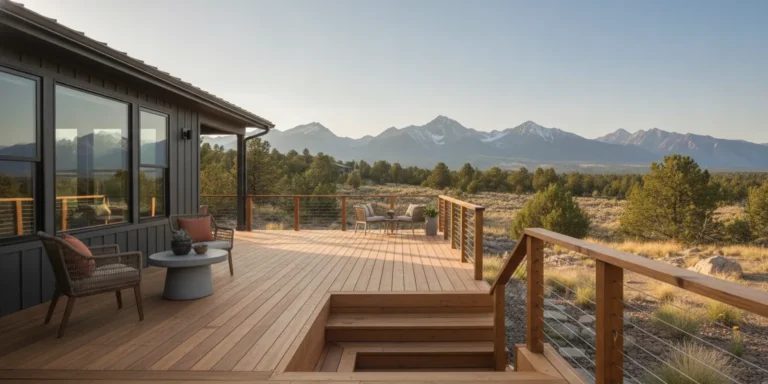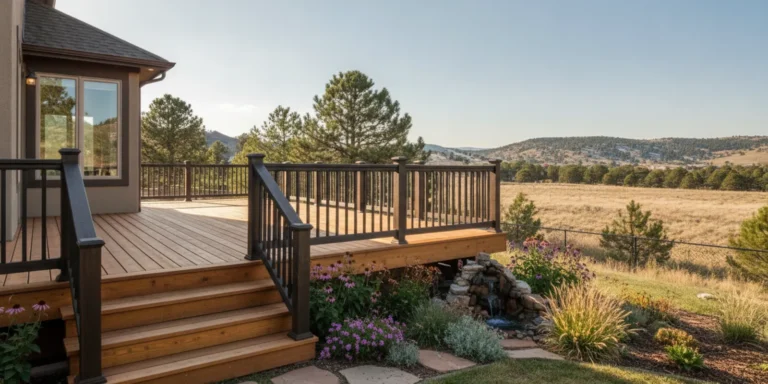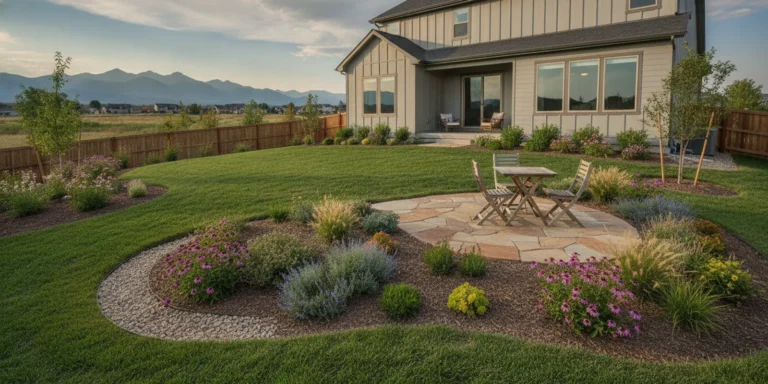

Denver’s spring window moves quickly from lingering cold to active outdoor projects. Before planting, building, or refreshing your yard, use the first warm days to examine the surfaces and structures that carried the weight of winter. Freeze-thaw cycles can leave small cracks, loose joints, and uneven areas that become more disruptive once the season is underway.
Ready to prepare your outdoor space?
Schedule a consultation with Faros Construction Company for clear next steps in the Denver Metro Area.
A practical spring landscaping Denver plan starts with inspecting patios, walkways, retaining features, and other hardscape surfaces, then cleaning them and addressing winter damage before planning new improvements.
Starting with the foundation of your outdoor space makes the rest of the season easier to organize. A careful surface inspection can reveal where cleaning is enough, where repairs should come first, and which improvements deserve a place in your broader spring plan.
What Spring Landscaping Tasks Should Denver Homeowners Prioritize?
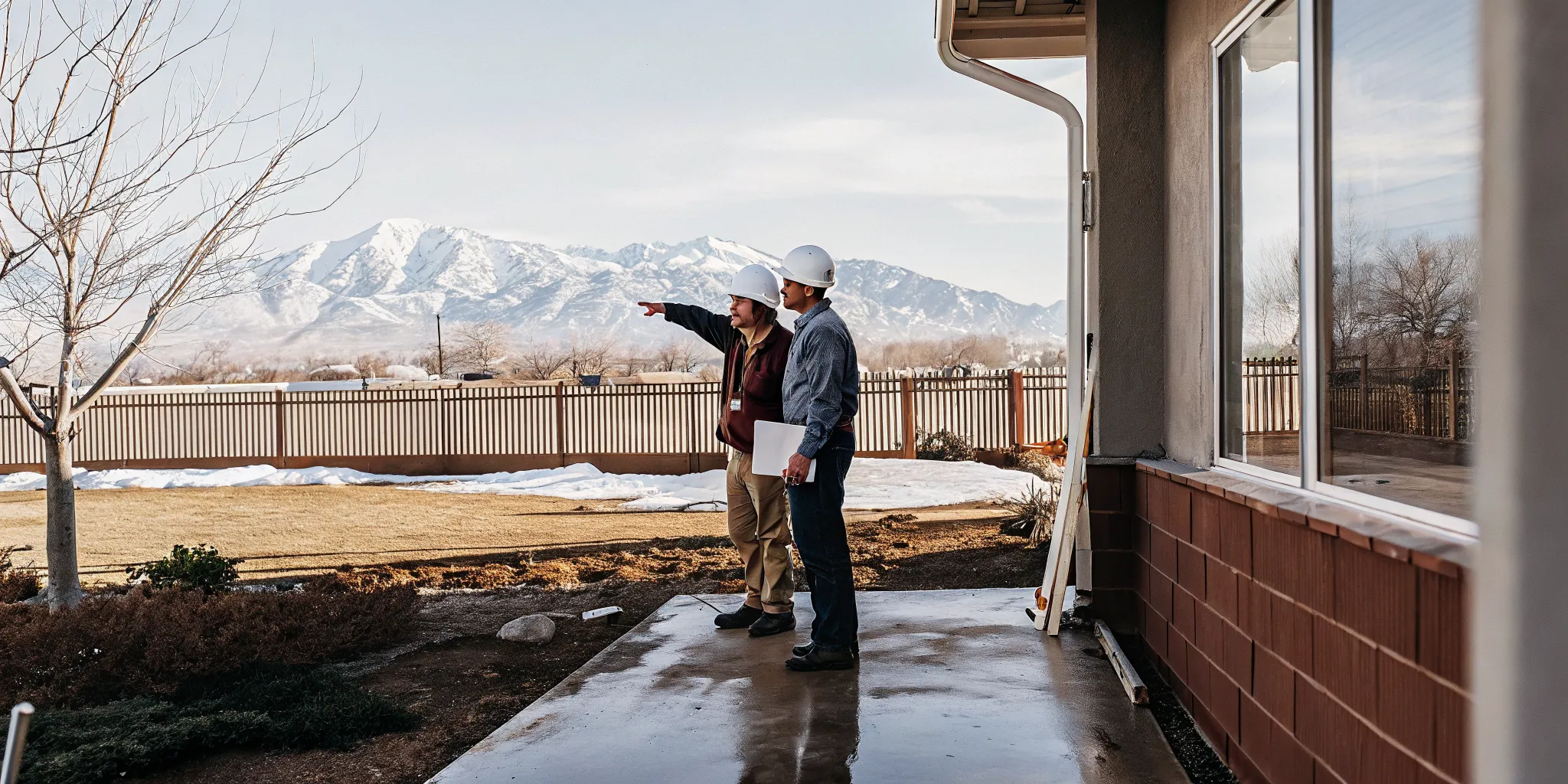
Denver homeowners should prioritize patio and hardscape inspection, winter damage assessment, walkway and pathway repairs, and early planning for new landscape features during the spring landscaping Denver window. Tackling these steps in order helps prevent small issues from becoming costly repairs.
Understanding the sequence matters because outdoor projects share components. A drainage problem discovered after a new patio is installed costs more to fix than one caught before construction begins. The same logic applies to walkways, retaining walls, and planting areas: verify the condition of existing surfaces first, then plan improvements around what those surfaces reveal.
How Do You Inspect and Clean Denver Patios After Winter?
Start spring cleanup by walking the full patio, concrete surface, and surrounding hardscape to look for cracks, flaking, loose joints, uneven slabs, and areas where water collects. Early inspection separates routine cleaning from damage that may need a more durable repair.
Denver-area hardscapes experience more demanding conditions than many homeowners realize. High altitude, wide temperature swings, and strong ultraviolet exposure create distinctive wear patterns on patios, driveways, retaining walls, and other outdoor structures. Colorado hardscape research identifies these factors as key contributors to regional deterioration.
Check for freeze-thaw damage
Pay special attention to edges, joints, steps, and low spots. Water can enter a small crack or joint, freeze, expand, and push the surrounding material apart. Repeated freeze-thaw cycles are a primary cause of hardscape failures in Colorado, including spalling, scaling, joint loss, and slab uplift. A small surface defect may therefore signal movement beneath the surface rather than a purely cosmetic issue.
Clean without hiding the problem
Remove leaves, soil, and winter debris with a broom before using water. Then wash the surface with a suitable cleaner and a controlled stream, taking care around joints, cracks, plant beds, and drainage outlets. Avoid aggressive pressure that can remove sound surface material or force water deeper into vulnerable joints. Once clean, let the area dry so you can see whether discoloration is simply dirt or whether it surrounds a crack, spalled section, or settled area.
Inspect drainage at the same time. Downspouts, grading, trench drains, and patio edges should move water away from the home and prevent repeated pooling. If melting snow or spring storms leave standing water near a patio, review these Denver yard drainage solutions before adding new soil, planting beds, or hardscape materials.
Review nearby lawn edges
Clear grass and organic debris from patio joints, but do not overlook the lawn beside the hardscape. Thatch thicker than one-half inch should be removed because it can block water, nutrients, and oxygen from reaching grass roots.
For cracked, spalled, shifting, or repeatedly wet surfaces, document the affected areas with photos and note where water travels after rain. Faros Construction Company can help evaluate the condition and discuss concrete patio and walkway services suited to the property and the Denver Metro Area climate.
Assess Hardscape Winter Damage – What to Look For
Winter damage is easiest to manage when you identify small changes before they become safety or drainage problems. In the Denver Metro Area, inspect retaining walls, steps, paver patios, and concrete features for movement, surface loss, open joints, and water-related cracking.
Colorado hardscapes develop distinctive wear patterns because of high altitude, wide temperature swings, strong ultraviolet exposure, and localized soil conditions. These pressures affect exposed surfaces differently than they might in other regions.
Retaining walls and steps
Stand back from a retaining wall and compare its face with nearby fences, posts, or other straight reference points. A wall that leans, bows, or shows a widening crack may be responding to soil movement or water pressure, not just surface aging. Look for displaced capstones, separated blocks, bulging sections, and soil collecting where drainage should be moving away.
On steps, check whether each tread remains level and firmly connected to the riser or adjacent landing. A step that has lifted, settled, or shifted sideways can create a trip hazard. Also inspect the edges for crumbling concrete, exposed aggregate, and cracks that continue through the full depth of the feature.
Pavers, joints, and concrete surfaces
Walk across the patio and note rocking pavers, low spots, widened gaps, and areas where sand or joint material has washed away. A few loose pavers may be suitable for careful homeowner maintenance, but widespread movement can indicate a base or drainage issue underneath.
For concrete, look for spalling, scaling, and cracks that are spreading from one season to the next. Freeze-thaw cycles are the primary hardscape failure mechanism in Colorado. Water enters cracks, joints, or the supporting soil, freezes and expands, then forces materials apart. Repeated cycles can produce surface flaking, joint loss, and slab uplift. Review concrete patio and walkway services when damage extends beyond a small isolated defect.
What you can handle, and when to call
Homeowners can usually remove loose debris, clean surfaces with an appropriate method, reset a small number of pavers, or apply a compatible filler to a minor, stable crack.
Photograph the area first, and avoid sealing a damp surface or using aggressive pressure that can worsen scaling.
Bring in a professional when you see structural cracks, a leaning retaining wall, significant frost heave, repeated slab movement, blocked drainage, or steps that no longer feel secure. These conditions can involve the subgrade, wall stability, or water management. A careful assessment helps determine whether a localized repair is appropriate or whether the supporting system needs attention before spring use increases.
| Hardscape Issue | DIY Scope | When to Call a Professional |
|---|---|---|
| Surface cracks in concrete | Clean and fill stable cracks under 1/4 inch | Cracks wider than 1/4 inch, spreading, or accompanied by slab movement |
| Paver shifting | Reset a small number of loose pavers, replace joint sand | Widespread movement, sunken areas, or base material visible beneath pavers |
| Retaining wall concerns | Clean debris from weep holes, remove minor vegetation from joints | Leaning, bowing, bulging sections, or soil collecting at the wall base |
| Spalling or scaling concrete | Monitor stable areas and seal exposed aggregate | Active flaking that exposes rebar, deep pits, or ongoing material loss |
| Frost heave or slab uplift | Document movement and clear drainage paths | Slabs raised more than 1/2 inch, tripping hazards, or water pooling beneath |
When Should You Repair Walkways Instead of Replacing Them?
Repairing damaged walkways is usually the right choice when the damage is isolated, the concrete is structurally sound, and the underlying base has not shifted. Full replacement becomes necessary when multiple slabs have settled, the concrete is extensively spalled, or the walkway alignment needs to change for safety or drainage reasons.
Denver’s freeze-thaw cycles can be especially hard on concrete. Water enters a crack or joint, freezes and expands, then forces the surrounding material apart. Repeated cycles can produce spalling, scaling, joint loss, and slab uplift, all documented causes of hardscape failure in Colorado (Colorado hardscape research).
Start with a close inspection
Walk the full route from the driveway to the front entry, patio, gate, and other frequently used areas. Look for narrow cracks that are widening, loose edges, flaking concrete, low spots that hold water, and slabs that have shifted relative to one another. Pay particular attention to steps and transitions, where a small change in height can become a tripping hazard.
Also check where soil or mulch has washed away beside the pathway. Poor support beneath a slab can contribute to movement, while standing water can repeatedly feed moisture into existing cracks. Denver’s rapid temperature changes in spring make an early inspection worthwhile, even when damage looks minor.
Match the repair to the damage
Small, stable cracks may respond to suitable crack repair materials after the surface is cleaned and dry. Wider deterioration or widespread flaking may call for resurfacing, which renews the walking surface without treating every small blemish as a separate repair. When slabs have settled or lifted, leveling can improve the transition and reduce a trip hazard. But the underlying drainage and support should be evaluated as part of the work.
Because the right approach depends on the concrete’s condition and the movement beneath it, a professional assessment can prevent a surface-only fix from failing again. Faros Construction Company can help with concrete repair and resurfacing services for walkways and other outdoor concrete features.
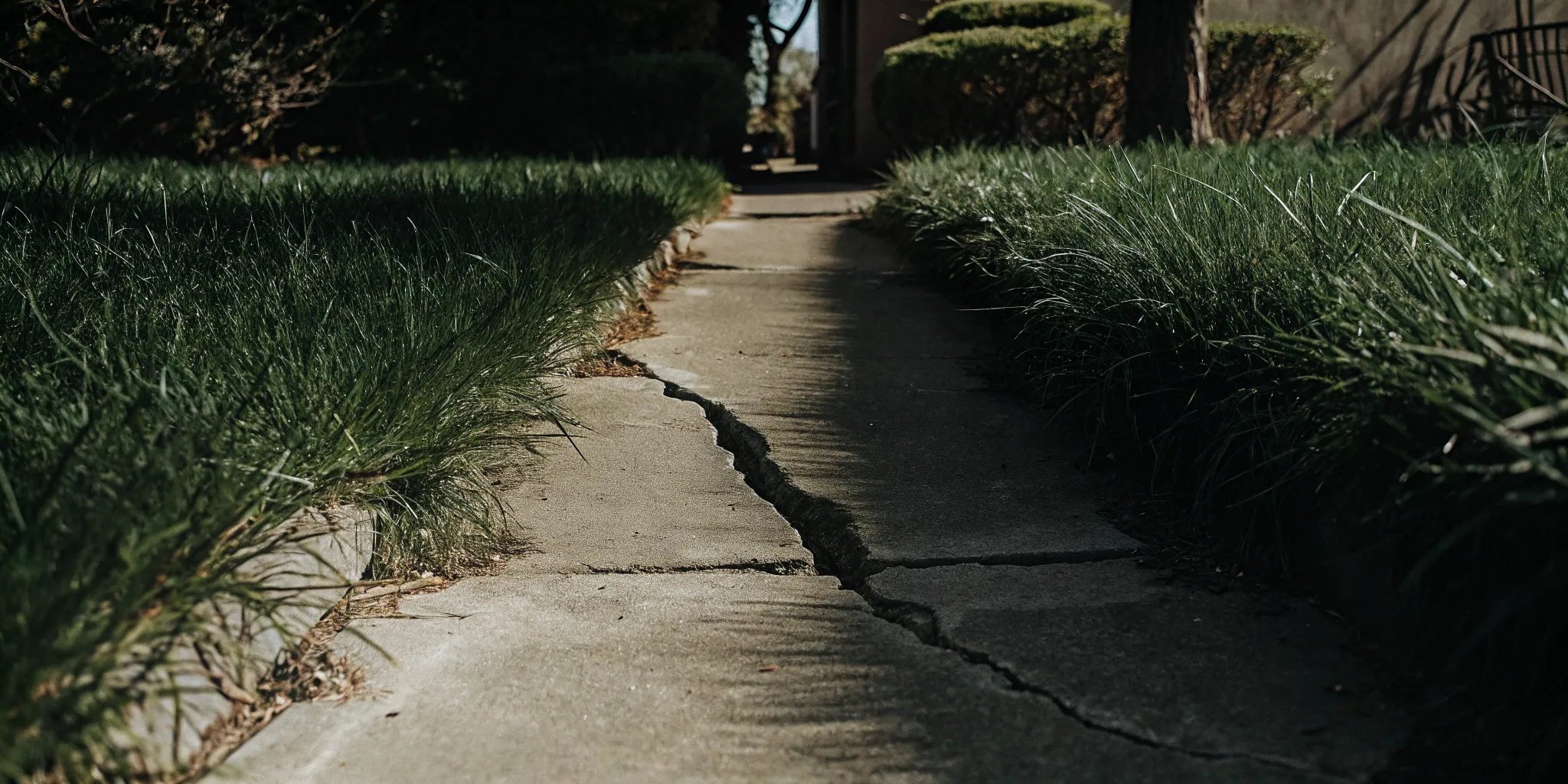
Spring is the practical window to complete this work before summer gatherings, furniture, and regular foot traffic make access more difficult. Repairing pathways early also gives the surrounding landscape time to recover after construction and keeps a small defect from turning into a larger safety concern.
How to Plan New Landscape Features for Your Denver Yard
New landscape features should start with a clear understanding of how each element will connect to your existing hardscape. The home’s access points, and the natural drainage patterns on your property. A coordinated plan prevents expensive rework later.
Start by listing the activities you want to bring outdoors in spring and summer. A patio can provide the foundation for dining and seating, while a pergola can define an outdoor room and add shade. An outdoor kitchen may need utility planning, durable work surfaces, and convenient access from the home. A fire pit can create a gathering area, but its location should account for clearances, prevailing wind, seating, and any applicable safety requirements.
Connect features instead of treating them as separate projects
New landscape features work best when they form a clear path through the yard. Place the patio where it connects naturally to the home, then consider how a walkway will lead guests toward a fire pit, garden bed, or cooking area. Pergolas, decks, and porches can help define transitions between indoor and outdoor spaces. Review deck, pergola, and porch construction options when deciding which structure fits your property and plans.
Also consider grading and drainage before construction begins. A beautiful patio or outdoor kitchen will perform better when water is directed away from the home and does not collect near foundations, steps, or seating areas. Combining the layout review with material selection can help the finished space feel intentional rather than added on later.
Choose plants that fit Denver’s climate and water rules
For garden beds, native, drought-tolerant perennials are best suited for Denver’s unique climate. They can support a resilient planting plan when grouped according to sunlight, soil, exposure, and water needs. Select plants for mature size rather than filling every open space immediately, and leave room for maintenance access around patios, pathways, and utility areas.
Plan irrigation at the same time as the garden beds and hardscape. Denver Water seasonal watering restrictions often begin in May, so the system should be checked and adjusted. Or designed with those rules in mind, before new plants go into the ground. Grouping plants with similar water needs can make the landscape easier to manage while helping prevent overwatering.
If you are considering several improvements, a coordinated design can keep the patio, pergola, fire pit, kitchen, and planting areas working together. Faros Construction Company can help plan custom outdoor living features around your home’s layout and how you want to use the Denver Metro Area yard. Starting the conversation early leaves time for site review, material decisions, permits when needed, and construction before the busiest part of summer.
Schedule Spring Landscaping Before Denver’s Busy Season
Booking your project in February or March gives you a better chance of completing construction during Denver’s short spring window, rather than waiting until summer. Early planning also leaves time to coordinate materials, measurements, irrigation decisions, and any preparation your property needs.
For most homeowners, spring landscaping in Denver can begin once the ground has thawed, typically from late March through mid-April. Lawn maintenance routines generally make sense when average daily temperatures consistently rise above 55 degrees Fahrenheit. So the exact start date depends on the season and the condition of your yard. Explore spring home improvement projects to see how seasonal planning can support a larger outdoor renovation. Faros Construction Company also provides hardscape and landscape contracting services for comprehensive outdoor transformations.
Why February and March are smart planning months
Waiting until the first warm weekend can put a project behind the most useful installation window. Scheduling early allows your contractor to inspect the site after winter, identify drainage or surface concerns, and develop a practical sequence for the work. It also helps separate tasks that can start early, such as design and planning, from work that should wait until the soil and weather are ready.
Irrigation projects deserve special attention. Denver Water’s seasonal watering restrictions often begin in May, so plan irrigation improvements before then and confirm that the finished system can be operated within the applicable rules. Building that timing into the project plan is more reliable than trying to revise an irrigation layout after landscaping is already installed.
What Faros’s project process includes
Faros Construction Company uses a six-step process to keep spring construction organized:
- Free consultation: Discuss your goals, priorities, and the way you want to use the space.
- Precise measurements: Evaluate the property and document dimensions for an accurate plan.
- Estimate: Review the planned scope and expected project requirements clearly.
- Pre-construction planning: Coordinate design details, scheduling, materials, and site preparation.
- Full project management: Keep the work moving while maintaining communication throughout construction.
- Completion and guarantee: Review the finished project and provide guidance for the completed work.
Ready to get started?
Contact Faros Construction Company for a free consultation and position your project for the spring build window instead of the summer backlog.
Frequently Asked Questions
When should I start spring landscaping in Denver?
Begin after the ground has thawed, typically from late March through mid-April. For lawn work, wait until average daily temperatures consistently reach about 55 degrees Fahrenheit, then inspect the yard before mowing, aerating, or planting.
How do I prepare my Denver lawn for spring?
Start by checking for compacted soil, excess thatch, bare areas, and winter debris. Dethatch when the layer is more than one-half inch, aerate compacted sections, and consider pre-emergent treatment as soil warms. Avoid applying high-nitrogen fertilizer too early, since April applications can push top growth before roots are ready for summer heat, according to Colorado State University Extension.
What plants are best for spring landscaping in Denver?
Native, drought-tolerant perennials are a practical choice for Denver yards because they are better suited to the local climate and can support a more water-conscious landscape. Match each plant to its sunlight, soil, and drainage conditions rather than choosing only by spring color.
Does spring landscaping in Denver include concrete repair?
Yes. Spring preparation should include checking patios, steps, retaining walls, and walkways for cracks, spalling, loose joints, or lifted slabs. Colorado freeze-thaw cycles can force water-filled cracks and joints apart, causing these failures, so repair trip hazards and worsening damage before the outdoor season is underway. See Faros Construction Company concrete patio and walkway services for repair planning.
Are there specific Denver water restrictions for spring landscaping?
Plan irrigation with Denver Water’s seasonal rules in mind. Restrictions often begin in May, so review the current requirements before setting watering schedules or installing new planting areas. Drought-tolerant selections, efficient irrigation, and healthy soil can help your yard stay resilient while following local guidance.
Schedule Your Denver Landscaping Consultation
A thoughtful spring plan can help you coordinate landscape improvements with your yard’s needs and the season’s construction window. When you are ready to discuss patios, walkways, drainage, or outdoor living features, schedule a free consultation with Faros Construction Company. Share your goals for the Denver Metro Area property, and the team can help you identify practical next steps for the project.