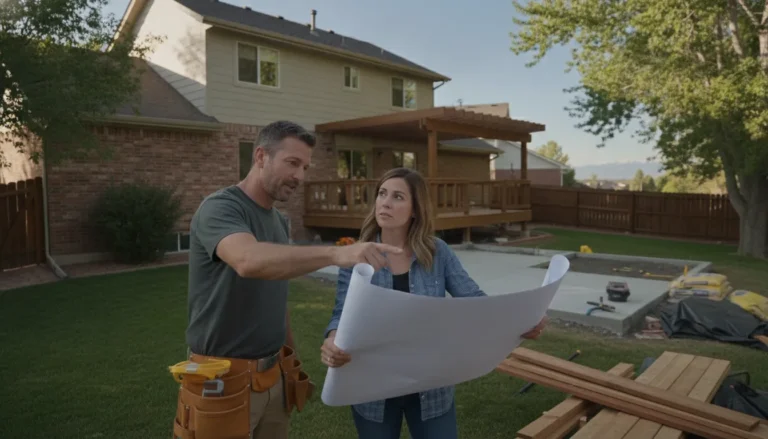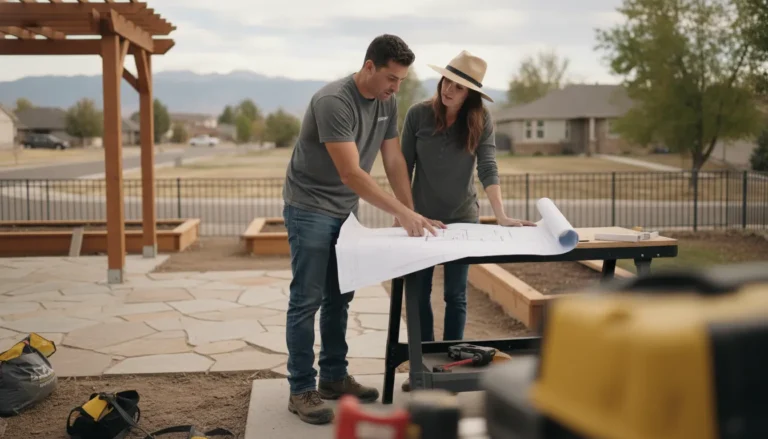

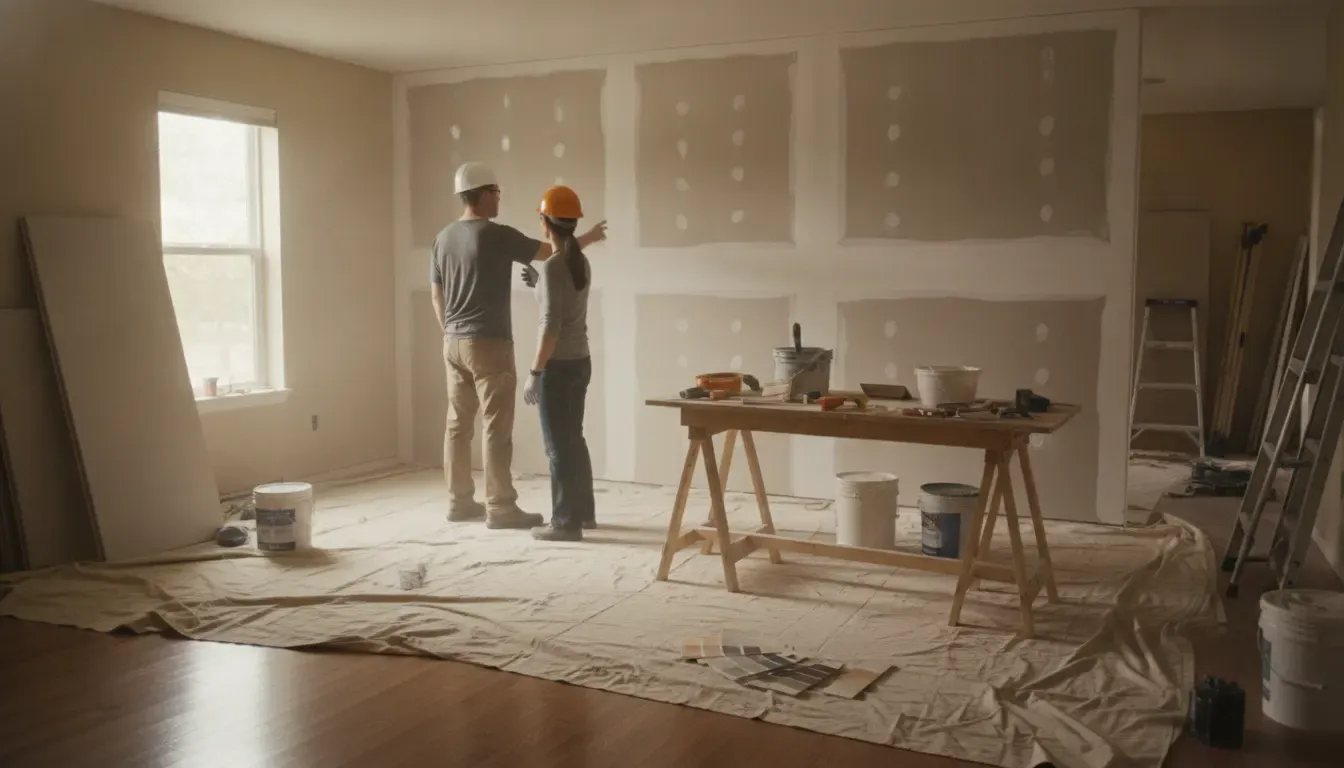
Good drywall and painting project planning starts before anyone opens a bucket or hangs a sheet of drywall. For a Denver Metro Area home, the strongest plan connects the condition of the walls, the room sequence, the finish you want, the daily routines of the household, and the contractor’s responsibilities into one clear scope.
Why plan drywall and painting together?
Planning drywall and painting together creates one coordinated path from wall condition to finished surface. It helps the project team identify repairs early, set realistic readiness checkpoints, choose compatible finishes, and avoid treating painting as a cosmetic step after the real work is complete.
Drywall work changes the surface that paint will cover. New panels, patches, taped joints, fastener repairs, texture changes, and repaired moisture damage can all affect how the finished wall looks under natural and artificial light. A painting plan that ignores those conditions may leave visible differences even when the final color is attractive.
A combined scope also makes communication easier. Instead of asking one company to repair a wall and another to interpret what is ready for paint, the homeowner can confirm who owns inspection, preparation, priming, finish coats, protection, cleanup, and the final walkthrough. That accountability is especially helpful when several rooms or trades are involved.
What should you define before work starts?
Before work starts, define the rooms, wall conditions, finish expectations, access limits, protection needs, and decisions that must be approved. A written project brief gives the contractor a reliable starting point and gives the homeowner a practical way to compare recommendations.
Document the surface condition
Walk each room and note dents, nail pops, open joints, old repairs, peeling areas, stains, texture changes, and places where the wall feels soft or damp. A stain may need more investigation before it is covered. If there is active moisture, a leak, or a recurring condensation issue, correct the underlying condition first and ask the project team how the area will be evaluated.
Use photographs and a simple room list to record what you see. Include ceilings, trim, closets, stairwells, and transition areas instead of documenting only the broad wall surfaces. This record helps distinguish routine preparation from work that may require additional investigation or a separate trade.
Set the scope room by room
Decide whether the project includes full rooms, selected walls, ceilings, trim, doors, closets, or only repaired sections. Identify areas that will remain unchanged so the team can plan clean transitions. If several colors meet in one space, record which surfaces receive each color and whether existing trim stays in place.
For a remodel, list the work that must happen before drywall and painting. Electrical changes, plumbing access, cabinetry, lighting, flooring, and built-ins can affect the order. Painting too early can create avoidable damage, while waiting too long can make final touch-ups more difficult.
Describe the finish you expect
Discuss the desired texture, sheen, color direction, edge detail, and level of uniformity before work begins. A smooth wall, a lightly textured wall, and a repaired section blended into an existing texture each require different preparation decisions. Ask how the team will review samples and how lighting will be considered during the approval process.
In what order should a drywall and painting project happen?
A well-sequenced project moves from diagnosis and protection to drywall work, surface preparation, priming, finish painting, cleanup, and inspection. The exact sequence can change by room, but each phase should have a clear readiness check before the next one begins.
- Confirm the scope and access plan. Identify the rooms, surfaces, household routines, material staging areas, and protection requirements.
- Inspect the existing conditions. Look for damage, moisture concerns, old coatings, texture differences, and repairs that may show through the final finish.
- Complete drywall repairs or installation. Hang new panels when needed, repair damaged areas, tape joints, apply compound, and match the surrounding texture.
- Allow the surface to become ready for preparation. The wall should be dry, stable, clean, and sufficiently smooth for the selected finish. Do not rush this checkpoint.
- Protect the room and prepare the surface. Cover floors and fixtures, control dust, clean the walls, sand where appropriate, and address remaining imperfections.
- Prime where the surface or finish requires it. New drywall, repairs, stains, texture changes, and significant color changes may call for a specific primer decision.
- Apply finish coats and review the result. Check coverage, edges, transitions, sheen consistency, and touch-up needs in the lighting the room will actually use.
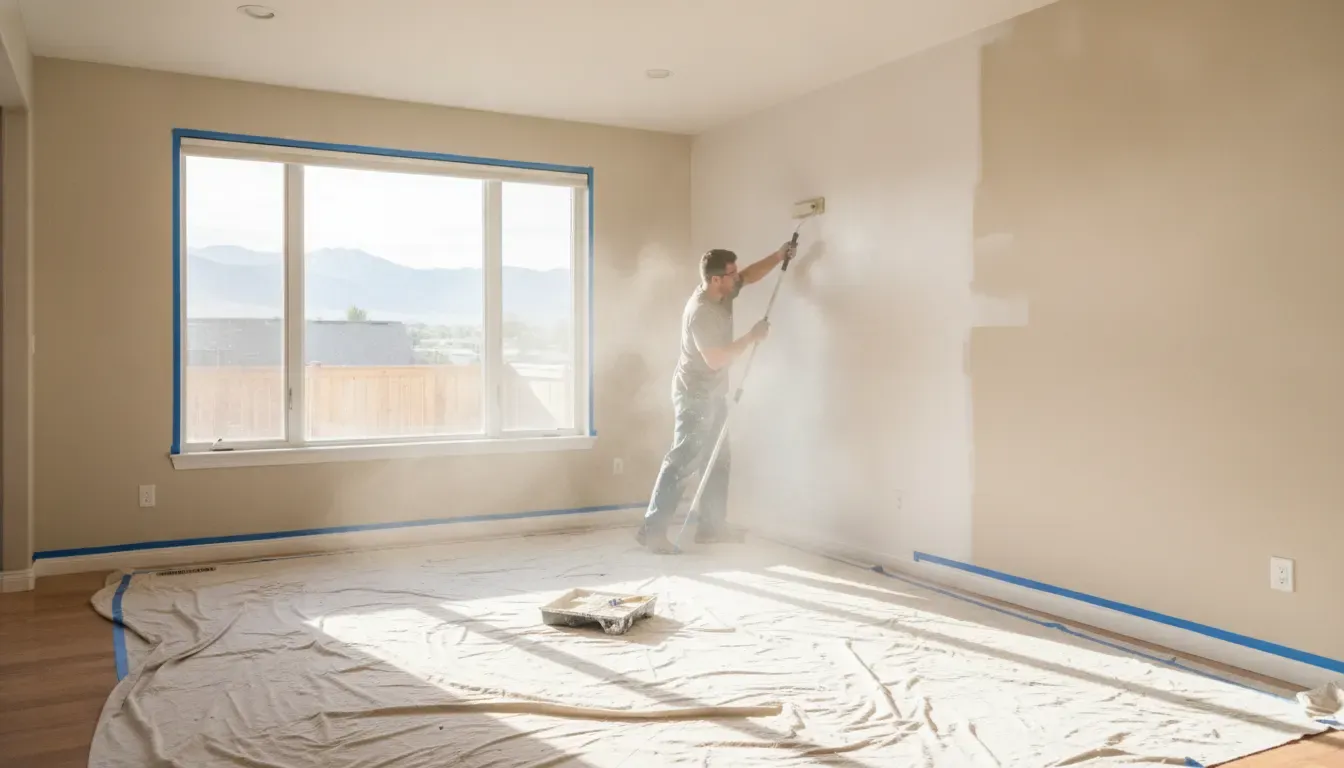
Keeping the phases visible prevents a common planning error: treating the last coat of paint as the finish line while unresolved surface conditions remain underneath. A final review should confirm that the wall is ready for daily use, not simply that the room has been painted.
How do you choose drywall materials and paint finishes?
Choose materials and finishes based on the room’s use, existing conditions, exposure to moisture, desired appearance, and maintenance expectations. The right selection is not the most elaborate option. It is the option that supports the surface, the household, and the level of finish the project is meant to deliver.
Match drywall decisions to the room
Ask the contractor to identify the appropriate panel and repair approach for each location. Standard interior wall conditions differ from areas exposed to moisture, repeated impact, temperature changes, or unusual humidity. The project plan should also address how seams, corners, fasteners, and access openings will be finished.
Texture matching deserves special attention in an existing home. A repaired area can look different from the surrounding wall when the texture pattern, application method, or lighting does not match. Confirm whether a test area will be reviewed before the full surface is completed.
Match paint sheen to use and appearance
Paint sheen affects how a wall reflects light and how easily it can be cleaned. Ask about the best fit for living areas, hallways, bedrooms, ceilings, trim, and spaces that see more contact. The same color can appear different when the sheen changes, so evaluate samples on the actual surface when possible.
Color coordination is another planning decision, not a last-minute selection. Review adjacent rooms, fixed finishes, flooring, cabinetry, and natural light. In a multi-room project, record the approved colors and locations so the crew has a clear reference and future touch-ups are easier to manage.
What schedule decisions matter most?
The schedule should reflect preparation, drying and readiness checkpoints, room access, material availability, and the homeowner’s daily routine. A realistic sequence is easier to maintain when the plan identifies dependencies instead of promising that every room will be finished at the same pace.
| Project phase | Planning question | Readiness signal |
|---|---|---|
| Scope and inspection | Which rooms and conditions are included? | Written room list and open questions are resolved. |
| Drywall work | What must be repaired, replaced, or blended? | Repairs are stable and the surface can be prepared. |
| Preparation | How will dust, furniture, floors, and fixtures be protected? | Protection is installed and the surface is clean. |
| Painting | Which room or surface is ready for each coat? | Color, sheen, and application plan are approved. |
| Closeout | How will touch-ups and cleanup be reviewed? | Walkthrough notes are complete and corrections are assigned. |
Plan for access between phases. A hallway may need to remain open, a bedroom may need to stay usable, or a home office may require a specific work window. Discuss ventilation, pets, children, furniture, and daily entry points before the first day. These details are part of a usable schedule, not afterthoughts.
For older homes, ask whether the age of existing coatings changes the preparation plan. The US Environmental Protection Agency explains that its Renovation, Repair and Painting program addresses lead-safe practices for covered renovation work in pre-1978 homes and child-occupied facilities. Review the EPA lead renovation, repair, and painting program and confirm the applicable requirements with a qualified professional.
How can Denver Metro Area homeowners prepare the space?
Homeowners can make the project smoother by clearing decisions before the crew arrives, protecting valuables, confirming access, and keeping a single list of approved colors and changes. Preparation should support the contractor’s work without turning the homeowner into the project manager.
- Confirm the rooms and surfaces included in the written scope.
- Remove wall decor and fragile items from active work areas.
- Identify furniture that must be moved, covered, or left in place.
- Point out outlets, vents, lighting, built-ins, and access panels that need protection.
- Choose a communication method for questions, approvals, and daily updates.
- Keep pets and household traffic away from active work areas.
- Use Faros’s interior painting preparation guide for a room-readiness checklist without losing sight of the broader drywall and painting sequence.
It is also useful to identify the rooms that matter most at each stage. A family may need one bedroom available, a property owner may need a tenant area returned to service, and a home office may require special scheduling. Share those priorities before the schedule is finalized.
Talk with Faros about a coordinated drywall and painting plan for your Denver Metro Area property.
What should you ask a contractor before moving forward?
Ask questions that reveal how the contractor will think through the entire project, not only how the final color will be applied. The answers should clarify ownership, preparation, communication, protection, sequencing, and the process for reviewing the completed work.
- Who will inspect the walls and confirm the scope? You should know who identifies conditions that may affect the sequence or finish.
- How will drywall repairs be blended with existing surfaces? Ask about seams, texture, sanding, priming, and test areas.
- Which work must happen before painting? Confirm how electrical, plumbing, cabinetry, flooring, and other trades affect readiness.
- How will the home be protected? Discuss floors, furniture, fixtures, dust control, access routes, and daily cleanup.
- How will colors and finishes be approved? A clear sample and documentation process reduces avoidable confusion.
- Who is the day-to-day point of contact? Direct accountability matters when conditions change or a decision is needed.
- How will the final walkthrough work? Ask how touch-ups, cleanup, transitions, and outstanding items will be recorded and completed.
Faros Construction Services follows an owner-led approach to construction and remodeling work. Learn more about the company’s home building and remodeling services, review the broader Faros service portfolio, and ask how the recommended process fits the specific rooms and conditions in your property.
When is professional coordination especially valuable?
Professional coordination is especially valuable when the project includes multiple rooms, significant drywall repair, texture matching, occupied spaces, several trades, or a finish standard that depends on careful inspection. A coordinated team can keep the decisions connected instead of leaving the homeowner to resolve gaps between separate scopes.
It is also useful when the visible problem may not explain the full condition. A crack, stain, or uneven surface can be a simple repair, but it can also point to movement, moisture, or an unfinished trade. A thoughtful inspection helps determine what should be addressed before the surface is sealed and painted.
For an owner-led construction company, the value is not just a smoother handoff. It is a clear chain of responsibility from the initial conversation through the final walkthrough. That structure helps homeowners make informed decisions while keeping the finished space aligned with the original purpose of the project.
Drywall and painting project planning FAQs
These answers summarize the planning decisions that most often affect a coordinated drywall and painting project in the Denver Metro Area.
Can drywall repairs and painting be planned as one project?
Yes. Combining the scopes helps the team inspect the wall, complete repairs, prepare the surface, select the right primer and finish, and review the result as one connected process.
Should drywall repairs happen before the paint color is selected?
Discuss the repair scope before final color approval, but review color and finish samples on the prepared surface when possible. Surface texture and lighting can change how a color appears.
How do I plan painting in an occupied home?
Identify priority rooms, daily access routes, furniture that must remain, pets, children, ventilation needs, and quiet hours before the schedule is finalized. Room-by-room sequencing can preserve more of the household routine.
What should be included in a contractor brief?
Include the room list, surface conditions, repairs, finish expectations, color decisions, protection needs, access limits, trade dependencies, communication method, schedule priorities, and final walkthrough expectations.
Who should plan a larger drywall and painting project?
A qualified contractor can help coordinate inspection, drywall work, preparation, painting, protection, scheduling, and closeout. The right fit depends on the property’s conditions, the number of rooms, and the level of oversight needed.
Written by Ricardo Alfaro, owner and general contractor at Faros Construction Services.