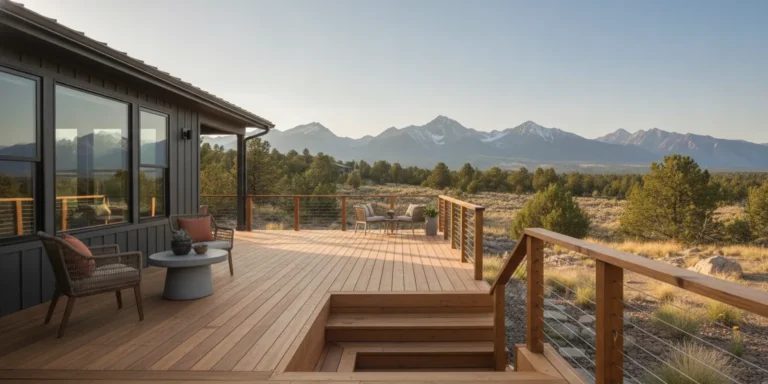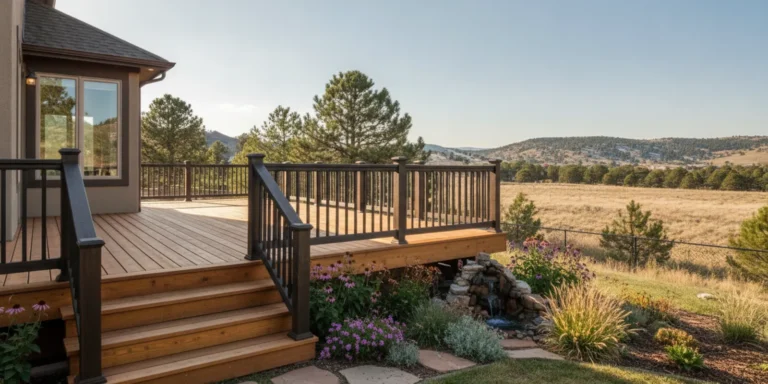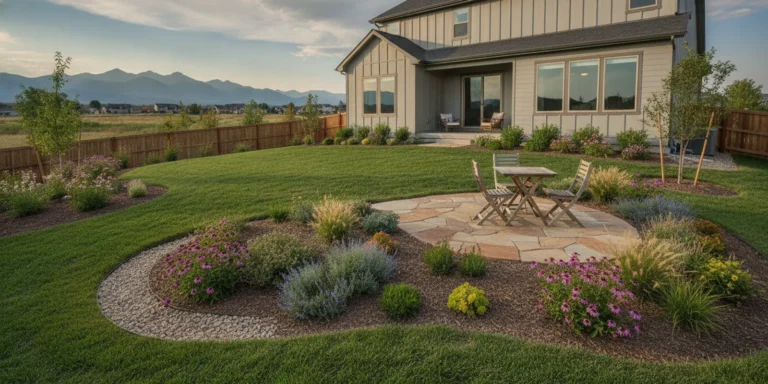

Exterior paint does more than change a home’s color. It has to work with the roof, siding, masonry, trim, landscape, and the way sunlight reaches each side of the house. In the Denver Metro Area, thoughtful selection also means considering existing surface conditions, changing weather, neighborhood expectations, and how the finish will support future maintenance. A color that looks appealing on a small sample can feel very different across a full elevation. So the best decisions begin with the home itself rather than a paint chip alone.
Contact Faros Construction Services about your exterior paint plan.
Good residential exterior paint selection Denver Metro Area homeowners can feel confident about starts with evaluating the home’s materials. Condition, sun exposure, architectural character, and surrounding context before choosing colors or finishes.
That evaluation helps narrow the choices and prevents disconnected combinations that compete with features you already want to preserve. It also gives a contractor a clearer basis for discussing preparation, material coordination, and a practical project sequence. Before comparing paint colors, begin by looking closely at the setting and the surfaces that will carry them.
Take note of areas that receive strong afternoon sun, sections shaded by trees or neighboring homes, and places where earlier coatings are peeling or uneven. Look at the relationship between painted surfaces and fixed materials such as brick, stone, concrete, roofing, and metal details.
These observations do not need to produce an immediate answer. They create a useful starting point for choosing a palette that feels intentional, suits the home’s character, and reflects the conditions the finished work must handle. A careful review at this stage can make later conversations more focused and easier to act on.
How Can Homeowners Plan Residential Exterior Paint Selection in the Denver Metro Area?
Start with the house itself, not a color card. The right exterior paint decision considers the home’s style, siding or masonry, current condition, exposure to the elements, and the surrounding neighborhood. A site assessment helps connect those details so the finished work feels intentional and suits the home.
Match the choice to the home’s character
A classic bungalow, contemporary build, and historic brick home each create a different starting point. The color and finish should support the lines, proportions, and architectural details that make the property distinctive. Trim, doors, and other accents can reinforce those details, while an overly strong contrast may distract from them.
Look at the roof, masonry, stonework, railings, and nearby exterior structures before choosing a color family. Existing materials often remain in place, so the new paint needs to work with them rather than compete with them. For homes with connected outdoor improvements, it can also help to coordinate exterior materials and structures as part of the broader plan.
Identify what the surface needs
Siding and masonry do not present the same painting conditions. Wood, fiber cement, stucco, brick, and other exterior materials can differ in texture, porosity, previous coatings, and repair needs. The existing condition matters just as much. Peeling areas, damaged sections, gaps, or visible wear should be evaluated before a new coating is selected.
Faros uses consultation and site assessment to review existing conditions, project requirements, and constraints before work begins. That process helps clarify whether the project is an update to sound surfaces or a larger repaint that needs repair and preparation first. Material selection should follow that assessment, not replace it.
Consider sun, weather, and neighborhood context
Exposure can vary across one house. South- and west-facing surfaces may experience stronger sun, while shaded areas can present different maintenance concerns. Wind, rain, changing temperatures, and Colorado’s freeze-thaw conditions are also relevant when planning exterior work. The goal is not to apply the same assumption to every elevation, but to understand how the property’s setting affects the decision.
Finally, review the neighborhood context. A color may look appealing on a small sample but feel out of place beside nearby homes, established landscaping, or historic character. If an HOA or local approval applies, confirm those requirements before finalizing the selection. Thoughtful residential exterior paint selection in the Denver Metro Area begins with these practical observations and a clear understanding of the home’s existing materials.
How Do Color and Material Choices Work Together?
Color works best when it responds to the materials already shaping your home. A thoughtful exterior palette connects the main body color, trim, doors, accents, roof, masonry. Siding, and wood so the finished house feels intentional rather than assembled from separate decisions.
Build the palette around the main body color
Start with the largest visual areas, such as siding, stucco, or other exterior wall surfaces. The body color establishes the home’s overall character, while trim can provide definition around windows, corners, rooflines, and architectural details. A lighter trim may highlight those features, while a closely related tone can create a quieter, more unified appearance.
Doors and accent areas deserve their own consideration. They can add focus without competing with the body color, but the accent should relate to fixed materials instead of being selected in isolation. Look at the roof, brick, stone, concrete, and other masonry first. These elements usually remain in place, so paint colors should complement their undertones and visual weight.
Coordinate siding, wood, and outdoor structures
Different materials absorb and reflect light in different ways. Siding may read as broad and consistent, while wood introduces grain, texture, and a more natural variation. If your home includes a porch, pergola, or deck, consider how its stain or paint will sit beside the walls and trim. Faros helps property owners coordinate exterior materials and structures so related improvements support one another rather than creating disconnected zones. You can learn more about coordinating exterior materials and structures as part of that broader planning process.
This does not mean every surface needs to match. Contrast can be useful when it clarifies the entry, frames an architectural feature, or separates a structure from the main house. The goal is balance, with each material contributing to the home’s character.
Test color in the setting where it will live
Neighborhood context matters in the Denver Metro Area. Your home should reflect your preferences while still fitting its streetscape and any applicable HOA requirements. Review colors beside neighboring homes, mature landscaping, fences, and other permanent surroundings before making a final selection.
Small paint chips can be misleading. View large samples on more than one side of the house, and check them in morning, afternoon, and shaded light. Sun exposure can change how warm, cool, bright, or muted a color appears. A site assessment can also account for existing conditions and the material relationships that are difficult to judge from a color card alone. Faros brings an owner-led, practical approach to these decisions, with attention to honest expectations, careful material selection, and quality craftsmanship.
Which Exterior Paint Finish Fits Each Surface?
There is no single exterior finish that works equally well on every part of a house. Siding, trim, doors, and accent surfaces have different visual roles and may have different substrate conditions, exposure, and maintenance needs. The right choice depends on the material, its condition, the appearance you want, and a professional assessment of the home.
For homeowners considering residential exterior paint selection in the Denver Metro Area. It helps to evaluate each surface separately instead of treating the entire exterior as one uniform project. A finish that supports a calm, consistent look on broad siding may not be the best choice for a front door or detailed trim.
| Surface | Selection questions | Practical considerations |
|---|---|---|
| Siding | What material is it, and should the finish blend quietly with the home’s style? | Review the substrate, existing coating, condition, sun exposure, and how the finish will look across large areas. |
| Trim | Should the trim recede, coordinate with the siding, or provide a clear architectural contrast? | Consider profile detail, existing caulking, repairs, and how changes in light affect narrow surfaces. |
| Doors and accent surfaces | What focal point should the surface create, and does it support the home’s overall character? | Inspect wear, touch points, previous coatings, and the desired balance between visual emphasis and easy upkeep. |
Start with the substrate, not the sheen chart
Finish selection should follow an evaluation of the surface itself. Wood, masonry, fiber cement, and other exterior materials can have different textures, coating histories, and repair needs. A surface with loose coating, exposed areas, gaps, or prior patching may require preparation before any finish decision is finalized. Applying a new coating without addressing those conditions can distract from the appearance you are trying to achieve.
Exposure matters as well. Surfaces that receive intense sun, collect moisture, or sit near frequently used entry areas may call for a different conversation than protected areas. That does not mean a particular finish is automatically correct. It means the selection should account for the actual conditions at the home rather than rely on a universal rule.
Use appearance goals to guide the final decision
Think about how you want the exterior to read from the street and up close. A quieter siding treatment may help the architecture remain the focus, while trim or a door can define edges and entry points. Samples should be reviewed against the home’s roof, masonry, landscaping, and changing daylight. Faros takes an assessment-based approach so material selection, existing conditions, and the desired result are considered together. The final finish should be confirmed after that review, with clear expectations for preparation and ongoing care.
Why Does Surface Preparation Matter in Denver Metro Area Homes?
Surface preparation gives an exterior coating a clean, stable foundation. Before choosing a color or finish, the condition of the home’s siding, trim, masonry. And other exterior features should be assessed so the work matches the materials, style, and exposure to the elements.
A careful inspection helps identify conditions that may affect the scope of work. Depending on the home, that review may include siding, trim, doors, garage doors, masonry, and areas that receive different amounts of sun and weather. The goal is not to force every project through the same checklist. A well-maintained surface may need less intervention, while an older or more exposed exterior may require additional preparation before painting can begin.
Cleaning and removing unstable coating
Exterior surfaces need to be reasonably clean before new coating is applied. Dirt, dust, residue, and other buildup can interfere with adhesion. Loose or peeling coating should also be addressed rather than covered over. Preparation may involve cleaning, scraping, sanding, or other methods selected for the material and its condition. The appropriate approach depends on the surface, its age, and how much existing coating remains sound.
Repairs, caulking, and priming
Preparation can also reveal repairs that should be completed first. Loose boards, exposed fasteners, damaged trim, gaps, and cracks may need attention. Caulking can help address suitable joints and openings, while repairs to the underlying material may be necessary where the surface is no longer secure. Exposed areas may need primer before the finish coating is applied. These decisions should be made after inspection, not assumed in advance.
Moisture and general condition checks are especially important when the exterior shows staining, soft material. Swelling, recurring peeling, or other signs that the coating may not be the only issue. Painting can improve appearance, but it should not be used to conceal a condition that requires repair. Identifying those concerns early helps create a clearer scope and reduces surprises during the project.
Access and quality control
Preparation also includes planning safe, practical access to the work areas. Rooflines, upper elevations, narrow side yards, landscaping, and exterior features can affect how a crew reaches each surface and protects surrounding areas. After preparation, quality control should confirm that surfaces are suitably clean, repairs are addressed. Caulking and primer are used where appropriate, and the selected coating is being applied to the intended material.
Faros Construction Services evaluates existing conditions and project requirements before work begins. You can review the company’s residential construction and exterior services to see how a site assessment supports a more informed painting plan for a Denver Metro Area home.
When Is the Right Time to Paint a Denver Metro Area Home?
The right time to paint a Denver Metro Area home is a workable weather window that also fits your home’s condition, schedule, access needs, and neighborhood requirements. Instead of choosing a fixed month, plan around the surfaces, forecast, and project sequence so preparation and coating can be completed under suitable conditions.
Weather can change quickly, and wind, rain, strong sun, and changing temperatures may affect application and drying. A site assessment helps identify which elevations are most exposed and whether the work should be coordinated in stages. South- and west-facing areas may receive more intense sun, while shaded sections may have different drying conditions. The goal is not to force the project into a calendar window. But to select a period when the crew can work carefully and the home can remain accessible.
Plan before the work window arrives
Start with an evaluation of the exterior rather than waiting until you want the work finished. Look for loose coating, gaps, cracks, unsecured boards, or trim that may need attention before painting. Those conditions can change the sequence, especially when repairs, caulking, or primer are needed. Resolving them early gives you a clearer understanding of the work and reduces the chance that a short weather window is consumed by unexpected preparation.
Access matters as well. Decide how ladders, equipment, vehicles, gates, and outdoor furniture will be handled. If landscaping, a driveway, garage door, or exterior structure is close to the work area, coordinate those items before the start date. Painting siding, trim, doors, and other features in a logical order can help limit disruption and keep related material decisions consistent.
Check neighborhood and project requirements
Some neighborhoods or planned communities may require HOA review before an exterior color change. Confirm whether an application, approved color list, or written authorization applies to your home. Permit questions can also arise when painting is part of a larger exterior repair or construction project, so check the applicable requirements before scheduling. Faros coordinates permitting and HOA approvals for complex projects when applicable, but the exact requirements depend on the property and scope.
It is also useful to coordinate exterior painting with other planned work. A siding repair, masonry decision, deck improvement, or exterior structure project may affect color, access, or sequencing. Reviewing the home as a whole helps prevent freshly painted areas from being disturbed by later work. For context on how Faros approaches construction planning and material coordination, review the Faros construction process.
A consultation and site assessment can bring these decisions together. The right schedule should reflect the home’s existing materials, its exposure, the preparation required, and any HOA or permit checks, while leaving room to adjust when conditions change. That practical planning is more dependable than selecting a season first and trying to fit the home into it.
How Can You Compare Exterior Painting Contractors?
Compare contractors by looking beyond the color discussion and asking how each company will understand your home, define the work, communicate decisions, and verify the finished result. A strong consultation should connect the paint plan to your materials, existing conditions, exposure, and the practical requirements of a Denver Metro Area property.
Use the following checklist during consultations and when reviewing written proposals:
- Consultation and site assessment: Choose a contractor who visits the property and evaluates the existing exterior before recommending an approach. The assessment should consider siding, trim, doors, masonry, visible damage, access, and areas exposed to demanding weather. Faros uses consultation and site assessment to review conditions, project requirements, and constraints before work begins.
- Scope clarity: Ask what surfaces are included and what preparation is expected for each one. The scope should make clear whether the project includes siding, garage doors, trim, or other exterior features, along with repairs that may be needed before coating. Precise measurements, technical assessment, and material calculations can reduce surprises and make the plan easier to understand.
- Communication: Pay attention to whether the contractor answers questions directly and explains changes before work starts. You should know who will coordinate the project, how updates will be shared, and when decisions about color, materials, access, or weather will be discussed. Direct communication helps keep expectations aligned from planning through completion.
- Preparation: Ask how the team will respond to the actual condition of the exterior rather than accepting a generic preparation promise. Depending on the surface, the work may require cleaning, removal of loose coating, repairs, sanding, caulking, or primer on exposed areas. Preparation should be connected to the material and condition of your home, not treated as an afterthought.
- Quality control: Look for a process that includes checks during the work, not only at the end. A contractor should monitor surface readiness, coverage, clean lines, and the way different materials meet. Faros emphasizes direct quality oversight and client communication, with Ricardo Alfaro personally involved from planning through final delivery.
- Timeline coordination: Exterior work must be coordinated with changing weather, property access, household routines, and any applicable HOA or approval requirements. Ask how the contractor will communicate schedule adjustments and sequence preparation, painting, and related work. A realistic plan is more useful than a rigid date that ignores site conditions.
- Final walkthrough: Before considering the project complete, walk the property with the contractor. Review the agreed surfaces, edges, repaired areas, cleanup, and any items that need attention. The walkthrough should give you a clear opportunity to ask questions and confirm that the finished work matches the documented scope.
Contact Faros Construction Services for a consultation and site assessment.
The best comparison is not simply between paint selections. It is between the clarity, care, and accountability each contractor brings to the entire project. For more background on Faros’s owner-led approach, visit the company overview.
Frequently Asked Questions
When is the right time to paint a Denver Metro Area home?
The right timing depends on weather conditions, surface readiness, access, and any neighborhood or HOA requirements that apply. Rather than relying on a fixed season, plan around a suitable weather window and allow time to address repairs and preparation before coating begins.
What preparation should be completed before exterior painting?
Preparation may include cleaning the surface, removing loose coating, addressing repairs, caulking gaps, and priming exposed areas when appropriate. The exact scope should follow an assessment of the home’s existing materials and condition, because sound preparation helps the new finish perform as intended.
What happens if my trim or siding is damaged?
Damaged, deteriorated, or missing trim and siding should be evaluated before painting. Some areas may need repair or replacement so the surface is sound and the finished work fits the surrounding materials. A site assessment can clarify what needs attention before color is applied.
How do I choose exterior colors for my house?
Start with the home’s architecture, roof, masonry, siding, trim, and surrounding setting. Compare samples in the home’s natural light and consider how sun exposure and existing materials affect the result. A balanced body, trim, and accent palette usually works better than choosing each color in isolation.
Can a consultation help with residential exterior paint selection?
Yes. A consultation and site assessment can review existing conditions, material coordination, preparation needs, weather considerations, and project constraints before work begins. That process gives homeowners clearer expectations and a practical basis for selecting a finish.
Contact Faros for Exterior Paint Guidance
Exterior paint selection becomes easier when the color, surface condition, surrounding materials, and Denver Metro Area setting are considered together. Faros Construction Services provides owner-led guidance to help homeowners clarify those decisions and plan the next step with realistic expectations.
Ricardo Alfaro is the author of this guide.