

Painting before move-in is easier when the home is empty and surfaces are accessible. Coordinate the work before furniture, flooring, and fixtures limit your options. A practical plan also helps you identify repairs, choose the right products, and leave enough time for drying, cleanup, and a final walkthrough.
Contact Faros to discuss how your move-in plan fits with broader home building or remodeling work.
By Ricardo Alfaro
A move-in home painting checklist should cover the home’s condition, room priorities, surface preparation, paint selection, access, ventilation, trade scheduling, and final inspection. Reviewing each item before work begins helps Denver Metro Area homeowners and property owners create a cleaner, more predictable transition into the home.
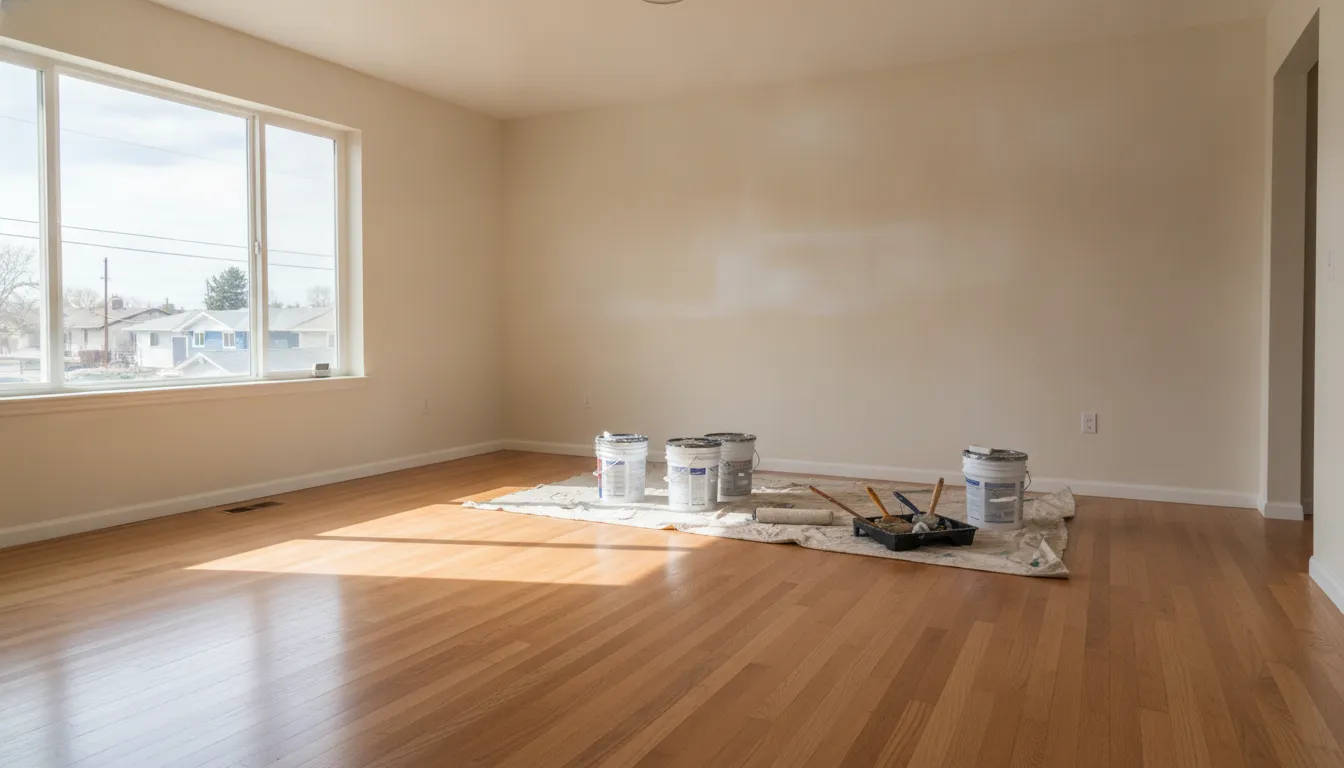
The best starting point is a room-by-room walkthrough that separates essential preparation from optional updates. From there, the checklist can guide decisions about what needs attention first and how the work should move through the home.
What should be on a move-in home painting checklist?
A useful move-in home painting checklist covers more than colors. Record every room, surface, repair, access issue, protection need, and scheduling dependency before work begins, then decide what must be completed before furniture and belongings arrive.
Start with the scope. Note whether the project includes the whole home, selected rooms, ceilings, trim, doors, closets, cabinets, or accent walls. If the home is newly built, add drywall readiness, trim completion, and any remaining trade work. If it is an existing home, document nail holes, dents, stains, peeling areas, uneven patches, and surfaces that may require separate repair. Smaller drywall issues can often be addressed during preparation, while larger damage may need its own repair step before painting.
Build a room-by-room inventory
- List each room and identify the walls, ceiling, trim, doors, closets, and built-ins included.
- Record the current surface condition, including cracks, holes, stains, glossy areas, and previous repairs.
- Mark surfaces that need protection, such as finished flooring, stone, hardware, appliances, windows, and lighting.
- Choose priorities for rooms needed first, such as bedrooms, bathrooms, kitchens, entryways, or a home office.
Access belongs on the checklist too. Confirm who will provide keys, whether rooms can remain clear, where materials can be staged, and how painters will move through the home without damaging finished areas. Include pets, children, security systems, parking, elevator or stair access, and any building or neighborhood requirements that affect the work. A clear access plan prevents avoidable interruptions once the project starts.
Plan around the move
An empty home is usually easier to prepare and protect because crews can reach walls, floors, corners, and trim without working around furniture. Schedule painting before the moving truck arrives when possible, while allowing room for ventilation, drying, final touch-ups, cleaning, and a walkthrough. Do not place furniture against newly finished surfaces until the product instructions and project team indicate that the area is ready for normal use.
Occupied homes require a different plan. Divide the work into zones, remove or cover belongings, preserve a safe path through the home, and agree on which rooms remain usable each day. In the Denver Metro Area, indoor conditions and seasonal weather can affect ventilation and drying. The schedule should remain practical rather than based on an assumed identical timeline. For related preparation guidance, see how to prepare your home for painting before confirming the move-in sequence.
Contact Faros to discuss room access and timing for a broader home building or remodeling project.
How do you inspect and prepare each room before painting?
Start with a room-by-room walkthrough before opening a paint can. Note surface damage, cleaning needs, furniture access, protection requirements, and ventilation so the work is sequenced around the home’s condition and your move-in plans.
- Walk through every room and record existing conditions. Check walls, ceilings, trim, doors, closets, and other painted surfaces in natural and artificial light. Look for nail holes, dents, hairline cracks, uneven previous patches, peeling areas, moisture concerns, and surfaces that need a different preparation approach. Also identify outlets, switches, built-ins, fixtures, and flooring that must remain protected.
- Separate routine repairs from larger problems. Minor drywall issues can usually be filled, allowed to dry, sanded smooth, and primed before painting. Larger cracks, water-damaged drywall, or sections requiring replacement should be identified before the painting sequence is finalized. Painting over an unresolved condition can leave the defect visible or interfere with a clean finish.
- Clean surfaces according to their condition. Remove dust, cobwebs, grease, residue, and other contaminants that could affect adhesion. Pay close attention to kitchens, entryways, baseboards, doors, and rooms that have been vacant during construction. Let cleaned areas become suitable for the selected product before proceeding, following the product instructions rather than relying on a fixed schedule.
- Protect the room before preparation and application. Move furniture and belongings out of the work area when possible, especially before move-in. Cover flooring, countertops, cabinetry, hardware, fixtures, and items that cannot be removed. Use careful edge protection around trim and openings, and confirm that access remains clear for ladders, tools, and safe movement.
- Plan ventilation and indoor conditions. Provide practical airflow while keeping dust and outdoor weather from creating new problems. In the Denver Metro Area, dry air, changing outdoor conditions, and indoor humidity can affect how a product behaves. Follow the label guidance for ventilation, temperature, humidity, recoating, and curing, and coordinate with the homeowner before closing up a room.
Preparation should end with a shared room-by-room check, not a rushed handoff. Confirm which repairs are complete, which surfaces are ready, what remains protected, and how the next room will be accessed. A structured site assessment helps align the scope, access requirements, and homeowner decisions before execution begins. Faros uses an owner-led process that emphasizes direct communication and quality checks throughout broader home building or remodeling work. If painting is one part of a larger project, discuss how the overall construction sequence may affect room access and finish timing.
Which rooms and surfaces should you paint first?
For most move-in projects, paint the ceiling first, then the walls, followed by trim, doors, closets, and cabinets. Work through the emptiest, most accessible rooms before furniture arrives, while planning cabinets and detailed trim as separate work that may need additional preparation and drying time.
Starting overhead keeps ceiling splatter from marking finished walls. Once the ceiling is complete, walls can be addressed before baseboards, casings, doors, and other trim receive their final finish. This sequence also makes it easier to identify repairs, protect finished surfaces, and keep the move-in schedule organized.
Room order depends on access as much as surface order. If the home is empty, begin with the rooms that need the most preparation or will be hardest to reach after furniture arrives. Bedrooms, hallways, and living areas can then follow a logical path toward the entry. If the home is occupied, isolate one room or zone at a time, protect belongings, and maintain a clear route for people and materials.
| Area | Typical priority | Planning note |
|---|---|---|
| Ceilings | First | Complete overhead work before walls and trim. |
| Walls | Second | Finish after ceiling repairs and surface preparation. |
| Trim | After walls | Baseboards and casings need clean, protected edges. |
| Doors | With trim | Allow access for both faces, edges, and hardware areas. |
| Closets | Early when empty | Complete before storage is filled. |
| Cabinets | Plan separately | Expect detailed preparation, protection, and access needs. |
| Empty rooms | Prioritize | Open access simplifies protection and continuous work. |
| Occupied rooms | Zone by zone | Coordinate furniture, pathways, ventilation, and daily cleanup. |
Closets are easy to overlook, but painting them before clothes, shelving contents, or boxes arrive avoids unnecessary moving and protection. Cabinets deserve their own decision because doors, drawers, hardware, and surrounding surfaces can require a more detailed preparation plan. Review these cabinet painting considerations before combining cabinet work with a whole-home sequence.
For a larger project, map the sequence during the initial walkthrough. A room-by-room plan should account for repairs, flooring, fixtures, ventilation, other trades, and final cleaning. For additional planning ideas, review Faros’ guide to whole-house interior repainting for a broader interior update in the Denver Metro Area.
How do you choose paint and coordinate the move-in schedule?
Choose colors and finishes by considering each room’s light, use, and existing surfaces, then build the painting schedule around access and the work that must happen afterward. A successful move-in plan leaves enough room for preparation, ventilation, cleaning, and a final walkthrough before furniture and belongings arrive.
Make paint decisions room by room
Start with the overall feeling you want throughout the home, then decide where continuity matters and where a different color can define a space. Sample colors in the actual rooms, because natural and artificial light can change how a color looks from morning to evening. For sheen, think about how the surface will be used. A washable finish may be practical in busy areas, while a lower-sheen finish can help reduce the appearance of minor wall texture in quieter rooms. Ceilings, trim, doors, and cabinets may need different finish choices than broad wall surfaces.
Do not treat primer as an automatic step or skip it without looking at the surface. New drywall, patched areas, stains, glossy coatings, and uneven porosity can call for different preparation. An assessment helps identify where a primer or additional surface work is appropriate. Product labels and technical instructions should guide surface preparation, ventilation, recoat decisions, and cleanup. In the Denver Metro Area, indoor temperature and humidity can affect drying conditions. The work area should be managed according to the product guidance rather than an assumed schedule.
Plan around flooring and other trades
Painting is often easiest before furniture arrives, but it still has to fit with flooring, cabinet work, fixture installation, and repairs. Confirm which surfaces are ready, which rooms need to remain accessible, and whether another trade could damage a freshly finished area. If flooring is being replaced, clarify whether walls, trim, or baseboards should be painted before or after installation. Protect completed surfaces and keep pathways clear for deliveries and installers.
Schedule cleaning after the main work and allow the home to be orderly enough for a detailed inspection. Cleaning should remove dust and work residue without disturbing newly finished surfaces. During the final walkthrough, inspect corners, trim, doors, transitions, and areas behind or around fixtures. Record any touch-ups in a punch list and resolve them before moving boxes into the rooms.
For broader coordination across remodeling or property improvements, review Faros construction services and discuss how related work may fit into the overall sequence.
When should you hire a professional for move-in painting?
Hire a professional when the project is too large, complex, high, time-sensitive, or coordination-heavy to manage comfortably on your own. Professional help is especially useful when painting must happen between closing and move-in, when several trades are involved, or when you want one accountable person overseeing the work.
A smaller refresh in an empty room may be manageable with careful preparation. A whole-home project is different. Multiple rooms require decisions about sequence, surface condition, access, protection, ventilation, and final cleaning. A professional can help turn those decisions into a workable plan before furniture and belongings arrive.
Your home has extensive repairs or difficult access
Painting is not simply a matter of applying a new color. Walls may need patching, sanding, caulking, stain treatment, or other preparation before the finish can look consistent. High ceilings, stairwells, tall walls, built-ins, and detailed trim also introduce access and protection concerns. If you are uncomfortable working from a ladder or cannot safely reach every area, bring in a qualified professional rather than treating access as an afterthought.
Your move-in schedule involves several decisions
A tight schedule makes sequencing more important. Painting may need to fit around flooring, cabinet work, fixture installation, repairs, cleaning, inspections, or deliveries. The right order depends on the home’s condition and the work happening around it. A professional can help identify what must be completed first, which surfaces need additional preparation, and when a final walkthrough should occur. No single timeline fits every Denver Metro Area home, so planning should reflect the actual scope, access, materials, and decisions still outstanding.
You want one accountable coordinator
Owner-led oversight can be valuable when you want clear communication from the initial consultation through site assessment, preparation, execution, and final review. Faros Construction Services is a family-owned, owner-led company serving homeowners and property owners throughout the Denver Metro Area. Ricardo Alfaro remains directly involved in project oversight, quality checks, client communication, and issue resolution. That structure gives you a clear point of contact while the project requirements are evaluated honestly.
A site assessment should identify existing conditions, access considerations, constraints, goals, and the work needed before painting begins. It is also an opportunity to discuss room priorities and how the project fits your move. For related preparation guidance, review how to prepare your home for painting before the consultation.
Move-in painting checklist for Denver Metro Area homes
A move-in home painting checklist should organize the work around access, surface readiness, protection, ventilation, and the final walkthrough. For a Denver Metro Area home, coordinate the painting plan with deliveries, flooring, other trades, and changing outdoor conditions rather than treating every project as having the same schedule.
Before painting begins
- Confirm access: Identify which rooms are empty, where materials can be staged, and how workers will enter and move through the home. Note locked areas, narrow passages, pets, and any furnishings that cannot be relocated.
- Review the scope: Walk each room and record walls, ceilings, trim, doors, closets, cabinets, and visible repairs. Agree on colors, sheen, priority rooms, and any surfaces that need separate preparation.
- Protect the home: Plan coverings for flooring, counters, fixtures, stairs, and permanent items. Remove wall hangings and fragile belongings before the crew arrives.
- Coordinate other work: Confirm that drywall, carpentry, electrical, flooring, and fixture work is ready before the final coats. Where project circumstances require it, handle approvals or coordination before materials and labor are scheduled.
During the work
- Check preparation: Surfaces should be clean, sound, and appropriately repaired before coating. Ask how exposed repairs, stains, or difficult surfaces will be addressed.
- Maintain ventilation: Keep the work area ventilated as appropriate for the product instructions and household conditions. In the Denver Metro Area, indoor humidity and outdoor weather can affect how rooms are managed, so follow the coating manufacturer’s guidance.
- Keep communication open: Confirm room sequencing, daily access, protection measures, and any condition that changes the plan. A clear update is better than discovering a conflict on move-in day.
After painting is complete
- Complete a final walkthrough: Inspect walls, trim, doors, corners, transitions, and cleanup. Create a punch list for touch-ups before furniture and belongings arrive.
- Document the result: Save the approved color and finish information, care guidance, room notes, and any agreed follow-up items. This record is useful for future maintenance.
- Protect the transition: Confirm that floors and fixtures are clean, pathways are clear, and rooms are ready for the next trade, delivery, or move-in step.
Frequently Asked Questions
When should I paint before moving into a home?
Paint after major repairs and dusty work are complete, but before furniture, boxes, and final cleaning arrive. This gives the crew better access to walls, ceilings, trim, closets, and doors, while making it easier to protect finished surfaces.
What should I do if the walls have damage or uneven surfaces?
Document dents, cracks, stains, loose coatings, and drywall that is not ready for paint during the initial walkthrough. Cleaning, patching, sanding, priming, and other preparation should be planned before finish coats so the result is consistent.
Which rooms should be painted first?
Start with rooms that need to be ready earliest, such as bedrooms, bathrooms, or a home office. Sequence the work around access, flooring, fixtures, other trades, and the move-in date rather than choosing rooms by size alone.
How do Denver Metro Area conditions affect an interior painting schedule?
Colorado weather and indoor humidity can affect drying conditions. Plan for appropriate ventilation, follow the product instructions, and coordinate doors, windows, heating, and cooling with the painting team before work begins.
When is professional help useful for a move-in painting project?
Professional help is useful when the home has multiple rooms, high areas, extensive repairs, a short transition window, or several trades that must be coordinated. A site assessment can clarify existing conditions, access, preparation, materials, and the final walkthrough.
Contact us to plan your move-in painting
A clear plan can help coordinate room access, surface preparation, and the rest of your move-in schedule before furniture arrives. For broader home building or remodeling questions, Faros Construction Services can discuss the right next steps for your Denver Metro Area home or property.