
Your home is your biggest asset, but are you making the most of it? For many homeowners in the Denver metro area, the answer lies right in their own backyard. Building an Accessory Dwelling Unit (ADU) is a powerful financial tool that can transform your property into a hardworking asset. It’s a strategic investment that can generate a steady stream of rental income to help pay down your mortgage, while also significantly increasing your home’s overall market value when it comes time to sell. This guide explores the practical side of ADUs, breaking down the costs, financing options, and smart design choices that maximize your return.
Key Takeaways
- An ADU is a flexible, long-term asset: More than just an extra room, an ADU is a complete, secondary home on your property that can adapt to your life’s changes, serving as a rental unit for income, a private suite for family, or a dedicated home office.
- A successful build hinges on expert planning: Before breaking ground, you must understand Denver’s specific zoning laws, permit requirements, and size limits. Partnering with an experienced local builder ensures your project is compliant, well-designed, and avoids common pitfalls from the start.
- Maximize your return with a smart strategy: To get the most from your investment, create a detailed budget that accounts for all costs, from permits to finishes. Thoughtful design choices and a clear plan for long-term maintenance will ensure your ADU is a valuable, high-performing asset.
So, What Exactly Is an Accessory Dwelling Unit (ADU)?
You’ve probably heard a few different names for them—granny flats, in-law suites, backyard cottages—but they all refer to the same thing: an Accessory Dwelling Unit, or ADU. Think of it as a second, smaller, self-contained home located on the same property as a primary single-family house. As housing needs evolve in the Denver metro area, more homeowners are looking at ADUs as a smart way to add flexible living space to their property. Whether you’re thinking about a place for aging parents, a home for your recent college grad, or a source of rental income, an ADU can be a fantastic solution. But before you start sketching out floor plans, let’s get clear on what an ADU is and what it isn’t.
The Defining Features of an ADU
At its core, an ADU is a complete, independent living space. To be considered a true ADU, the unit must include its own entrance, kitchen, bathroom, and sleeping area. It’s not just an extra bedroom; it’s a fully functional home on a smaller scale. According to housing experts, these units are designed to be secondary to a primary residence on a single-family lot. This means they share the same piece of land and are owned by the same person, but they provide all the essentials for someone to live there comfortably and independently. They must also be built to meet all local building codes for safety and livability.
How is an ADU Different from a Duplex or Tiny Home?
It’s easy to get ADUs confused with other types of small homes, but there are a few key differences. A duplex, for example, consists of two primary homes attached to each other on one lot, whereas an ADU is always secondary, or “accessory,” to the main house. A tiny home can be an ADU, but only if it’s built on a permanent foundation and meets local building codes. The term “tiny home” often refers to mobile structures, which aren’t typically classified as ADUs. The real beauty of an ADU is its versatility. It can be a brand-new detached structure in your backyard, a conversion of your garage, or even a newly created apartment above it. You can also build an addition to your main house or convert a basement into a separate unit. Each of these projects requires a skilled home builder to ensure it’s done right.
Busting Common ADU Myths
There’s a lot of chatter about ADUs, and not all of it is accurate. Let’s clear up a few common misconceptions. First, many people think ADUs are only for generating rental income. While they’re great for that, homeowners also build them for family members, as dedicated home offices, or as private guest suites. Another myth is that zoning laws make them impossible to build. While you do have to follow the rules, many cities have actually streamlined their regulations to encourage ADU construction. Finally, some homeowners believe a DIY build is the best way to save money. While it might seem cheaper upfront, building an ADU is a complex project. Without professional expertise, you risk running into costly code violations, structural issues, and major delays. It’s always best to talk with an expert to understand the full scope of your project.
Exploring the Different Types of ADUs
ADUs aren’t a one-size-fits-all solution. The best type for you depends on your property, your budget, and what you hope to achieve. From standalone backyard cottages to clever garage makeovers, there’s a style to fit nearly every Denver home. Let’s walk through the most common types so you can find the perfect match for your space and your goals. As a custom home builder, we can help you figure out which option makes the most sense for your property.
Detached ADUs
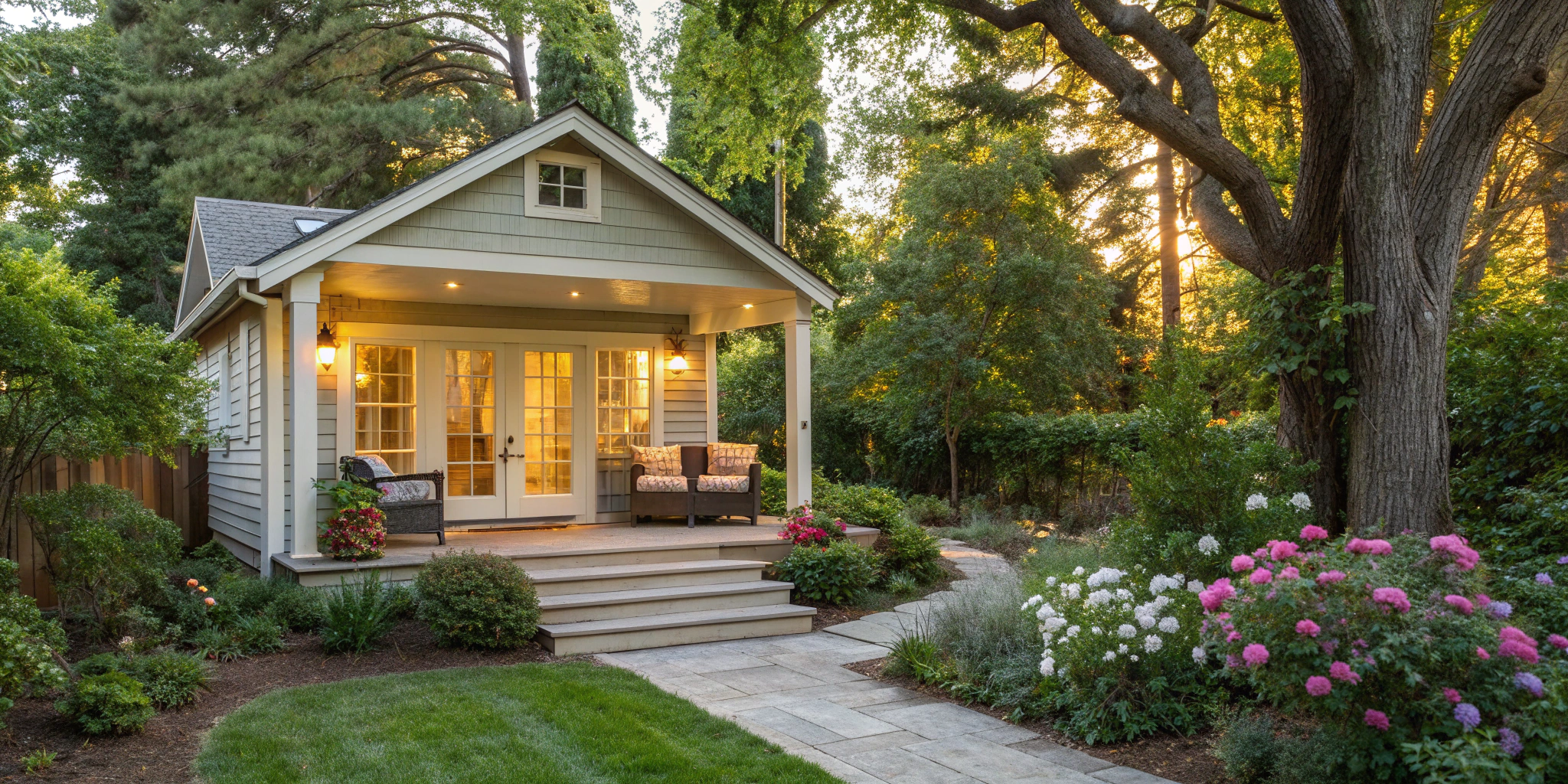
Think of a detached ADU as a mini-home in your backyard. These are completely separate structures, like a small cottage or a newly built unit where a shed used to be. The biggest advantage here is privacy. A detached unit gives both you and your occupants—whether they’re renters, in-laws, or adult children—a true sense of independence and personal space. It’s an ideal choice if you want to create a distinct separation between the main house and the new living area. This option often feels the most like a traditional home, making it a highly attractive rental for tenants in the Denver area.
Attached ADUs
An attached ADU is built as an addition to your existing home. Instead of a separate building, this unit shares at least one wall with the primary house. It could be a “bump-out” addition on the side of your home or a new story built over the garage. Because they are integrated into the primary home, attached ADUs can be a great way to efficiently use your lot space. They often make utility hookups simpler and are perfect for homeowners who want to keep family members close by, like aging parents who need accessible, single-level living without being completely separate.
Garage Conversions
Have a garage that’s mostly collecting dust? A garage conversion might be your perfect ADU solution. This popular option involves transforming an existing garage into a fully functional, stylish living space. The big win here is cost-effectiveness. Since you’re starting with an existing foundation, walls, and a roof, you can save significantly on construction costs compared to building from scratch. It’s a smart, resourceful way to add a rental unit or guest suite to your property without sacrificing your yard. Plus, it gives a new purpose to an underused part of your home.
Basement Apartments
Many Denver homes have basements with untapped potential. Converting a basement into a separate apartment is a fantastic way to create an ADU while maximizing your property’s square footage. This approach turns an often-overlooked area into a valuable living space, perfect for a long-term renter or as a private suite for guests. To make it a legal, safe dwelling, you’ll need to ensure it has its own entrance and proper egress windows for safety. But with the right design, a basement conversion can feel just as bright and welcoming as any other home, offering a cozy and private retreat.
Internal Conversions
If you don’t want to build out or up, you can look inward. An internal conversion involves making part of the main house into a separate unit. This could mean transforming an unused attic, a large primary suite, or even a sectioned-off portion of your main floor into a self-contained apartment with its own entrance, kitchen, and bathroom. This is often the most budget-friendly ADU type because it works within your home’s existing footprint, minimizing major structural changes and construction. It’s a creative and efficient way to add a living space, perfect for a single renter, a college student, or a dedicated home office.
The Top Benefits of Building an ADU
Adding an ADU to your property is more than just a construction project; it’s an investment in your future, your family, and your lifestyle. While the idea of building a second, smaller home in your backyard might seem like a big undertaking, the rewards are often well worth the effort. For homeowners in the Denver metro area, an ADU opens up a world of possibilities, from generating rental income to creating a private space for loved ones. It’s a practical way to make the most of the property you already own.
Think of it as a way to add a new chapter to your home’s story. Whether you’re looking for financial freedom, a way to support your family, or simply more room to breathe, an ADU can be the solution. As an experienced home builder, we’ve seen firsthand how these versatile structures transform properties and lives. Let’s explore some of the top reasons why building an ADU might be the perfect next step for you.
Earn Extra Income
One of the most compelling reasons to build an ADU is the potential for a new revenue stream. Renting out your ADU can provide a steady source of passive income that helps offset your mortgage, cover property taxes, or fund other life goals. In a competitive rental market like Denver’s, a well-designed ADU is a highly attractive option for tenants seeking a private, modern living space. This financial cushion can provide peace of mind and greater flexibility, turning your backyard into a valuable asset that works for you.
Keep Family Close
ADUs are a fantastic solution for multigenerational living, allowing you to keep family members close while still maintaining privacy for everyone. It’s the perfect setup for aging parents who want to live independently but need support nearby, or for adult children saving up for their own home. This arrangement offers the best of both worlds: your loved ones have their own space with a kitchen and bathroom, but you’re just a few steps away. It fosters connection and provides a support system right on your property.
Add Value to Your Home
Building an ADU is a smart investment that can significantly increase your property’s value. When it comes time to sell, a home with a legal, permitted ADU is a major draw for potential buyers. They see the same benefits you do: a built-in rental unit, a guest house, or a private office space. This added square footage and functionality make your property stand out in the market. While the exact return varies, adding a self-contained living unit is one of the most reliable ways to enhance your home’s long-term financial worth.
Gain a Flexible Living Space
Your needs change over time, and an ADU provides a flexible space that can adapt with you. Today, it might be a rental unit, but tomorrow it could become a home office, an art studio, a personal gym, or a guest suite for visiting friends and family. This versatility is a huge advantage. Instead of moving to a larger house, you can expand your living area right where you are. An ADU is the ultimate extension of your home, creating functional and beautiful outdoor living spaces that serve whatever purpose you need.
Embrace Sustainable Living
If you’re looking for a more eco-friendly housing solution, an ADU is a great choice. Because they are much smaller than typical single-family homes, ADUs require less energy to heat and cool and use fewer materials to build. This smaller footprint contributes to more efficient land use and helps create denser, more walkable neighborhoods. By building an ADU, you’re not just adding space; you’re making a positive choice for the environment and promoting a more sustainable lifestyle right in your own backyard.
Denver’s ADU Rules: What You Need to Know
Building an ADU in the Denver metro area is an exciting prospect, but it’s not as simple as just breaking ground in your backyard. The city has a specific set of rules and regulations designed to ensure these new homes are safe, well-integrated into neighborhoods, and help address local housing needs. Think of these rules not as roadblocks, but as your roadmap to a successful project. As Denver has become more supportive of ADUs, understanding these guidelines is the first step toward turning your vision into a reality. From zoning to size limits, let’s walk through the key regulations you’ll need to be aware of.
Zoning and Local Laws
Before you get too far into planning, the very first step is to confirm your property is zoned for an ADU. In Denver, not every residential lot is eligible. The city’s zoning code dictates where ADUs can be built, and the rules can sometimes vary by neighborhood or specific overlay district. Checking your property’s zoning status is a critical, non-negotiable step. Working with an experienced contractor who understands the local landscape is so important. They can help you verify your eligibility and ensure your project starts on the right foot.
Permits and Building Codes
Once you’ve confirmed your property is zoned correctly, the next phase involves securing the right permits. Any ADU construction requires a building permit from the city of Denver. This process ensures that your new unit is built to current safety and construction standards, protecting both you and any future occupants. These building codes cover everything from structural integrity and electrical wiring to plumbing and energy efficiency. A seasoned home builder will manage the entire permitting process for you, submitting architectural plans and coordinating inspections to make sure every aspect of your ADU is up to code and built to last.
How Big Can Your ADU Be?
While you might dream of a sprawling backyard cottage, the city has rules about how large your ADU can be. The maximum size is typically determined by the size of your lot and the square footage of your primary home. Denver’s regulations often specify a maximum height and overall footprint to ensure the ADU fits the scale of the neighborhood. These size restrictions are in place to help maintain neighborhood character and prevent overcrowding. A design-build team can help you maximize your allowable space, creating a layout that feels spacious and functional while adhering to every city requirement.
Do You Have to Live On-Site?
This is a big question for homeowners considering an ADU as a rental property. In Denver, you are generally required to live on the property—either in the main house or in the new ADU. This owner-occupancy rule is common in many cities and is intended to ensure property owners are nearby and invested in the community, rather than creating properties run by absentee landlords. Before you build, think about the logistics of sharing your property. This requirement makes an ADU a great option for housing family or for homeowners who want to be hands-on with their rental unit.
Parking and Utility Hookups
Finally, let’s talk about the practical stuff: parking and utilities. While Denver has become more flexible with parking requirements for ADUs in many areas, you’ll still need to verify the rules for your specific property. More importantly, your ADU will need connections for water, sewer, and electricity. Hooking up these utilities involves careful planning and coordination with the city and local utility providers. This work is a significant part of the construction process and budget. When you’re ready to discuss the specifics of your property, you can schedule a consultation to get a clear picture of what’s required.
How Much Does It Cost to Build an ADU?
One of the first questions on every homeowner’s mind is, “What’s the price tag?” The cost of building an ADU in the Denver metro area can vary quite a bit, but it’s a project that can be managed with smart planning. Think of it less as a cost and more as an investment in your property’s future. The final price depends on the type of ADU you choose, the materials you select, and the specific features you want to include.
Generally, you can expect costs to range from $100 to over $550 per square foot. A simple garage conversion will land on the lower end of that spectrum, while a custom-built, detached unit with high-end finishes will be at the top. The best way to get a clear picture of the potential cost for your unique property is to talk with an expert. A professional builder can give you a detailed estimate based on your vision and your lot’s specific requirements.
Breaking Down the Costs by ADU Type
The type of ADU you decide to build is the biggest factor influencing your budget. A detached new-build unit, for example, requires a new foundation, framing, and utility hookups, making it the most expensive option. An attached ADU that shares a wall with your main house can be slightly more affordable since it leverages some existing structure.
Garage and basement conversions are often the most budget-friendly routes. You’re working within an existing footprint, which saves a significant amount on structural and foundation work. However, you’ll still need to account for costs like adding kitchens, bathrooms, proper insulation, and ensuring everything is up to code. The custom projects we build at Faros are tailored to fit both your property and your budget, ensuring quality craftsmanship no matter the scale.
Don’t Forget These Hidden Costs
Beyond the main construction, there are other expenses to keep in mind. Securing the right permits and navigating local zoning regulations is a critical step that comes with its own set of fees. You’ll also need to budget for utility connections—running new water, sewer, and electrical lines can add up. Site preparation, such as excavation or landscaping, is another cost to factor in.
While a DIY approach might seem like a way to save money, it can lead to costly mistakes and delays if you’re not an expert. Working with an experienced home builder ensures every detail is handled correctly from the start, preventing unexpected expenses down the road. A professional team manages the entire process, from permits to final inspection, so there are no surprises.
How to Pay for Your ADU
Financing your ADU project is more accessible than you might think. Most homeowners use the equity in their primary residence to secure funding. A home equity loan or a home equity line of credit (HELOC) are popular choices, allowing you to borrow against the value you’ve already built in your property. These options often come with competitive interest rates and flexible terms.
Another great option is a construction loan, which is designed specifically for building projects. This type of loan provides short-term financing to cover costs during the construction phase and is typically converted into a traditional mortgage once the project is complete. Your eligibility for these options will depend on your home equity, income, and credit history. Talking to a financial advisor can help you find the best path forward for your situation.
Smart Design Features for Your ADU
A great ADU is more than just a small house in your backyard—it’s a thoughtfully designed space that feels comfortable, functional, and private. Whether you’re building for a family member or a future tenant, smart design choices make all the difference. Focusing on the layout, key amenities, and privacy from the start will ensure your new unit is a desirable place to live and a valuable addition to your property. The right features can transform a simple structure into a complete and inviting home, making your investment work harder for you. At Faros, we apply the same principles of quality craftsmanship and intentional design to our ADUs as we do to all our outdoor living spaces. A well-planned ADU not only meets building codes but also enhances your lifestyle and property value for years to come.
Must-Have Amenities and Smart Layouts
Every ADU, by definition, must have its own kitchen and bathroom to be considered a separate dwelling. But a truly functional space goes beyond the basics. Think about including in-unit laundry, ample storage, and durable, high-quality finishes. When it comes to the layout, an open-concept design can make a small footprint feel much larger. Maximize natural light with well-placed windows and consider multi-functional furniture to make the most of every square foot. We approach these projects with the same attention to detail as a full-scale home build, ensuring the layout is both efficient and comfortable for daily living.
Creating a Sense of Privacy
Sharing a property can be a major concern for both homeowners and ADU occupants. Creating a sense of privacy is crucial for everyone’s comfort. This starts with a separate, private entrance that doesn’t require walking past your main home’s windows. Strategic placement of the ADU, windows, and doors can prevent direct lines of sight between the two homes. You can also use landscaping, fencing, or hardscaping to create a visual and physical separation, giving the ADU its own dedicated outdoor area and making it feel like a truly independent home.
Features That Attract Great Renters
If rental income is your goal, certain features can help you attract and retain high-quality tenants. Beyond the essentials, renters in the Denver metro area often look for modern conveniences. This includes reliable, high-speed internet access, energy-efficient appliances, and durable flooring that’s easy to maintain. A small, private outdoor space, like a patio or a small deck, is a huge draw and can significantly increase your unit’s appeal. Investing in these details not only makes your ADU more competitive but can also justify a higher rental price, leading to a better return on your investment.
Common ADU Planning Mistakes to Avoid
Building an ADU is an exciting project, but it’s also a significant investment of your time and money. A little foresight can go a long way in making the process smooth and successful. By learning from the common missteps others have made, you can ensure your ADU build stays on track and meets your expectations from day one. Let’s walk through some of the most frequent planning mistakes so you know exactly what to watch out for.
Miscalculating the Budget
One of the biggest hurdles homeowners face is underestimating the true cost of an ADU. It’s easy to assume a smaller structure means a small price tag, but building an ADU is like building a miniature house from the ground up. It requires a foundation, plumbing, electrical, and all the same systems as a full-sized home. Costs for permits, site preparation, utility hookups, and high-quality finishes can add up quickly. To avoid financial surprises, it’s crucial to get a detailed, transparent quote from your builder that accounts for every phase of the project. This will give you a realistic financial picture before you break ground.
Overlooking Local Rules
Navigating building regulations can feel overwhelming, but it’s a non-negotiable step. Every city has its own set of rules, and the Denver metro area is no exception. Homeowners often run into trouble by not thoroughly researching local zoning laws, permit requirements, and building codes before they get too far into the design process. These regulations dictate everything from the maximum size of your ADU to its placement on your property. Working with a local builder who is an expert in Denver’s specific requirements is the best way to ensure your project is compliant from the start, saving you from costly delays and potential fines down the road.
Not Hiring the Right Experts
The temptation to DIY or hire the cheapest contractor can be strong, but it often leads to bigger expenses in the long run. An ADU build is a complex job that requires a team of skilled professionals, including architects, engineers, and experienced builders. A reputable team will not only deliver quality craftsmanship but also manage the entire process, from securing permits to coordinating inspections. Trying to cut corners by hiring inexperienced labor or managing the project yourself can result in structural issues, failed inspections, and a finished product that doesn’t meet your needs. Investing in the right experts ensures your ADU is built safely, efficiently, and to the highest standard.
Choosing a Flawed Design
Your ADU’s design needs to be a perfect blend of your vision, your property’s limitations, and local regulations. A common mistake is falling in love with a design that simply won’t work for your space or isn’t allowed by city code. It’s important to think about both form and function. How will you or your tenants use the space? Does the layout maximize every square foot? Does it offer enough privacy from the main house? A well-thought-out design considers natural light, storage solutions, and flow, creating a comfortable and desirable living space. Collaborating with a design-build team can help you create a plan that is both beautiful and practical for your Denver property.
How to Choose the Right ADU for Your Property
Picking the right ADU is about more than just choosing a floor plan. It’s about finding the perfect match for your property, your financial goals, and your lifestyle. Think of it as a puzzle where every piece—from your backyard’s layout to your long-term vision—needs to fit just right. By carefully considering your lot’s potential, what you can comfortably afford, and the unique demands of our Denver climate, you can create a space that truly works for you. Let’s walk through the key factors to help you make a confident decision.
Assess Your Property’s Potential
Before you start dreaming up designs, take a good look at your property. How much space do you realistically have? Is there clear access for construction without disrupting your main home? Local zoning laws and building codes are the most important part of this step. Building an ADU requires obtaining the necessary permits, which can be a complex process. You’ll need to understand setbacks, height restrictions, and utility connections. Working with an experienced home builder who knows the ins and outs of Denver’s regulations can save you a lot of headaches and ensure your project starts on the right foot.
Balance Your Budget and Your Needs
Your budget will be a major guide in deciding what kind of ADU is feasible. The cost can vary quite a bit, but it doesn’t have to be out of reach. A garage or basement conversion will generally cost less than building a brand-new detached unit from the ground up. When you plan to finance the project, your options are typically based on your home equity, income, and savings. Be honest about what you can afford and what you truly need the space for—whether it’s a rental unit, a home office, or a suite for family. This clarity will help you and your builder create a plan that meets your goals without breaking the bank.
Designing for Denver’s Climate
Living in the Denver metro area means designing for all four seasons. A well-designed ADU should be an asset year-round, not a burden. This means thinking about durable siding that can handle hail, proper insulation for cold winters, and windows placed to capture sunlight and reduce heating costs. As Denver continues to grow, ADUs are becoming a key part of the solution to the housing shortfall by using existing infrastructure. A thoughtful design not only creates a comfortable living space but also adds a sustainable and valuable asset to your neighborhood and property.
Your ADU Build: What to Expect Step-by-Step
Seeing your ADU project come to life is an exciting process. While every project is unique, the journey from a patch of grass to a beautiful, functional living space generally follows the same key phases. Knowing what’s ahead can make the entire experience smoother and more enjoyable. Here’s a look at the major steps involved in building an ADU on your Denver property.
Step 1: Site Prep and Planning
Before any dirt is moved, the first step is all about preparation. This phase involves a thorough assessment of your property to determine the best location and type of ADU for your space. We’ll consider things like utility access, property lines, and how the new structure will fit with your existing home. This is also when we dive into the specific zoning regulations for the Denver metro area. Getting a handle on the rules and necessary permits early on is crucial, as it sets the foundation for a successful build. A clear plan at this stage prevents surprises down the road.
Step 2: Choosing a Builder and Getting Permits
With a solid plan in place, it’s time to select your building partner and secure the necessary permits. Choosing an experienced home builder who understands Denver’s specific requirements is one of the most important decisions you’ll make. A great contractor will not only deliver quality craftsmanship but will also guide you through the permitting process. You will always need a building permit to construct an ADU, and your builder will help prepare and submit the required architectural plans and documents to the local building department. This ensures your project is fully compliant with safety standards and local codes from the very beginning.
Step 3: The Building Process from Start to Finish
This is where your vision starts to take physical form. The construction process varies depending on whether you’re building a detached unit, converting a garage, or creating a basement apartment. Generally, it begins with laying the foundation, followed by framing the structure. From there, your team will handle roofing, siding, and installing windows and doors. Next come the internal systems—plumbing, electrical, and HVAC—followed by insulation and drywall. The final stages involve all the finishing touches, like painting, flooring, installing cabinets, and connecting fixtures. Your builder will manage the entire timeline, coordinating different tradespeople to keep the project moving forward efficiently.
Step 4: Final Inspections and Walkthrough
Once construction is complete, the project enters its final phase. Before you can officially move in or rent out the space, the city will conduct a series of final inspections to verify that every aspect of the ADU meets building codes. This is a non-negotiable step that ensures the structure is safe and sound. After the project passes inspection, you’ll do a final walkthrough with your builder. This is your opportunity to review every detail, ask questions, and make sure everything is exactly as you envisioned. It’s the last step before you get the keys to your brand-new space.
How to Maximize Your ADU Investment
Building an ADU is more than just adding square footage; it’s a significant financial investment that can pay dividends for years to come. Whether you plan to generate rental income, house a family member, or simply increase your property’s value, a thoughtful strategy is key. Making smart decisions from the outset will help you get the best possible return on your investment. This means thinking beyond the build itself and considering how you’ll manage the property, attract the right tenants, and plan for future expenses. With the right approach, your ADU can become a powerful asset that supports your long-term financial goals and enhances your lifestyle.
Smart Strategies for Renting Your ADU
One of the biggest draws of an ADU is its versatility. You can provide a private, comfortable space for aging parents or adult children, or you can rent it out to generate a steady stream of extra income. Either way, a well-designed ADU is almost certain to increase your property’s value. If you decide to rent, start by researching the going rates for similar units in the Denver metro area to set a competitive price. Highlighting premium features—like a private entrance, modern appliances, and dedicated outdoor space—can help you attract responsible, long-term tenants who will treat your property with care.
To Manage or Not to Manage?
Deciding whether to manage the ADU yourself or hire a property manager is a crucial step. Managing it yourself means you keep all the rental income, but it also means you’re the one fielding late-night calls about a leaky faucet. It requires a significant investment of time and energy. Remember, renting out an ADU involves the unique challenge of sharing a property that was previously just for your household. A property manager can handle everything from tenant screening to maintenance requests, but their fees will cut into your profits. Weigh the cost against the convenience to decide what makes the most sense for your lifestyle.
Planning for Long-Term Upkeep
A successful ADU investment strategy includes planning for the future. Your rental income needs to cover more than just the mortgage; you also have to account for long-term upkeep. Set aside a portion of the rent each month for routine maintenance, unexpected repairs, and potential vacancies between tenants. Taking a strategic approach to your finances from day one prevents future stress. Investing in quality construction and durable materials upfront can also save you a lot of money on repairs down the road, ensuring your ADU remains a valuable, low-stress asset for years to come.
Related Articles
Frequently Asked Questions
How long does it typically take to build an ADU from start to finish? The timeline can vary quite a bit depending on the project’s complexity, but it’s best to plan for several months to a year. The process includes a design phase, a permitting phase with the city, and the actual construction. Securing permits in the Denver area can sometimes take a few months on its own, so having a builder who knows how to prepare and submit all the paperwork correctly is a huge advantage in keeping things moving.
Will adding an ADU increase my property taxes? Yes, you can expect your property taxes to go up after building an ADU. Because the project adds significant value and a legal living unit to your property, the county will reassess its value, which results in a higher tax bill. It’s a good idea to factor this ongoing expense into your overall budget when you’re calculating the long-term costs and rental income potential of your new unit.
Can I design my own ADU, or do I have to use a pre-made plan? You absolutely can and should have a say in the design. While pre-made plans exist, a custom design ensures the ADU fits your specific property, meets your unique needs, and complies with Denver’s local building codes. Working with a design-build team allows you to create a layout that maximizes your space and includes the features that are most important to you, whether it’s for a family member or a future renter.
What’s the very first step I should take if I’m considering an ADU? Your first step should be to confirm that your property is zoned for an ADU and to have a professional consultation. An experienced builder can help you understand your lot’s potential and limitations based on Denver’s specific regulations. This initial conversation will help you get a realistic picture of your budget, timeline, and design possibilities before you invest too much time or money into the idea.
Do I need a separate address for my new ADU? In most cases, yes. A legal ADU is a separate dwelling, so it will need its own official address. This is important for mail delivery, utility services, and for emergency responders to be able to find the unit easily. Your builder will typically handle the process of obtaining a new address from the city as part of the overall permitting and construction process.