
A construction project in Colorado rarely moves in a perfectly straight line. Weather, permit review, material lead times, inspections, HOA requirements, and trade scheduling can all shape when work starts and when your home is ready to use. The good news is that a realistic timeline makes the whole process easier. When you know what happens before construction, during each phase, and near the final walkthrough, you can plan around disruption instead of being surprised by it.
Planning a project in the Denver metro area? Request a free quote from Faros Construction and get practical timeline guidance before you commit to a scope.
Faros Construction Services is a family-owned Denver general contractor led by owner Ricardo Alfaro. The team works across concrete, decks, outdoor living, hardscapes, remodeling, ADUs, and custom home projects, so timeline planning is not treated as a guess. It is part of the construction strategy from the first site visit through the final walkthrough.
What Is a Realistic Colorado Construction Timeline?
A realistic Colorado construction timeline is the full schedule from early planning to final completion, not just the days when a crew is physically building on site. Homeowners often focus on the visible construction window, but the total timeline also includes consultation, measurements, design, proposal review, permitting, HOA approvals, material ordering, inspection coordination, and closeout.
For smaller residential projects, the active construction phase may be measured in days or weeks. For larger remodeling, additions, ADUs, or custom home work, the full process can stretch across months because more decisions, permits, inspections, and trade partners are involved.
The most dependable way to think about a project schedule is in phases:
- Planning and site assessment: defining the scope, measuring the site, checking access, and identifying constraints.
- Design and proposal: selecting materials, confirming layout, and aligning the project plan with your goals.
- Permits and preparation: submitting documents, coordinating HOA review when needed, ordering materials, and scheduling trades.
- Construction: completing the physical work with inspections at the proper milestones.
- Final walkthrough: reviewing details, completing punch list items, and discussing maintenance.
This phased view matters because a project can be moving forward even when you do not see daily activity in your yard or inside your home. A permit may be under review, a structural detail may be getting clarified, or materials may be scheduled for delivery. Clear communication helps keep those quieter parts of the timeline from feeling like a stall.
Typical Timeline Ranges by Project Type
Every site is different, but homeowners can use general timeline ranges to understand what to expect. These ranges assume the scope is defined, access is reasonable, and the project does not require major redesign after work begins.
Concrete Driveways, Patios, Walkways, and Flatwork
Many residential concrete projects can move quickly once design, preparation, and weather conditions are aligned. A straightforward patio, walkway, or driveway may take one to two weeks for active work, including demolition if needed, base preparation, forming, pouring, finishing, and curing considerations.
Colorado weather matters here. Concrete work depends on temperature, moisture, and freeze-thaw planning. A good contractor will not rush a pour when conditions could affect the finished surface. For more detail on this service line, visit Faros Construction’s concrete contractor page.
Decks, Pergolas, Porches, and Outdoor Structures
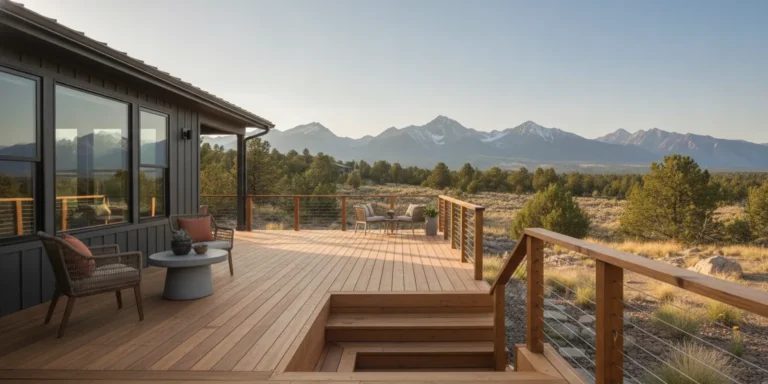
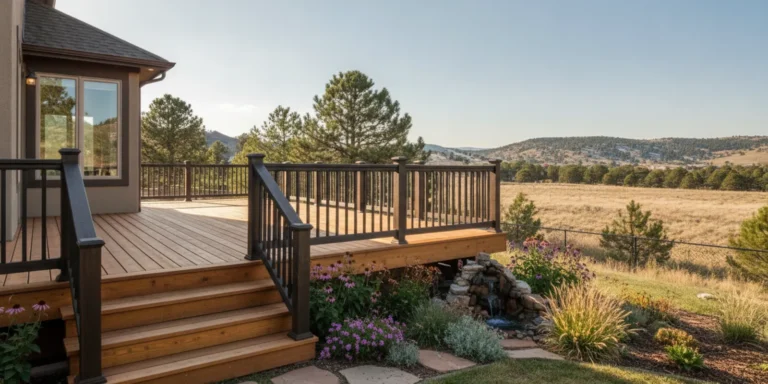
Deck and porch projects often run from one to three weeks during active construction, depending on size, materials, railings, stairs, footings, and inspection needs. Pergolas and gazebos may move faster when the structure is simple, while elevated decks or covered porches usually require more planning.
Material selection also affects timing. Composite decking, custom railing systems, lighting, shade structures, and weather-resistant finishes may need additional coordination. Explore Faros Construction’s deck, pergola, and porch services for examples of the work involved.
Outdoor Living Spaces and Hardscape Projects
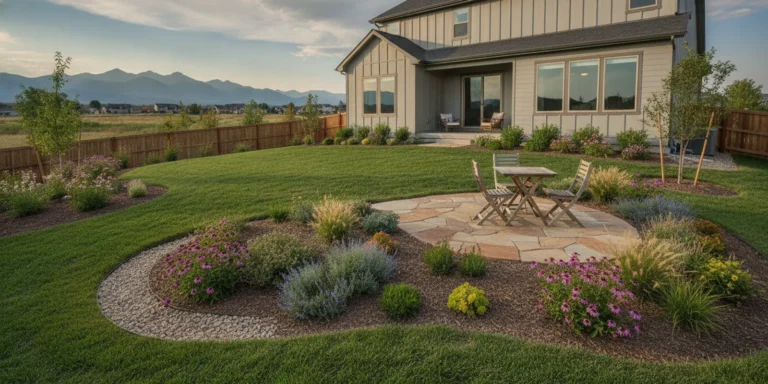
Outdoor living projects often combine several scopes at once: patios, retaining walls, outdoor kitchens, fire features, lighting, drainage, planting areas, and shade structures. Smaller upgrades may be completed within a few weeks, while integrated backyard transformations can take longer because crews must sequence different trades in the right order.
Drainage and soil conditions are especially important along the Front Range. If water management is not handled before finishes are installed, the project may look finished but underperform later. That is why planning, grading, and utility coordination are part of the timeline. Learn more about integrated outdoor work on the outdoor living spaces page.
Kitchen, Bathroom, Basement, and Interior Remodels
Interior remodels usually take longer than homeowners expect because demolition can reveal hidden conditions. Older Denver-area homes may have framing, plumbing, electrical, insulation, or ventilation issues that need attention before finishes are installed. A focused bathroom or kitchen remodel may take several weeks, while larger interior renovations can take two to three months or more.
The timeline depends on the amount of structural work, cabinet and countertop lead times, fixture selections, inspections, and how much of the home remains occupied during construction. A clear selections process is one of the best ways to prevent delays. When homeowners decide on tile, fixtures, cabinets, hardware, and finishes early, the construction phase moves more smoothly.
Additions, ADUs, and Custom Home Projects
Additions, ADUs, second-story projects, and custom homes require the most timeline planning. These projects may include zoning review, architectural drawings, engineering, structural evaluation, utility planning, energy code considerations, and multiple inspections. Smaller additions may take a few months from planning through completion, while larger home building projects can run many months depending on scope.
Because these projects affect the structure of the home, the planning phase is not a formality. It is where the team confirms what is possible, what approvals are required, and how the work should be sequenced. Faros Construction’s home building and remodeling services cover these larger project types.
How Do Colorado Seasons Affect Construction Scheduling?
Colorado’s seasons can affect construction in ways homeowners from milder climates may not expect. The Denver metro area can see sun, snow, high winds, and major temperature swings within a short window. A strong timeline accounts for those realities instead of pretending they do not exist.
Spring
Spring is a popular time to start planning outdoor projects, but it can also bring wet soil, late snow, and unpredictable temperature changes. Contractors may be busy with homeowners trying to get patios, decks, driveways, and outdoor living spaces ready for summer. If you want work completed before peak outdoor season, start conversations earlier than you think you need to.
Summer
Summer is often the busiest production season. Longer daylight and warmer weather help many exterior projects move efficiently, but high demand can tighten scheduling. Material availability, inspection calendars, and crew capacity all matter. Homeowners who wait until summer to begin planning may find that the best start dates are already booked.
Fall
Fall can be one of the best windows for construction, especially for homeowners who want work finished before winter. It is also a season when timing discipline matters. Exterior work should be scheduled with enough buffer for early cold snaps, curing requirements, and shorter daylight. For interior remodeling, fall can be a practical time to start if you want improvements completed before holiday gatherings.
Winter
Winter does not automatically stop construction, but it changes the strategy. Interior remodeling, planning, design, permitting, and some protected work can continue. Exterior concrete, grading, roofing, and certain outdoor scopes require more caution. Winter is also a smart time to plan larger spring projects, because drawings, approvals, and materials can be handled before the busy season arrives.
What Can Delay a Construction Project in Colorado?
Some delays are avoidable. Others are part of building responsibly in a state with changing weather, varied soil conditions, and local approval requirements. The important thing is knowing which risks to discuss before work begins.
- Permit review: structural work, additions, ADUs, major remodels, electrical, plumbing, and mechanical scopes may require approval before work can begin.
- HOA review: exterior changes in many Denver-area communities may need HOA approval, especially for additions, decks, fences, colors, or outdoor structures.
- Weather: snow, freeze-thaw cycles, rain, wind, heat, and sudden temperature swings can affect exterior work.
- Hidden conditions: demolition may reveal old wiring, damaged framing, drainage issues, foundation concerns, or previous work that needs correction.
- Material lead times: cabinets, windows, specialty doors, custom railings, and unique finishes may take longer than standard items.
- Inspection sequencing: some work cannot be covered or finished until the proper inspection is complete.
- Scope changes: adding features mid-project may require new materials, revised scheduling, or additional approvals.
None of these issues means a project is poorly managed. The problem is not that delays can happen. The problem is when nobody planned for them or communicated what they mean. That is where an owner-led contractor can make a meaningful difference.
If you are comparing scopes or trying to choose the right season, review Faros Construction’s services and talk with the team about the schedule that fits your home.
How Long Do Permits Take in the Denver Metro Area?
Permit timelines vary by city, project type, completeness of the application, and whether plan review comments are issued. A simple permit can move much faster than a structural addition, ADU, or whole-home remodel. In some cases, the biggest delay is not the city itself but missing information, incomplete drawings, unclear scope, or revisions that were not anticipated.
For Denver-area homeowners, the safest assumption is that permitting should be built into the schedule early. Do not treat it as a last-minute step after materials have already been ordered and crews are waiting. A better approach is to identify permit needs during the consultation and design phase, then sequence the project around likely review windows.
Permit planning is especially important for:
- Structural changes or load-bearing wall modifications
- Second-story additions and major room additions
- ADUs, garage conversions, and detached structures
- Decks, covered patios, and elevated outdoor structures
- Electrical, plumbing, mechanical, and gas line work
- Projects in HOA communities or historic areas
Working with a contractor who understands local requirements helps prevent preventable back-and-forth. Faros Construction serves Denver, Aurora, Lakewood, Littleton, Arvada, Westminster, Highlands Ranch, Englewood, Golden, Thornton, Parker, Castle Rock, Centennial, and nearby communities, so the team is used to planning around different local processes.
What Happens Before Construction Starts?
The pre-construction phase is where timelines are either protected or put at risk. Rushing this stage may feel faster at first, but it often creates slowdowns later. Faros Construction follows a structured process that begins with consultation and site assessment, then moves into precise measurements, proposal development, preparation, construction, and final walkthrough.
Consultation and Site Assessment
The first visit is used to understand your goals, evaluate the site, discuss access, and identify constraints. For exterior work, this can include slope, drainage, soil conditions, utility locations, and existing structures. For interior work, it may include layout, structural considerations, plumbing locations, electrical needs, and how the household will function during construction.
Measurements and Technical Review
Accurate measurements help prevent change orders and scheduling surprises. This step may include confirming dimensions, checking structural conditions, mapping utilities, and identifying material requirements. The more precise this work is, the more dependable the schedule becomes.
Design, Selections, and Proposal
Selections are one of the most common homeowner-driven timeline factors. Cabinets, tile, decking, railings, lighting, appliances, fixtures, doors, and windows all have different availability windows. Finalizing selections early gives the contractor time to order materials before they are needed on site.
Permits, HOA, and Trade Coordination
Once the scope is defined, the team can determine whether permits, HOA review, or specialized trade scheduling is required. This phase may not look dramatic, but it is where the project calendar becomes real. A well-managed schedule lines up people, materials, inspections, and approvals before active construction begins.
How Can Homeowners Keep the Timeline on Track?
Homeowners cannot control the weather or a city review queue, but they can control many decisions that affect the schedule. The best projects usually have clear communication, early decisions, and realistic expectations from the beginning.
- Start planning early: begin conversations before your ideal construction season, especially for outdoor work.
- Define the scope clearly: decide what is included, what is optional, and what can wait for a later phase.
- Make selections on time: choose materials, colors, fixtures, and finishes before crews need them.
- Be honest about budget range: clear expectations help the contractor recommend a practical scope without wasted redesign.
- Prepare the site: move vehicles, clear access paths, secure pets, and protect belongings before work begins.
- Respond quickly: approvals, answers, and change decisions can hold up the next phase if they sit too long.
- Limit mid-project changes: changes can be handled, but they often affect materials, inspections, and trade scheduling.
Communication is the thread that ties all of this together. If your contractor explains what is happening this week, what is needed next, and what could affect the schedule, you can make better decisions. That is why Faros Construction emphasizes owner-led oversight, regular updates, and a single point of accountability.
Sample Timeline: From First Call to Final Walkthrough
Here is a simple way to picture the full journey for a typical Denver-area residential construction project:
- Week 1: initial conversation, site visit, goal discussion, and early feasibility review.
- Weeks 1 to 3: measurements, scope refinement, selections, proposal review, and timeline planning.
- Weeks 2 to 6 or longer: permits, HOA review, material ordering, and trade coordination when required.
- Construction window: active work begins once approvals, materials, and schedule are aligned. The length depends on the project type.
- Final stage: inspections, punch list, cleanup, walkthrough, warranty information, and maintenance guidance.
This sample is not meant to replace a project-specific schedule. It shows why two projects that look similar from the outside can have very different timelines. A patio on a clear, accessible site is not the same as a patio tied into drainage, retaining walls, utilities, and an outdoor kitchen. A bathroom refresh is not the same as a structural remodel. Details matter.
When Should You Contact a Contractor?
The best time to contact a contractor is before you need the work to start. For outdoor projects, reach out one season ahead when possible. For additions, ADUs, and major remodels, start even earlier so there is time for design, engineering, approvals, and materials. For smaller repairs or focused improvements, a shorter lead time may be workable, but early planning still gives you more scheduling options.
If you are not sure whether your project is simple or complex, that is a good reason to schedule a consultation. A contractor can help you understand which parts of the scope affect timing, which decisions should be made first, and whether the work should be phased.
Faros Construction works with homeowners who want honest guidance, quality craftsmanship, and a clear plan. The company does not build around the lowest-bid mentality. It builds around value, communication, and work that is meant to last in Colorado conditions.
Plan Your Colorado Construction Timeline With Faros
A strong construction timeline is not just a calendar. It is a plan for decisions, approvals, weather, materials, inspections, communication, and craftsmanship. When those pieces are managed together, homeowners have a smoother experience and a better finished result.
Whether you are planning a concrete patio, new deck, outdoor living space, remodel, ADU, or larger home project, Faros Construction Services can help you understand the right sequence before work begins.
Ready to talk through your Colorado construction timeline? Contact Faros Construction to schedule a consultation and plan your next project with a local Denver contractor.