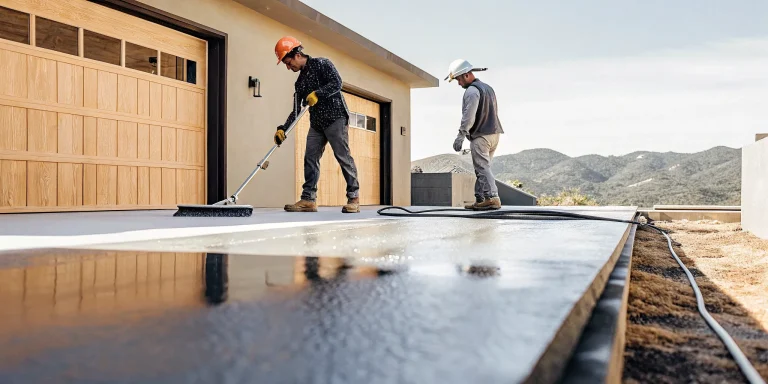

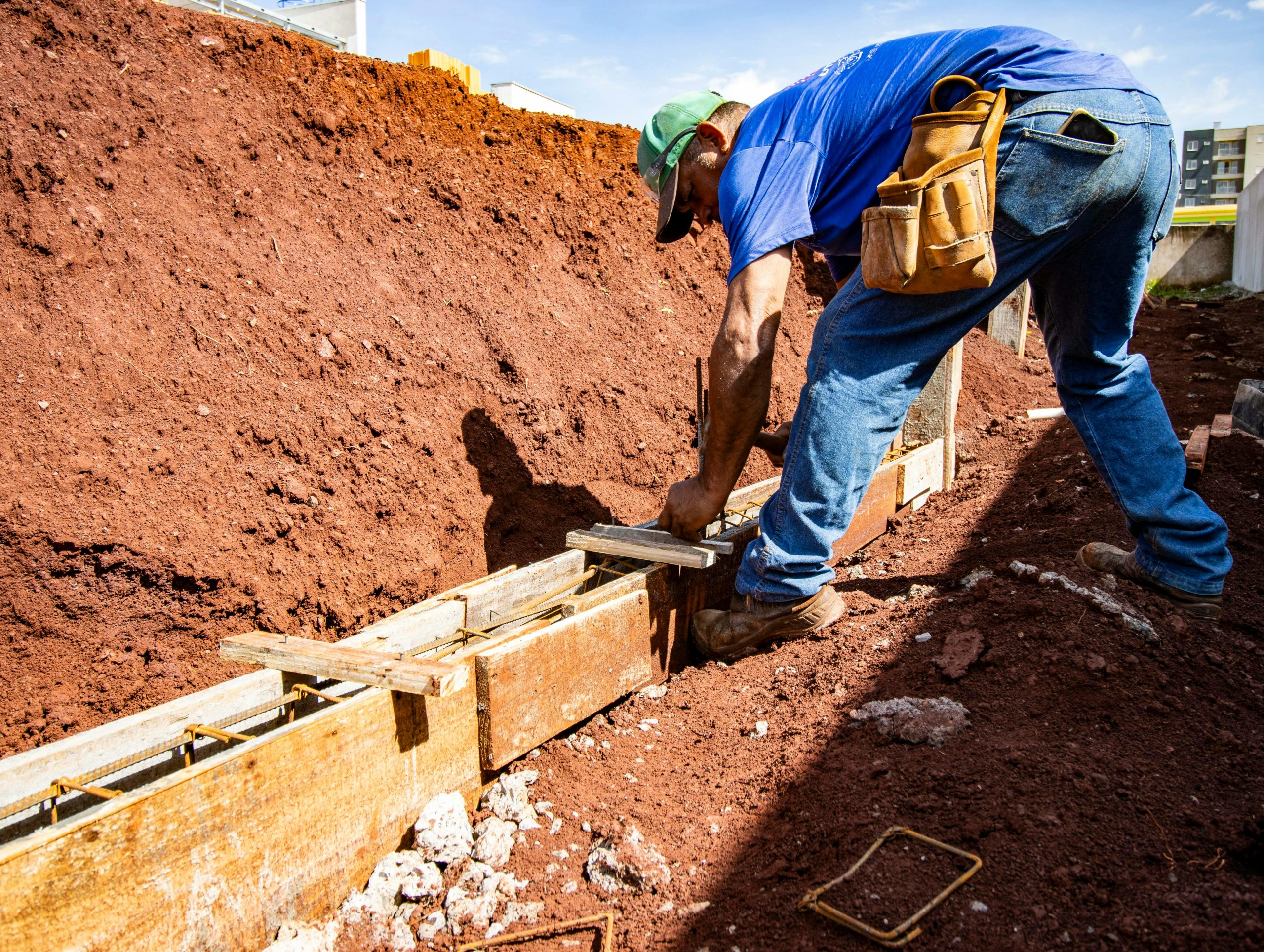
When you think about the cost to build a house foundation, you probably picture truckloads of concrete and a team of workers. While that’s part of it, the true cost is shaped long before the first pour. It’s determined by the dirt under your feet, the slope of your land, and the permits required by the city. Factors like excavation, drainage systems, and soil reinforcement are just as critical to the budget as the concrete itself, yet they are often overlooked in initial planning. This guide provides a complete picture, looking beyond the obvious to explore all the variables that contribute to the final price tag, ensuring you have a comprehensive understanding from the ground up.
Key Takeaways
- Match Your Foundation to Your Budget and Needs: The choice between a slab, crawl space, or full basement is the biggest factor in your total cost. Consider your long-term goals for space and your budget upfront to make the most cost-effective decision for your home.
- Account for Denver’s Unique Ground Conditions: Your property’s soil and slope are just as important as your home’s floor plan. A professional soil test is essential in our area to prevent costly issues caused by expansive clay and ensure your foundation is designed to last.
- Vet Your Contractor to Protect Your Investment: The quality of your foundation depends entirely on the team you hire. Always verify licenses and insurance, check references, and compare detailed quotes to find an experienced local contractor who can handle Denver’s specific building challenges.
What Are the Main Foundation Types?
Before you can frame walls or pick out paint colors, your home needs a solid base. The foundation you choose affects everything from your total project cost to your home’s long-term stability and even your storage options. In the Denver metro area, we see three main types of foundations, each with its own set of benefits and considerations. Understanding the differences is the first step in making a smart decision for your new home or addition. Let’s look at the options.
Slab Foundations
A slab foundation is essentially a single, thick layer of concrete poured directly onto the ground. It’s often the quickest and most budget-friendly option, with costs typically ranging from $5 to $12 per square foot. For many homeowners, the low maintenance and speed of installation are major draws. The main thing to consider is that plumbing and electrical lines are embedded within the concrete, making future repairs more complex. Slabs work best on level lots with stable soil, so a thorough site evaluation is key. As an experienced concrete contractor, we can help you assess if a slab is the right choice for your property.
Crawl Space Foundations
Think of a crawl space as a happy medium between a slab and a full basement. This type of foundation raises your home a few feet off the ground, creating a small, accessible space underneath. This is a huge advantage when you need to access plumbing or wiring for repairs or upgrades. It also provides some protection from ground moisture. While it costs a bit more than a slab—usually between $8 and $18 per square foot—that extra investment gives you flexibility and can be a great spot for some light storage. In Colorado, a crawl space also helps get your home’s structure below the frost line, which is crucial for stability.
Basement Foundations
If you’re looking to maximize your home’s square footage, a basement foundation is the way to go. While it’s the most significant investment upfront—often costing $25 to $35 per square foot or more—it adds an entire level of usable living space to your home. This is a huge value-add, whether you envision a future family room, home gym, or extra bedrooms. Building a basement requires extensive excavation, drainage, and waterproofing, which is why the cost is higher. However, it provides excellent stability, especially in areas with shifting soil, and offers the best protection from Colorado’s weather extremes. A well-built basement is a core part of any quality new home build.
How Much Does a House Foundation Really Cost?
Let’s talk numbers. Building a solid foundation is one of the most critical parts of your home construction project, and its cost is a major piece of your budget puzzle. While there’s no single price tag, understanding the typical ranges and the factors that influence them can help you plan your project with confidence. The final cost depends heavily on the foundation type you choose, the size of your home, and local market conditions right here in the Denver area. Generally, you can expect a new foundation to cost between $8,000 and $25,000, with most homeowners paying around $12,000 for a standard build.
Average Costs by Foundation Type
The type of foundation you build has the biggest impact on your total cost. To give you a clearer picture, let’s use a 2,000-square-foot home as an example. A concrete slab foundation, which is poured directly on the ground, is often the most budget-friendly option, typically costing between $12,000 and $28,000. A crawl space, which elevates the home slightly, requires more materials and labor, pushing the price to between $30,000 and $36,000. A full basement, which involves significant excavation and construction, is the most expensive choice, with costs ranging from $20,000 to $40,000 or more. These figures are a great starting point for building a new foundation and can help you align your project goals with your budget.
Breaking Down the Cost Per Square Foot
Another way to estimate your costs is by looking at the price per square foot. This method helps you scale the numbers to your home’s specific dimensions. On average, a concrete slab costs around $7 per square foot, making it a popular choice for many homeowners. A crawl space is moderately priced at about $13 per square foot. A full basement is the priciest, coming in at an average of $33 per square foot due to the extensive excavation, materials, and labor involved. Digging deeper into material costs, the concrete itself—including rebar for reinforcement and the forms to shape it—can run about $700 to $715 per cubic yard. This foundation cost guide provides a solid baseline for your initial calculations.
How Denver’s Market Affects Pricing
Here in the Denver metro area, we have our own unique market conditions that influence construction pricing. Higher labor rates and cost of living mean that foundation work can sometimes be more expensive than the national average. For context, the average cost to build a house in Denver is around $331,000, and the foundation is a significant part of that. More specifically for our region, installing a 4-inch reinforced concrete slab foundation in Colorado costs approximately $10 to $12 per square foot. This local pricing reflects the specific demands of our soil and climate, ensuring your foundation is built to last. Understanding these local nuances is key to creating an accurate and realistic budget for your project.
What Factors Influence Your Foundation’s Cost?
When you start budgeting for a new foundation, it’s easy to think the price tag is all about size. While square footage is a big piece of the puzzle, it’s far from the only one. Several key factors can cause the cost to swing significantly. A professional quote will always account for the unique conditions of your property, the design of your home, and the local market. Understanding these variables will help you see the full picture and plan your budget more accurately. From the dirt under your feet to the specific type of foundation you choose, let’s break down what really drives the cost.
Your Site’s Soil and Condition
Before any concrete gets poured, we have to look at the ground you’re building on. The soil composition on your property plays a huge role in the complexity and cost of your foundation. In the Denver metro area, we often work with expansive clay soil, but rocky or loose soil conditions also present unique challenges. These types of soil can make excavation more difficult, requiring specialized equipment and more time. A thorough site evaluation is the first step in any project, as it tells us exactly what we need to do to create a stable, lasting base for your home. This initial work is critical for preventing future shifts and cracks.
The Size and Scale of Your Home
This might be the most obvious factor, but it’s worth a closer look. A larger home requires a larger foundation, which naturally means more materials and more labor hours. It’s a simple equation: more concrete, steel rebar, and excavation work will increase the total cost. But it’s not just about the total square footage. The complexity of your home’s footprint also matters. A simple rectangular foundation is more straightforward and cost-effective to build than a complex design with numerous corners, curves, and bump-outs. Each angle and turn adds to the forming work and labor involved, impacting the final price.
Local Labor and Material Rates
Construction costs aren’t the same everywhere, and the Denver metro area has its own unique market dynamics. The price of materials like concrete and steel can fluctuate, and the demand for skilled labor also influences rates. An experienced, owner-led team ensures every detail is handled correctly, and that expertise is part of the overall cost. Because labor can vary so much from one region to another, relying on national cost averages can be misleading. The best way to understand the true cost for your project is to get a detailed quote from a local home builder who understands the current market conditions right here in Denver.
Your Foundation’s Design and Features
The type of foundation you choose is one of the biggest factors in determining the final cost. A simple concrete slab-on-grade foundation is typically the most affordable option. A crawl space foundation, which raises the house off the ground, comes next on the cost ladder. The most expensive option is a full basement, as it requires deep excavation, tall concrete walls, waterproofing, and systems for drainage. Beyond the basic type, any special features will also add to the budget. This includes things like a walk-out basement, deeper footings for specific soil conditions, or extra reinforcement, all of which require more materials and specialized labor.
What Hidden Costs Should You Plan For?
Getting a quote for your foundation is a huge step, but it’s important to know what that number actually includes. The price for the concrete and labor is just one piece of the puzzle. Several other essential services and fees can pop up, and if you haven’t planned for them, they can throw your entire budget off track. Think of these less as “hidden” costs and more as “next-step” costs. A good contractor will walk you through these, but it’s always smart to have them on your radar from the start. Planning for these expenses ahead of time ensures a smoother process without any last-minute financial surprises.
Site Prep and Excavation
Before any concrete can be poured, the land needs to be ready. This is where site preparation and excavation come in. This process involves clearing trees, removing rocks, and grading the land to create a level, stable base for your foundation. If your property is on a slope or has challenging soil, this phase can become more complex and costly. As experts note, “Preparing the land, especially if it’s rocky or sloped, can add thousands of dollars to the total cost.” This is a critical first step, and the condition of your lot will directly influence the final price tag.
Permits and Inspections
You can’t build a foundation without the city’s approval. Securing the right building permits is a non-negotiable step, and the fees can vary depending on the scope of your project and local regulations in the Denver metro area. Your contractor will also need to schedule several inspections throughout the process—from the initial excavation to the final pour—to ensure everything is up to code. These permits and inspections are in place for your safety and to protect your investment, so while they add to the cost, they are absolutely essential for a legally compliant and structurally sound home.
Drainage and Waterproofing
Water is a foundation’s worst enemy. That’s why proper drainage and waterproofing are crucial, especially for basement and crawl space foundations. This might involve installing French drains, sump pumps, or applying a waterproof membrane to the exterior of the foundation walls. In the Denver area, where expansive clay soil is common, managing moisture is key to preventing cracks and long-term structural damage. Skipping this step to save money now can lead to incredibly expensive foundation repairs down the road, so it’s a wise investment from day one.
Utility Hookups
Your foundation plan needs to account for how utilities will enter your home. This means planning for and installing hookups for water, sewer, gas, and electricity. The process often involves digging trenches from the street to your house before the foundation is poured, which requires coordination with local utility companies. These costs are typically separate from the foundation quote itself but are a necessary part of the overall construction budget. Make sure you and your builder have a clear plan for where and how these essential services will be connected.
Basement Finishing
If you’re building a full basement foundation, the initial cost only covers the structural shell—the concrete floor and walls. Turning that raw space into a livable area is a separate project with its own set of costs. As one guide points out, finishing a basement with flooring, insulation, drywall, plumbing, and electrical work can add a significant amount to your budget. If you dream of a finished basement with a home gym or extra bedrooms, be sure to factor that into your long-term financial plan as a distinct home building project.
Breaking Down Material and Labor Costs
When you get a quote for a new foundation, the final number is a blend of two major components: the materials used and the skilled labor required to put it all together. Understanding how these costs are calculated helps you see exactly where your money is going. While it’s easy to focus on the big-ticket items like concrete, other factors like reinforcement, professional fees, and even equipment rentals play a significant role in the total price.
Think of it like baking a cake from a complex recipe. You have the cost of your ingredients (flour, sugar, eggs), but you also have the value of the baker’s time, skill, and the use of their professional-grade oven and mixers. A house foundation is no different. The quality of the materials provides the strength, while the expertise of the crew ensures it’s built to last. At Faros, we believe in being transparent about these costs so you can feel confident in your investment. Our approach to home building starts with a solid, well-planned foundation, and that means accounting for every detail from the ground up.
Concrete and Reinforcement
Concrete is the star of the show when it comes to your foundation, and its cost is a primary driver of your budget. On its own, concrete can run between $110 and $160 per cubic yard. But the concrete itself is only part of the equation. To give your foundation the strength it needs to handle Denver’s expansive soils and changing weather, it must be reinforced with steel bars, commonly known as rebar. This reinforcement network provides the tensile strength that concrete lacks on its own. When you combine the cost of concrete, rebar, the wooden forms that hold the pour, and the labor to install it all, the price is closer to $700 per cubic yard. As your local concrete contractor, we ensure the right mix and reinforcement are used for a foundation that stands the test of time.
Labor and Contractor Fees
You can have the best materials in the world, but they won’t do you any good without a skilled team to put them together correctly. Labor typically accounts for about half of your total foundation cost, with rates often falling between $3 and $7 per square foot. This fee covers the experienced professionals who handle every step of the process—from operating excavation equipment and building precise forms to carefully placing rebar and finishing the concrete pour. The complexity of your foundation design and the specific conditions of your property can influence this rate. A great contractor not only provides the muscle but also the project management needed to keep everything on schedule and up to code, which is why working with an expert, owner-led team is so important.
Equipment and Tool Rentals
Building a foundation requires some serious heavy machinery, and the cost of using this equipment is factored into your project’s budget. This includes everything from excavators needed to dig the footing trenches and basement to concrete mixers, pumps, and compactors. Preparing the land before the pour is another critical step that relies on specialized tools. If your site needs to be cleared of debris, leveled, or graded to ensure proper drainage, the equipment needed for that work will be part of the overall cost. While these expenses are typically bundled into your contractor’s quote, it’s helpful to recognize them as a necessary and vital part of the construction process. You can see the results of this careful work in our past projects across the Denver area.
What Are the Most Common Budgeting Mistakes?
Building a house foundation is a major investment, and creating a realistic budget is one of the most critical steps. But even the most detailed spreadsheet can be thrown off by unexpected issues. Knowing where potential budget overruns hide can help you plan more effectively and avoid stressful surprises down the road. These common mistakes often catch homeowners off guard, turning a carefully planned project into a source of financial strain.
The key is to think beyond the cost of concrete and labor. A foundation’s true cost includes everything it takes to prepare the ground, adapt to the site’s unique challenges, and ensure the final structure is stable and secure for decades to come. From the soil under your feet to the weather overhead, several variables can impact your bottom line. By anticipating these challenges, you can build a more resilient budget with a healthy contingency fund. An experienced home builder will account for these factors, but it’s always wise to understand them yourself so you can ask the right questions and feel confident in your project plan.
Underestimating Site Prep
Before any concrete can be poured, your land needs to be prepared for construction. This initial step, known as site preparation, is often more involved and costly than homeowners expect. It includes clearing vegetation, removing rocks, and grading the land to create a level, stable base. If your property is on a slope or has dense, rocky soil common in the Denver area, the work becomes even more complex. Preparing the land can easily add thousands of dollars to your total cost, so be sure to get a detailed site prep estimate from your contractor instead of relying on a generic allowance.
Skipping a Professional Soil Test
It might seem like an easy place to save a few hundred dollars, but skipping a professional soil test is a gamble that rarely pays off. A geotechnical report tells your builder exactly what they’re working with below the surface. Soil conditions in the Denver metro area can vary dramatically, with expansive clay being a frequent concern. This type of soil can swell and shrink, putting immense pressure on a foundation. Knowing this ahead of time allows your team to design the right foundation and avoid costly excavation problems or future structural damage. Think of it as essential insurance for your home’s entire structure.
Not Planning for Weather Delays
Here in Colorado, the weather is famously unpredictable. A sudden spring snowstorm or a week of summer thunderstorms can bring construction to a halt. While a typical foundation takes about one to two weeks to complete, bad weather can easily extend that timeline. These delays aren’t just inconvenient; they can also cost you money. Extended equipment rentals, crew rescheduling, and potential damage to an exposed site can all add up. A smart budget includes a contingency fund—typically 10-15% of the total cost—to cover unforeseen delays without causing financial stress.
Choosing the Wrong Foundation for Your Land
Not all foundations are created equal, and what works for one property might be completely wrong for another. Choosing the wrong foundation for your specific soil conditions and climate can lead to massive issues, from chronic water problems to severe structural failure. This is where a professional soil test and an experienced local contractor are invaluable. An expert can analyze your site’s needs and recommend the most effective and cost-efficient foundation type, whether it’s a slab-on-grade, crawl space, or full basement. This decision impacts your home’s stability and your budget, so it’s crucial to get it right from the start.
How to Save on Your Foundation (Without Cutting Corners)
Your home’s foundation is the last place you want to cut corners, but that doesn’t mean you have to overspend. With some smart planning and strategic decisions, you can manage your foundation costs effectively without compromising on the structural integrity of your new home or addition. The key is to focus on making informed choices from the very beginning, from the type of foundation you choose to the time of year you break ground.
Saving money here isn’t about finding the cheapest materials or the fastest crew; it’s about efficiency and foresight. By thinking through your project’s logistics, you can avoid costly delays, rework, and surprises down the road. A well-planned foundation project sets the stage for a smoother, more budget-friendly build. Working with an experienced home builder who understands the local landscape can help you find savings you might not have considered.
Get Multiple Detailed Quotes
When you’re planning a project as significant as a foundation, getting a single quote just isn’t enough. It’s wise to ask several contractors for detailed price estimates. This allows you to get a feel for the market rate and ensures you’re getting a fair deal for work that meets your needs and local building codes.
A good quote is more than just a final number. It should break down the costs for labor, materials, permits, and any other anticipated expenses. This level of detail helps you compare offers accurately and understand exactly what you’re paying for. When you’re ready to see what a transparent, comprehensive quote looks like, we’re here to help you plan your project.
Time Your Project Strategically
In the Denver area, weather can be a major factor in any construction project. Planning your foundation work for the right season can lead to real savings. Building when the weather is dry and mild can speed things up considerably, which translates to lower labor costs. Pouring concrete in the middle of winter or during a wet spring can lead to expensive delays and potential issues with the concrete curing process.
By scheduling your excavation and concrete pour for late spring, summer, or early fall, you can often avoid the setbacks that come with snow, frozen ground, or excessive rain. A smoother, faster process means your crew can work more efficiently, keeping your project on schedule and on budget.
Choose the Right Foundation for Your Budget
The type of foundation you build has the single biggest impact on your total cost. As a general rule, slab-on-grade foundations are the most affordable option, while foundations with a full basement are the most expensive. A crawl space typically falls somewhere in between. While a slab foundation is usually cheaper, a basement can add valuable square footage and increase your home’s long-term value.
Think about your family’s needs and your overall budget. If you don’t need the extra storage or living space, a slab foundation might be the most cost-effective choice for your new home. However, if you plan to finish a basement later, factoring it in from the start is much cheaper than trying to add one down the road.
Bundle Services and Choose Materials Wisely
If your new foundation is part of a larger project, look for opportunities to bundle services. For example, if you’re building an addition and also plan to add a new patio or walkway, it’s much more efficient to do all the digging at once. Preparing the land can be a major expense, especially on sloped or rocky lots, so combining excavation work for your foundation and hardscaping can save you thousands.
You can also discuss material options with your contractor. While you should never compromise on the quality of your concrete or rebar, there may be different reinforcement techniques or concrete mixes suitable for your project. An experienced contractor can guide you toward the most durable and cost-effective materials for Denver’s specific soil conditions.
What to Know About Building a Foundation in Denver
Building a home in the Denver metro area comes with its own unique set of challenges and opportunities. The local landscape, from the soil under your feet to the weather patterns overhead, plays a huge role in how a foundation should be designed and built. A foundation that works perfectly in another part of the country might not stand a chance here. Understanding these local factors is the first step to ensuring your home is built on a solid, lasting base. When you’re planning a new build or a major addition, it’s essential to work with a team that has deep experience with the specific conditions of our region.
Working with Expansive Clay Soil
One of the biggest challenges for construction in the Denver area is our infamous expansive clay soil. This type of soil acts like a sponge—it swells dramatically when it absorbs water and shrinks just as much when it dries out. This constant movement puts incredible pressure on a home’s foundation, leading to cracks, uneven settling, and significant structural damage over time. Before any concrete is poured, a professional soil test is a must. This tells your builder exactly what they’re working with so they can design a foundation that can handle the pressure. This might involve different reinforcement techniques or specific foundation types, which is why a concrete contractor with local expertise is so important.
Planning for Colorado’s Weather
Colorado’s weather is anything but predictable, and your foundation needs to be ready for all of it. We see everything from intense summer heat to deep winter freezes, and these temperature swings can be tough on building materials. The freeze-thaw cycle is particularly harsh; moisture seeps into tiny pores in the concrete, freezes, expands, and widens any cracks. To counter this, proper drainage and waterproofing are absolutely critical. Investing in a good system to direct water away from your foundation will protect your home from moisture damage caused by heavy snowmelt and summer storms. Taking these steps upfront can save you from costly repairs down the road, which are often higher than average in Denver due to local labor costs.
Meeting Local Building Codes
Working with local building codes is a crucial part of any construction project. The city and surrounding counties have specific regulations that dictate everything from how deep your foundation must be to what kind of materials are required. These rules aren’t just red tape; they exist to ensure your home is safe, stable, and built to last. An experienced home builder will be completely familiar with Denver’s codes and the permitting process, ensuring your project moves forward without any costly delays or compliance issues. They can help you create a realistic budget that accounts for all local requirements, making sure your foundation is built right from the very beginning.
How to Choose the Right Foundation Contractor
The cost of your foundation is a significant number, but the contractor you choose to build it is even more important. This isn’t the place to cut corners. Your home’s foundation is its literal bedrock—everything else is built upon it. A small mistake here can ripple through the entire structure, leading to cracked walls, uneven floors, and persistent water issues for years to come. That’s why choosing your foundation contractor is one of the most critical decisions you’ll make in the entire home-building process.
A great foundation contractor is more than just a builder; they are a crucial partner in your home’s long-term stability and safety. They bring expertise about Denver’s specific challenges, like working with our notorious expansive clay soils, and ensure your project meets all local building codes. This partnership should be built on clear communication, transparency about costs and timelines, and a shared commitment to quality craftsmanship. The right team won’t just pour concrete; they’ll help you understand the process, answer your questions, and stand behind their work. Taking the time to properly vet your options isn’t just about due diligence—it’s about giving yourself peace of mind and protecting your investment for decades. Here’s how to find a team you can trust for your Denver home.
Check for Licenses and Insurance
First things first: any contractor you consider must be properly licensed and insured. This is non-negotiable. A license proves they’ve met local and state requirements, ensuring they have the knowledge to build a foundation that meets Denver’s specific building codes. Insurance, including liability and worker’s compensation, protects you from being held responsible for accidents or property damage during the project. Always ask for proof of both and verify them. Hiring an experienced, licensed professional is the first step to making sure your foundation work is done correctly and safely from the start.
Read Reviews and Ask for References
Once you’ve confirmed the essentials, it’s time to dig into their reputation. What are past clients saying? Look for detailed reviews on multiple platforms that speak to the contractor’s communication, timeliness, and the quality of their finished work. Don’t stop there—ask the contractor for a list of references you can speak with directly. A confident contractor with a history of happy clients will be glad to connect you. Investing time in selecting the right team is critical to ensuring your home gets the reliable foundation it needs. Seeing a portfolio of past projects can also give you a clear idea of their craftsmanship.
Compare Your Quotes in Detail
It’s smart to get at least three detailed quotes from different local contractors. When they come in, resist the urge to just look at the bottom-line number. A professional quote should be a transparent, itemized document that breaks down the costs for labor, materials, permits, and other expenses. Compare them line by line to see what’s included—and what isn’t. One contractor might include excavation and soil removal, while another lists it as a separate charge. A suspiciously low bid could be a red flag for subpar materials or an incomplete scope of work. The goal is to find the best value, not just the lowest price.
Related Articles
Frequently Asked Questions
How do I know which foundation type is right for my home? The best choice depends on your budget, your property, and how you plan to use your space. A slab foundation is the most budget-friendly and works well on level lots. If you want easier access to your plumbing and wiring, a crawl space is a great middle-ground option. For those looking to add a whole new level of living space for a future family room or gym, a full basement is the way to go, though it is the largest initial investment.
Why does building a foundation in Denver seem more complicated than in other places? You’re right, building here has its unique challenges, primarily due to our expansive clay soil. This type of soil swells and shrinks with moisture, which can put a lot of stress on a foundation. We also have dramatic weather shifts, from deep freezes to intense heat, that can affect the concrete. A properly designed foundation in the Denver area accounts for these factors with specific reinforcement and drainage to ensure your home remains stable for the long haul.
My foundation quote is higher than I expected. What costs are included besides just the concrete? A comprehensive quote covers much more than just materials. A significant portion of the cost goes toward skilled labor and essential site preparation, which includes clearing and leveling the land. Other necessary costs include securing building permits, paying for city inspections, and installing proper drainage and waterproofing systems. These steps are crucial for a safe, legally compliant, and durable foundation.
Is it really that important to get a professional soil test before we start? Absolutely. Think of a soil test as an insurance policy for your entire home. It tells us exactly what kind of ground we’re building on, which is especially important with the tricky expansive clay soils we have in the Denver area. Knowing the soil composition from the start allows your builder to design the right kind of foundation to prevent major issues like cracking and settling down the road. Skipping this step is a risk that just isn’t worth taking.
Besides choosing a cheaper foundation type, are there other ways to save money? Yes, you can be strategic without compromising on quality. Getting multiple detailed quotes is a great first step to ensure you’re getting a fair price. You can also save on labor costs by scheduling your project during the drier months to avoid weather delays. Finally, if you’re planning other outdoor projects like a patio, bundling all the excavation work together can lead to significant savings.