
When you buy an existing house, you’re often buying a series of compromises—the kitchen layout isn’t quite right, the closet space is lacking, or the living room doesn’t get enough light. The greatest advantage of a custom build is control. You get to make the decisions, big and small, that result in a home designed specifically for you and your family. But to wield that control effectively, you need a deep understanding of the journey. This guide provides a complete overview of the custom home building process, explaining each phase in detail. From securing financing and designing floor plans to navigating inspections and the final punch list, we’ll give you the insights needed to make smart choices every step of the way.
Key Takeaways
- Solid Prep Work is Non-Negotiable: Before you get attached to a design, establish a realistic budget with a contingency fund, secure a construction loan, and assemble a professional team you trust. This foundational work prevents the most common sources of stress down the road.
- Communication is Your Most Important Tool: A custom build is a partnership, and clear dialogue with your builder is essential. Consistent communication helps you manage the budget, understand how design changes affect the timeline, and ensure your vision is being executed correctly.
- Know the Construction Sequence: Every custom home follows a logical path from site prep and permits to framing, inspections, and final finishes. Understanding these key stages helps you set realistic expectations and feel confident and informed throughout the entire process.
What Does It Mean to Build a Custom Home?
Building a custom home means you get to create a living space from the ground up that is uniquely yours. Instead of adapting your life to fit a pre-existing house, you design a home that perfectly fits your family’s needs, style, and future plans. You’re in the driver’s seat, making decisions on everything from the overall layout and room flow to the specific materials and finishes. Think of it as the difference between buying a suit off the rack and having one tailored just for you. As your home builder, our job is to take your vision and turn it into a tangible, beautifully crafted reality. It’s a collaborative process where your ideas guide the blueprints, ensuring the final result is a true reflection of you.
Why Choose a Custom Build?
The biggest reason to choose a custom build is control. You aren’t limited by a previous owner’s choices or a developer’s standard options. Every detail, from the placement of windows to the type of flooring, is selected by you to match your lifestyle. This process allows you to invest in quality where it matters most to you and create a space that will serve your family for years to come. While a custom build is a significant undertaking that can take a year or more, the reward is a home that doesn’t just meet your needs—it anticipates them. You can see examples of how vision translates into reality in our past projects and reviews.
Custom vs. Spec Homes: What’s the Difference?
It helps to understand where custom homes fit in the market. A “spec” or “tract” home is one a developer builds based on a limited set of floor plans they own, often within a larger subdivision. You pick a lot, a model, and choose from a pre-set menu of finishes. It’s a more streamlined process, but with far less flexibility. A custom home, on the other hand, is a one-of-a-kind project. You often need to purchase your own land, and the design is created from scratch with an architect and your builder. This approach gives you complete creative freedom and ensures your home is truly unique. Our owner-led team specializes in this detailed process, guiding you every step of the way.
How to Prepare for Your Custom Home Build
Building a custom home is an exciting venture, but the success of your project hinges on the prep work you do before breaking ground. A little planning goes a long way in ensuring the process is smooth, stays on budget, and results in the home you’ve always wanted. By focusing on your finances and finding the right partners from the start, you set a strong foundation for the entire build. These first steps are arguably the most important ones you’ll take. They involve getting a firm handle on your budget, securing the right kind of financing, and choosing a team you can trust to bring your vision to life. It’s easy to get caught up in the excitement of design, but taking the time to sort out these practical details first will save you headaches down the road and make the entire experience more enjoyable. Getting these foundational pieces right allows you to move into the design and construction phases with confidence, knowing you’re prepared for the journey ahead.
Set Your Budget and Plan for Contingencies
Before you start dreaming about floor plans and finishes, you need to get clear on your numbers. Deciding how much you want to spend early on is essential, as this figure will guide every decision you make. One of the most common mistakes homeowners make is underestimating the total cost of a custom build. A realistic budget should account for everything from the land and permits to construction and landscaping. It’s also smart to build a contingency fund—typically 10% to 20% of your total budget—to cover unexpected costs or last-minute upgrades. This financial cushion gives you peace of mind and flexibility as your home building project progresses.
Secure the Right Financing
Financing a custom home build works a bit differently than getting a mortgage for an existing house. Most people use a construction loan, which is a short-term loan that covers the costs of building. A popular option is a construction-to-permanent loan, which funds the build and then converts into a traditional mortgage once the home is complete. Before you get too far into the planning process, you should talk to a bank or financial advisor to get pre-approved. This step confirms that your budget is achievable and shows builders that you’re a serious client. Getting your financing in order early removes a major hurdle and lets you focus on the more creative aspects of your build.
Assemble Your Professional Team
You can’t build your dream home alone. You need a trusted team of professionals to bring your vision to life. Many homeowners in the Denver metro area choose to work with a design-build firm, which brings architects, designers, and builders together under one roof. This integrated approach streamlines communication and ensures everyone is on the same page from day one. When you meet with potential builders, it’s important to discuss your desires, limitations, and what’s feasible from the very beginning. Finding a team you connect with and trust is key. At Faros, our owner-led team is committed to clear communication and collaboration, making sure your project is a true partnership.
How to Choose the Perfect Piece of Land
Finding the right piece of land is the first real step in bringing your custom home to life. It’s about more than just the location or the view; it’s about finding a spot where your dream home can realistically and affordably be built. The characteristics of the land you choose will influence everything from your home’s design to the final construction cost. A sloped lot might be perfect for a walk-out basement, while a flat, open parcel offers a blank canvas for expansive gardens and outdoor living areas.
Before you fall in love with a property, it’s crucial to do your homework. Think of it as interviewing the land for its potential. You’ll need to consider zoning laws, site preparation needs, and access to essential utilities. Overlooking these details can lead to unexpected costs and delays down the road. Working with an experienced home builder from the start can help you evaluate a property’s potential and identify any red flags before you commit. A professional can provide insights that you might not see on your own, ensuring the land you choose is the perfect foundation for your future home.
Understand Local Zoning Laws and Regulations
Before you can build, you need to make sure the land is zoned for residential use. Not all land can be built on, so it’s important to look into the local rules that will dictate what’s possible. In the Denver metro area, you’ll need to research regulations from the city or county, as well as any rules from homeowner associations (HOAs). Pay close attention to things like setbacks, which determine how far your house must be from property lines, and any environmental restrictions. You should also check for easements, which are shared access paths that could affect where you can build on your property. A quick check of the local Denver zoning code can save you a lot of headaches later.
Evaluate the Site and Potential Prep Costs
Every piece of land is unique, and most require some preparation before construction can begin. Start by assessing the topography—is the land sloped or flat? A steep grade might require extensive excavation and retaining walls, adding to your budget. Also, consider what’s already on the property. If there’s an old building on the land, tearing it down takes time and money, and it might change where you can build your new home. Clearing trees, grading the soil, and ensuring proper drainage are all critical steps. These site prep tasks are a key part of the foundation for not just your house but also any future hardscape and landscape projects you have in mind.
Check for Utilities and Infrastructure
One of the biggest potential costs is connecting your home to essential services. You’ll want to see if the land already has access to public water, sewer or septic systems, and electricity. If not, the cost of adding them can be significant. Running utility lines to a remote property can add tens of thousands of dollars to your budget. Don’t forget about modern necessities like natural gas lines and high-speed internet access. Confirming that these services are readily available is a critical due diligence step. If the property requires a well or a septic system, you’ll also need to factor in the costs for soil percolation tests, permits, and installation.
What to Expect During the Design and Planning Phase
This is where your dream home starts taking shape on paper. The design and planning phase is an exciting, collaborative process that turns your vision into a detailed blueprint. It’s all about making thoughtful decisions upfront to ensure the construction process goes as smoothly as possible. Think of it as creating the master recipe for your home before we even break ground.
This stage involves working closely with your team to define every detail, from the layout of your rooms to the style of your kitchen faucet. Clear communication and careful planning here will save you time, money, and potential headaches down the road. Let’s walk through the key steps.
Collaborate with Architects and Designers
Your relationship with your design team is a partnership. The best way to start is by sharing all your ideas, preferences, and expectations. Don’t be shy—bring photos, sketches, and anything else that helps convey your vision. The more you share, the better your team can understand what you want. At Faros, our owner-led team works directly with you to translate your concepts into a functional design.
Regular communication is essential to keep everyone on the same page. Consistent meetings and open dialogue help prevent misunderstandings about timelines, materials, and design choices. This collaborative spirit ensures the final design truly reflects your lifestyle and personality.
Create Your Floor Plans and Specifications
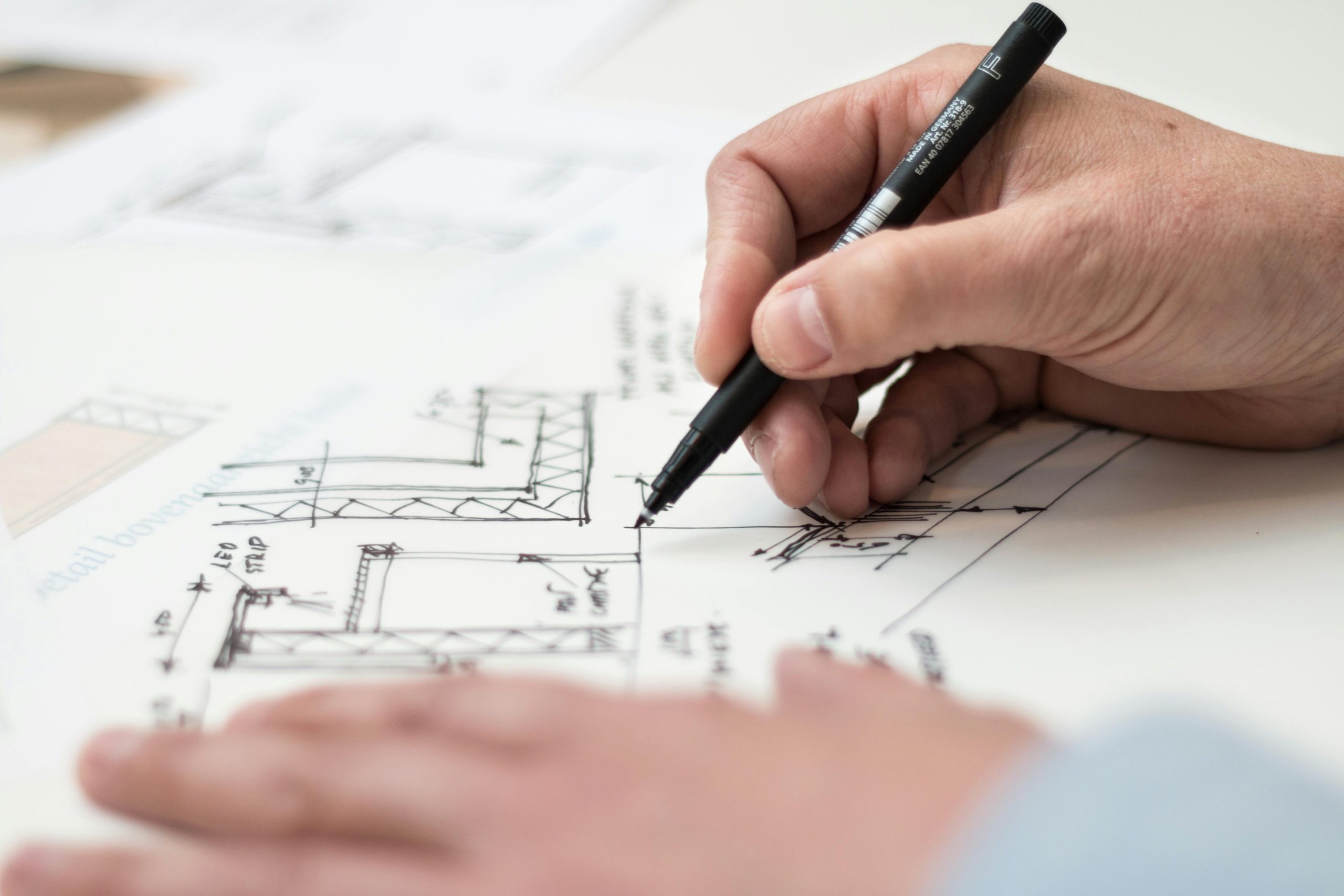
Once your vision is clear, your design team will create a comprehensive set of plans. These detailed drawings are the official instructions for your custom home build, outlining everything from room dimensions and window placements to electrical layouts. A thorough set of plans is one of the most valuable assets in the building process.
This is the time to think critically about how you live. Do you need an open-concept kitchen for entertaining? A quiet home office? More storage in the garage? Defining your needs and priorities before the plans are finalized ensures the layout works perfectly for you and your family, creating a home that’s both beautiful and practical.
Select Materials, Finishes, and Custom Features
Now for the fun part: choosing the elements that will bring your home to life. During the design phase, you’ll select materials, finishes, and features for every room. This includes everything from flooring and paint colors to countertops, cabinets, and lighting fixtures. These choices define your home’s character and style.
Making these decisions early helps establish a clear budget and allows us to order materials in advance, preventing delays during construction. You can browse our past projects to see how different materials and finishes come together. Finalizing these details now helps the building phase move forward efficiently, turning your detailed plan into a stunning reality.
What Are the Key Construction Stages?
Watching your custom home come to life is an incredible experience. While every project has its unique details, the construction process follows a logical sequence of stages. Understanding these steps helps you know what to expect, ask the right questions, and appreciate the craftsmanship that goes into every phase. It transforms the process from a series of confusing activities into a clear, step-by-step journey toward your dream home. From the first day of excavation to the final coat of paint, each stage builds upon the last to create a home that’s built to last right here in the Denver metro area. Knowing what’s happening on-site and what’s coming next allows for smoother communication with your build team and gives you peace of mind. A great home builder will guide you through this journey, but having your own knowledge of the roadmap is empowering. It helps you visualize progress, understand timelines, and see how each decision you made during the design phase translates into reality. Let’s walk through the key phases of construction so you can feel confident and informed from start to finish.
Site Preparation and Foundation
This is where your vision starts to become a physical reality. The first step is preparing the land, which involves clearing the site of any debris, trees, or old structures. Your build team will then grade the lot to ensure proper drainage, a critical step for protecting your home from water issues down the road. Once the site is ready, the team will excavate and pour the foundation. As expert concrete contractors, we know this is the most important stage for your home’s long-term stability. A solid, well-built foundation provides the secure base needed for the entire structure.
Framing and Structural Work
After the foundation cures, it’s time for framing. This is often the most exciting phase for homeowners because you can finally see the outline of your home take shape. The crew will build the home’s skeleton, including the floor systems, walls, and roof structure. This framework defines the layout, room sizes, and overall shape of your house. Quality framing is essential for ensuring the home is structurally sound and can handle everything from heavy Denver snowfalls to strong winds. It’s the backbone of your home, and every piece must be perfectly placed to support the finished structure.
Mechanical, Electrical, and Plumbing Installation
With the frame in place, the focus shifts to what’s behind the walls. This stage involves installing all the essential systems that make a house functional and comfortable. Plumbers will run pipes for water and sewer, electricians will wire the home for outlets, switches, and fixtures, and the HVAC team will install the heating and cooling systems and ductwork. This work is often called the “rough-in” phase. It’s a complex process that requires careful coordination to ensure all systems work together seamlessly before the drywall is installed.
Interior and Exterior Finishing
This is the stage where your house truly starts to feel like a home. On the inside, insulation is added, drywall is hung and finished, and the painting begins. Following that, your team will install flooring, cabinets, countertops, and trim. On the outside, the crew installs siding, roofing, windows, and doors. This is also when features that define your home’s character, like custom decks, pergolas, and porches, are built. Finally, light fixtures, plumbing fixtures, and appliances are installed, completing the transformation and getting your home ready for the final walkthrough.
How Long Does a Custom Home Build Take?
Building a custom home is an exciting journey, but it’s definitely a marathon, not a sprint. While every project has its own unique timeline, you can generally expect the entire process to take anywhere from one to three years from start to finish. This timeline covers everything from finding the perfect piece of land to the final walkthrough. Understanding the different phases and potential hurdles can help you set realistic expectations and feel more prepared for the road ahead. A great home builder will guide you through each step, but knowing the general flow is a great first step. It helps you ask the right questions and stay involved in a way that feels productive, not overwhelming. Let’s break down what a typical schedule looks like, what might cause delays, and how Denver’s distinct seasons play a role.
A Look at a Typical Construction Timeline
The custom home building process is divided into several key stages, each with its own timeframe. First, you’ll need to find and prepare your land, which can take one to two months. The initial planning phase, where you’ll sort out building regulations and site details, typically lasts another one to three months. Next comes the design phase, where you work with an architect to create your blueprints—this usually takes two to four months.
Once the plans are set, the actual construction begins. Pouring the foundation and completing the framing can take two to four months. From there, the exterior and interior work, including roofing, siding, and systems installation, will require another four to six months. The final stretch involves adding the finishing touches like paint, flooring, and fixtures, which usually takes one to two months.
What Are the Most Common Delays?
Even with the best planning, delays can happen. Some of the most common hold-ups are outside of anyone’s control, like shortages of specific building materials or skilled labor. Weather is another major factor that can pause progress unexpectedly. One of the biggest sources of delays, however, comes from making changes after construction has already started. While it might seem like a small adjustment, altering the plan can create a ripple effect, requiring new materials, revised plans, and shuffling the schedule for subcontractors. Keeping open and clear communication with your builder is the best way to manage these potential setbacks and understand their impact on your timeline and budget.
Plan for Denver’s Seasons
Here in the Denver metro area, we get to enjoy four distinct seasons, but that weather can have a real impact on a construction schedule. A heavy spring rain or a summer hailstorm can halt exterior work, while a sudden snowstorm in the fall or winter can delay foundation pouring and framing. An experienced local builder understands these regional challenges and will factor them into the project timeline from the very beginning. They know which tasks are best suited for certain times of the year and how to protect the site from the elements. By planning around Denver’s climate, you can minimize weather-related delays and keep your home building project moving forward as smoothly as possible.
How to Handle Common Challenges
Building a custom home is an exciting journey, but like any major project, it can have its challenges. Knowing what to expect and how to handle potential bumps in the road will make the entire experience smoother and more enjoyable. With a solid plan and a great team, you can confidently face these common hurdles and keep your project on track.
Manage Your Budget and Prevent Overspending
One of the biggest worries for homeowners is going over budget. The best way to prevent this is to create a detailed budget from the start and include a contingency fund—typically 10% to 20% of the total cost—for unexpected expenses. Most budget issues arise from “scope creep,” which happens when small changes and additions start to pile up. While it’s your home and you should get what you want, it’s important to understand how each change affects the bottom line. Before you approve any modifications, have a clear conversation with your home builder about the exact costs involved. This simple step helps you make informed decisions and keeps your finances in check.
Keep Communication Clear with Your Team
Clear and consistent communication is the foundation of a successful build. Think of your relationship with your builder as a partnership. Establish a regular schedule for updates, whether it’s a weekly phone call, an email summary, or a quick on-site meeting. Don’t hesitate to ask questions or voice concerns as they come up; a transparent process ensures there are no surprises. An experienced, owner-led team will be proactive, keeping you informed about progress, milestones, and any decisions needed from you. Open dialogue ensures everyone is on the same page, from the initial design to the final walkthrough, making the project feel collaborative and stress-free.
Understand How Design Changes Affect Your Timeline
It’s one thing to see a design on paper and another to see it take shape in real life. It’s natural to want to make adjustments along the way, but it’s crucial to understand how even minor changes can create a domino effect. For example, moving an interior wall after framing is complete could impact your electrical, plumbing, and HVAC plans, leading to delays and added costs. To minimize disruptions, try to finalize as many of your design choices as possible before construction begins. If you decide a change is necessary, discuss the full impact on both the schedule and budget with your builder so you can weigh the pros and cons.
Debunking Common Myths About the Process
Many people believe that building a custom home is impossibly expensive and endlessly complicated, but that’s not always the case. While a custom home is a significant investment, it doesn’t have to be out of reach. A skilled builder can work with you to design a home that fits your budget by making smart material and design choices. Another myth is that the process is always chaotic. With the right team, a custom build is a highly organized and structured process. Looking at a builder’s past projects and reviews can give you confidence that they can deliver a smooth, well-managed experience from start to finish.
How Do Permits and Inspections Work?
The world of permits and inspections can seem like a maze of paperwork and regulations, but it’s a crucial part of the custom home building process. Think of it as a system of checks and balances that ensures your new home is safe, structurally sound, and built to last. Every step, from the foundation pour to the final electrical wiring, is governed by local building codes designed to protect you and your investment.
While it might sound intimidating, this isn’t something you have to figure out on your own. A key role of your general contractor is to manage the entire permitting and inspection process. An experienced home builder in the Denver metro area will have a deep understanding of local requirements and established relationships with building departments. They handle the submissions, schedule the inspections, and make sure every aspect of your home meets or exceeds the required standards. Your job is to understand the flow of the process so you can feel confident as your home takes shape.
Get the Right Permits and Approvals
Before any ground is broken, your project needs a green light from local authorities. Building a custom home requires working through a series of regulations, which means obtaining the right permits and approvals is a critical first step. This process involves submitting detailed architectural and site plans to the local building department for review. They check to make sure the design complies with zoning laws, building codes, and safety standards.
Choosing a builder who has successfully managed this process time and time again is essential. In addition to city or county permits, you may also need approval from a Homeowners Association (HOA), which has its own set of rules for new construction. An expert team knows how to prepare and submit all the necessary documentation correctly, preventing delays from the very start.
Know the Inspection Schedule and Requirements
Inspections don’t just happen once at the end of the project. Instead, they occur at several key milestones throughout the build. A city inspector will visit your site to approve specific stages of the work before your team can move on to the next phase. This ensures that every part of the home, even the parts that will eventually be hidden behind walls, is built correctly.
Common inspection points include the foundation, framing, plumbing, electrical systems, and insulation. Understanding this schedule helps you see why certain tasks happen in a specific order and why it’s important to get them right the first time. Your builder will coordinate these inspections, meet the inspector on-site, and address any issues that arise, keeping your project on track and compliant with all local building codes.
Work Effectively with Local Building Departments
A smooth building process often comes down to good communication, especially with local building departments. An experienced contractor knows the specific codes and expectations in the Denver metro area and can communicate effectively with inspectors. This professional relationship is built on trust and a history of quality work, which can be invaluable for resolving questions or clarifying unique aspects of your custom design.
This proactive approach helps mitigate potential issues before they become problems. By discussing the project’s details and goals with officials from the start, your builder can ensure a clear and collaborative path forward. This expertise is a core part of the service we provide, ensuring every detail is executed correctly from planning to completion. If you have questions about this process, feel free to contact our team.
What Happens When Construction Is Complete?
Seeing your custom home standing complete for the first time is an incredible feeling. After months of planning, decisions, and watching it all come together, the finish line is finally in sight. But the project isn’t quite over when the last nail is hammered. A few crucial steps remain to ensure your new house is truly the home you dreamed of and that it’s ready for you to enjoy for years to come.
This final phase is all about quality control, official approvals, and planning for the future. It’s your opportunity to confirm every detail meets your standards, get the green light to move in, and understand how your investment is protected long-term. A dedicated home builder will guide you through this handoff process, making sure the transition from construction site to home sweet home is smooth and satisfying. These last steps are just as important as the first, setting you up for a seamless move-in and a future of happy memories.
The Final Walkthrough and Punch List
Before you get the keys, you’ll do a final walkthrough of the home with your builder. This isn’t just a casual tour; it’s a detailed inspection where you can point out any final items that need attention. Together, you’ll create what’s known in the industry as a “punch list”—a simple list of minor fixes or adjustments. This could include anything from a small paint touch-up to tightening a loose fixture.
Don’t be shy during this process. Open every door, test every switch, and look closely at the finishes. A professional builder expects this and wants you to be completely satisfied with the quality craftsmanship. This is your chance to ensure every detail is perfect before you officially call the house your own.
Get Your Certificate of Occupancy and Move In
Once the final inspections are passed and your home is deemed safe and up to code by the local building department, you’ll be issued a Certificate of Occupancy (CO). This document is the official green light that your home is ready for habitation. You cannot legally move in without it, so receiving it is a major milestone.
With the CO in hand and the punch list items completed, it’s time for the moment you’ve been waiting for: getting the keys! This is when all your planning, patience, and vision pay off. You can finally start moving your belongings in and turning your newly built house into a home. It’s a truly exciting step that marks the official end of the construction journey and the beginning of your new life in the space.
Understand Your Warranty and Ongoing Maintenance
Your relationship with your builder doesn’t end the day you move in. A reputable contractor will stand behind their work with a builder’s warranty. Before you settle in, make sure you receive and review all the warranty documents. These will explain what is covered—from structural components to workmanship—and for how long. Understanding your warranty gives you peace of mind that your investment is protected.
Your builder should also provide you with a packet of information on how to care for your new home, including maintenance schedules for things like your HVAC system, appliances, and exterior finishes. Just like any major investment, your home requires ongoing care to keep it in excellent condition. Following these guidelines will help preserve the quality and value of your home for decades to come.
Related Articles
Frequently Asked Questions
How much should I expect a custom home to cost in the Denver area? This is the big question, and the honest answer is that it varies widely because every single detail is up to you. The final cost depends on the size of the home, the complexity of the design, the specific lot you build on, and the level of finishes you choose. Think of it like this: the price is a direct reflection of your personal selections. Our first step together is to have a frank conversation about your budget so we can help you design a home that aligns with your vision and your financial goals from the very beginning.
Can I use my own architect, or do I have to work with your team? You absolutely can bring your own architect and plans to the table. We are happy to collaborate with design professionals you already know and trust. We also offer a design-build service where the architect and builder are part of the same team. Many clients find this approach simplifies communication and helps ensure the design stays on budget throughout the creative process, but we are flexible and ready to build a team that works best for you.
What is my role during the actual construction? How often should I be on-site? During construction, your main role is to be our partner in communication. While we manage the daily operations, scheduling, and subcontractors, we will need your input on decisions and selections along the way. We will establish a regular check-in schedule that works for you. You are always welcome to visit the site to see the progress, and we’ll schedule key walkthroughs with you at important milestones. Your timely feedback is what keeps the project moving forward smoothly.
You mentioned a contingency fund. What are some real-world examples of what that might cover? Your contingency fund is a financial cushion for the unexpected. For instance, during excavation, we might discover challenging soil conditions that require extra engineering for the foundation. It could also be used for choices you make during the build, like deciding to upgrade your countertops after seeing a sample you absolutely love, or adding a built-in bookcase that wasn’t in the original plan. It gives you the freedom to handle surprises and opportunities without stress.
How long after the final walkthrough can I actually move in? The timeline between the final walkthrough and moving in is usually quite short. After our walkthrough, we’ll work to complete the “punch list” of any minor adjustments, which typically takes a week or two. The final step is receiving the Certificate of Occupancy from the local building department, which confirms the home is safe and built to code. As soon as that certificate is issued, we can hand you the keys and you can officially start moving in.