
Your home should be the one place you can always count on for comfort and well-being. But did you know that the way your home is constructed can directly affect your family’s health? From the air you breathe to the consistency of your indoor temperature, building choices matter. This is where the philosophy of green home builders makes a profound difference. They prioritize creating healthy living environments by using low-toxic materials, ensuring excellent ventilation for fresh air, and maximizing natural light. It’s a thoughtful approach that results in a home that not only feels good to be in but also actively supports your family’s wellness. This article will explore the key features that make a green home a healthier home and what to ask a builder to ensure your new space is a true sanctuary.
Key Takeaways
- A Green Home Benefits Your Wallet and Your Wellbeing: Building sustainably is a smart investment that pays off over time through lower utility bills and can increase your home’s resale value. It also creates a healthier indoor environment with better air quality for your family.
- True Sustainability is a Whole-Home System: A green home is more than just solar panels; it’s a cohesive design. Key elements include a tightly sealed building envelope, high-performance insulation, water-saving fixtures, and durable, earth-friendly materials that work together for maximum efficiency.
- Vet Your Builder’s Green Credentials: Your project’s success depends on finding an expert partner. Look for a builder with a proven portfolio of green homes, a solid grasp of certifications, and the ability to clearly explain their sustainable building process from start to finish.
What Is a Green Home Builder?
So, what exactly is a green home builder? Think of them as a specialized contractor who focuses on creating homes that are not only beautiful and functional but also environmentally responsible. It’s about more than just installing a few energy-efficient windows. A true green builder takes a holistic approach, considering a home’s impact on the planet from the ground up. They are a resource for anyone interested in sustainable design, using construction methods that prioritize energy efficiency, water conservation, and healthy indoor air quality.
This approach involves a deep understanding of how every component of a house works together as a system. From the foundation to the roof and everything in between, a green home builder makes deliberate choices to reduce waste, conserve natural resources, and create a durable, comfortable living space for you and your family. They are experts in sustainable practices that are changing the building industry for the better, creating homes that are as good for the earth as they are for the people living in them.
Green vs. Traditional Builders
The main difference between a green builder and a traditional one comes down to their core priorities. A traditional builder’s goal is to construct a home that meets building codes and your design specifications. A green builder does all that and more. They look at the bigger picture, focusing on creating a high-performance home that is energy-efficient and built with sustainable materials. These homes are often “green certified,” meaning they’ve been independently verified to meet strict environmental standards. This commitment ensures you get a home built with strong, reliable materials that are often from recycled or earth-friendly sources.
Common Eco-Friendly Materials
When you build green, the materials matter. A green builder will guide you toward options that are sustainable, durable, and healthy. This includes using materials made from recycled content, like steel or composite decking, and rapidly renewable resources, such as bamboo and cork. You’ll also see an emphasis on using reclaimed wood, which adds character while keeping valuable lumber out of landfills. For finishes, they’ll recommend low-VOC (Volatile Organic Compound) paints and sealants, which don’t release harmful chemicals into the air, giving you a healthier indoor environment. These thoughtful material choices are a key part of our services.
Smart Building Techniques
A green home is built smarter, not just with different materials. Green builders use advanced construction methods to ensure every part of the home works together efficiently. This starts with designing the home’s orientation to take advantage of natural sunlight for light and warmth, a practice known as passive solar design. They also focus on creating a super-sealed building envelope with high-performance insulation and air sealing to prevent drafts and energy loss. This attention to detail extends to the home’s systems, including high-efficiency HVAC and smart technology that can help you manage your energy use, sometimes even achieving “net-zero” status where the home produces as much energy as it consumes.
Why Build a Green Home?
Choosing to build a green home is about so much more than just being eco-conscious. It’s a decision that brings tangible, everyday benefits to your life, your health, and your finances. Think of it as a forward-thinking approach to homeownership, where smart design and thoughtful material choices create a space that is not only beautiful but also more comfortable, durable, and efficient. When you partner with a builder who understands sustainable practices, you’re investing in a home that truly takes care of you and your family for years to come. The advantages are woven into the very fabric of the house, from the air you breathe to the monthly utility bills you pay.
Save on Utilities
One of the most immediate and rewarding benefits of a green home is the money you save. Green builders prioritize energy-efficient designs and materials that significantly reduce your home’s energy consumption. This means installing high-performance windows that keep your home cool in the summer and warm in the winter, using superior insulation, and sealing the building envelope to prevent air leaks. By designing a home that works smarter, you’ll see a noticeable drop in your heating, cooling, and electricity bills each month. A skilled home builder integrates these features seamlessly, creating a comfortable living space that is also light on your wallet and the power grid.
Enjoy a Healthier Home
Your home should be a sanctuary, and a green home is designed to be just that. Traditional construction can sometimes introduce harmful chemicals into your living space through paints, finishes, and adhesives. Green building, however, focuses on using low or zero-VOC (volatile organic compound) materials, which leads to much better indoor air quality. This is a huge plus for everyone, especially families with children or anyone who suffers from allergies or asthma. Many green designs also incorporate principles that connect your living space with nature, using natural light and ventilation to create a home that feels bright, airy, and genuinely restorative.
Increase Your Home’s Value
Building a green home is a smart financial move that pays off both now and in the future. These homes are built to a higher standard, using durable, high-quality materials that stand the test of time. As more homebuyers become aware of the benefits of sustainability and energy efficiency, green-certified homes are becoming increasingly desirable on the market. Should you ever decide to sell, features like lower utility bills and healthier indoor air quality are powerful selling points. You’re not just building a house; you’re creating a valuable, future-proofed asset that showcases lasting quality, much like the homes you can see in our projects and reviews.
Reduce Your Environmental Footprint
Knowing your home has a lighter impact on the planet is a wonderful feeling. Green building is all about making responsible choices that conserve resources and minimize waste. This can involve using strong, reliable materials sourced from recycled or renewable origins, like reclaimed wood or recycled steel. It also means employing smart construction techniques that reduce the amount of waste sent to landfills. A dedicated green builder stays current with the latest building codes and certifications to ensure your home is built using the most effective and sustainable services available. You get a beautiful, modern home with the added peace of mind that comes from making an environmentally conscious choice.
Let’s Talk About the Budget for a Green Home
Thinking about the financial side of building a green home can feel a little overwhelming, but it doesn’t have to be. It’s less about spending more and more about investing wisely in a home that will serve you for years to come. A green home is built with high-quality materials and smart techniques, which means it’s designed for durability and efficiency from the ground up. This focus on quality is something we prioritize in every home we build. When you build green, you’re putting your resources into features that provide lasting value, not just for your wallet but for your family’s health and comfort.
It’s a shift in perspective: from a short-term expense to a long-term asset. Instead of just looking at the initial number, consider the total value over the life of your home. This includes everything from lower monthly utility bills to a higher resale value down the road. At Faros Construction Services, we believe in transparent conversations about your budget. We help you understand where your investment is going and how it will pay off. By planning carefully, you can create a sustainable home that aligns with your financial goals and your values, giving you a space you’ll love without any surprises.
Is Building Green Really More of an Investment?
It’s a common question: does “green” just mean a bigger financial commitment? While some sustainable materials and technologies can require a larger upfront investment, it’s more accurate to see it as a strategic choice. You’re investing in a higher-quality, better-performing home. Think of it like buying a well-made tool that lasts a lifetime versus a cheaper one you have to replace every year. A “green certified” home often has a higher resale value because future buyers recognize the benefits of a well-built, efficient property. This certification signals that your home meets rigorous standards for sustainability and performance, making it a more attractive and valuable asset in the long run.
Upfront Investment vs. Long-Term Value
The real financial magic of a green home happens over time. That initial investment in better insulation, high-performance windows, and energy-efficient appliances starts paying you back from day one. Your home’s smart design helps you use less energy, which means lower utility bills every single month. Over the years, these savings can add up significantly, often offsetting the initial amount you put in. Beyond the numbers, you’re also getting incredible value from a healthier, more comfortable living environment. Better air quality and more stable indoor temperatures are benefits you’ll appreciate daily. It’s a forward-thinking approach that delivers both tangible financial returns and a better quality of life.
Available Incentives, Credits, and Rebates
You don’t have to fund your green home project all on your own. There are fantastic financial incentives out there to help make sustainable building more accessible. Federal programs, like those included in the Inflation Reduction Act, offer credits and rebates for installing energy-efficient systems and using green materials. The U.S. Green Building Council is a great resource for understanding what’s available. On top of that, many state and local governments in the Denver metro area have their own programs to encourage eco-friendly construction. Taking the time to research these opportunities can make a big difference in your overall budget, helping you build the sustainable home of your dreams.
What Certifications Matter in a Green Builder?
When you’re looking for a builder, certifications are like a helpful cheat sheet. They show that a professional has gone the extra mile to get specialized training and that their work can be verified by a respected third party. In the world of green building, where “eco-friendly” can sometimes be used more as a buzzword than a genuine practice, these credentials prove a builder’s commitment and expertise. A builder who is familiar with these programs understands the science behind creating a home that is not only beautiful but also remarkably efficient and healthy for your family.
While a builder doesn’t need to hold every single certification under the sun, their knowledge of these key standards is a strong indicator of their dedication to quality and sustainability. It means they can guide you through the process of building a home that aligns with your goals, whether you’re focused on saving on utilities, improving indoor air quality, or reducing your environmental footprint. Think of these certifications as a sign that your builder speaks the language of green construction fluently. They can help you make informed decisions about everything from materials to building methods, ensuring your new home or renovation project is genuinely green from the ground up. This expertise is invaluable for turning your vision of a sustainable home into a reality.
LEED
You’ve likely heard of LEED, which stands for Leadership in Energy and Environmental Design. It’s one of the most recognized green building certifications in the world. Run by the U.S. Green Building Council, the LEED framework is a holistic system that scores a project based on its sustainable features. It looks at everything from energy efficiency and water conservation to the quality of the indoor environment and the materials used. For a home to become LEED-certified, it must earn points across several categories, proving its high-performance design and construction. A builder experienced with LEED standards knows how to create a home that is healthy for your family and gentle on the planet.
Energy Star
Energy Star is a widely known program from the U.S. Environmental Protection Agency (EPA) that makes it easy to identify energy-efficient homes and products. When a home earns the Energy Star label, it means it was designed and built to be at least 10% more energy-efficient than homes constructed under standard building codes. This involves a comprehensive approach that includes high-performance windows, tight construction and ducts, and efficient heating and cooling systems. Choosing a builder who constructs Energy Star certified homes is a practical step toward lowering your utility bills and reducing your household’s carbon footprint from day one.
Certified Green Professional (CGP)
The Certified Green Professional (CGP) designation is a bit different because it certifies the person, not the building. Offered by the National Association of Home Builders (NAHB), this certification is for builders and remodelers who are committed to green building principles. To become a Certified Green Professional, a builder must complete courses on sustainable building strategies and techniques. When you work with a CGP, you’re partnering with someone who has invested in their education to understand how to apply green practices effectively in residential construction. It’s a strong signal that they have the knowledge to build a durable, healthy, and efficient home.
National Green Building Standard (NGBS)
The National Green Building Standard (NGBS) is a comprehensive, consensus-based standard for residential green building. Developed by the National Association of Home Builders (NAHB) and the International Code Council, it provides a clear framework for creating sustainable and environmentally friendly homes. The NGBS covers a wide range of construction aspects, including site development, resource efficiency, water and energy performance, and indoor air quality. A home certified under the National Green Building Standard has met rigorous requirements across its entire lifecycle, from design to operation. Working with a builder who follows the NGBS ensures a thorough and credible approach to your green home project.
How to Choose the Right Green Home Builder
Finding the right builder is the most important step in bringing your sustainable home to life. You’re not just hiring a contractor; you’re choosing a partner who shares your vision for a healthier, more efficient home. This means looking beyond a standard portfolio and asking questions that get to the heart of their green building philosophy. A great green builder will be just as passionate about sustainability as you are and will have the experience to prove it.
This process is about making sure the team you hire has the skills and dedication to build a home that’s not only beautiful but also performs beautifully for years to come. When you find a builder who is transparent, knowledgeable, and genuinely excited about your project, you can feel confident you’re in good hands.
Review Their Experience and Portfolio
A builder’s portfolio is your best window into their work. When you’re looking for a green builder, you want to see more than just beautiful homes; you want to see proof of their sustainable building practices. Look for a dedicated gallery of past projects that highlights their experience with green construction. Do they showcase homes with solar panels, reclaimed materials, or smart water-saving landscapes?
A builder with a proven track record will be proud to share their work. For example, our projects page gives you a real sense of our craftsmanship and the results we deliver for homeowners in the Denver metro area. A strong portfolio should give you confidence that the builder can execute projects that align with your green building goals.
Key Questions to Ask Potential Builders
Think of your initial conversations with a builder as an interview. This is your chance to gauge their expertise and commitment to sustainability. Don’t be shy about asking detailed questions. A knowledgeable green builder will welcome the discussion and provide clear, confident answers.
Here are a few key questions to get you started:
- What specific sustainable or recycled materials do you have experience with?
- What methods do you use to ensure a home is energy-efficient and has a tight building envelope?
- How do you approach waste reduction and recycling on the job site?
- Can you explain your process for incorporating sustainable design principles?
Their answers will reveal their depth of knowledge and help you understand their philosophy on green building.
Red Flags to Watch For
Just as important as knowing what to look for is knowing what to avoid. Be cautious of any builder who seems vague or dismissive when you ask about their green building practices. If they can’t speak to the latest sustainable methods or seem to push back on using earth-friendly materials, they may not be the right fit.
Another red flag is a lack of focus on using strong, reliable materials. A quality green home is built to last, and that starts with a solid foundation and durable components. A builder who isn’t transparent about their process or whose portfolio lacks any green projects is a sign to keep looking. You want an expert-led team that prioritizes quality and sustainability in every detail.
Where to Find Honest Reviews
While a builder’s website is a great starting point, you should also seek out honest, third-party reviews to get a complete picture. Look for feedback on platforms like Google, Houzz, and the Better Business Bureau. Pay close attention to what past clients say about the builder’s communication, professionalism, and ability to stay on schedule.
Specifically, look for comments that mention the green aspects of the project. Did the builder deliver on their promises of energy efficiency? Were there any unexpected issues with the sustainable materials used? Finding a builder with consistently positive customer feedback is a strong indicator that you’ll have a great experience. When you’re ready to discuss your project, you can schedule a consultation with our team.
What Are the Key Features of a Green Home?
When you picture a green home, you might think of solar panels on the roof, and you wouldn’t be wrong. But that’s just one piece of the puzzle. A truly green home is a complete system where every component works together to create an efficient, healthy, and sustainable living environment. It’s about smart design choices that reduce your home’s impact on the planet while improving your quality of life.
Builders and designers focus on creating homes that are not only energy-efficient but also use sustainable materials and connect you with nature, a concept known as biophilic design. From the foundation to the landscaping, these homes are built with intention. Key features include a tightly sealed building envelope, renewable energy sources, water-saving fixtures, and landscaping that works with the local environment. Together, these elements create a home that is comfortable, durable, and mindful of its resources.
High-Performance Insulation and Air Sealing
Think of your home like a thermos. You want it to keep the hot things hot in the winter and the cool things cool in the summer. That’s exactly what high-performance insulation and air sealing do. By creating a super-tight building envelope, you prevent conditioned air from leaking out and outside air from seeping in. This dramatically reduces drafts and keeps your indoor temperature stable and comfortable year-round.
This means your heating and cooling systems don’t have to work nearly as hard, which is a big win for your utility bills and your carbon footprint. Achieving this requires meticulous attention to detail, using advanced insulation materials, and sealing every potential gap and crack. It’s a foundational step that makes all other green features even more effective.
Renewable Energy Systems
Renewable energy is where your home starts generating its own power. Solar panels are the most common choice, converting sunlight into electricity to run your lights and appliances. With the right system, you can significantly reduce your reliance on the grid. Some homes even become “net-zero,” meaning they produce as much energy as they consume over a year.
Beyond solar, other options include geothermal systems that use the stable temperature of the earth to heat and cool your home with incredible efficiency. Some of the most energy-efficient homes in the world, certified by standards like Phius, can use up to 90% less energy for heating and cooling. These systems represent a powerful investment in your home’s long-term sustainability.
Water Conservation Methods
In the Denver metro area, water is a precious resource, and a green home is designed to use it wisely. This starts inside with high-efficiency fixtures and appliances. Low-flow toilets, faucets, and showerheads can cut your indoor water use significantly without you even noticing a difference in performance. The EPA’s WaterSense program makes it easy to find products that meet strict efficiency standards.
Water conservation extends to the outside, too. Smart irrigation systems that adjust based on weather conditions prevent overwatering your lawn and garden. Some homeowners also install systems for rainwater harvesting, collecting runoff from the roof to use for landscaping. Every drop saved helps protect our local water supply and reduces your monthly utility bills.
Sustainable Landscaping and Hardscaping
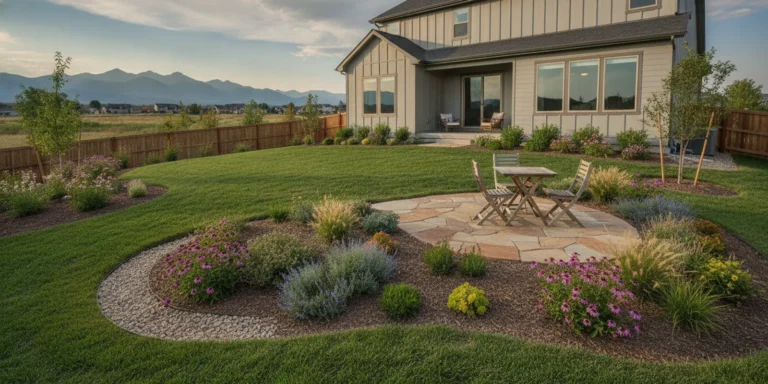
A green home’s thoughtful design doesn’t stop at the front door. Sustainable landscaping and hardscaping create an outdoor space that is both beautiful and environmentally friendly. This often involves xeriscaping, which uses native and drought-tolerant plants that thrive in our local climate with minimal water. This approach reduces your maintenance workload and creates a habitat for local wildlife.
For patios, walkways, and driveways, permeable pavers are a fantastic choice. Unlike traditional concrete or asphalt, they allow rainwater to soak through into the ground, which helps replenish groundwater and reduces runoff into storm drains. As experts in hardscape and landscape contracting, we can help you design an outdoor space that complements your green home and respects our Colorado environment.
Building Green in the Denver Metro Area
Choosing to build a green home in the Denver metro area is more than just following a trend; it’s a smart, forward-thinking decision that really resonates with our community’s values. As more of us look for energy-efficient and environmentally responsible living spaces, the local resources and expertise have grown right alongside that demand. From city-led initiatives to builders who specialize in sustainable practices, Denver is a fantastic place to build a home that is both beautiful and kind to the planet. Understanding the local landscape is the first step toward creating a home that saves you money on utilities, provides a healthier living environment for your family, and reduces your overall environmental footprint.
The Rise of Green Homes in Denver
It’s clear that homeowners across the Denver metro area are looking for more sustainable ways to live. This growing demand is driven by a desire to lower utility bills and a greater awareness of our environmental impact. This shift isn’t just a grassroots movement; the city itself is encouraging greener construction through programs like the Denver Green Building Ordinance, which has led to more high-performance homes in our neighborhoods. The benefits of green building extend beyond your own property line, contributing to better air quality and more sustainable land use for the entire community.
Partner with Faros for Your Sustainable Home
Turning your vision for a sustainable home into a reality starts with finding the right partner. At Faros Construction Services, we are committed to integrating sustainable practices into our projects, from the materials we select to the energy-efficient designs we create. We believe a green home should also be your dream home. Our owner-led team works closely with you to create a customized solution that fits your lifestyle while minimizing environmental impact. Whether you’re planning a full custom home build or a beautiful, sustainable outdoor living space, our focus is always on quality craftsmanship that lasts for years to come.
Related Articles
Frequently Asked Questions
Does “building green” mean I have to sacrifice my home’s style? Not at all. This is a common myth, but the truth is that green building is about performance, not a specific aesthetic. You can build a sustainable home in any style you love, from modern farmhouse to sleek contemporary. The “green” part happens behind the scenes, in the high-performance insulation, the quality of the windows, the efficiency of your HVAC system, and the non-toxic paints you choose. It’s about building a smarter, healthier home, not a home that looks a certain way.
Are green building materials as strong and long-lasting as traditional ones? Yes, and in many cases, they are even more durable. Green building prioritizes quality and longevity. Materials like recycled steel, composite decking, and properly sealed reclaimed wood are chosen because they are built to withstand the elements and the test of time. The focus is on creating a resilient home that requires less maintenance, so you can be confident that the sustainable choices you make are also sound, long-term investments in your property.
What’s the most impactful first step if I can’t do a fully “net-zero” home right now? Focus on the building envelope. This refers to the shell of your home: the foundation, walls, roof, windows, and doors. Investing in high-quality insulation, superior air sealing, and energy-efficient windows creates a super-tight, well-insulated home. This single step has a massive impact on your energy consumption and comfort, and it makes every other system in your home work more efficiently. It’s the foundational move that provides the biggest return for your comfort and your utility bills.
Is a green home a much larger upfront investment? It’s more about a shift in how you view the investment. While some high-performance features might have a higher initial ticket, they are chosen for the long-term value they provide. You are investing in a home that will actively save you money every month through lower utility bills. When you factor in these savings, plus the higher resale value that green-certified homes often command, the financial picture looks very different. It’s a strategic investment in quality and efficiency that pays you back over time.
How can I tell if a builder is genuinely experienced in green construction? A truly experienced green builder will be excited to talk specifics. Ask them about the sustainable materials they prefer, the methods they use for air sealing, and their approach to job site waste reduction. They should be able to point to specific projects in their portfolio that showcase these practices. If a builder is vague, dismisses your questions, or can’t provide clear examples of their green building work, it’s a sign that you should keep looking for a team that truly shares your commitment to sustainability.