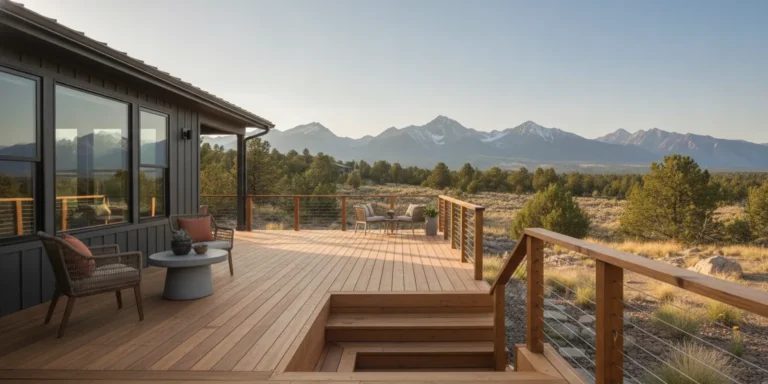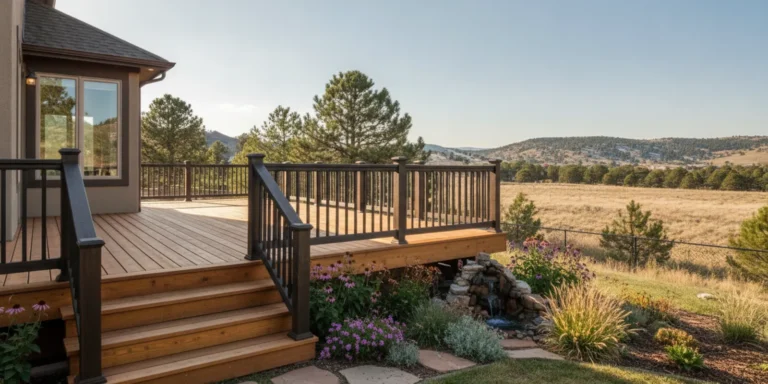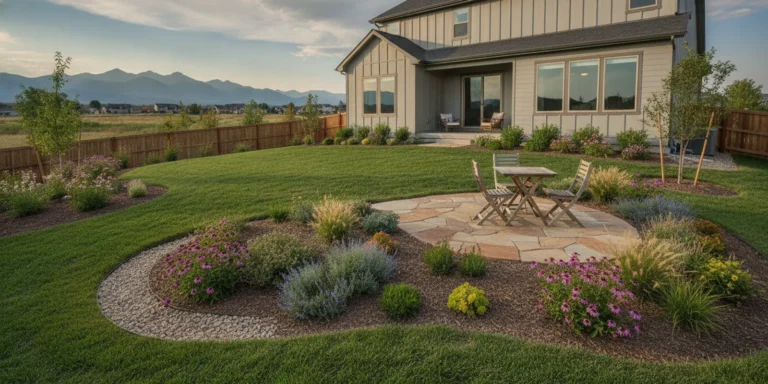

If you are comparing a privacy screen vs pergola Denver Metro Area backyard plan, start with the problem you most want to solve. A privacy screen is usually the better first choice when you want to soften a direct sightline. Define one edge of a patio, or create a more sheltered feeling. A pergola is usually the better first choice when you want an overhead structure that frames a seating or dining area while keeping the space visually open. Many backyards benefit from a thoughtful combination of both.
The right answer depends on more than appearance. Privacy, shade, wind exposure, the direction of neighboring views, and the way your deck or patio is used all affect the decision. A site consultation helps turn those factors into a cohesive outdoor living plan instead of a collection of disconnected additions.
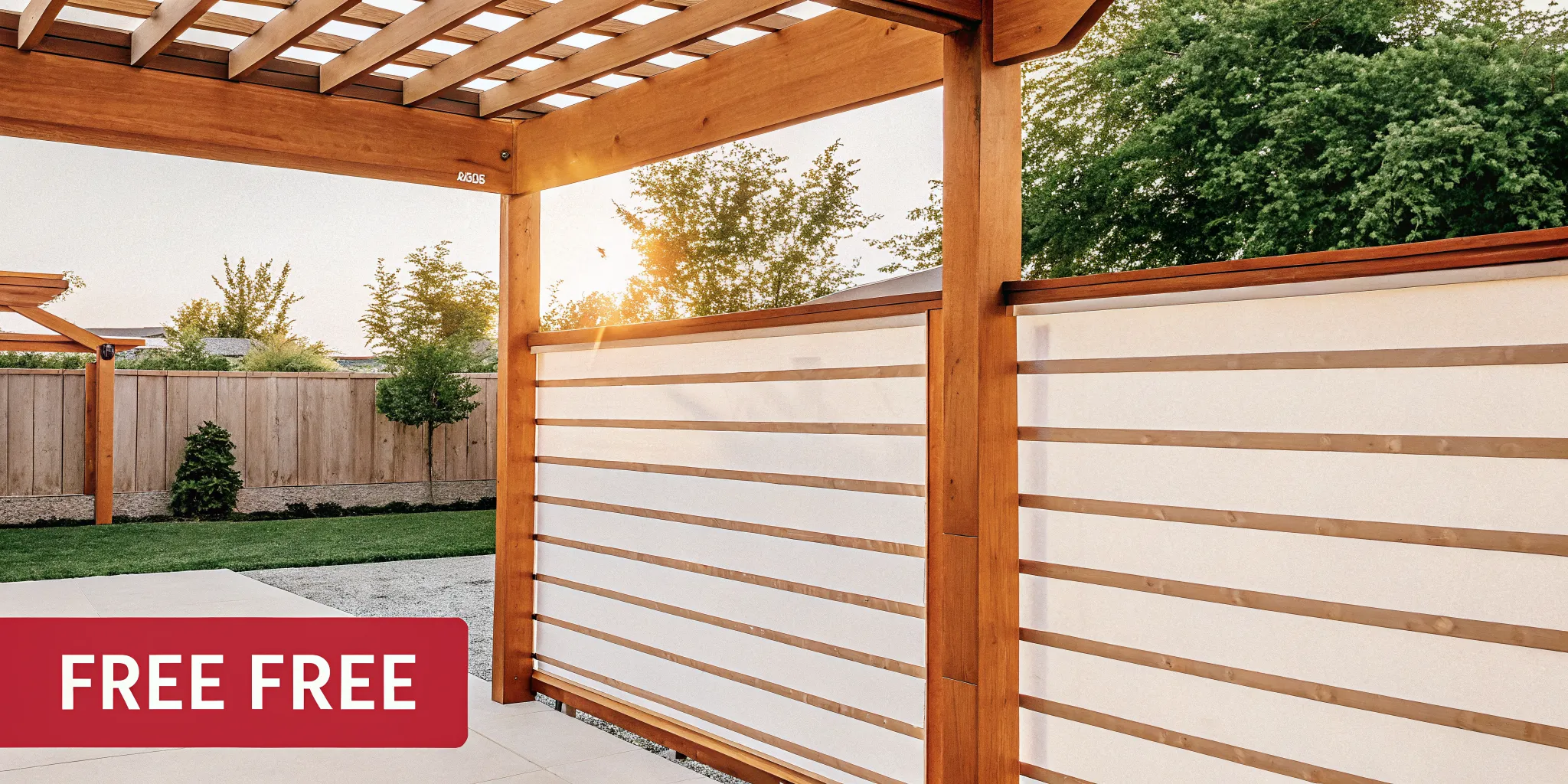
Privacy screen vs pergola Denver Metro Area: which should you choose?
Choose a privacy screen first when your main concern is an exposed seating area, a close neighboring sightline, or an edge of the yard that needs definition. Choose a pergola first when your main goal is to establish a clear outdoor room for relaxing, dining, or entertaining. Consider combining them when you want an open-air retreat that also feels more private from a particular direction.
| Backyard priority | Privacy screen | Pergola | Combination approach |
|---|---|---|---|
| Limit a direct neighboring view | Often the strongest starting point | Not its primary purpose | Add a screen on the exposed side of a pergola or patio |
| Create a defined outdoor room | Defines an edge | Frames the area overhead | Useful for a retreat with clear boundaries |
| Maintain visual openness | Use selectively where needed | Usually preserves a more open feeling | Screen one side while leaving other views open |
| Add shade | Can help with low-angle exposure in the right placement | Can create some overhead shade depending on design and orientation | Plan both around the sun path and the way you use the space |
| Respond to wind exposure | Placement and openness matter | Does not automatically solve wind concerns | Evaluate the site before selecting a layout |
| Integrate with a deck or patio | Can define a perimeter or seating zone | Can become the focal point of the layout | Coordinate the structure with the surface below it |
What does a privacy screen do?
A privacy screen is a vertical outdoor element used to reduce an unwanted view, create separation, or define part of a backyard. Instead of closing off an entire property, it can be placed where it delivers the most value: next to a seating area. Along an exposed edge of a deck, or between a patio and a nearby sightline.
The most successful screen is not simply the largest screen possible. It is a deliberate part of the yard. Its height, position, spacing, and relationship to the rest of the space influence how enclosed or open the backyard feels. A screen that is too dominant may make a compact patio feel boxed in. A screen placed only where exposure is most noticeable can create privacy without sacrificing the view you enjoy.
When a privacy screen is a strong fit
- Your seating area faces a direct neighboring sightline.
- You want a quieter visual backdrop for a deck or patio.
- You need to define an outdoor lounge or dining area without adding a large overhead structure.
- You want a more sheltered feeling on one exposed side of the yard.
- You want to preserve openness in other directions.
What does a pergola do?
A pergola is an outdoor structure with posts and overhead members that establishes a sense of place without fully enclosing the area. In a backyard layout, it can signal that a patio or deck is not leftover space. It is an intentional destination for conversation, dining, or a quiet break outside.
A pergola can provide some shade depending on its design, orientation, and the time of day. It should not be treated as an automatic solution for every shade concern. The right placement starts with how sunlight reaches the yard and when your family is most likely to use the space.
Faros Construction Services includes pergolas among its decks, pergolas, and porches offering. When the structure is part of a broader backyard update, it can be considered alongside the patio, deck, circulation paths, and gathering areas.
When a pergola is a strong fit
- You want to make a seating or dining area feel intentional.
- You prefer an open-air structure with overhead definition.
- Your patio or deck needs a focal point.
- You want to connect several outdoor activities within one cohesive layout.
- You want a structure that complements a broader backyard retreat.
Privacy screen vs pergola: five factors to compare
1. Privacy and neighboring views
Start by standing where you plan to sit. Look toward the areas where neighboring windows, elevated decks, or open edges make the space feel exposed. If the issue comes primarily from one direction, a strategically positioned privacy screen may be the most direct response.
A pergola can make the seating area feel more defined, but its overhead frame does not automatically reduce a side view. If you like the sense of an outdoor room yet still want more seclusion, integrate a screen where the sightline is most noticeable rather than enclosing every side.
2. Shade throughout the day
Shade is not a yes-or-no question. It changes with the sun path, the season, and the orientation of the space. A pergola may create useful overhead shade, while a vertical screen may help when exposure comes from a lower angle. The appropriate layout depends on when you use the space and where the light reaches it.
Before choosing a structure solely for shade, observe the yard in the morning, afternoon, and early evening. If your goal is a comfortable gathering area, those observations help guide the conversation during a site consultation.
3. Wind exposure and airflow
Denver Metro Area backyards vary. Some sites feel protected, while others are more exposed. A screen can change the way airflow moves through a seating area, so position and design matter. A solid barrier is not always the right answer. A more open screen may soften the feeling of exposure while maintaining airflow and visual balance.
A pergola defines the space overhead, but it should not be assumed to resolve wind on its own. Evaluate the actual conditions around the home, patio, deck, and surrounding yard before deciding how open or sheltered the retreat should feel.
4. Visual openness
If you enjoy an open view or want a small backyard to feel expansive, a pergola may be the stronger starting point. It introduces structure while preserving visibility across much of the yard. A privacy screen is more selective. It works best when it blocks a distracting view without becoming the only thing you see.
The best layouts protect the moments that matter while preserving the views that make the backyard enjoyable. That balance is one reason a consultation is more useful than selecting a structure from a picture alone.
5. Integration with a deck, concrete patio, or outdoor living plan
A structure should work with the surface beneath it and the way people move through the yard. On a deck, a screen may help define a seating zone or an exposed edge. On a patio, a pergola may establish a clear gathering area. For a larger update, the surface, structure, and circulation can be planned together.
Faros Construction Services builds outdoor living spaces and is experienced in integrating elements such as concrete patios with custom wood structures. If the patio itself is part of the conversation, explore the company’s concrete contracting services as well.
When combining a pergola and privacy screen makes sense
For many homeowners, the decision is not an either-or choice. A pergola and privacy screen can solve different parts of the same problem. The pergola creates an outdoor room. The screen shapes the exposed edge of that room.
A combined approach may make sense when:
- Your patio has an appealing view in one direction and a distracting sightline in another.
- You want overhead definition while keeping most sides open.
- Your deck needs a more comfortable conversation area without feeling fully enclosed.
- You are coordinating a new patio, deck, pergola, and seating layout as one project.
- You want the screen to feel integrated with the backyard design rather than added later as an afterthought.
Integration matters. The screen should relate to the pergola, patio, or deck in scale and placement. The result should feel like one thoughtful backyard retreat, not several separate components competing for attention.
A practical decision process for your backyard
Use this four-step process before your site consultation:
- Name the primary concern. Is it a direct view, limited shade, wind exposure, a lack of definition, or several of these?
- Mark the area you actually use. Think about your grill, dining table, lounge chairs, doors, and the paths people follow through the yard.
- Observe the site at different times. Note where sunlight reaches the patio or deck and where the space feels exposed.
- Decide what should stay open. Privacy works best when it protects comfort without removing the views and airflow you value.
These observations give your contractor a clearer starting point. They also make it easier to discuss whether one feature is enough or whether a coordinated design is more appropriate.
Bring your priorities to the consultation
A few simple notes can make the first conversation more useful. Take photos from the places where you sit, the door you use most often, and the edge of the yard where privacy feels limited. Note whether the space is mainly for quiet evenings, family meals, or hosting friends. If a deck or patio is already in place, consider what works well and what feels unfinished.
This preparation gives the design conversation a practical foundation without locking you into one solution. A privacy screen may be enough to improve an existing patio. A pergola may be the missing focal point. In other yards, a coordinated plan can connect the surface, structure, seating zone, and selective screening into one retreat.
Frequently asked questions
Is a privacy screen or pergola better for a small backyard?
It depends on the main concern and the layout. A strategically placed screen can address an exposed sightline without taking over the whole yard. A pergola can define a compact seating area while maintaining an open-air feeling. The best choice is the one that solves the problem without overwhelming the available space.
Does a pergola provide privacy?
A pergola primarily defines an outdoor area overhead. It does not automatically block side views. If privacy is important, a screen can be considered on the side where the yard feels most exposed.
Does a privacy screen provide shade?
A vertical screen may help with low-angle exposure when it is placed appropriately, but shade changes throughout the day. If shade is a priority, evaluate the sun path during a site consultation rather than assuming one feature will solve every condition.
Can a privacy screen be added to a patio or deck?
A privacy screen can often be considered as part of a patio or deck design. The appropriate approach depends on the site and the surrounding layout. Planning it with the broader outdoor living space helps the screen feel intentional.
Can a pergola and privacy screen be designed together?
Yes. They can be considered together when a backyard needs both an open-air focal point and more protection from a particular view or exposed edge. The layout should be tailored to the property.
Plan a backyard retreat around the way you live
The right privacy screen vs pergola decision is not about choosing the most prominent feature. It is about creating a space that feels comfortable, balanced, and connected to your home. For Denver Metro Area homeowners, that may mean a selective privacy screen, an open pergola, or a coordinated design that brings both together with a deck or patio.
Faros Construction Services takes an owner-led, hands-on approach to outdoor projects. If you are ready to evaluate your backyard, contact Faros Construction Services to schedule a site consultation and discuss an outdoor living plan that fits your property.