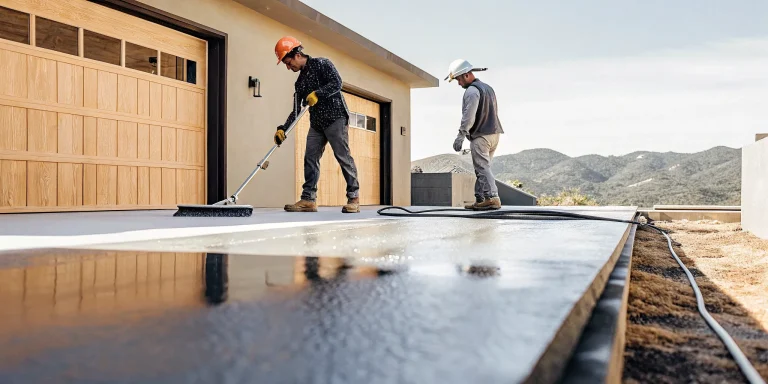


Many homeowners think winter means putting landscaping plans on hold until spring, but that’s not always true. In Colorado, winter can actually be an ideal time to tackle certain outdoor projects—especially those that don’t rely on active plant growth. Whether you’re improving your home’s curb appeal, preparing for spring, or getting ahead on your dream backyard, there’s still plenty that can be done in the colder months.
🌳 Hardscape Projects (Best for Winter)
Hardscape work is perfect for the off-season since it isn’t affected by plant dormancy or soil temperatures as long as the ground isn’t deeply frozen. These projects keep crews busy and let you enjoy your new space as soon as the weather warms.
- Paver patios – Winter is a great time for patio installations. As long as the ground is workable, pavers can be laid with precision and often completed faster with fewer scheduling delays.
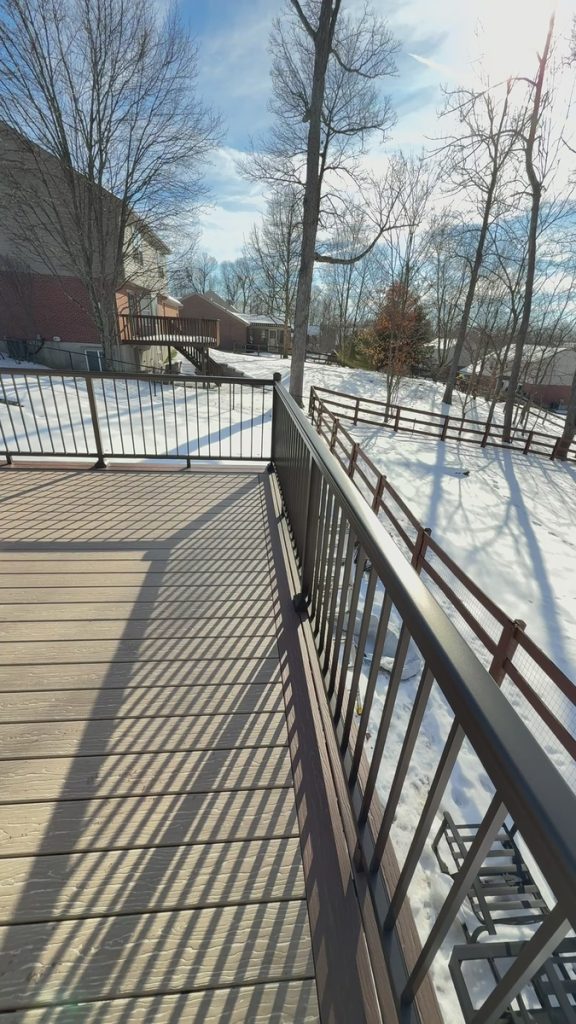
- Deck builds or replacements – Cooler months are excellent for new decks or repairs. Wood and composite materials are often less expensive in winter, and contractor availability tends to be better.
- Retaining walls – Whether concrete block or natural stone, retaining walls can be built in cool temperatures with proper curing protection.
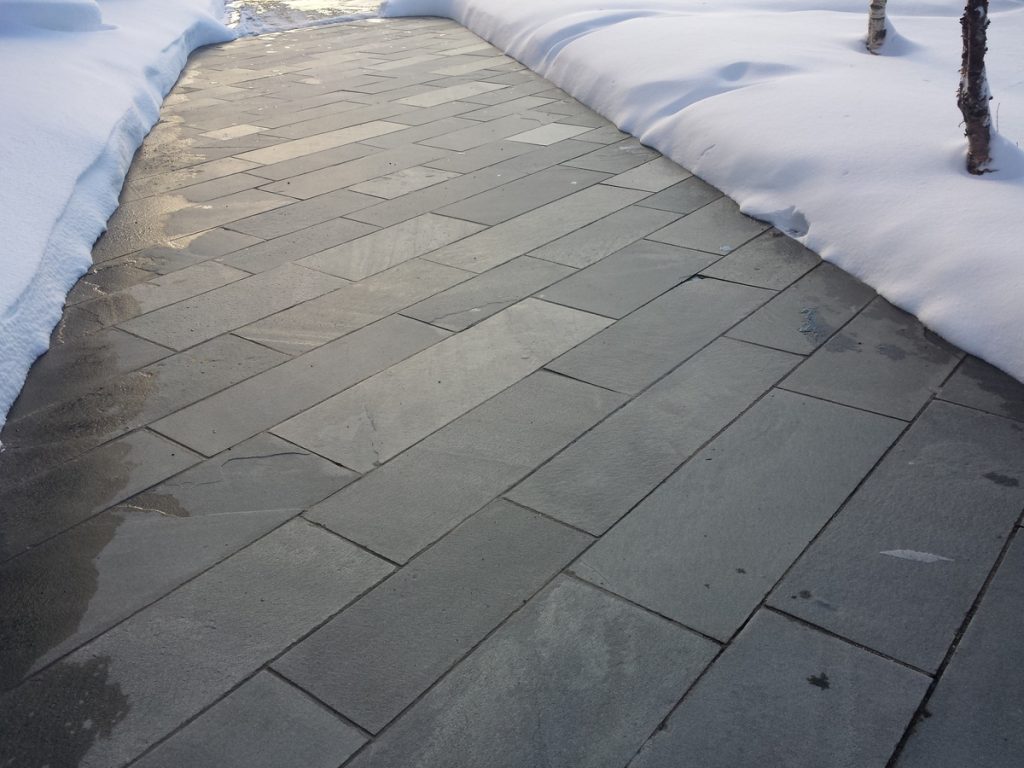
- Walkways and pathways – Brick, flagstone, or concrete walkways can be installed when the ground isn’t frozen solid.
- Outdoor kitchens and fire pits – These are ideal off-season builds, giving you a beautiful new feature to enjoy once spring arrives.
🌿 Softscape & Planting (Limited but Possible)
Although planting options narrow during the coldest months, some work can still be done if the soil hasn’t frozen hard. Winter can actually make certain maintenance easier since you can clearly see plant structure.
- Tree and shrub planting – Many deciduous trees and evergreens can still be planted until the ground freezes solid.
- Dormant pruning – Late fall and winter are the best times to prune most trees and shrubs. With leaves gone, you can shape plants properly and encourage healthy spring growth.
- Transplanting – Hardy shrubs and perennials can sometimes be relocated during dormancy, minimizing shock and allowing roots to establish before new growth begins.
🌾 Preparation & Maintenance Work
Winter is perfect for improving your landscape’s performance ahead of the busy growing season. These updates help prevent spring headaches and keep your property looking its best.
- Drainage improvements – Addressing problem areas now with French drains, grading fixes, or downspout extensions can prevent future flooding or erosion.
- Mulching and winter protection – Adding mulch around trees and plants helps regulate soil temperature and insulate roots.
- Landscape lighting installation – Winter evenings make it easy to plan and test lighting placement, and minimal foliage means cleaner installation access.
- Irrigation system maintenance or redesign – Winter is the ideal time to service, upgrade, or rework irrigation layouts before spring activation.
🔨 Construction & Design Projects
Winter downtime is the perfect window for bigger planning and design efforts. Getting the creative and structural work done now means you’ll be ready to build or plant as soon as temperatures rise.
- Landscape design planning – Work with a professional designer to map out your vision for spring. Planning ahead ensures materials and crews are scheduled early.
- Outdoor structure builds – Projects like pergolas, gazebos, and fencing can continue through mild winter weather, especially when coordinated with experienced builders who know how to handle seasonal challenges.
Final Thoughts
Winter doesn’t have to mean a standstill for your outdoor projects. With the right planning and an experienced team like Faros Construction Services, you can use the off-season to enhance your property, fix long-standing issues, or design the outdoor space you’ve always wanted. When spring arrives, you’ll be ready to enjoy it all.