
Deciding you want a pergola is the easy part. The next step—figuring out how to actually get it built—can feel overwhelming. You might wonder about the cost, the timeline, and what the construction process even looks like. We believe you should feel excited, not intimidated, by a new home project. A professional pergola installation service follows a clear, step-by-step process designed to be smooth and transparent from start to finish. This guide will walk you through everything you need to know, from the initial design consultation to the final walkthrough, so you can move forward with confidence.
Key Takeaways
- A Professional Installer Handles the Hard Parts: Hiring a pro is an investment in a smooth process and a safe, lasting structure. They manage everything from custom designs and securing permits to ensuring your pergola is built to withstand Denver’s unique weather.
- Vet Your Contractor to Guarantee Quality: Choosing the right team is critical. Look for an installer with a strong portfolio of local work, positive client reviews, and proper insurance. Always get a detailed, itemized quote to understand the full cost of your project.
- Match Your Pergola‘s Style to Your Lifestyle: The best pergola fits both your home’s aesthetic and your willingness to perform upkeep. Decide whether you prefer the classic look of wood, the ease of low-maintenance vinyl, or the clean lines of modern metal to create a space you’ll love long-term.
What Does a Pergola Installer Do?
A professional pergola installer does much more than just assemble a kit from a box. Think of them as the project manager, architect, and builder for your new outdoor feature, all rolled into one. Their job starts with a detailed consultation to understand your vision and the specific needs of your property. They’ll assess the site, discuss how you plan to use the space, and help you choose the right materials that can stand up to the Denver climate—from classic wood to low-maintenance composites.
From there, they create a design that complements your home’s style and meets your functional goals. This is where their expertise really shines. They handle all the technical and logistical details that can trip up a DIY project, like securing the necessary building permits, ensuring the structure is engineered to be sound and safe, and managing the entire construction timeline. A great installer brings deep knowledge of local building codes and environmental factors, like soil conditions and snow loads, ensuring your pergola isn’t just beautiful on day one, but is truly built to last. They take the guesswork and heavy lifting off your plate, turning what could be a stressful, complex construction project into a smooth and rewarding experience.
Professional Services vs. a DIY Project
Deciding between hiring a pro and tackling a pergola build yourself often comes down to a classic trade-off: time and expertise versus potential cost savings. A DIY project can seem tempting, especially if you’re handy. While you might save on labor, the reality involves more than just following instructions. You’ll need to handle permit requirements, pour concrete footings correctly, and ensure the structure is securely anchored to withstand Denver’s wind and snow.
On the other hand, hiring a professional team to build your pergola or porch means you’re investing in peace of mind. A professional service handles every step, from design and permits to construction and cleanup. This ensures the structure is beautiful, safe, and compliant with all local building codes. An experienced installer understands our local climate, choosing materials and techniques that guarantee longevity. While the upfront cost is higher, you avoid the risk of costly mistakes and gain a lasting, high-quality addition to your home.
Why Hire a Pro to Install Your Pergola?
While the idea of a DIY pergola project can be tempting, the reality is often more complex than it seems. A pergola is a significant addition to your home, and its safety, longevity, and appearance depend entirely on the quality of the installation. Hiring a professional team ensures the job is done right from the start, protecting your investment and giving you a beautiful, sturdy structure you can enjoy for years. It’s about more than just convenience; it’s about getting a high-quality result that adds real value to your home and your outdoor living experience.
Get Expert Craftsmanship
A common misconception is that pergolas are flimsy, decorative structures. However, a high-quality, expertly built pergola is engineered to handle the Denver metro area’s unique weather, from intense summer sun to heavy winter snow. Professionals understand how to work with different materials, ensure proper footing and anchoring, and construct a frame that is perfectly level and secure. This level of craftsmanship results in a durable, long-lasting addition to your home, not a temporary fixture that will need repairs after the first big storm. True expertise makes all the difference in turning a simple design into a lasting outdoor feature.
Save Time and Hassle
A pergola installation involves much more than just assembling a kit. It requires precise measurements, digging footings, mixing concrete, and ensuring every post and beam is perfectly aligned. For a homeowner, this can easily turn into a multi-weekend project filled with unexpected challenges. Hiring a professional installer saves you from this hassle. A skilled team handles everything from material delivery to site cleanup, completing the job efficiently. Professional installation also helps you avoid common mistakes that could end up costing you more time and money to fix down the road.
Ensure Safety and Code Compliance
An improperly installed pergola can be a serious safety hazard. A professional team ensures your structure is not only stable but also compliant with local building codes in the Denver metro area. They understand the requirements for footing depth, structural support, and proper attachment to your home, if applicable. Hiring a reputable team gives you confidence that your pergola is built to last and safe for your family and guests to enjoy. This is a critical step that protects you from potential liability and ensures the structural integrity of your investment for years to come.
Gain Peace of Mind with Warranties
When you hire a professional, you’re not just paying for labor—you’re investing in peace of mind. Most high-quality pergola materials come with a manufacturer’s warranty, which can be voided by improper installation. A professional installer ensures your warranty remains valid. Furthermore, reputable contractors stand behind their work with a workmanship warranty, guaranteeing the quality of the installation itself. This dual protection means that if any issues arise, you have a clear path to getting them resolved. You can relax and enjoy your new outdoor space, knowing it’s fully protected.
How to Choose the Right Pergola Installer
Finding the right contractor for your pergola project is just as important as picking the perfect design. This is the team you’ll be trusting to build a structure that will become a central part of your home and outdoor life for years to come. The right installer ensures not just a beautiful final product, but also a smooth, stress-free process from start to finish. A great partner brings expert craftsmanship, clear communication, and a deep understanding of what it takes to build lasting structures in the Denver metro area.
When you start your search, you’re looking for more than just a builder; you’re looking for a partner who listens to your vision and has the skills to bring it to life. It’s about finding a company with a proven track record, transparent business practices, and a commitment to quality. Taking the time to vet your options carefully will pay off in the form of a well-built pergola that you and your family can enjoy without worry. From checking their past work to understanding their warranties, each step helps you make a confident and informed decision.
Check Their Experience and Past Work
When you’re evaluating a pergola installer, their experience is one of the most telling factors. A company with a long history of building in the Denver area understands the local climate, soil conditions, and building codes inside and out. This local expertise is invaluable. Ask potential contractors how long they’ve been in business and specifically how many pergolas they’ve built. A seasoned team will have a portfolio of completed projects you can review. Looking through their past work gives you a clear idea of their style, quality, and capabilities, helping you see if their work aligns with your vision.
Read Reviews and Gauge Communication
Online reviews and client testimonials are a fantastic window into what it’s like to work with a contractor. They go beyond photos of the finished product and tell you about the actual experience. Pay attention to comments about professionalism, timeliness, and cleanliness. More importantly, look for mentions of communication. A great installer keeps you in the loop, answers your questions clearly, and is easy to get in touch with. Your initial conversation is a great test. Do they listen to your ideas and provide thoughtful feedback? Clear, consistent communication is the foundation of a successful project.
Ask About Materials and Custom Designs
Your pergola should be a perfect fit for your home’s aesthetic and your lifestyle. A top-notch installer will guide you through the different material options—from classic wood to low-maintenance vinyl or modern metal—explaining the pros and cons of each for our Colorado climate. They should also be excited to work with you on a custom design, not just push a one-size-fits-all kit. Whether you want a simple, elegant structure or an intricate, custom-built centerpiece for your yard, your installer should have the expertise to deliver. Be sure to ask about the pergolas and porches they specialize in.
Confirm Insurance and Warranties
This step is non-negotiable. Any contractor you hire must be fully licensed and insured. This protects you and your property in the unlikely event of an accident or damage during construction. Don’t hesitate to ask for proof of their general liability insurance and workers’ compensation coverage. Additionally, a reputable company will stand behind its work with a warranty. Ask for details about what their warranty covers—it should include both the materials used and the labor. Getting these commitments in writing provides crucial peace of mind and protects your investment for the long term.
Understand the Pricing and Your Budget
While it’s tempting to go with the lowest bid, price shouldn’t be the only factor in your decision. A quality pergola is an investment, and cutting corners on materials or labor can lead to costly repairs down the road. Ask for a detailed, itemized quote that breaks down all the costs, including materials, labor, permits, and any other potential fees. A transparent contractor will be happy to walk you through their estimate and explain every line item. They should also be willing to discuss your budget and suggest ways to achieve your goals without compromising the structural integrity or overall quality of the build.
How Much Does a New Pergola Cost?
Figuring out the budget for a new pergola isn’t always straightforward because the final price tag depends on a few key things: the materials you choose, the size of the structure, the complexity of the design, and labor costs. Think of it less like buying a product off the shelf and more like commissioning a custom piece for your home. Whether you’re dreaming of a simple, classic structure or an elaborate outdoor centerpiece, understanding these cost factors will help you plan your project with confidence.
A simple DIY pergola kit might seem like a bargain, but a custom-built pergola from a professional team offers more design flexibility and is built to last. At Faros Construction, we specialize in creating custom decks, pergolas, and porches that perfectly match your home’s style and your family’s needs. Breaking down the costs can help you see where your money is going and make informed decisions for your outdoor space.
Breaking Down Material Costs
The material you select is one of the biggest factors influencing your pergola’s cost. Classic wood, like cedar or redwood, offers a timeless look but can vary in price depending on the type. For a lower-maintenance option, vinyl and composite materials are great choices, though they often come with a higher upfront cost. Modern aluminum or steel pergolas provide a sleek, durable frame that stands up well to the elements. Each material has its own price point and benefits, so it’s important to consider both your budget and the long-term upkeep you’re comfortable with.
Understanding Labor and Installation Fees
Labor is another significant piece of the puzzle. While the exact cost depends on the project’s complexity, professional installation ensures your pergola is built safely and correctly. On average, you can expect labor to make up a substantial portion of the total budget. This fee covers the team’s expertise, time, and the specialized tools needed to get the job done right. Investing in a skilled crew means you won’t have to worry about wobbly posts or an uneven structure. For a precise estimate tailored to your project, it’s always best to schedule a consultation.
How Size and Design Affect Price
It makes sense that a larger pergola will cost more than a smaller one, but the design’s complexity also plays a huge role. A standard 10×10-foot square pergola will be more budget-friendly than a custom-shaped structure with an arched roof or intricate latticework. Adding features like built-in benches, lighting, or a retractable canopy will also increase the price. The cost per square foot can range from around $20 to over $60, depending on these details. This is where you can really customize your outdoor living space to fit your vision and budget.
Factoring in Permits and Site Prep
Before the first post goes in the ground, there are a couple of other potential costs to consider. Your yard might need some site preparation, like leveling the ground or pouring a concrete foundation, to ensure the pergola has a stable base. Additionally, depending on the size and location of your pergola, you may need a building permit. Working through local regulations can be tricky, but a professional contractor will handle the entire permitting process with the city of Denver for you, ensuring everything is up to code.
Choosing Your Pergola Style
A pergola is more than just a structure; it’s a statement piece for your backyard. The style you choose sets the tone for your entire outdoor area, influencing everything from the furniture you pick to the vibe of your summer cookouts. Think about your home’s existing architecture and your personal taste. Are you drawn to the rustic charm of natural wood, or do you prefer the clean lines of modern metal? Your decision will also depend on how much maintenance you’re willing to do and how you plan to use the space.
Whether you envision a cozy, vine-covered retreat or a sleek, contemporary entertainment hub, there’s a pergola style that fits. We’ll walk through the most popular options here in the Denver metro area to help you find the perfect match for your home and lifestyle. From classic wood to low-maintenance composites and different structural designs, understanding your choices is the first step toward creating an outdoor living space you’ll love for years.
Classic Wood Pergolas
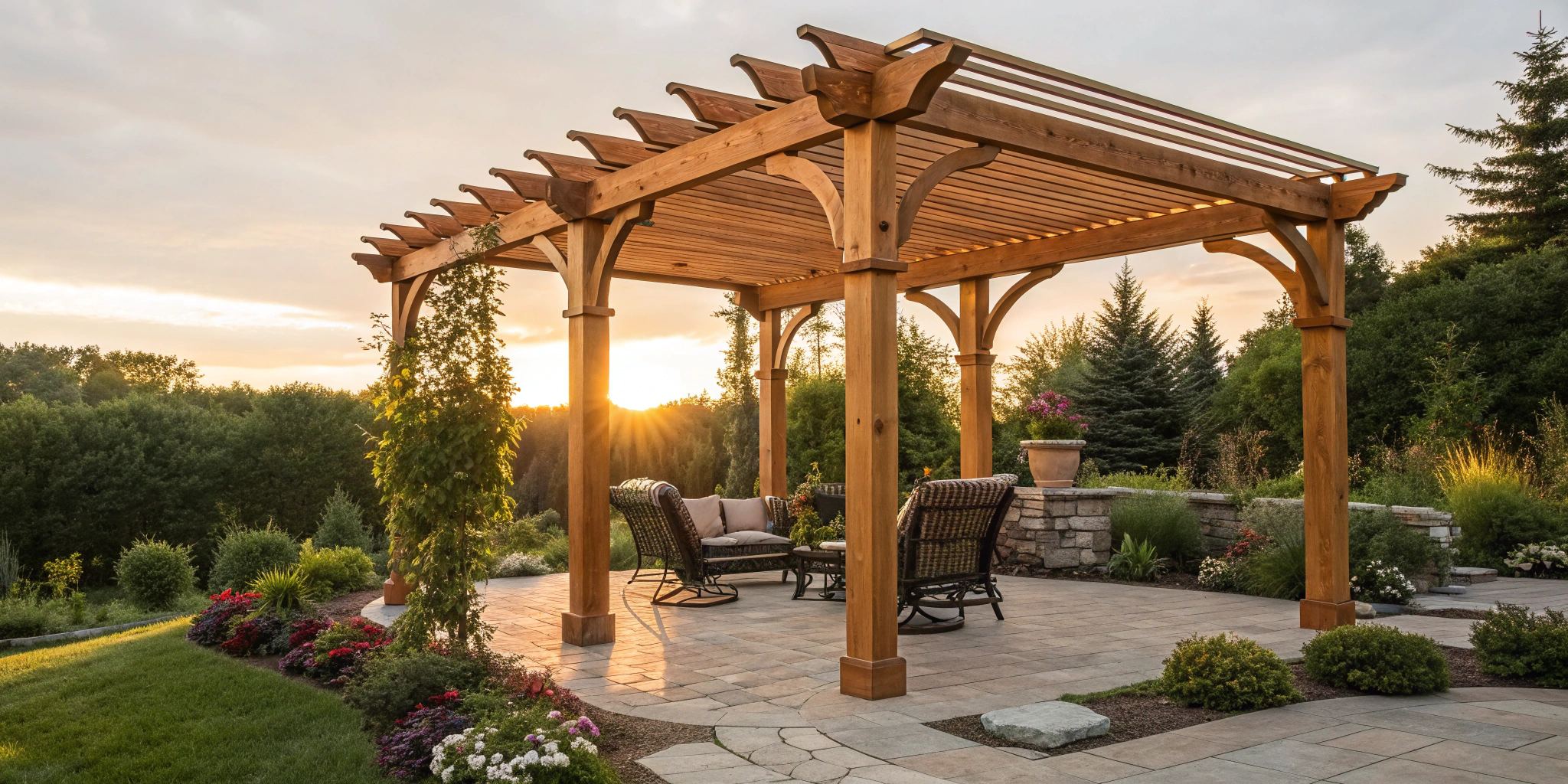
There’s a reason wood is a timeless choice for outdoor structures. It has a natural warmth and beauty that blends seamlessly into any landscape. Materials like cedar and redwood are popular for their durability and resistance to the elements, making them a great fit for the Colorado climate. You can stain the wood to highlight its natural grain or paint it to perfectly match your home’s exterior. A classic wood pergola can support climbing plants like wisteria or clematis, creating a lush, living canopy. While they do require some seasonal upkeep, like sealing or staining, the rich, authentic look is well worth the effort for many homeowners.
Low-Maintenance Vinyl and Composite
If you love the idea of a pergola but not the thought of regular maintenance, vinyl or composite materials are your best friend. These modern options are designed to withstand Denver’s sun, snow, and temperature swings without warping, cracking, or fading. You can forget about sanding and staining—a simple wash is all they need to look great. While classic white vinyl is always an option, today’s composite materials come in a variety of colors and textures that convincingly mimic the look of natural wood. This gives you the best of both worlds: sophisticated style with minimal upkeep.
Modern Metal and Aluminum
For a sleek, contemporary look, nothing beats a metal or aluminum pergola. These materials offer clean lines and a minimalist profile that complements modern architecture beautifully. They are incredibly strong yet lightweight, and they won’t rust or corrode, making them a fantastic long-term investment. Many modern designs feature adjustable louvered roofs, allowing you to control the amount of sun or shade with the touch of a button. This style is perfect for creating a sophisticated, resort-like feel in your backyard, offering both high-end design and practical function for your outdoor gatherings.
Freestanding vs. Attached Designs
Where will your pergola live? An attached pergola is built directly onto your house, creating a seamless extension of your indoor living area. It’s a fantastic way to cover a patio or deck just outside your back door, providing shade and defining the space for dining or lounging. On the other hand, a freestanding pergola can be placed anywhere in your yard. These are perfect for creating a distinct destination—a quiet reading nook in the garden, a poolside cabana, or a focal point for a larger patio. The right choice depends entirely on your yard’s layout and how you envision using your new pergola and outdoor space.
The Pergola Installation Process, Step-by-Step
Knowing what to expect can make the entire construction process feel smoother and more exciting. When you hire a professional team, they follow a clear, structured plan to bring your vision to life with minimal disruption to your daily routine. From the initial creative brainstorming to the final walkthrough, every stage is designed to ensure your new pergola is built safely, efficiently, and exactly to your specifications. Here’s a look at the four key steps involved in a professional pergola installation.
Step 1: Consultation and Design
This is where the fun begins. The process kicks off with an initial consultation where you’ll discuss your vision for the perfect outdoor space. You’ll talk through ideas for size, shape, materials, and any custom features you have in mind. A professional designer will listen to your needs, offer expert suggestions, and assess the installation site to ensure the plan is practical and beautiful. This collaborative step ensures your final design is a perfect match for your home’s style and your family’s lifestyle. When you’re ready, you can schedule a consultation to get the conversation started.
Step 2: Site Prep and Permits
Once the design is finalized, it’s time to prepare the area. This involves making sure the ground is level and clearing the space for a solid foundation. It’s a crucial step for ensuring the structural integrity and longevity of your pergola. Your contractor will also handle the logistics of securing any necessary building permits from local authorities in the Denver metro area. A professional team takes care of this paperwork for you, so you don’t have to worry about navigating local regulations. This is one of the key benefits of hiring an experienced construction services provider.
Step 3: The Build and Timeline
With the site prepped and permits in hand, the construction phase can begin. A skilled crew will get to work building your pergola, and you’ll be surprised at how quickly it takes shape. For a professional team, a standard pergola installation typically takes just two to three days. The crew will work efficiently to assemble the structure, paying close attention to every detail to ensure a high-quality result. You can watch as the posts, beams, and rafters come together to create the beautiful outdoor feature you envisioned.
Step 4: Final Inspection and Walkthrough
After the last board is secured, the team conducts a thorough final inspection. They’ll double-check every connection and measurement to ensure the structure meets all safety standards and the agreed-upon design specifications. Following the inspection, your project manager will do a final walkthrough with you. This is your opportunity to admire the finished product, ask any questions you might have, and confirm that you are completely satisfied with the work. This final step reflects our commitment to quality and ensures you’ll love your new pergola for years to come.
What to Expect When Your Team Arrives
The day your installation team arrives is when your vision starts becoming a reality. This should be an exciting time, not a stressful one. When you partner with a reputable contractor, you can count on a smooth and predictable process from the moment the crew pulls up to the final handshake. A professional team operates on a foundation of clear communication, respect for your home, and an unwavering commitment to quality. Knowing what to expect helps you feel confident and in control throughout the build. From start to finish, the focus should be on delivering a beautiful, sturdy pergola that you and your family will enjoy for years to come, with minimal disruption to your daily life. This is the standard you should expect for any project at your home, and it’s what a dedicated team will always deliver.
Clear Communication From Start to Finish
You should never feel like you’re in the dark about your own home project. A professional installation team makes communication a top priority. You can expect regular updates on their progress, a heads-up about the daily schedule, and clear answers to any questions you have along the way. As one homeowner noted about their experience, “Communication was excellent while the pergola was being built.” This open dialogue ensures you’re always aware of what’s happening and that the project is moving forward as planned. Good communication starts from the very first inquiry and continues until the job is done to your complete satisfaction.
A Professional and Respectful Crew
The crew installing your pergola will be working at your home, and you deserve a team that is professional, courteous, and respectful of your space. This means they show up on time, maintain a clean and organized work site, and treat your property with care. A professional crew works efficiently and skillfully, minimizing disruptions to your routine. You should feel comfortable with the people building your new outdoor feature. At Faros, our owner-led team takes pride in its professionalism, ensuring every interaction is positive and that the work is done right.
Attention to Detail and Quality Checks
A well-built pergola is a long-term investment in your outdoor living space, and its quality comes down to the details. Your installation team should be focused on precision craftsmanship, from ensuring the foundation is perfectly level to making sure every cut and connection is secure. Throughout the process, they should be performing quality checks to maintain high standards. Before they pack up, a great team will conduct a final walkthrough with you to ensure every detail is perfect and that the final structure looks incredible. You can see this commitment to quality in our past projects and reviews.
Keeping Your New Pergola Looking Great
Your new pergola is the centerpiece of your backyard, a perfect spot for relaxing and entertaining. To make sure it stays that way for years to come, a little bit of upkeep goes a long way. Think of it less as a chore and more as a way to protect your beautiful investment. The good news is that pergola maintenance is pretty straightforward, especially with the right approach. Just like any other part of your home that faces the Denver metro area’s sun and snow, giving it some seasonal attention will keep it structurally sound and looking its best. Regular care prevents small issues from becoming big problems, ensuring you can enjoy your outdoor oasis without worry. A well-maintained pergola not only looks fantastic but also holds its value and provides a safe, sturdy structure for your family and friends. By spending a few hours each season on simple tasks, you can prevent the kind of wear and tear that leads to costly repairs. It’s all about being proactive so you can spend more time enjoying your space and less time fixing it. This small commitment ensures your pergola remains a beautiful and functional extension of your home, ready for every barbecue, morning coffee, and quiet evening.
Simple Seasonal Upkeep
Keeping your pergola in top shape doesn’t require a ton of work. A simple seasonal cleaning is often all you need. At the start of spring and end of fall, give it a gentle wash with mild soap and water to clear away any dirt, pollen, or bird droppings. While you’re cleaning, do a quick visual check for any loose screws or bolts and tighten them up. For wood pergolas, regular cleaning and maintenance like applying a fresh coat of stain or sealant every few years is key to protecting the wood from moisture and sun damage, which helps it last much longer.
Tips for Long-Term Care
The amount of long-term care your pergola needs really depends on the material you chose. Wood pergolas offer a classic, natural look but require the most attention to prevent rot and fading. On the other hand, vinyl and metal pergolas are incredibly low-maintenance, usually just needing that seasonal cleaning. The upkeep is very similar to what you’d expect for a deck—a little attention prevents bigger headaches down the road. By choosing a material that fits your lifestyle, you can ensure your outdoor living space remains a source of enjoyment, not a list of chores.
When to Call for Professional Maintenance
While most upkeep is simple, some situations are best left to the pros. If you notice any significant issues like large cracks in the wood, signs of rot, or if the structure feels wobbly or unstable, it’s time to call for a professional inspection. It’s also smart to bring in an expert if you’re planning to add anything complex, like electrical wiring for lights or an outdoor fan. A professional can ensure the work is done safely and correctly, protecting both your home and your family. If you have any concerns about your pergola’s condition, don’t hesitate to reach out to our team for help.
Finding Your Pergola Installer in the Denver Metro Area
Once you’ve decided to add a pergola to your home, the next big step is finding the right team to build it. Choosing a contractor is about more than just finding the lowest price; it’s about partnering with a team that understands your vision and has the local knowledge to bring it to life correctly. In the Denver metro area, working with a local expert ensures your new outdoor structure is not only beautiful but also built to withstand our unique climate, from heavy snowfalls to intense summer sun.
A contractor with deep roots in the community will be familiar with local building codes, permitting requirements, and even neighborhood-specific guidelines. This expertise prevents delays and ensures your project is completed without any compliance issues. They’ll also have established relationships with local suppliers, which can lead to better material quality and availability. When you hire a local professional, you’re investing in a smoother process and a final product that’s perfectly suited for your Colorado home.
Why Local Expertise Matters
A company that works exclusively in the Denver area brings an invaluable understanding of our environment. They know which materials hold up best against our high-altitude UV rays and which construction techniques are necessary to handle winter snow loads. This local knowledge is critical for building beautiful and durable decks, pergolas, and porches that last for years. An experienced local installer can guide you on everything from foundation requirements for our soil types to design choices that maximize views of the Front Range. This insight goes beyond what a national chain or a DIY kit can offer, resulting in a safer, more resilient, and longer-lasting structure.
How to Get and Compare Quotes
When you’re ready to get quotes, start by contacting a few reputable, local installers. To get the most accurate estimates, provide them with as much detail as possible about your project. Share your ideas on size, desired materials, and any special features you have in mind. A good contractor will ask follow-up questions and may suggest a site visit to assess the space.
When you receive the quotes, don’t just look at the bottom line. A thorough proposal should break down the costs for materials, labor, and any permit fees. Compare the quality of the materials being proposed and the timeline for completion. It’s also a great time to ask about warranties. A trustworthy contractor will be transparent with their pricing and happy to walk you through every line item. When you’re ready, you can schedule a consultation to get a detailed, no-obligation quote for your project.
Related Articles
- Decks, Pergolas, and Porches – Faros Construction Services
- Decks, Pergolas, Porches – Faros Construction Services
- Outdoor Living Spaces – Faros Construction Services
Frequently Asked Questions
How long does the actual installation take once the work starts? For a standard pergola, a professional crew can typically complete the entire build in just two to three days. This efficient timeline is possible because they have the right tools, a coordinated team, and a streamlined process. More complex custom designs or projects that require significant site preparation might take a bit longer, but your contractor will give you a clear timeline before they begin.
Will I definitely need a building permit for my new pergola? Whether you need a permit often depends on the pergola’s size, height, and whether it’s attached to your house. The rules can vary slightly across the Denver metro area. The great thing about hiring a professional is that you don’t have to sort through these regulations yourself. A reputable installer will know exactly what’s required, handle all the paperwork, and ensure your project is fully compliant.
What’s the most durable pergola material for the Colorado climate? There isn’t one single “best” material, but rather the best one for your lifestyle. For a low-maintenance solution that handles our intense sun and heavy snow with ease, composite and metal are fantastic choices. They won’t warp or fade and only need occasional cleaning. If you love the classic look of wood, cedar is a great option, but be prepared to re-stain or seal it every few years to protect it from our dry climate.
Is a professionally built pergola a good investment for my home’s value? Absolutely. A well-designed pergola does more than just add beauty; it extends your home’s functional living space. This creates a dedicated area for dining, entertaining, or relaxing, which is a huge draw for potential buyers. A high-quality, permanent outdoor structure is seen as a valuable upgrade that makes the entire property more appealing and usable.
How do I decide between an attached and a freestanding pergola? Think about how you want to use the space. An attached pergola is perfect if you want to create a seamless transition from your indoor living area to an outdoor one, like covering a patio just off your kitchen. A freestanding pergola is ideal for creating a destination elsewhere in your yard—think a quiet reading spot in a garden, a poolside lounge area, or a focal point for a large lawn.