
When you think of a retaining wall, you might picture simple, stacked blocks. But what if your wall could be a design statement? A poured concrete retaining wall offers a level of creative freedom that other materials can’t match. Because it’s formed and poured on-site, it can be shaped into elegant curves or clean, modern lines that perfectly complement your home’s architecture. The finish can be left perfectly smooth for a minimalist look or stamped with a texture that mimics stone. This guide is for homeowners who see their landscape as an extension of their home—a place where function and style should go hand-in-hand.
Key Takeaways
- Choose Solid Concrete for Serious Structural Needs: When you need to hold back a major slope or support a heavy patio or driveway, a poured concrete wall offers unmatched strength. Its solid, steel-reinforced construction provides a permanent solution built to handle immense pressure.
- Professional Installation is the Only Option: A lasting retaining wall requires expert knowledge of Denver’s soil and climate. Proper installation involves critical details like a deep foundation, effective water drainage, and precise steel reinforcement to prevent cracking and failure.
- Gain Usable Space with Greater Design Freedom: Poured concrete turns unusable slopes into functional patios and lawns while allowing for custom shapes, curves, and modern finishes that blocks can’t replicate. It’s a long-term investment that improves both the function and style of your property.
What Is a Poured Concrete Retaining Wall?
If you’re looking to tame a slope or create more usable flat space in your yard, a retaining wall is your best friend. A poured concrete retaining wall is a solid, seamless wall made by pouring wet concrete into custom-built forms on-site. Before the concrete goes in, a grid of steel rebar is placed inside the forms, giving the finished wall incredible strength. Once the concrete hardens, we remove the forms to reveal a single, solid structure. This method creates one of the strongest and most durable retaining walls possible, making it the top choice for significant landscaping and structural projects throughout the Denver metro area.
Poured Concrete vs. Block Walls: What’s the Difference?
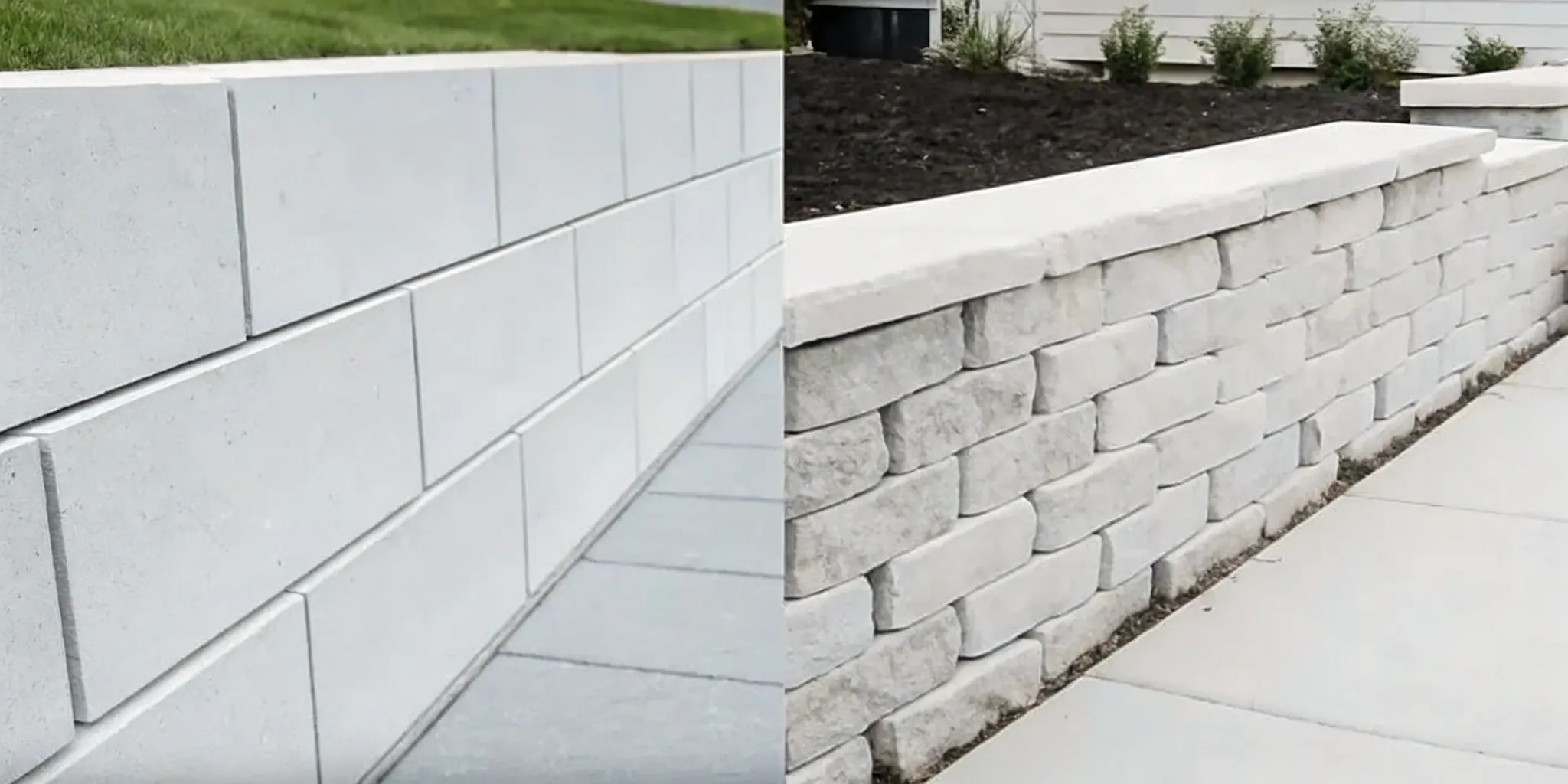
The biggest difference is how they’re built. Block walls are made by stacking individual, pre-cast concrete blocks, which is why they’re a common choice for smaller, DIY-style projects. Poured concrete walls are a different story. They demand the expertise of a professional hardscape and landscape contractor to build precise forms, install steel reinforcement, and manage the concrete pour. While block walls have visible seams and can shift slightly with the ground, a poured concrete wall is a single, rigid structure. This makes it the clear winner for taller walls or any situation where you need to hold back a serious amount of soil and want a clean, modern look.
Defining Features of Poured Concrete
The number one feature of a poured concrete wall is its sheer strength. As a single, monolithic structure reinforced with steel, it offers unmatched durability against the pressures of soil and water. This is why it’s the go-to for large-scale projects that need to perform without fail. This incredible durability also means it has a very long life—a properly installed poured concrete wall can easily last over 100 years, outliving most other materials by decades. As expert concrete contractors, we know this method provides a truly permanent solution for your landscape, giving you confidence that your investment will stand strong for generations to come.
Why Choose a Poured Concrete Retaining Wall?
When you’re planning a project that requires serious strength and a clean, modern aesthetic, a poured concrete retaining wall is often the best choice. While block walls are common, poured concrete offers a unique combination of durability, design freedom, and long-term value that is hard to beat. It’s more than just a functional structure; it’s a permanent, powerful addition to your property that solves complex landscaping challenges while looking great. Let’s get into the specific reasons why this method stands out.
Built to Last in Denver’s Climate
In the Denver metro area, we see it all—heavy snow, intense sun, and shifting soils. A poured concrete retaining wall is engineered to handle these exact conditions. Because it’s a single, solid structure reinforced with steel, it provides incredible strength and can last for over 100 years with minimal upkeep. This isn’t a temporary fix. It’s a permanent solution designed to hold back significant weight and resist the pressure from soil and water without shifting or failing. When you need a wall you can truly rely on for decades, poured concrete is the superior choice for our local climate.
Flexible Designs for Your Unique Style
One of the best things about poured concrete is its design versatility. Unlike pre-made blocks, wet concrete can be poured into custom forms, allowing for beautiful curves, sharp angles, and unique shapes that fit your landscape perfectly. You aren’t limited to a standard look. The surface can be finished with a modern smooth texture, a stamped pattern that mimics stone, or even a wood-grain look. This flexibility means your retaining wall can become a seamless part of your overall outdoor living spaces, matching your home’s style and enhancing its curb appeal instead of just being a functional barrier.
A Smart Investment for Your Property
A well-built retaining wall does more than just hold back soil—it adds real value to your home. By turning a steep, unusable slope into a flat, functional area, you create more space for a patio, garden, or lawn. This not only improves your property’s usability but also its market value. Because poured concrete walls are so durable and long-lasting, they are seen as a premium feature. Hiring an expert concrete contractor to install one is a smart, one-time investment that pays off by preventing erosion, expanding your living area, and adding a polished, high-end look to your landscape.
How Poured Concrete Retaining Walls Are Built
Building a poured concrete retaining wall is a bit like baking a complex cake from scratch—it requires the right ingredients, precise measurements, and a lot of patience. It’s a process that blends raw strength with careful craftsmanship. From the moment we break ground to the final curing phase, every step is designed to create a structure that’s not only beautiful but also incredibly strong and durable. Unlike stacking blocks, this method creates a single, solid piece of concrete, custom-formed to fit your landscape perfectly.
The process involves three main stages: preparing the site, building the mold, and finally, the concrete pour itself. Each phase is critical. A solid foundation ensures stability, properly set forms define the wall’s final shape and finish, and a carefully managed pour and cure guarantee maximum strength. It’s a testament to how a few simple materials—cement, sand, gravel, and steel—can be transformed into a powerful and permanent feature of your property. Seeing it come together is a fascinating process that highlights why professional expertise is so important for a lasting result.
Preparing the Groundwork
Before any concrete can be poured, we have to get the site ready. This starts with clearing the area, removing any grass, plants, and topsoil to reach stable ground. Once we have a clean slate, the most important step is digging the trench for the footings. These are the wide bases that anchor the entire wall to the earth. In the Denver area, we have to be mindful of the frost line, so we dig deep enough to ensure the footings won’t shift during freeze-thaw cycles. This solid foundation is what gives a poured concrete wall its incredible stability and prevents future movement or cracking.
Setting the Forms and Reinforcement
With the groundwork laid, the next step is to build the skeleton and mold for your wall. We construct temporary walls, called forms, that will hold the wet concrete and give it its shape. This is where the artistry comes in, as the forms determine the wall’s final dimensions, texture, and lines. Inside these forms, we place a grid of steel reinforcing bars, or rebar. This steel framework acts as a powerful internal skeleton, giving the concrete the tensile strength it needs to withstand immense pressure from the soil behind it. This combination of concrete and steel is what makes our concrete contractor work so resilient.
The Pour and Curing Phase
This is the moment it all comes together. We pour the liquid concrete into the forms, making sure it fills every corner and surrounds the rebar completely. For taller walls, this is often a two-step process: we pour the footings first and let them set before pouring the wall itself. Once poured, the concrete doesn’t just “dry”—it goes through a chemical process called curing. This phase is crucial for developing the wall’s full strength and durability. We carefully manage the conditions to ensure it cures properly, which can take several days. After the curing period, the forms are removed to reveal a solid, seamless retaining wall, ready to stand strong for decades.
Key Factors for a Flawless Installation
A poured concrete retaining wall is more than just a barrier; it’s an engineered structure designed to hold back immense pressure from soil and water. Its success doesn’t just depend on the quality of the concrete mix, but on the expertise behind the installation. Every step, from the initial excavation to the final curing, plays a critical role in ensuring the wall stands strong for decades. Cutting corners on any of these key factors can lead to cracks, bowing, or even complete failure down the road.
This is why professional installation is non-negotiable. An experienced hardscape and landscape contractor understands the unique challenges of the Denver metro area’s soil and climate. We don’t just pour concrete; we build a system. This involves meticulous planning for water management, precise calculations for wall dimensions, and a deep understanding of how to create a foundation that can withstand our region’s freeze-thaw cycles. These details are what separate a temporary fix from a permanent, beautiful addition to your property.
Getting Drainage Right
Water is the number one enemy of a retaining wall. When soil becomes saturated, it gets heavy and exerts incredible force—known as hydrostatic pressure—against the wall. Without a way for that water to escape, the pressure can build until the wall cracks or bulges. A flawless installation always includes a robust drainage system. This typically involves placing gravel behind the wall and installing weep holes or drain tiles. These features give water a path to flow away freely, relieving the pressure and keeping the soil stable. This single step is the most important factor in preventing wall failure.
Wall Height and Thickness Considerations
A retaining wall’s strength comes from its mass and design, and there’s no one-size-fits-all answer for its dimensions. The height of the wall directly influences how thick its base needs to be to remain stable. Taller walls require a wider, heavier base to counteract the greater force they need to hold back. The main part of the wall, or the stem, also needs to be substantial enough—generally at least 12 inches thick—to allow the concrete to be placed correctly and achieve its full strength. As your trusted concrete contractor, we carefully calculate these dimensions for every project to ensure your wall is built for the specific demands of your landscape.
Building a Solid Foundation
Just like a house, a retaining wall is only as strong as its foundation. For a poured concrete wall, this means starting with a solid concrete footing buried deep in the ground. In the Denver area, it’s absolutely essential that this footing extends below the frost line—the depth to which the ground freezes in winter. If the footing is too shallow, the moisture in the soil can freeze, expand, and heave the wall upwards, causing it to shift and crack. A properly dug footing, typically at least two feet deep, anchors the wall securely and protects it from the powerful forces of our seasonal freeze-thaw cycles.
Poured Concrete vs. Block Walls: A Head-to-Head Comparison
When you’re planning a retaining wall, the two main contenders you’ll hear about are poured concrete and concrete blocks. While both can get the job done, they have distinct differences that can make one a much better fit for your project, budget, and long-term goals. Think of it like choosing between a custom-tailored suit and a high-quality one off the rack—both are great, but one is specifically crafted for a perfect, seamless fit.
Poured concrete walls are monolithic, meaning they are one solid, continuous structure. This gives them incredible lateral strength, making them the go-to for holding back significant amounts of soil or supporting heavy loads. Block walls, on the other hand, are built from individual concrete masonry units (CMUs) stacked and often held together with mortar. While effective, the joints between blocks can become potential weak points over time. Making the right choice from the start ensures your investment not only looks great but also performs flawlessly for decades. Understanding how they stack up in terms of strength, cost, and installation will help you make a confident decision for your Denver home. Let’s break down the key differences so you can see which material truly comes out on top for your needs.
Strength and Durability
When it comes to sheer strength, a poured concrete wall is the undisputed champion. Because it’s created as a single, solid piece reinforced with steel rebar, it has no joints or seams that could weaken under pressure. This makes it exceptionally resistant to the lateral forces from soil and water, which is a major plus in the Denver area where freeze-thaw cycles can test any structure. A properly installed poured concrete wall can easily last over 100 years, making it a permanent fixture of your landscape. Block walls are strong, but their strength depends on the mortar and the skill of the installer. Over decades, those joints can be susceptible to moisture and pressure, potentially leading to cracks or failure. For heavy-duty applications, the solid strength of poured concrete is unmatched.
Cost and Long-Term Value
Let’s talk budget. Poured concrete walls typically have a higher upfront cost than block walls. The process is more labor-intensive, requiring excavation, formwork, rebar installation, and the concrete pour itself. However, it’s important to look at this as a long-term investment. Because of its incredible durability and minimal maintenance needs, you’re paying for a solution that will stand for generations without needing costly repairs. Block walls might be less expensive initially, but they can require maintenance like tuckpointing down the road. When you factor in the longevity and peace of mind, the value of a poured concrete wall becomes clear. To understand the specifics for your project, it’s always best to get a detailed quote from a professional.
Installation and Upkeep
The installation process for a poured concrete wall is a job for the pros. It involves precise steps: building wooden forms to hold the liquid concrete, placing a grid of steel rebar inside for reinforcement, and ensuring proper drainage systems are integrated to manage water pressure. Once the concrete is poured, it needs time to cure and gain its full strength. This process is more complex and time-consuming than stacking blocks, but it’s what creates that seamless, powerful structure. The best part? Once it’s built correctly, upkeep is practically zero. There are no mortar joints to inspect or repair, making it one of the most low-maintenance options for creating beautiful outdoor spaces.
Are There Any Downsides?
Poured concrete retaining walls are an incredible choice for strength and style, but it’s always smart to look at the full picture before starting a project. Being aware of the potential challenges helps you plan properly and ensures you’re thrilled with the final result. Let’s walk through a few considerations to keep in mind.
Upfront Investment and Professional Help
One of the first things to consider is the budget. Poured concrete walls typically have a higher upfront cost compared to their segmental block counterparts. The process is more labor-intensive, requiring specialized forms, reinforcement, and expertise. The final price tag will depend on the size of your wall, the complexity of your property’s slope, and any custom finishes you choose. While it’s a fantastic long-term investment, the initial outlay is something to plan for. Working with a professional team ensures you get a clear, honest quote that covers every detail from start to finish.
Construction and Weather Delays
Building a poured concrete wall is a precise craft that can’t be rushed. The process involves careful site preparation, building sturdy forms, and then waiting for the perfect conditions to pour the concrete. Here in the Denver area, unpredictable weather can sometimes throw a wrench in the schedule. A sudden cold snap, heavy rain, or snow can delay a pour or affect the crucial curing process. An experienced hardscape and landscape contractor knows how to work with the forecast and build a realistic timeline, but it’s good to have a little flexibility in your expectations.
Why This Isn’t a DIY Project
While I love a good weekend project, building a poured concrete retaining wall is one job that’s best left to the pros. It involves much more than just mixing and pouring. You have to construct precise wooden forms to hold the immense weight of wet concrete and know exactly how to place steel rebar for internal strength. A small mistake in the foundation, drainage, or reinforcement can lead to cracking, bowing, or even complete failure down the road. For a structure this critical to your landscape’s safety and stability, hiring an expert concrete contractor is the only way to guarantee it’s done right.
Is a Poured Concrete Wall Right for You?
Deciding between a poured concrete wall and a block wall comes down to your specific needs, property, and vision. While block walls have their place, poured concrete is often the superior choice for projects that demand serious strength, design flexibility, or have to contend with challenging landscapes. If you find yourself nodding along with any of the scenarios below, a poured concrete retaining wall is likely the perfect fit for your home.
For Large-Scale or High-Load Projects
If your project involves holding back a significant amount of soil or supporting heavy structures like a driveway, patio, or tiered garden, poured concrete is the undisputed champion. Poured concrete retaining walls provide maximum strength and durability, making them ideal for high-load or large-scale projects. Because it’s a single, solid structure reinforced with steel rebar, a poured wall can handle immense pressure without shifting or failing. This makes it the go-to solution for any situation where structural integrity is your top priority.
When You Want a Custom, Modern Look
Poured concrete offers a level of design freedom that block walls simply can’t match. These walls can be customized into various shapes, including elegant curves, and can be finished with different textures or left perfectly smooth for a clean, modern aesthetic. This versatility allows you to create a retaining wall that’s not just functional but also a beautiful design element in your landscape. Whether you envision a sleek backdrop for your outdoor living space or a winding wall that complements your garden beds, poured concrete can bring your unique vision to life.
For Taller Walls and Major Slopes
Here in the Denver metro area, many properties have to manage slopes and uneven terrain. When you need a retaining wall that’s more than a few feet tall, poured concrete is the safest and most reliable option. Poured concrete is superior for high, structural walls where maximum strength is essential. Its solid, monolithic form provides the stability needed to safely hold back large amounts of earth. For any significant grade change or taller wall, trusting a professional concrete contractor to install a poured wall ensures a secure and long-lasting solution for your landscape.
Common Uses for Poured Concrete Retaining Walls
Poured concrete retaining walls are incredibly versatile, solving some of the most common challenges for homeowners in the Denver metro area. From creating usable flat space on a sloped yard to protecting your property from water damage, these structures are functional workhorses. They provide the strength needed for demanding jobs where other materials might fall short, making them a go-to solution for a variety of practical and aesthetic applications in modern landscapes.
Landscaping and Preventing Erosion
If your property has hills or slopes, you know how challenging it can be to maintain a garden or prevent soil from washing away during a heavy downpour. A poured concrete retaining wall acts as a powerful barrier, holding soil in place and stopping erosion in its tracks. This allows you to create beautiful, terraced garden beds or a level lawn where one wasn’t possible before. Because of their immense strength and durability, these walls are perfect for large-scale hardscape and landscape contracting projects, ensuring your landscape design remains stable and beautiful for decades.
Supporting Driveways and Patios
Poured concrete walls provide the structural support needed for heavy features like driveways, patios, and walkways. When reinforced with steel, they can easily bear the weight of vehicles or a fully furnished patio without cracking or shifting over time. This is especially useful for properties where you need to build up a level surface for a new driveway or want to install a patio on a sloped part of your yard. By creating a solid, stable edge, a retaining wall ensures your outdoor living spaces are safe, functional, and built to last.
Managing Water and Drainage
Water can be one of the biggest threats to your property, leading to soil erosion and foundation issues. Poured concrete retaining walls are an excellent tool for managing water runoff. When installed correctly by a professional concrete contractor, they include drainage systems like weep holes or drain tiles that allow water to pass through safely. This prevents hydrostatic pressure from building up behind the wall, which is a leading cause of failure. By redirecting water away from your home’s foundation and other structures, a retaining wall helps keep your property dry and secure.
Caring for Your Concrete Retaining Wall
One of the best things about a poured concrete retaining wall is how little maintenance it requires. These structures are built to be incredibly durable and self-sufficient. However, a little proactive care will ensure your wall looks great and functions perfectly for decades. Taking a few minutes each season to check on your wall is the best way to protect your investment and keep your outdoor space looking its best. Think of it less as a chore and more as a simple check-up to ensure everything is in top shape.
Simple Inspection Tips
A quick visual inspection a couple of times a year, especially after the spring thaw, can help you spot potential issues before they become serious. Walk the length of the wall and look for any changes. Pay close attention to fine cracks, any sections that appear to be bulging, or any noticeable leaning. While some minor hairline cracks can be normal as concrete settles, larger or growing cracks might signal pressure building up behind the wall. If you see anything that concerns you, it’s always best to have a professional take a look. A quick check now can prevent a much bigger headache later.
Cleaning and Sealing for Longevity
Keeping your concrete wall clean is usually as simple as rinsing it with a garden hose to remove dirt and debris. For tougher spots, a stiff brush and a mild detergent will often do the trick. To give your wall an extra layer of defense against Denver’s weather, consider applying a high-quality concrete sealer every few years. Sealing helps protect the concrete from moisture penetration, which is especially important during our freeze-thaw cycles. It also makes the surface resistant to stains, keeping your wall looking fresh and new. This simple step is a fantastic way to preserve the integrity and appearance of your outdoor living space.
Catching Small Issues Early
Beyond the wall itself, pay attention to the area around it. Make sure the drainage systems, like weep holes or gravel drains, are clear of leaves, soil, and other debris. Proper drainage is the single most important factor in a retaining wall’s long-term stability, as it prevents water pressure from building up. Also, pull any weeds or saplings that sprout up along the base of the wall. Their root systems can work their way into tiny crevices and cause damage over time. These small, proactive steps are key to ensuring your concrete retaining wall stands strong for a lifetime.
Related Articles
Frequently Asked Questions
How long does it take to build a poured concrete retaining wall? The timeline can vary quite a bit depending on the size and complexity of the wall. A smaller, straightforward project might take a week or two, while a larger, more intricate wall could take several weeks. The process includes excavation, building the forms, setting the steel, and allowing for proper curing time, which can’t be rushed. Weather in the Denver area can also play a role, so we always build a realistic schedule that accounts for the necessary steps to get the job done right.
Can a poured concrete wall have a decorative look, or is it just plain gray? Absolutely! You are not stuck with a plain industrial look unless that’s what you want. The beauty of poured concrete is its versatility. The forms used to shape the wall can have textures built into them to create patterns that mimic stone, brick, or even wood grain. We can also add color directly into the concrete mix for a permanent, integrated hue that won’t chip or fade.
Why is proper drainage so important for a retaining wall? Water is the single biggest threat to any retaining wall. When soil behind the wall gets saturated with rain or snowmelt, it becomes incredibly heavy and exerts immense pressure. Without a path to escape, that water pressure can cause the wall to bow, crack, or even fail. A professional installation always includes a drainage system, like gravel backfill and weep holes, to relieve this pressure and channel water safely away, ensuring the wall’s stability for a lifetime.
Is a poured concrete wall really worth the higher initial cost? While the upfront investment for a poured concrete wall is typically higher than for a block wall, its long-term value is unmatched. You are paying for a permanent, structural solution that can last for over a century with virtually no maintenance. Because it’s a single, steel-reinforced structure, you won’t have to worry about future repairs or replacements. It’s a one-and-done investment that adds significant stability and usability to your property.
Do I need a permit to build a retaining wall in the Denver area? Generally, yes. Most municipalities in the Denver metro area require a permit for retaining walls over a certain height, often four feet. The permitting process ensures the wall is designed and built to meet local safety and engineering standards. As part of our service, we handle the entire permitting process for you, making sure your project is fully compliant with all regulations.