


As the air turns crisp and we settle into winter in Colorado, your landscape remains an important part of your home’s overall appeal and health. At Faros Construction Services, we believe that winter preparation is the key to spring success. Here’s a simple, step-by-step plan to keep your sod, plants, trees and irrigation system in top shape, ensuring your yard comes back stronger and more vibrant when the warmer weather returns.
1. Give your sod a final mow and clean-up
Before the first major freeze, mow your turf at a slightly lower height than during peak summer (but not too low — you still want a protective grass canopy). Remove fallen leaves, branches and debris so the grass can breathe and sunlight can reach where needed. A clean surface helps avoid disease or mold under snow cover.
2. Fertilize lightly (if appropriate for your grass type)
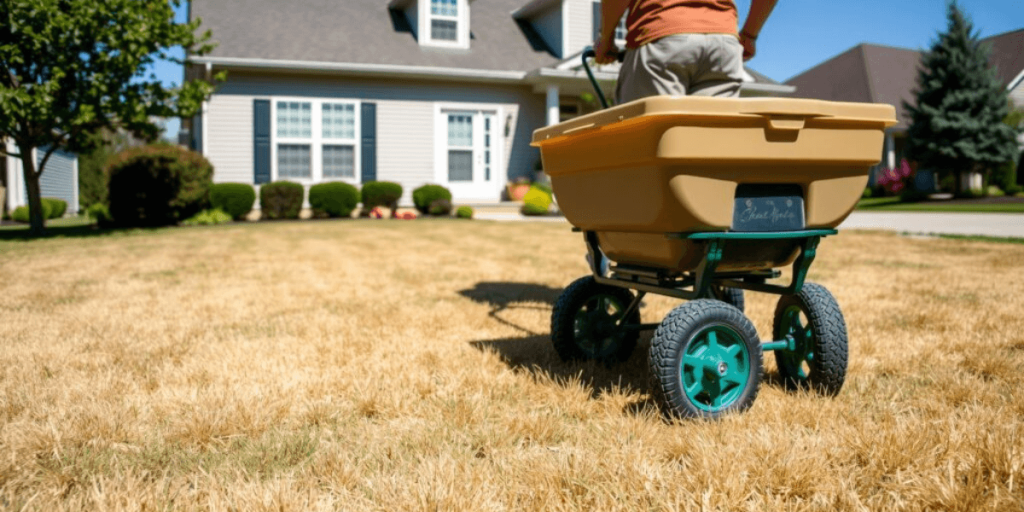
Depending on your turf variety, applying a light winterizing fertilizer can give your grass a nutrient boost so it enters dormancy with reserves. Be sure to follow product guidelines and choose a fertilizer suited for your region’s winter. If you’re unsure, our team is happy to help you determine the best approach.
3. Irrigation shutdown: flush and protect
Since freezing temperatures are on their way, you’ll want to shut off and drain irrigation zones that won’t be operating through the winter. This includes:
- Turning off the main water supply to the irrigation system.
- Blowing out remaining water from lines (if your system allows).
- Covering backflow preventers and exposed valves with insulation or protective enclosures.
Protecting your system now avoids cracked pipes, broken valves and costly repairs in spring.
4. Prune trees and shrubs carefully
Winter is a good time to prune dead, diseased or damaged branches from trees and shrubs. This helps reduce the risk of breakage under heavy snow or ice and prevents disease spread. For more delicate plants, skip major pruning and instead apply a light mulch or protective wrap as needed.
5. Protect plants and beds
For perennial plants, shrubs or landscaped beds:
- Apply a fresh layer of mulch (2-3 inches) around the root zone to insulate soil and protect roots from freeze/thaw cycles.
- Consider wrapping sensitive shrubs with burlap if heavy snow and winds are expected.
- Remove or relocate potted plants that are vulnerable to frost.
6. Inspect and repair landscape features
Before winter fully sets in, walk your yard and inspect any hardscape, edging, or irrigation heads and lines. Make sure heads are aligned, sprayers aren’t leaking, and edging stones haven’t shifted. Addressing small issues now saves frustration later.
7. Plan ahead for spring
While you’re preparing for winter, jot down notes of any trouble spots: patches where sod thinned this past year, plants that struggled, or irrigation zones with low coverage. Create a “spring wish list” so when warmer days return you can hit the ground running.
Final thoughts
By giving your landscape this kind of attention now, you’re investing in easier maintenance, fewer surprises, and a healthier yard that comes alive when the thaw happens. If you’d rather have expert help with any of these steps—from irrigation system winterizing to tree pruning and winter hardscape prep—our team at Faros Construction Services is ready to assist and make sure you’re covered with confidence.