
You’ve probably seen stamped concrete without even realizing it. That gorgeous slate walkway or rustic wood-plank patio might have been concrete all along. This versatile material allows you to get a custom, high-end look that perfectly suits your home’s style, all while providing a durable, long-lasting surface for your outdoor life. For homeowners in the Denver metro area, it’s an ideal choice that stands up to our unique weather. But achieving that flawless finish requires a specific set of skills. This article will cover the entire process, from design to maintenance, and show you how to choose expert stamped concrete patio installers who can bring your vision to life.
Key Takeaways
- Vet your contractor thoroughly: The quality of your patio depends entirely on the installer’s skill, so make sure you confirm their local license and insurance, and always ask to see examples of their previous stamped concrete projects.
- Focus on the foundation, not just the finish: A stunning pattern won’t last on a weak base, so ask potential installers detailed questions about their process for site preparation, grading for drainage, and professional sealing.
- Plan for simple, long-term care: Your stamped concrete patio is built to last, but it needs a little help, so keep it looking new by cleaning it seasonally and resealing it every few years to protect it from the elements.
What is Stamped Concrete (and Why Is It Perfect for Patios)?
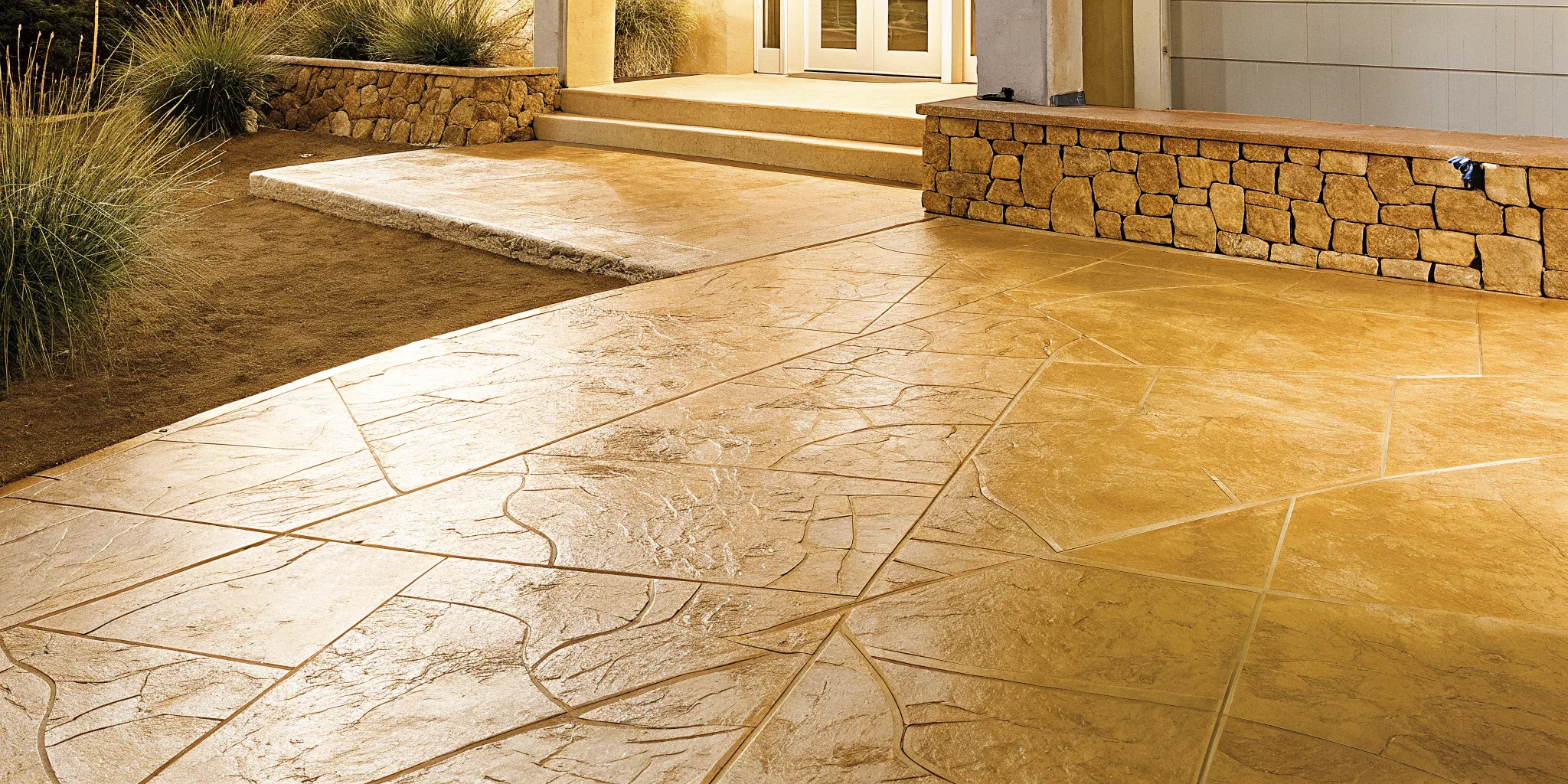
Have you ever admired a patio that looked exactly like natural slate, cobblestone, or even rustic wood planks, only to find out it was actually concrete? That’s the magic of stamped concrete. It’s a versatile and creative technique where freshly poured concrete is imprinted with a pattern or texture to mimic more expensive materials. For homeowners in the Denver metro area who love their outdoor spaces, it’s a fantastic way to get a high-end look that’s built to handle our unique climate.
From expansive patios perfect for summer barbecues to winding garden walkways, stamped concrete offers a blend of beauty, durability, and value. It gives you the creative freedom to design an outdoor living space that perfectly complements your home’s style without the drawbacks and upkeep of materials like wood or individual pavers. Let’s look at what makes it such a popular choice.
The Benefits of a Stamped Concrete Patio
One of the biggest draws of a stamped concrete patio is its incredible design flexibility. You can achieve the rich, upscale appearance of natural stone or classic brick with a wide array of patterns and colors to choose from. This means you can get a custom look that fits your vision and your budget. Beyond its good looks, stamped concrete is exceptionally durable. It stands up to heavy foot traffic, patio furniture, and Denver’s challenging weather cycles, from intense sun to heavy snow. And unlike pavers, there are no joints where weeds can grow. Best of all, it’s wonderfully low-maintenance; a simple cleaning and periodic resealing will keep it looking beautiful for years to come.
How Stamped Concrete Compares to Other Materials
When you’re planning a new patio, you have plenty of materials to consider. While natural stone and pavers are beautiful, they often come with a higher initial investment and more intensive installation. Stamped concrete delivers a similar aesthetic for a more approachable amount. Compared to a traditional wood deck, a concrete patio won’t splinter, rot, or require seasonal staining to protect it from the elements. It provides a solid, long-lasting foundation for your outdoor activities. This durability makes it an excellent long-term value, giving you a beautiful patio that lasts without the constant upkeep required by other materials.
Busting Common Stamped Concrete Myths
A few misconceptions about stamped concrete sometimes make homeowners hesitate. The most common one is that it cracks easily. While any concrete can develop cracks, this issue is almost always tied to improper installation, not the material itself. A professional concrete contractor knows how to prepare the base, use the right concrete mix, and place control joints correctly to manage potential cracking. Another myth is that the surface is slippery. We can easily add a non-slip additive to the sealer, which creates a safe, textured surface that’s perfect for poolside areas and family patios. With proper installation and sealing, your stamped concrete will remain a stable, beautiful, and safe surface for decades.
Breaking Down Your Stamped Concrete Patio Quote
When you receive a quote for your new stamped concrete patio, it can feel like you’re trying to read a different language. But understanding what goes into the final number is the best way to feel confident in your investment. A detailed quote should clearly outline every part of the project, from the materials used to the labor involved. Think of it as a roadmap for your project. It helps you see exactly where your money is going and ensures there are no surprises along the way. Let’s walk through the key components you should expect to see.
Key Factors That Shape Your Quote
No two stamped concrete patios are exactly alike, and your quote will reflect the unique details of your project. The most significant factors are the size of the patio, its shape, and how intricate the design is. A large, sprawling patio will naturally require more materials and labor than a small, simple square. Similarly, a complex pattern with multiple colors and custom borders demands more skill and time from the crew. The condition of your property also plays a role. If your yard needs significant grading or an old patio has to be demolished and hauled away, that will be factored into the scope of work.
What’s Included? Materials, Labor, and More
A comprehensive quote breaks down the entire project into clear line items. You should see a detailed list of materials, which includes the concrete itself, the color hardeners, release agents for the stamps, and the final protective sealant. Labor is another major component, covering the team’s time for every step, from preparing the site to the final cleanup. A quality concrete contractor will always include sealing in their process. A stamped concrete patio needs to be sealed to protect it from moisture, UV damage, and staining, ensuring it stays beautiful for years. Make sure this crucial step is clearly listed in your agreement.
What to Know About Denver-Area Projects
Building anything in the Denver metro area means accounting for our unique climate and soil. Your patio isn’t just a slab of concrete; it’s an engineered system designed to last. The concrete mix itself is specially formulated to handle local weather conditions, especially our freeze-thaw cycles, making it incredibly durable. Proper site preparation is also critical here due to our expansive soil. A professional installer will create a stable base to prevent shifting and cracking down the road. When you work with a local expert, you’re getting a team that understands how to build beautiful outdoor living spaces that are made to withstand everything Colorado weather throws at them.
How to Choose the Right Stamped Concrete Installer
Finding the right team for your stamped concrete project is just as important as choosing the perfect pattern and color. The quality of the installation determines whether your patio will be a stunning, long-lasting feature or a source of future headaches. A great installer combines technical skill with an artistic eye to create a beautiful and durable surface. When you know what to look for, you can confidently select a concrete contractor who will bring your vision to life and ensure your investment is protected for years to come. Let’s walk through the key things to check before you hire anyone.
Qualifications and Certifications to Look For
First things first, you need to make sure any contractor you consider is properly licensed to work in the Denver metro area. While Colorado doesn’t have a statewide license for general contractors, specific municipalities have their own requirements. A professional installer will have the right local licenses and be happy to provide them. Also, look for certifications from industry organizations. These show a commitment to ongoing education and high standards. A qualified team understands local building codes and soil conditions, ensuring your patio is built correctly from the ground up.
Why Experience and Specialization Matter
Stamped concrete is part art, part science. It requires a different skill set than pouring a simple slab or foundation. You want a contractor who specializes in decorative concrete, not just a generalist who does it on the side. When vetting potential installers, ask to see a portfolio of their previous stamped concrete work. If you want a specific look, like an ashlar slate or wood plank pattern, make sure they have successfully completed similar projects. An experienced specialist will know how to properly mix colors, apply release agents, and time the stamping process perfectly for a crisp, clear impression.
Always Verify Insurance and Licensing
This step is non-negotiable. A reputable contractor will carry both general liability insurance and worker’s compensation. General liability protects your property from accidental damage during the project, while worker’s compensation covers the crew in case of injury. Without this coverage, you could be held financially responsible for accidents. Don’t just take their word for it; ask to see their certificates of insurance. Hiring an uninsured contractor is one of the biggest mistakes homeowners make, and it’s a risk you don’t want to take.
Red Flags to Watch Out For
Be wary of any contractor who gives you a vague contract or a quote that seems too good to be true. A professional proposal will clearly outline the project scope, materials, timeline, and total investment. Another red flag is a contractor who dismisses the importance of site preparation. A beautiful stamped surface can quickly fail if the base underneath isn’t properly compacted and graded. If an installer focuses only on the surface pattern and glosses over the foundational work, it’s best to walk away. High-pressure sales tactics or demands for a large upfront cash payment are also clear warning signs.
Finding the Best Stamped Concrete Contractors in the Denver Metro Area
Finding the right team for your stamped concrete project is the most important step in bringing your vision to life. You want a contractor who not only understands the technical side of things but also shares your commitment to quality and has a proven track record in the Denver metro area. A great installer will be your partner in the process, ensuring the final result is exactly what you dreamed of.
The key is to do your homework. Taking the time to research and vet potential contractors will give you peace of mind and help you find a team you can trust to build a beautiful, long-lasting patio. Let’s walk through how to find the best fit for your home.
Where to Start Your Search
Begin your search by looking for local contractors who specialize in decorative concrete. A general concrete company might not have the artistic skill required for high-quality stamping. When you find a potential contractor, make sure they have extensive experience with the specific finish you want. A great way to do this is by asking to see examples of their previous work. A confident, experienced installer will be proud to show off their portfolio of projects. Look for consistency in their patterns, clean lines, and rich, even color. This will give you a clear idea of their craftsmanship and attention to detail.
How to Vet Reviews and References
Once you have a shortlist, it’s time to dig a little deeper. Online reviews are helpful, but talking to past clients is even better. Ask each contractor for a few references you can speak with to get a feel for their reliability and the quality of their work. This is a standard request, and a professional company should be happy to connect you with satisfied customers. You can also learn a lot about a company’s values and approach on their website. Getting to know the team behind the work can tell you a lot about their commitment to service and quality craftsmanship.
Comparing Quotes: What to Look For
When you start receiving estimates, it’s tempting to focus on the final number, but it’s important to look beyond that. Request a detailed breakdown of the scope of work from each contractor. This ensures you’re making an apples-to-apples comparison and that there are no hidden surprises. The quote should clearly outline every step, from site preparation and materials to labor and finishing touches. Be cautious of any contractor who can’t provide this level of detail or who lacks proper licensing and insurance. A detailed, transparent quote process is a sign of a professional and trustworthy company.
Key Questions to Ask a Potential Installer
Once you have a shortlist of potential installers, it’s time to have a real conversation. Think of this as an interview for a very important job at your home. The answers you get will reveal a lot about a contractor’s professionalism, experience, and commitment to quality. Asking the right questions before you sign a contract can help you avoid misunderstandings and ensure your project runs smoothly from start to finish. Here are the essential topics to cover with any potential installer to make sure you’re hiring a true professional for your stamped concrete patio.
Project Timeline and Scheduling
One of the first things you’ll want to know is, “When can you start the work?” A contractor’s availability can vary, so understanding their schedule is key to planning your project. Beyond a start date, ask for an estimated completion date and what a typical workday looks like. Will they be on-site every day? How do they handle potential weather delays, which are always a factor in the Denver area? A professional installer should be able to give you a clear and realistic project timeline and explain their process for communicating any changes or delays, ensuring you’re always kept in the loop.
Warranties and Future Maintenance
A beautiful new patio is an investment, so you want to know it’s protected. Ask every potential contractor what kind of warranties they offer. A reputable company will stand behind their work with a workmanship warranty, which covers issues related to the installation itself. It’s also smart to ask about the maintenance your new patio will need to keep it looking great. Inquire about their recommendations for cleaning and how often the patio should be resealed. Some companies may even offer maintenance services, which is a great way to ensure the long-term durability of your outdoor living space.
Material Quality and Sourcing
Not all concrete is created equal. The quality of the materials used will directly impact the durability and appearance of your patio for years to come. Ask the contractor about the concrete mix they use and if it includes reinforcements like rebar or fiber mesh, which are crucial for strength and crack prevention. You should also inquire about the quality of their color hardeners, release agents, and sealants. A high-quality sealant is especially important for protecting the surface from wear, tear, and Denver’s freeze-thaw cycles. A contractor who is proud of their work will be happy to explain why they choose specific high-quality materials.
Site Prep and Drainage Plans
A patio is only as good as the foundation it’s built on. Proper site preparation is arguably the most critical step for a long-lasting stamped concrete patio. Ask the contractor to walk you through their entire process for site prep. How will they handle excavation and grading? What is the depth of the gravel base they plan to install, and how will they compact it? Most importantly, discuss their plan for drainage. Proper grading ensures that water flows away from your home’s foundation, preventing potential water damage down the road. A detailed plan for site prep and drainage shows that a contractor is thorough and committed to building a structure that lasts.
Common Mistakes to Avoid When Hiring a Contractor
Choosing the right contractor is the most important step in bringing your patio vision to life. A great partnership leads to a beautiful, lasting result, while the wrong one can cause major headaches. To help you feel confident in your decision, let’s walk through a few common missteps homeowners make and how you can sidestep them for a smooth, successful project.
Don’t Skim the Contract Details
It’s easy to get excited and rush through the paperwork, but one of the biggest mistakes you can make is overlooking the contract details. A thorough contract is your project’s blueprint and your protection. It should clearly outline every aspect of the job, including the specific materials being used, a realistic timeline, and a clear payment schedule. Before you sign anything, read it carefully. If something seems vague or is missing, ask for clarification. A trustworthy contractor will be happy to walk you through the document and make sure you’re comfortable with every detail before any work begins.
Why the Lowest Quote Isn’t Always the Best
When comparing quotes, it’s tempting to jump on the lowest number. However, an unusually low quote can be a red flag. It might mean the contractor is using lower-quality materials, cutting corners on essential steps like site preparation, or isn’t properly licensed and insured. Choosing a qualified, licensed contractor might seem like a bigger initial investment, but it ensures your project meets local building codes and is built to last. Think of it as paying for quality and peace of mind, which will save you from unexpected repairs and expenses in the future.
Forgetting to Check Their Past Work
You wouldn’t hire someone for a job without checking their resume, and the same goes for a contractor. Always ask to see a portfolio of their previous projects. This is the best way to gauge their experience and see if their quality of work matches your expectations. Reputable installers will have a gallery of their work readily available. Don’t be shy about asking for references, either. Speaking with a few past clients can give you invaluable insight into what it’s like to work with their team and the quality of the final product.
Ignoring the Importance of Site Prep
A beautiful stamped concrete patio is only as strong as the foundation it’s built on. Neglecting proper ground preparation is a critical error that can lead to cracking, shifting, and an uneven surface over time. Proper site prep involves more than just clearing the area; it includes correct grading for drainage and compacting the sub-base to create a stable foundation. When interviewing potential installers, make sure to ask about their site preparation process. A detailed answer shows they understand how to build a durable, long-lasting concrete patio that you can enjoy for years.
What to Expect During Installation: A Step-by-Step Guide
Watching a professional crew install a stamped concrete patio is impressive. The process is a blend of science and artistry, requiring precision, timing, and a deep understanding of the materials. While every project is unique, the installation follows a proven sequence to ensure a beautiful and durable result. Knowing these steps helps you understand what’s happening in your backyard and appreciate the craftsmanship involved. A great concrete contractor will walk you through this process, but here’s a look at what you can expect from start to finish.
Step 1: Site Prep and Excavation
Before any concrete is poured, the groundwork must be perfect. This is arguably the most critical phase for ensuring your patio lasts for decades without shifting or cracking. The crew will start by clearing and excavating the designated area, removing grass, roots, and soft topsoil. They will then grade the site to ensure proper drainage away from your home’s foundation. Next, a base layer of gravel is added and compacted to create a stable, solid foundation. Finally, wooden forms are set around the perimeter to hold the wet concrete in the desired shape.
Step 2: Pouring the Foundation
With the site fully prepped, it’s time to pour the concrete. A professional team works with a high-quality concrete mix designed for the Denver climate, ensuring it has the right strength and durability. The concrete is poured into the forms and spread evenly throughout the space. The crew works quickly to level the surface using screeds and floats, creating a smooth, flat canvas. This step requires careful coordination, as the concrete begins to set relatively quickly. The timing has to be just right to move on to the next, more artistic phase of the project.
Step 3: Adding Color, Texture, and Pattern
This is where your patio starts to get its unique personality. While the concrete is still at the perfect stage of curing (not too wet, not too hard), the crew applies the primary color. This is often done with a color hardener, which is broadcast across the surface. A secondary, contrasting color is then applied using a release agent, which adds depth and prevents the stamps from sticking. Finally, the crew presses large, textured mats into the concrete to create your chosen pattern, whether it’s slate, brick, or stone. This requires a careful eye to ensure the pattern is seamless and realistic.
Step 4: Curing, Sealing, and Finishing
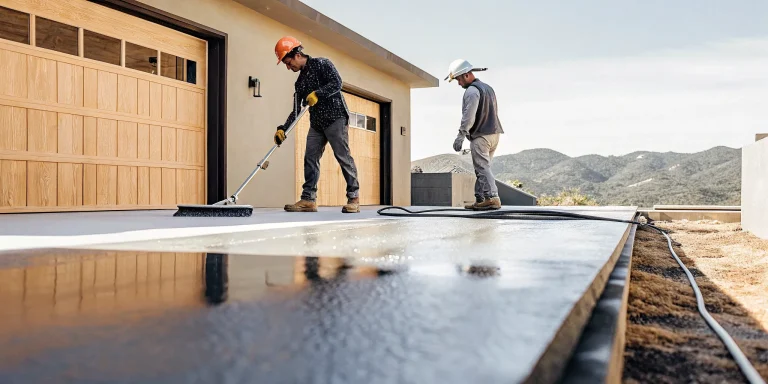
After the stamping is complete, the patio is left to cure. This process is essential for the concrete to gain its full strength. After a day or two, the crew will return to remove the forms and wash off the excess release agent, revealing the detailed texture and color variations. They may also cut control joints to direct any future cracking in a planned way. The final touch is applying a high-quality sealer. This protective layer makes the colors pop, guards against stains and moisture, and protects your beautiful new patio from the elements, ensuring you can enjoy your outdoor living space for years to come.
How to Prepare Your Home for Installation Day
Once you’ve chosen your contractor and set a date, the excitement really starts to build. A little preparation on your end can make a huge difference, ensuring the installation process is smooth and efficient for everyone involved. Taking a few simple steps before the crew arrives helps the project start on the right foot and keeps everything on schedule. Here’s a quick guide to getting your home ready for its big transformation.
Ensuring Clear Access for the Crew
Your installation team will need a clear, unobstructed path from the street to the project site. This is for moving heavy equipment, materials like rebar and concrete, and for the safety of the crew and your property. Before they arrive, take a walk through the access route. Move any vehicles from the driveway, relocate potted plants, garden hoses, and outdoor furniture. It’s also a great idea to make sure any gates can open fully and that children and pets are safely secured inside or away from the work area. A professional concrete contractor will appreciate the clear space, as it allows them to work more effectively and safely from the moment they get there.
Working With Denver’s Weather
If there’s one thing we know in the Denver metro area, it’s that the weather can change in an instant. While your contractor will schedule the installation during a favorable forecast, sudden rain, snow, or temperature drops can happen. A good installer will have a contingency plan, but it’s helpful for you to be flexible, too. Stay in communication with your project manager in the days leading up to the installation. They will monitor the weather closely and let you know if any adjustments are needed to protect the integrity of your new patio. This partnership ensures your project is completed under the right conditions for a beautiful, lasting result.
What You Need to Do Before They Arrive
On the day before installation, take a moment to review your contract one last time. Confirm that all the details, from the color and stamp pattern to the project timeline, match your discussions. This is also the perfect time to ask any final questions you might have. Don’t hesitate to confirm the crew’s arrival time or clarify where they plan to park. Having every detail outlined and agreed upon prevents misunderstandings and ensures the final product meets your expectations. When you’re ready to get started on your own project, you can always schedule a consultation to have all your questions answered upfront.
Maintaining Your New Stamped Concrete Patio
Your beautiful new stamped concrete patio is an investment in your outdoor lifestyle. Like any part of your home, a little routine care will keep it looking its best. The good news is that stamped concrete is incredibly durable and low-maintenance, especially with a quality installation. A solid foundation and professional sealing from the start prevent most common issues. Maintaining your patio comes down to a few simple steps: keeping it clean, protecting the surface with a sealer, and being mindful of how you use it. With a bit of attention each season, your patio will remain a stunning centerpiece for years to come.
How and When to Reseal Your Patio
Think of sealer as your patio’s first line of defense. It protects the concrete from moisture, UV rays that can fade the color, and everyday stains. Here in the Denver area, a quality sealer is especially important to guard against our intense sun and freeze-thaw cycles. We generally recommend you reseal your stamped concrete every one to three years, depending on foot traffic and sun exposure. A simple test is to sprinkle water on the surface; if it beads up, your sealer is working. If it soaks in, it’s time for a fresh coat.
Simple Cleaning and Stain Prevention Tips
Keeping your patio clean is one of the easiest ways to maintain its beauty. A regular sweep prevents dirt and leaves from grinding into the surface. For a deeper clean, use a garden hose, a gentle soap, and a push broom. Avoid harsh chemicals or wire brushes, as they can damage the sealer. To prevent stains, clean up spills from things like grease or wine as soon as they happen. A well-maintained patio is the foundation of any great outdoor living space, and these simple habits make all the difference.
Keeping Your Patio Beautiful for Years to Come
The long-term beauty of your patio begins with a professional installation, which minimizes cracking and ensures the pattern has a crisp finish. From there, consistent maintenance is key. Beyond cleaning and sealing, protect your patio by placing felt pads on heavy furniture and using plastic shovels for snow removal. Avoid de-icing salts, which can be corrosive to concrete and its sealer. Following these simple guidelines will ensure your patio remains a durable and attractive feature of your home, just like the many beautiful projects we’ve completed for homeowners across the Denver metro area.
Frequently Asked Questions
How long does a stamped concrete patio installation usually take? The timeline for a new patio depends on the size and complexity of your project. For a standard patio, the entire process from site preparation to final sealing typically takes about a week. This includes time for excavation, pouring the concrete, the stamping process itself, and allowing the concrete to cure properly before the final sealant is applied. Weather can also play a role, so a good contractor will keep you updated on the schedule.
Is stamped concrete slippery when it gets wet or icy? This is a common concern, but a professionally installed stamped concrete patio is designed to be safe. During the final sealing process, we can include a non-slip additive. This creates a slightly gritty, textured finish that provides excellent traction, even when the surface is wet. It gives you the beautiful look of stamped concrete with the peace of mind that it’s a safe surface for your family.
Will the color of my stamped concrete patio fade over time? With the right materials and proper care, your patio’s color will remain vibrant for years. We use high-quality color hardeners that are integrated into the surface, not just painted on top. The final sealant also contains UV inhibitors that act like sunscreen for your patio, protecting it from the intense Colorado sun. Periodic resealing is the key to maintaining this protection and keeping the colors looking rich and new.
Can you install stamped concrete over my old, cracked patio? While it might seem like an easy solution, pouring new concrete over an old, damaged slab is not recommended. Any cracks or instability in the old patio will eventually transfer to the new surface, leading to problems down the road. The best approach is to remove the old patio completely. This allows us to build a new, properly compacted foundation, ensuring your new stamped concrete patio is beautiful, stable, and built to last.
What is the most important thing I can do to keep my patio looking new? The single most effective thing you can do is have your patio resealed every few years. The sealer is what protects the concrete from moisture, stains, and sun damage. Over time, it naturally wears down. By applying a fresh coat of sealer on a regular schedule, you preserve the color and integrity of the concrete, keeping it in excellent condition for decades.