
For years, there was a misconception that luxury and sustainability were at odds. That you had to choose between high-end comfort and environmental responsibility. Today, that idea is completely outdated. The new standard for luxury living is found in sustainable estate homes, which masterfully blend sophisticated style with intelligent, eco-conscious design. These homes prove that true quality means building something that is not only beautiful but also healthy, efficient, and durable. Here in Denver, homeowners are discovering that the ultimate luxury is a home that provides unparalleled comfort while reflecting a commitment to a better, more responsible future.
Key Takeaways
- Invest in a Healthier, More Efficient Lifestyle: A sustainable home offers more than just environmental benefits; it provides tangible rewards like lower utility bills, cleaner indoor air from non-toxic materials, and a more comfortable living space.
- Look for Integrated, High-Performance Features: True sustainability is a complete system, not just a single feature. It combines eco-friendly materials, superior insulation, renewable energy like solar, and smart water conservation to create a home that works efficiently from the ground up.
- The Right Partner Makes It Achievable: Building a sustainable home is a clear process with an expert guide. A knowledgeable builder can help you navigate green financing options and tax incentives while ensuring every detail of your high-performance home is executed correctly.
What Is a Sustainable Estate Home?
The term “sustainable estate home” might sound complex, but the idea behind it is refreshingly simple. It’s about creating a beautiful, luxurious home that works in harmony with the environment, not against it. Think of it as the perfect blend of high-end comfort and thoughtful responsibility. These homes are designed from the ground up to minimize their environmental footprint through eco-friendly materials, energy-efficient systems, and smarter construction practices. It’s a holistic approach that goes beyond just adding a few solar panels. It considers the home’s entire lifecycle, from the initial design to daily living, resulting in a healthier space for you and a lighter impact on the planet.
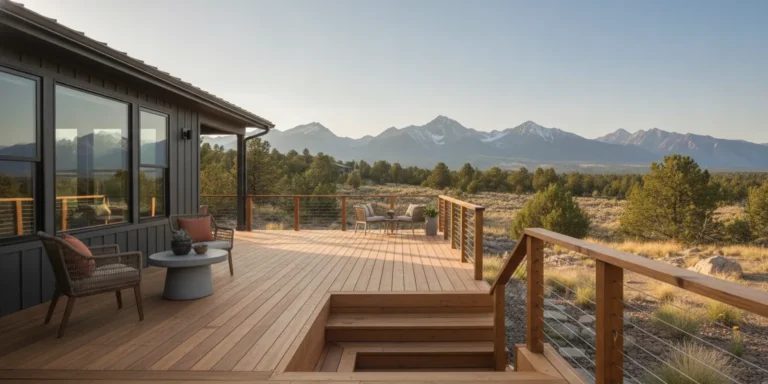
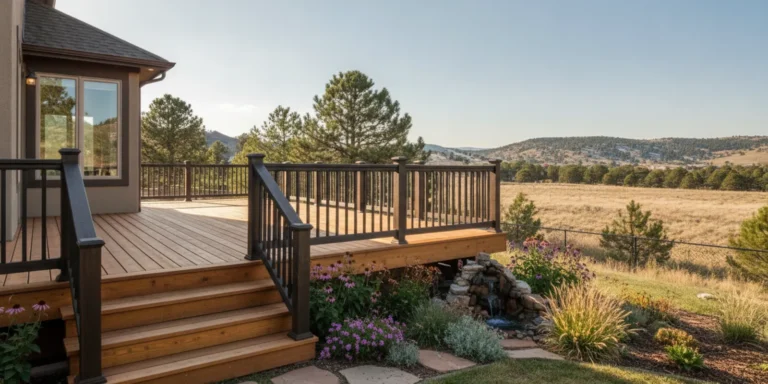
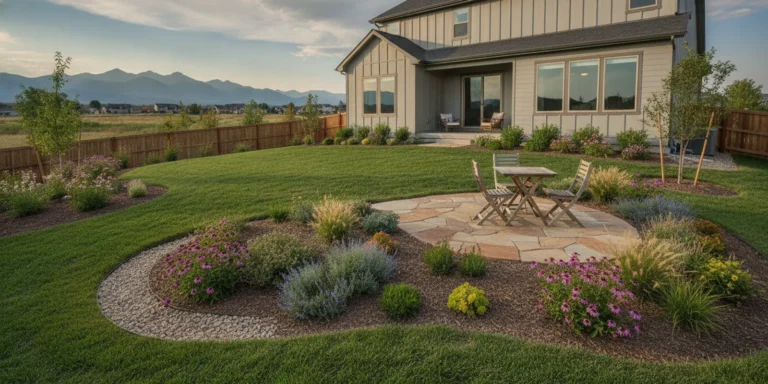
This philosophy of sustainability doesn’t stop at your front door. It naturally extends to your entire property, influencing everything from water-wise landscaping to the creation of beautiful and functional outdoor living spaces. The goal is to build a home that is not only a joy to live in but also a forward-thinking investment in your family’s well-being and the environment. It’s about proving that luxury and sustainability can, and should, go hand in hand.
Sustainable vs. Traditional Luxury Homes
When you picture a traditional luxury home, you might think of grand spaces and high-end finishes. A sustainable luxury home includes all of that, but it adds a crucial layer of intelligent design and environmental responsibility. The focus shifts from just aesthetics to long-term performance and health. According to experts in sustainable design, the goal is to build homes that are both comfortable and good for the environment by using eco-friendly practices.
Key differences include energy-saving features like superior insulation and high-performance windows that keep your home comfortable with less energy. Builders also prioritize durable, non-toxic, and responsibly sourced materials. Finally, smart home technology is integrated not just for convenience but to efficiently manage lighting, climate, and energy use, giving you more control over your home’s consumption.
Why Denver Homeowners Are Choosing Sustainable
It’s no surprise that homeowners across the Denver metro area are embracing sustainable building. This choice goes beyond just an environmental preference; it’s a practical decision with tangible benefits for your lifestyle and wallet. A major draw is the potential for lower utility bills. Because these homes are built to be incredibly energy-efficient, they simply require less power to heat and cool, which you’ll notice in your monthly statements.
Beyond the savings, there’s a significant wellness component. Sustainable homes are built with materials that are free of harmful chemicals and feature better ventilation, which improves indoor air quality and creates a healthier living environment for your family. Choosing to build a sustainable home is a powerful way to invest in your family’s future, reduce your environmental footprint, and create a legacy of responsible living.
Defining Features of a Sustainable Estate Home
A sustainable estate home is more than just a beautiful house; it’s a thoughtfully designed system where every element works together to create a healthier, more efficient, and environmentally responsible living space. These homes blend luxury with purpose, proving that you don’t have to sacrifice comfort or style to live lightly on the planet. From the foundation to the rooftop, specific features define this new standard of building. Understanding these key components will help you envision what’s possible for your own sustainable dream home in the Denver metro area.
It’s about making smart choices that benefit both your family and the environment, creating a legacy of quality and care. These defining features aren’t just add-ons; they are integral to the home’s design and function, ensuring long-term performance and satisfaction. Unlike traditional construction that often prioritizes speed and initial investment, sustainable building takes a holistic view. It considers the entire lifecycle of the home, from the sourcing of materials to its daily operation. This approach results in a home that not only looks and feels incredible but also performs better, offering superior air quality, consistent comfort, and lower operational expenses over its lifetime. Let’s look at the specific features that make these homes stand out.
Eco-Friendly and Recycled Building Materials
The character of a sustainable home starts with its bones. Instead of conventional options, builders use materials that are both durable and kind to the environment. This includes using reclaimed wood for stunning floors or ceiling beams, which gives a second life to beautiful timber and reduces deforestation. You’ll also find recycled metals and glass incorporated into countertops, windows, and doors. Even the finishes are chosen with care, using paints and sealants with low or zero volatile organic compounds (VOCs). This not only prevents harmful chemicals from off-gassing into your home but also contributes to cleaner air from day one. These material choices reduce waste, conserve natural resources, and build a home that is as healthy as it is beautiful.
Energy-Efficient Systems and Solar Power
A key goal of a sustainable home is to produce as much energy as it consumes. This is achieved through a combination of smart design and advanced technology. High-performance windows, superior insulation, and specially designed roofs work together to create a tight thermal envelope. This keeps your home comfortable year-round, dramatically reducing the need for heating in the winter and air conditioning in the summer. Many sustainable homes also incorporate renewable energy sources. Installing solar panels or geothermal systems allows you to generate your own clean electricity, which can significantly lower your monthly utility bills and reduce your reliance on the grid.
Smart Tech for Energy Management
In a sustainable home, technology works for you and the planet. Smart home systems are the brain behind the brawn of energy-efficient design, helping you manage your home’s energy consumption with ease. Imagine lights that automatically turn off when you leave a room or a smart thermostat that learns your schedule and adjusts the temperature for optimal efficiency. These integrated systems can control everything from lighting and climate to security and entertainment, all while providing real-time data on your energy usage. This not only adds a layer of convenience and safety to your life but also empowers you to make informed decisions that further reduce your home’s environmental footprint.
Water Conservation and Rainwater Harvesting
Water is one of our most precious resources, and sustainable homes are designed to protect it. Water-saving strategies are integrated throughout the house and landscape. Inside, you’ll find low-flow faucets, toilets, and showerheads that reduce water consumption without sacrificing performance. Outside, the focus is on smart irrigation and rainwater collection. Rainwater harvesting systems can capture runoff from your roof and store it for use in your garden, while smart sprinklers use weather data to water your landscape only when necessary. These features are especially important in the Denver area, helping to create a resilient home that works in harmony with our local climate.
Sustainable Landscaping and Outdoor Living
The principles of sustainability extend beyond the four walls of your home and into your yard. Sustainable landscaping focuses on creating beautiful, functional outdoor living spaces that are also ecologically sound. This often involves using native plants that are adapted to the local climate and require less water. It also includes features like green roofs, which provide insulation and manage stormwater, and permeable pavers for patios and walkways that allow rainwater to soak back into the ground. By thoughtfully designing your outdoor areas, you can reduce your water usage, support local wildlife, and create a seamless connection between your indoor and outdoor life.
The Benefits of Living in a Sustainable Home
Choosing to build a sustainable estate home is about more than just making an environmentally friendly choice; it’s about investing in a better quality of life. The benefits ripple through your daily routine, from the air you breathe to the money you save each month. These homes are designed from the ground up to be smarter, healthier, and more efficient. Think of it as a long-term strategy for comfort and financial well-being. In a place like the Denver metro area, where we appreciate both natural beauty and innovative living, a sustainable home just makes sense.
By integrating thoughtful design with modern technology, a sustainable home provides a superior living experience. It’s a space that works in harmony with its surroundings, consuming fewer resources while offering greater comfort and durability. When you partner with an experienced home builder, you’re not just constructing a house; you’re creating a legacy. You’re building a resilient, high-performance home that will serve your family for generations, all while reflecting your values. From lower monthly bills to a healthier indoor environment, the advantages are tangible and immediate. It’s a forward-thinking approach to homeownership that pays dividends in more ways than one.
Lower Utility Bills and Maintenance Needs
One of the most immediate and rewarding benefits of a sustainable home is the significant reduction in monthly utility bills. These homes are built with high-performance systems that drastically cut down on electricity and water use. Features like advanced insulation, energy-efficient windows, and modern HVAC systems work together to maintain a comfortable temperature year-round with minimal energy. This means you’ll stay warmer in the winter and cooler in the summer without the high utility statements. Similarly, water-conserving fixtures and smart irrigation for your landscaping reduce water consumption. This focus on efficiency and durable, high-quality materials also means you’ll likely spend less time and money on maintenance over the years.
Improved Indoor Air Quality and Comfort
The materials used to build your home have a direct impact on your family’s health. Sustainable homes are constructed with non-toxic, eco-friendly materials that contain few to no volatile organic compounds (VOCs). These compounds, often found in traditional paints, adhesives, and flooring, can compromise indoor air quality. By choosing sustainable materials, you create a healthier living space with cleaner air from day one. Beyond air quality, these homes offer a higher level of comfort. Superior insulation and airtight construction prevent drafts and create consistent indoor temperatures, while advanced ventilation systems ensure a constant supply of fresh, filtered air. It all adds up to a home that feels as good as it looks.
A Smaller Environmental Footprint
Living in a sustainable home means you are actively reducing your impact on the planet. The entire lifecycle of the home is designed to be environmentally responsible, from the initial build to daily living. This process starts with using recycled or sustainably sourced building materials and minimizing waste during construction. Once built, the home’s energy-efficient design means it consumes far less electricity and natural gas, reducing greenhouse gas emissions for years to come. Many sustainable homes also incorporate features like rainwater harvesting and native landscaping, which helps conserve water and support the local ecosystem. It’s a powerful way to live out your values and contribute to a healthier environment for the whole community.
Higher Resale Value and a Smarter Investment
A sustainable home is not just a responsible choice; it’s a financially savvy one. As more homebuyers prioritize efficiency and wellness, homes with green features are becoming increasingly sought after in the real estate market. This growing demand often translates to a higher resale value. A home that is proven to have lower utility bills and is built with durable, high-quality materials is a compelling proposition for any future buyer. By investing in sustainability now, you are positioning your property to stand out in the future. It’s an investment in a home that is not only less expensive to operate but is also more attractive to the next generation of homeowners.
Is a Sustainable Home Worth the Upfront Investment?
It’s the big question on every prospective buyer’s mind: does building a sustainable home make financial sense? While green homes often require a larger initial investment than their traditional counterparts, the story doesn’t end there. When you look at the complete picture, including long-term savings, available financing, and government incentives, a sustainable home often proves to be a very smart financial decision. The value extends far beyond the monthly utility statements; it’s an investment in a healthier lifestyle, a more comfortable living space, and a property that will stand out in the market for years to come. Thinking about the financial side is a crucial part of the planning process, and there are several avenues that make sustainable building more accessible than ever.
Balancing Upfront Investment with Long-Term Savings
An eco-friendly home is designed to be efficient from the ground up. This means lower utility bills from day one. Features like high-performance insulation, energy-efficient windows, and modern HVAC systems drastically reduce the amount of energy needed to heat and cool your home. Over time, these monthly savings add up, offsetting the initial outlay. Beyond the utility savings, sustainable homes often increase in value at a higher rate than traditional homes. You’re not just building a house; you’re creating a high-performance asset that is less expensive to operate and more appealing to future buyers.
Finding Green Mortgages and Loans
Financial institutions are increasingly recognizing the value of sustainable construction. Many now offer “green mortgages,” which are special loans designed to help you purchase or build an energy-efficient home. These can come with benefits like better terms or the ability to borrow more to cover green upgrades. Additionally, various government programs provide support to encourage sustainable building. You can find everything from low-interest loans to grants that make your project more attainable. When you start planning your build, it’s a great idea to explore these financing options with your lender to see what you qualify for.
Taking Advantage of Tax Credits and Incentives
Federal and state governments offer a variety of tax credits to homeowners who invest in green technology. For example, installing solar panels on your new home can make you eligible for a significant tax credit, which directly reduces the amount you owe on your taxes. These incentives are designed to make renewable energy more accessible and can substantially lower the effective amount you invest in your home’s sustainable features. The available tax credits and incentives can change, so working with a builder who understands the current landscape is key to maximizing your benefits.
Exploring Utility Rebates and Local Grants
Don’t forget to check for incentives at the local level. Many utility companies in the Denver metro area offer rebates to customers who install energy-efficient appliances, smart thermostats, or high-efficiency water heaters. These programs give you money back for making smart choices that reduce strain on the local grid. For instance, your electric or gas provider might have a program that rewards you for purchasing ENERGY STAR certified products. These rebates can be applied to a wide range of items, from your furnace to your lighting, helping you save money throughout the construction process.
Choosing Your Sustainable Home Builder
Finding the right builder is arguably the most important step in creating the sustainable home you envision. This is more than just hiring a contractor; it’s about finding a partner who understands green building principles and is committed to bringing your vision to life with integrity and skill. A great sustainable builder doesn’t just follow blueprints. They offer insights on material selection, site orientation, and system integration to ensure your home is beautiful, functional, and truly eco-friendly. They are the key to transforming your ideas into a healthy, high-performance home that will last for generations. When you start interviewing potential builders, you’re looking for a team that combines deep construction expertise with a genuine passion for sustainable practices.
Look for Eco-Friendly Construction Experience
When you’re vetting builders, experience with eco-friendly construction is non-negotiable. Building a sustainable home involves more than just using bamboo flooring. It requires a deep understanding of how to design and construct a home that is environmentally responsible from the ground up. An experienced green builder knows how to minimize construction waste, source durable materials, and properly install high-efficiency systems to create a home that is both luxurious and light on the planet. Ask to see their past projects and look for specific examples of sustainable features they’ve incorporated. A builder who is truly experienced will be able to walk you through their process for ensuring quality and sustainability at every stage of the build.
Prioritize Transparency in Materials and Methods
A trustworthy builder will be an open book when it comes to the materials and methods they use. You should feel completely comfortable asking where their materials come from and why they recommend certain products over others. True transparency means they can explain the benefits of using eco-friendly materials like reclaimed wood or recycled steel and can verify that the paints and finishes they use are free of harmful chemicals. This open communication is a sign of a builder who is confident in their process and proud of the quality they deliver. It ensures you know exactly what is going into your home, giving you peace of mind that your living space will be healthy for your family and the environment.
Red Flags to Avoid
Knowing what to look for in a builder is just as important as knowing what to avoid. The goal of sustainable housing is to create a healthy, low-impact home, so be wary of any builder who can’t clearly articulate how they achieve this. Vague promises about being “green” without specific examples are a major red flag. Be cautious if a builder seems hesitant to discuss their waste management practices, can’t provide details on their material sourcing, or doesn’t have a portfolio of sustainable projects to share. A passionate and knowledgeable builder will be excited to discuss the details with you. If you feel like you’re getting evasive answers, it’s best to move on and find a team you can trust.
Build Your Sustainable Dream Home in Denver
Turning your vision of a sustainable estate home into a reality is an exciting process, especially here in the Denver metro area. It’s about more than just building a house; it’s about creating a space that reflects your values while providing lasting comfort and quality. At Faros Construction Services, we believe that luxury and sustainability go hand in hand. A truly well-built home should be efficient, healthy, and thoughtfully designed from the foundation to the roof.
Building a green home involves a series of intentional choices. It starts with a solid plan and a clear understanding of what makes a home truly sustainable. From the materials you choose to the systems that power and run your home, every detail contributes to the final result. We’re here to guide you through these decisions, ensuring your new home is not only beautiful but also built to perform for years to come. Let’s look at our philosophy on sustainable building and the first steps you can take to start planning your project.
Our Approach to Sustainable Building
Sustainable design doesn’t mean you have to sacrifice comfort or style. For us, it’s about building beautiful, high-end homes that are also kind to the environment. This means we focus on using eco-friendly materials and smart construction practices that reduce waste and conserve resources. We believe a luxury home should feel good to live in, and that includes knowing it was built responsibly. Our goal is to create a space that is both a personal sanctuary and a positive contribution to the world around it. As your dedicated home builder, we ensure every element aligns with this forward-thinking approach, delivering a home that is as durable as it is beautiful.
Your First Steps to Planning a Green Build
Ready to start planning? Your green build journey begins with a few key considerations. Think about how your home will use energy and water. Exploring options like solar panels or high-efficiency appliances can make a huge difference. We can also look at materials that are renewable or recycled, which adds unique character and reduces your home’s environmental impact. Simple choices, like installing water-saving fixtures and designing for excellent indoor air quality, contribute to a healthier living space. These initial decisions are the foundation of your project, and we’re here to help you plan a build that meets all your goals.
Related Articles
Frequently Asked Questions
What really separates a sustainable luxury home from a traditional one? The main difference is intentional design for long-term performance. While both focus on high-end finishes, a sustainable home is built as a complete system to be healthier and more efficient. This means using non-toxic materials for better air quality, integrating superior insulation and windows to lower energy use, and incorporating smart technology to manage resources wisely. It’s about creating a home that performs as beautifully as it looks.
Will I actually save money with a sustainable home? Yes, the long-term savings are a significant benefit. While the initial build may require a different level of investment, the home is designed for maximum efficiency. This translates directly into lower monthly utility bills for heating, cooling, and water. Plus, the durable, high-quality materials often require less maintenance over time, and these homes tend to have a strong resale value, making it a smart financial decision for the future.
I want to build a sustainable home. What’s the most important first step? The most crucial first step is finding a builder with proven experience in green construction. Your builder should be a partner who can guide you through material selection, system design, and site planning. Before you get too deep into the details, start by researching builders, looking at their past sustainable projects, and having conversations about their approach to creating healthy, efficient homes.
Besides saving on bills, what are the other day-to-day benefits? The daily benefits are all about improved quality of life. These homes offer superior indoor air quality because they are built with non-toxic materials and have advanced ventilation systems. This creates a healthier environment for your family. You’ll also notice a higher level of comfort, with more consistent indoor temperatures and fewer drafts, making your home a more pleasant and serene space to live in every day.
Do I have to install solar panels to have a sustainable home? Not at all. While solar panels are a fantastic feature, they are just one piece of the puzzle. A home’s sustainability comes from a holistic approach. You can achieve significant environmental and efficiency benefits through other features like high-performance insulation, energy-efficient windows, water-saving fixtures, and the use of recycled or reclaimed materials. A good builder will help you prioritize the features that best align with your goals and property.