
We spend so much of our lives inside our homes, yet we rarely think about how the building itself affects our health. The truth is, conventional construction materials can release chemicals that impact your indoor air quality for years. This is where sustainable home builders make a profound difference. They prioritize creating healthy living environments by carefully selecting non-toxic materials, using low-VOC paints, and installing advanced ventilation systems to ensure the air your family breathes is clean. It’s a deep commitment to building a home that actively supports your well-being from the moment you move in, making your space a true sanctuary.
Key Takeaways
- A sustainable home is a smart investment: Beyond the environmental perks, green homes are designed for long-term savings through lower utility bills, less maintenance, and a higher potential resale value.
- Sustainability is more than just solar panels: A truly green home prioritizes foundational elements like high-performance insulation, a well-sealed structure, water-saving systems, and non-toxic materials to create a space that is both efficient and healthy.
- Choosing the right builder is critical: Look for a local professional with proven experience in sustainable building and a deep understanding of the Denver climate. Vet them by asking about their credentials, reviewing past projects, and ensuring they can be a true partner in the process.
What Is a Sustainable Home Builder?
When you hear the term “sustainable home builder,” you might picture a rustic cabin in the woods, but the reality is much more modern and practical. A sustainable or “green” builder is a professional who uses a holistic approach to construction. They focus on creating homes that are not only beautiful and durable but also environmentally responsible and healthier for the people living inside them. It’s about making smart choices every step of the way, from the foundation to the roof.
This philosophy goes beyond just adding solar panels. A true sustainable home builder considers the entire lifecycle of the house. They think about how the materials are sourced, how much energy the home will use, the quality of the air you’ll breathe, and how the home fits into its natural surroundings. It’s a forward-thinking method that results in a high-performance home that is comfortable, efficient, and built to last for generations in the Denver area.
They Use Eco-Friendly and Responsibly Sourced Materials
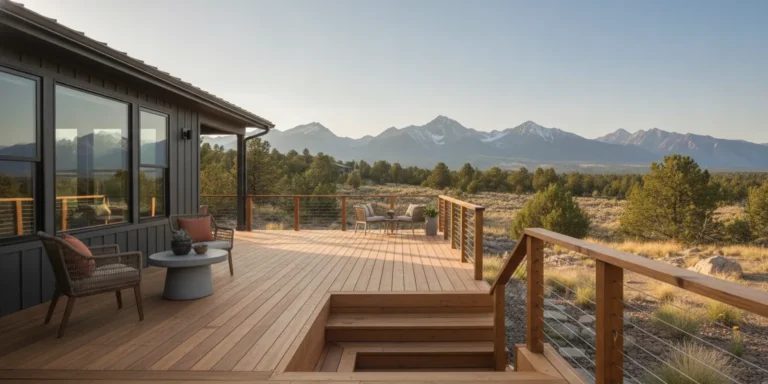
A sustainable builder is thoughtful about the materials they use, prioritizing those that are renewable, recycled, and responsibly sourced. Think of materials like reclaimed wood that adds character and history to your home, or bamboo flooring which grows incredibly fast. They also look for recycled steel and composite decking made from recycled plastics. When using new wood, they’ll often choose products certified by organizations like the Forest Stewardship Council (FSC), ensuring it comes from forests that are managed responsibly. This careful selection process reduces the environmental impact of construction and fills your home with materials you can feel good about.
They Prioritize Energy Efficiency
One of the biggest goals of sustainable building is to create a highly energy-efficient home. This isn’t just about installing an efficient furnace; it’s about designing the house as a complete system. A sustainable builder uses advanced framing techniques, high-performance insulation, and quality windows to create a tight building envelope that prevents air leaks. This means your home stays warmer in the winter and cooler in the summer with less effort from your HVAC system. These practices, often recognized by ENERGY STAR certifications, lead to a more comfortable living space and significantly lower monthly energy bills.
They Reduce Waste During Construction
If you’ve ever walked past a typical construction site, you’ve probably seen overflowing dumpsters. Sustainable builders work hard to change that picture. They reduce waste through careful planning and innovative methods. For example, some builders use prefabrication, where parts of the home are built in a factory, which minimizes scrap and material damage. On-site, they practice smart ordering to avoid excess materials and will often sort and recycle debris like wood, metal, and cardboard instead of sending it all to a landfill. This commitment to reducing waste shows a level of craftsmanship and respect for resources that benefits both the project and the planet.
They Create Healthier Indoor Air
We spend most of our time indoors, so the quality of the air we breathe is incredibly important for our health. Sustainable builders make this a top priority. They choose materials that don’t release harmful chemicals into the air, such as low- or zero-VOC (volatile organic compound) paints, adhesives, and flooring. They also install advanced ventilation systems that continuously bring in fresh, filtered air while removing stale air, moisture, and allergens. According to the EPA, this focus on clean air creates a healthier living environment for you and your family, which is a benefit you’ll appreciate every single day.
What Are the Benefits of Building Green?
When you decide to build a sustainable home, you’re doing more than just making an eco-conscious choice. You’re making a practical investment in your family’s future and financial well-being. The benefits of green building are tangible, impacting everything from your monthly utility statements to the overall value of your property. Let’s look at some of the biggest advantages you can expect when you work with a sustainable home builder.
Save Money on Utilities and Maintenance
A green home is designed from the ground up for energy efficiency. This means including features like high-performance windows, effective insulation, and energy-saving systems that significantly lower your utility bills. In the Denver area, where we experience both hot summers and cold winters, these savings can be substantial. While some sustainable features might have a higher initial investment, the long-term savings on utilities and maintenance often make up for it, putting more money back in your pocket month after month.
Reduce Your Carbon Footprint
One of the core principles of sustainable building is to minimize environmental impact. This is achieved by making thoughtful choices at every stage of the construction process. Sustainable builders focus on using eco-friendly materials, reducing waste, and implementing energy-efficient technologies. By choosing a builder who prioritizes these methods, you are actively contributing to a healthier planet. Your home becomes a testament to responsible living, proving that quality craftsmanship and environmental stewardship can go hand in hand.
Increase Your Home’s Resale Value
Investing in sustainable building practices can also enhance your home’s long-term value. A house that is cheaper to run and maintain is naturally more attractive to future buyers. Features like solar panels, superior insulation, and non-toxic materials are becoming major selling points in the real estate market. As more people look for homes that are both efficient and healthy, your green home will stand out. This forward-thinking approach not only improves your quality of life but also makes your home a more valuable and sought-after asset if you ever decide to sell.
Sustainable Home Builders to Know in the Denver Area
Finding a builder who aligns with your vision for a sustainable home is a big step. The Denver area has several great options, each with a unique approach to green building. Whether you’re looking for a custom build from the ground up or a home in a new development, these builders are known for their commitment to energy efficiency, healthy materials, and responsible construction. Here are some of the top sustainable home builders to consider for your project.
1. Faros Construction Services (Denver Metro Area)
Faros Construction Services brings a hands-on, owner-led approach to sustainable building in the Denver metro area. They focus on creating homes that are not only beautiful but also built to last with environmentally friendly materials and practices. Their commitment to sustainability extends from the foundation to the roof, incorporating energy-efficient systems and minimizing waste throughout the construction process. As a local home builder, Faros also specializes in creating sustainable outdoor living spaces, ensuring your yard and garden are as eco-conscious as your home. Their expertise in the local climate means they build homes designed to perform well in Colorado’s unique environment.
2. Thrive Home Builders
Thrive Home Builders is a well-known leader in Denver’s green building community. They have earned national recognition, including multiple awards from the EPA, for their dedication to energy efficiency and healthy home construction. Thrive focuses on building homes that are both good for the planet and for the people living in them, using innovative designs and materials that reduce environmental impact. Their commitment to building sustainable homes means you can find a space that is comfortable, efficient, and built with a conscience, often at an accessible starting point for new homeowners.
3. Oakwood Homes
Oakwood Homes has made sustainability a core part of its building philosophy. They construct homes that meet and often exceed national energy efficiency standards by integrating smart technology and high-performance materials from the start. Their building process is designed to reduce their carbon footprint while delivering a high-quality home for their customers. By focusing on energy-efficient construction, Oakwood Homes helps homeowners reduce their long-term utility usage and live more comfortably. Their communities often feature homes designed for modern families who value both style and sustainability.
4. Meritage Homes
Recognized nationally for its energy-efficient construction, Meritage Homes builds houses designed to help homeowners with utility bills without sacrificing comfort. They achieve this by using advanced building techniques, such as high-performance insulation and windows, that improve the home’s overall energy performance. Their commitment to sustainability is evident in every step of their process, from material selection to final construction. If you’re looking for a home where green features are standard, Meritage Homes is a strong contender, offering thoughtfully designed spaces that are better for your wallet and the environment.
5. KB Home
KB Home is dedicated to building sustainable homes that meet rigorous energy standards. They stand out by offering homeowners a high degree of personalization, including options for adding solar energy systems to further reduce a home’s environmental footprint. Their use of sustainable materials and water-saving fixtures helps create a healthier living environment and lowers utility consumption. With a long history of building energy-efficient homes, KB Home has earned significant industry recognition for its green building practices, making them a reliable choice for eco-conscious buyers.
6. Deltec Homes
While not exclusive to Denver, Deltec Homes offers a unique approach to sustainable building with their distinctive circular home designs. These homes are engineered for resilience and are built to withstand extreme weather conditions. Deltec uses sustainably sourced materials and a panelized building system that dramatically reduces construction waste. Their focus on creating an airtight building envelope results in exceptional energy efficiency and indoor comfort. For those seeking a truly different and highly sustainable living solution, Deltec Homes provides innovative designs that prioritize durability and environmental responsibility.
7. Plant Prefab (Living Homes)
Plant Prefab is changing the game for modern, sustainable housing with its Living Homes line. They specialize in creating high-quality, architect-designed prefabricated homes that are built with a strong commitment to environmental standards. Their process minimizes construction waste and incorporates healthy, non-toxic materials to ensure excellent indoor air quality. By building homes in a controlled factory setting, Plant Prefab delivers stylish, energy-efficient living spaces faster than many traditional builders. They make sustainable living feel both accessible and sophisticated, proving that green homes can also be beautiful.
What Features Should You Look for in a Sustainable Home?
When you hear “sustainable home,” you might picture something futuristic or off-the-grid. In reality, a sustainable home is all about smart, intentional design choices that make your space more efficient, healthy, and durable. These aren’t just abstract concepts; they are tangible features you can look for and ask about when planning your project. From the materials used in construction to the appliances you install, every detail contributes to a home that’s better for your family and the planet. Let’s walk through the key features that define a truly sustainable home.
Solar Power and Renewable Energy
One of the most visible signs of a green home is its ability to generate its own power. Builders focused on sustainability often incorporate solar panels and other renewable energy systems directly into their designs. This is a game-changer for your home’s environmental impact, significantly reducing its reliance on the public grid and fossil fuels. Beyond the eco-friendly benefits, harnessing the sun’s power means you’ll see a real difference in your monthly energy statements. It’s an investment that pays you back over time while contributing to a cleaner energy future for everyone. It’s a powerful way to make your home work for you.
Better Insulation, Windows, and Air Sealing
A truly efficient home starts with a well-sealed building envelope. Think of it as a cozy jacket for your house. Sustainable builders use high-performance insulation, advanced air sealing techniques to stop drafts in their tracks, and energy-efficient windows and doors. These elements work together to keep your home comfortable year-round, holding onto heat in the winter and staying cool in the summer. This means your HVAC system doesn’t have to work as hard, which translates directly to lower energy consumption. It’s a foundational part of green building that enhances both your home’s efficiency and your daily comfort.
Water-Saving Systems
Water conservation is a huge piece of the sustainability puzzle, especially here in Colorado. A green home tackles this by incorporating water-saving systems throughout. This includes low-flow fixtures like toilets, showerheads, and faucets in the kitchen and bathrooms. These fixtures are designed to use significantly less water without sacrificing performance, so you won’t even notice the difference in your daily routine, but you will notice it on your utility statements. It’s a simple yet effective feature that helps conserve our most precious resource. When you’re planning a build or remodel, asking about WaterSense-labeled products is an easy first step toward a more water-wise home.
Smart Tech and Efficient Appliances
Modern technology plays a big role in making homes more sustainable. Look for high-efficiency heating and cooling (HVAC) systems, which use less energy to maintain a comfortable temperature. Smart thermostats learn your schedule and adjust automatically, so you’re not wasting energy heating or cooling an empty house. When it comes to appliances, choosing models with the ENERGY STAR® certification ensures they meet strict efficiency guidelines set by the EPA. These technologies work behind the scenes to reduce your home’s energy footprint while making your life a little easier.
Non-Toxic Materials for Better Air Quality
The materials used to build your home have a direct impact on your health. Sustainable builders prioritize using non-toxic and low-VOC (volatile organic compounds) materials. VOCs are chemicals found in many traditional paints, adhesives, and finishes that can be released into the air, affecting your indoor air quality. By choosing low-VOC options, you create a healthier living environment for you and your family from day one. It’s a thoughtful detail that makes a big difference in how your home feels and supports your well-being.
Eco-Friendly Landscaping and Outdoor Spaces
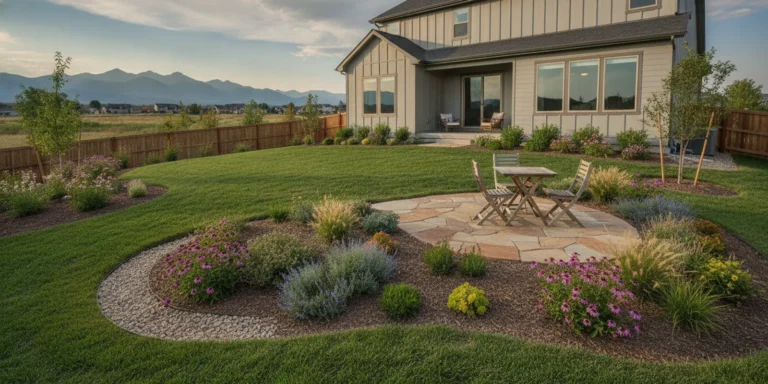
Sustainability extends beyond the four walls of your house. Eco-friendly landscaping focuses on creating beautiful, functional outdoor spaces that work with the local environment. In the Denver area, this often means using native plants and xeriscaping techniques that require less water to thrive. Thoughtfully designed outdoor living spaces also encourage you to spend more time outside, connecting with nature right in your own backyard. A sustainable builder considers how the home and its landscape interact, creating a cohesive property that is both beautiful and environmentally responsible.
Which Green Building Certifications Matter?
When you’re looking into sustainable building, you’ll see a lot of acronyms and labels. It can feel a bit like alphabet soup. But these certifications are more than just fancy badges; they’re your proof that a home is genuinely green and energy-efficient. Think of them as a third-party stamp of approval. They verify that a builder isn’t just talking the talk but has met specific, rigorous standards for sustainability. This takes the guesswork out of the equation for you. Instead of just taking a builder’s word for it, you can look for a recognized certification to know that the home’s performance, materials, and construction process have been thoroughly vetted.
These programs evaluate everything from the energy efficiency of your windows and insulation to the sustainability of your building materials and the quality of your indoor air. They provide a clear framework for what makes a home “green.” For builders like us at Faros Construction Services, these standards guide our commitment to quality and sustainability. For you, the homeowner, they offer peace of mind and a reliable benchmark for comparing different properties and builders. Understanding the main certifications helps you know what to look for and what questions to ask. It empowers you to choose a home that truly aligns with your goals for a healthier, more efficient, and environmentally friendly living space. Let’s break down the most common ones you’ll encounter.
LEED Certification
LEED, or Leadership in Energy and Environmental Design, is one of the most well-known green building certifications around the globe. It uses a point-based system to score a home across several key areas: energy savings, water efficiency, sustainable site development, materials selection, and indoor environmental quality. Based on the total points earned, a project can achieve one of four levels: Certified, Silver, Gold, or Platinum. A LEED certification signals a holistic approach to sustainability, ensuring the home is designed to be healthy, efficient, and have a lower impact on the environment from the ground up.
ENERGY STAR Ratings
You’ve probably seen the blue ENERGY STAR sticker on appliances, but the program also certifies entire homes. Managed by the U.S. Environmental Protection Agency (EPA), an ENERGY STAR rating means a home meets strict energy efficiency guidelines. These homes are typically 20-30% more efficient than standard homes, thanks to features like better insulation, high-performance windows, and tighter construction. This focus on efficiency means you’ll enjoy a more comfortable home with lower utility bills, all while knowing your home meets a government-backed standard for performance.
National Green Building Standard (NGBS)
The National Green Building Standard (NGBS) is another comprehensive certification, but it’s designed specifically for residential construction, including single-family homes and remodeling projects. Like LEED, it uses a point system to award Bronze, Silver, Gold, or Emerald ratings. The National Green Building Standard covers six key areas: site design, resource efficiency, water efficiency, energy efficiency, indoor environmental quality, and operation and maintenance. It’s a practical and flexible framework that helps builders integrate green practices into homes of all shapes and sizes.
Net-Zero and Passive House Standards
While not certifications in the same way, Net-Zero and Passive House are two important high-performance building standards. A Net-Zero home is designed to produce as much energy as it consumes over a year, usually by combining extreme energy efficiency with renewable energy systems like solar panels. The Passive House standard is all about creating a super-insulated and airtight building that requires very little energy for heating and cooling. Both standards represent the pinnacle of energy-efficient design, creating exceptionally comfortable and resilient homes with a minimal carbon footprint.
How to Calculate the ROI of a Sustainable Home
A sustainable home is more than just a place to live; it’s a smart financial investment. While the initial outlay for green features can sometimes be higher than for conventional construction, the return on that investment shows up in multiple ways over the years. Thinking about the ROI isn’t just about crunching numbers on a spreadsheet. It’s about understanding the full picture of savings, durability, and future market value.
When you build green, you’re investing in a home that is designed to perform better and last longer. From lower monthly bills to a higher potential resale value, the financial benefits are tangible. Calculating this ROI helps you see how a high-performance home pays you back over time. It’s a shift in perspective from looking at the upfront financial commitment to seeing the lifelong value you get in return. A well-built sustainable home is an asset that appreciates not just in monetary terms but also in the quality of life it provides. Let’s break down the three main areas where you’ll see a return: your monthly utility statements, long-term maintenance, and the final sale of your property.
Estimate Your Utility Savings
One of the most immediate and satisfying returns on a sustainable home comes from your monthly utility bills. Green homes are built to be incredibly energy-efficient, which means you can expect to see a significant reduction in what you pay for heating, cooling, and electricity. Many homeowners report utility bills that are 20% to 30% lower than those in typical new homes. In the Denver metro area, with our cold winters and sunny, hot summers, these savings add up quickly. Better insulation, high-performance windows, and efficient appliances all work together to keep your home comfortable without constantly running the HVAC system.
Consider Maintenance, Durability, and Incentives
Sustainable builders prioritize high-quality, durable materials that often exceed standard building codes. This commitment to quality means your home is built to last, requiring fewer repairs and less maintenance over its lifetime. Think of it as a long-term saving on the headaches and financial strain of unexpected fixes. While some eco-friendly features may require a larger upfront investment, they pay for themselves through durability and lower operational needs. Additionally, building green can open the door to various financial incentives, including tax credits and rebates, which can help offset the initial investment.
Look at Resale Value and Market Demand
A sustainable home is an asset that grows in value. As more people become aware of the benefits of eco-friendly living, the demand for green homes is on the rise. Properties with certifications like ENERGY STAR or LEED are increasingly sought after by buyers who want a healthier, more efficient place to live. This strong market demand can translate directly into a higher resale value for your property. When it comes time to sell, highlighting your home’s sustainable features and low utility bills becomes a powerful selling point, making it a wise investment for the future.
How to Choose the Right Sustainable Builder
Choosing the right builder is one of the most important decisions you’ll make for your project. You’re not just hiring someone to put up walls; you’re trusting them with your vision and your investment. This is especially true for sustainable building, where expertise in specific materials and methods is key to getting the long-term benefits you want. A great builder will be a partner, guiding you through the process with transparency and skill. To find that partner, you need to know what to look for and what questions to ask. Doing a little homework upfront can save you from major headaches down the road and ensure your finished home is everything you dreamed it would be.
Key Questions to Ask Before You Commit
Finding a builder you trust starts with asking the right questions. Think of it as an interview for a very important job. Start by asking about their experience with green building and if they hold any certifications, like LEED or National Green Building Standard (NGBS). These credentials show a commitment to staying current with sustainable practices. Don’t forget to ask for references from past clients who had similar projects. It’s also smart to inquire about the specific sustainable materials they prefer to use and how they approach energy efficiency. A passionate, knowledgeable builder will be happy to walk you through their process and explain how they achieve lasting, high-quality results.
Red Flags to Watch For
Just as important as knowing what to look for is knowing what to avoid. A few red flags can help you steer clear of a difficult situation. Be cautious if a builder seems hesitant to answer your questions or provides vague responses about their sustainability practices. A lack of transparency is often a sign of inexperience. Another major warning sign is a builder who can’t provide a portfolio of completed projects or a list of references. Every reputable professional should have a track record of happy clients who can speak to the quality of their work. If your gut tells you something is off, it’s always better to listen and keep searching for a team that feels like the right fit.
Why Local Denver Expertise Is a Must
Choosing a builder with deep roots in the Denver metro area gives you a significant advantage. A local expert understands the region’s specific climate challenges, from heavy snowfall to intense sun, and knows which sustainable materials and building techniques hold up best here. They are also well-versed in Denver’s unique building codes and permitting processes, which helps your project run smoothly. Furthermore, local builders have established relationships with reliable suppliers and subcontractors in the area. This network is essential for ensuring your home building project is completed with quality craftsmanship and a shared commitment to sustainable practices from the ground up.
Related Articles
Frequently Asked Questions
What’s the difference between a “green” home and a “sustainable” home? People often use these terms interchangeably, but there’s a subtle distinction. A “green” home typically focuses on specific eco-friendly features, like recycled materials or energy-efficient appliances. A “sustainable” home takes a broader, more holistic view. It considers the entire lifecycle of the house, from how the materials are sourced and how it impacts the environment to its long-term durability and the health of the people living inside.
Do I have to include every single green feature, like solar panels, for my home to be sustainable? Not at all. Sustainability in home building is a spectrum, not an all-or-nothing goal. You can make a huge difference by focusing on foundational elements that provide the most impact, such as creating a tight building envelope with quality insulation and windows or choosing non-toxic interior finishes. A good builder will help you prioritize which features best align with your vision and the specific needs of your project.
Is the investment for a sustainable home much higher than for a conventional one? While some high-performance materials and systems can require a greater initial investment, a skilled sustainable builder focuses on smart, efficient design that provides lasting value. The focus is on long-term benefits, including significant savings on monthly utilities and reduced maintenance needs over the life of the home. It’s about investing in quality and durability upfront for a more comfortable and efficient home down the road.
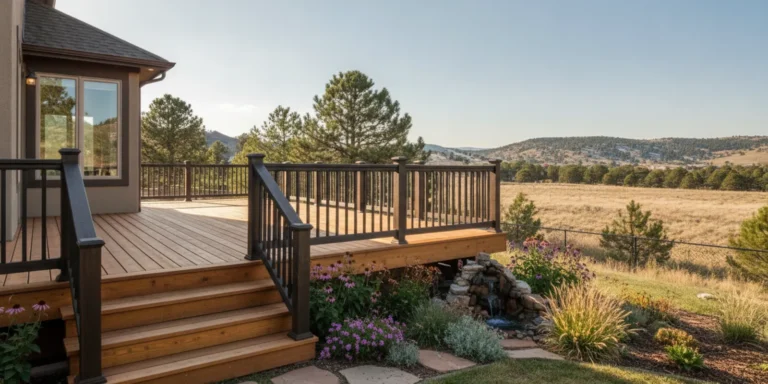
Can I apply these sustainable principles to a remodel or an outdoor project? Yes, absolutely. Sustainable practices are incredibly effective for renovations and outdoor spaces. You can make a big impact by upgrading to energy-efficient windows, using low-VOC paints for an interior refresh, or building a new deck with responsibly sourced or composite materials. For your yard, choosing native plants and smart irrigation can create a beautiful, low-water landscape. Every thoughtful choice helps.
How do I know if a builder is genuinely committed to sustainability or just using it as a buzzword? A truly dedicated builder will be transparent and eager to share details. Ask them to explain their specific process for reducing construction waste, how they select their materials, and what techniques they use to ensure energy efficiency. They should be able to show you a portfolio of past projects and speak confidently about the long-term performance of the homes they build. A genuine expert is passionate about the craft, not just the label.