

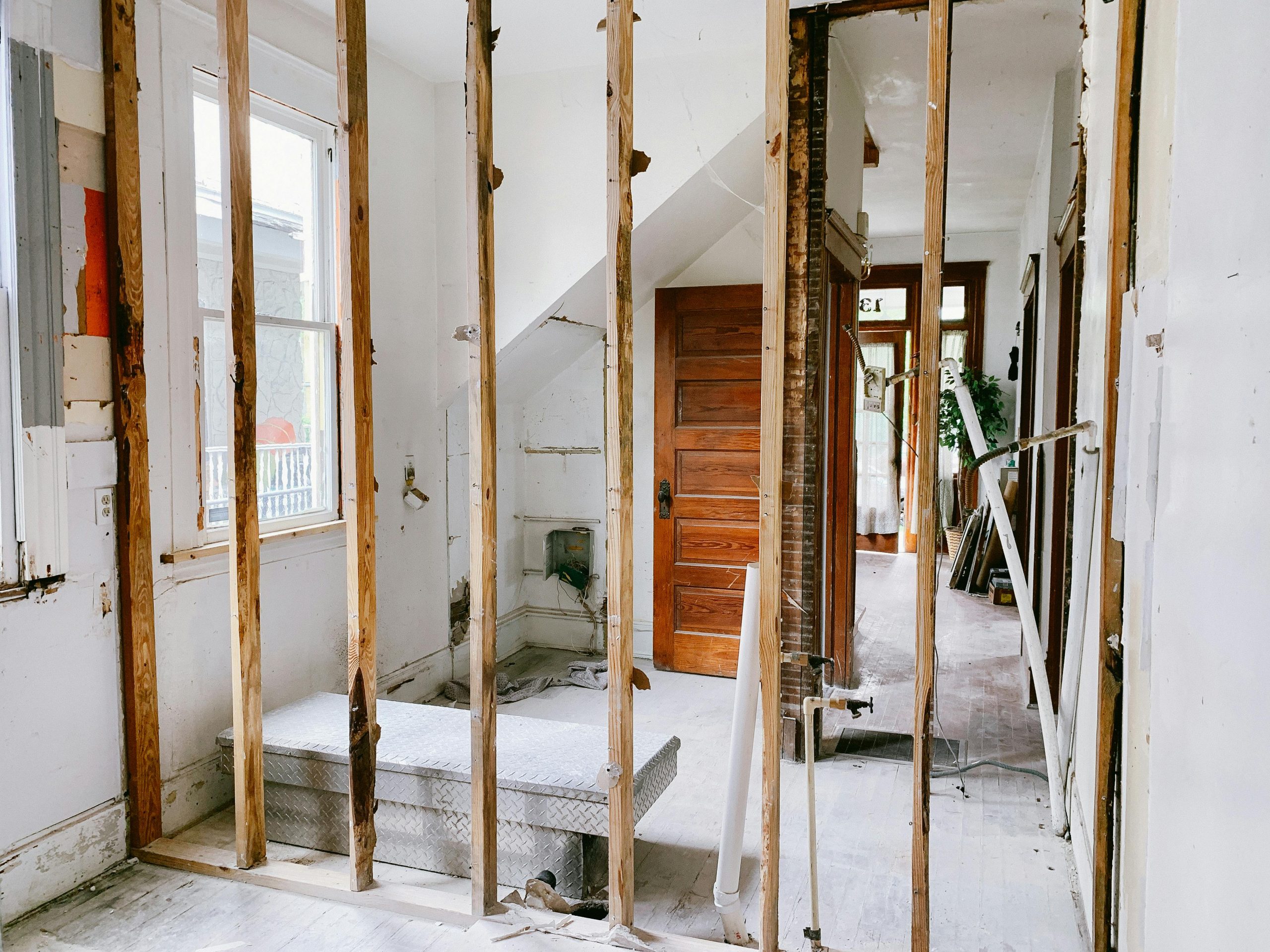
You’ve spent hours scrolling through inspiration, pinning your favorite kitchen layouts, and dreaming up the perfect outdoor living space. The creative part is exciting, but then comes the big reality check: the budget. It’s the moment where dreams can feel like they’re about to hit a wall. But a budget isn’t meant to limit your vision; it’s the roadmap that makes it achievable. Answering the question of how much does a full home renovation cost is the critical first step in bridging that gap between your dream and a realistic plan. We’re here to guide you through that process, helping you understand the costs in the Denver metro area, prioritize your spending, and avoid the common pitfalls that can derail a project.
Key Takeaways
- Build a Financial Safety Net: Your budget isn’t complete without a contingency fund of 10-20% of the total project cost. This essential buffer covers the inevitable surprises, like outdated wiring or hidden water damage, ensuring an unexpected issue doesn’t derail your project.
- Prioritize Your Spending for Maximum Impact: The final cost is driven by your project’s scope, material choices, and structural changes. Decide which updates matter most to you and allocate your funds there, opting for high-value materials that balance quality and cost.
- Invest in a Quality Contractor: Choosing a professional based on the lowest bid is one of the most common and costly mistakes. A reputable contractor provides a transparent, detailed quote and prevents expensive errors, saving you money and stress in the long run.
How Much Does a Full Home Renovation Cost?
Figuring out the budget for a full home renovation is often the first, and most intimidating, step. While the final number depends entirely on your specific project, you don’t have to go in blind. Understanding the typical costs, both nationally and here in the Denver metro area, can give you a solid foundation for planning your dream home transformation.
Think of your renovation cost as a combination of three key elements: the size of your home, the unique market conditions in our area, and the specific choices you make along the way. We’ll break down each of these pieces to give you a clearer picture of what to expect. From national averages that provide a general baseline to the specific factors that will shape your final quote, here’s what you need to know to start building a realistic budget for your project.
National Averages by Home Size
To get a general idea, it helps to look at national figures. Across the country, most full home renovations cost somewhere between $100 and $400 per square foot. The final price within that range depends on the extent of the work and the level of finishes you choose.
For a more concrete example, a complete renovation of a 2,000-square-foot house typically falls between $100,000 and $200,000. If you’re planning a high-end project with luxury materials and custom features, that number could climb above $250,000. On the other hand, a more budget-focused renovation might land closer to $75,000. These numbers are a great starting point for understanding the potential scale of investment your project might require.
What to Expect in the Denver Metro Area
While national averages are a useful guide, costs in the Denver metro area have their own unique considerations. Factors like local material prices, the high demand for skilled labor, and regional building codes all play a role in shaping the final price tag of your renovation.
Because of these local variables, the most accurate way to understand your project’s cost is to get a detailed quote from a contractor who understands the Denver market inside and out. An experienced local team can provide a precise estimate based on your home’s specific needs, your design goals, and current material and labor costs in our area. This ensures your budget is grounded in reality from the very beginning. Ready to find out what your project will cost? You can schedule a consultation to get a clear, honest estimate.
Key Factors That Shape Your Final Cost
Beyond square footage and location, several key decisions will directly influence your renovation budget. The biggest cost drivers are the project’s scope, the quality of materials you select, and the labor required to bring your vision to life. For example, simply updating finishes will cost far less than moving walls or adding a new room.
Labor is a significant component, often making up 30% to 50% of the total project cost. This includes the expertise of everyone from your general contractor to plumbers, electricians, and painters. The quality of materials also creates a wide price range—think quartz countertops versus laminate or custom cabinetry versus stock options. Understanding how these different construction services and material choices impact your budget is essential for making informed decisions that align with your financial goals.
What Influences Your Renovation’s Price Tag?
When you start planning a home renovation, the first question is almost always, “How much will this cost?” The answer isn’t a single number; it’s a range that depends on several key factors. Understanding these variables will help you set a realistic budget and make informed decisions for your Denver metro area home. Think of it less like a fixed price tag and more like a custom recipe where you choose the ingredients. From the sheer size of your project to the professionals you hire, every choice plays a role in the final cost. Let’s break down the four biggest factors that will shape your renovation’s budget.
Size and Scope of the Project
It might seem obvious, but the bigger the project, the higher the cost. The total square footage you plan to renovate is a primary driver of the price. Nationally, home renovations can range from $100 to $400 per square foot, depending on the complexity. A simple cosmetic update to a small bathroom will cost significantly less than a full gut renovation of a 2,000-square-foot house. The “scope” also matters—are you just painting and replacing fixtures, or are you tearing down walls and reconfiguring the entire layout? Defining the exact range of services you need is the first step to getting an accurate estimate for your project.
Quality of Materials and Finishes
Your personal taste has a major impact on the budget. The materials and finishes you select can cause costs to vary dramatically. For example, choosing standard ceramic tile for a bathroom floor is much more budget-friendly than opting for high-end marble. Similarly, stock cabinets from a big-box store will be far less expensive than custom-built cabinetry designed specifically for your kitchen. While premium materials can increase the initial investment, they often provide better durability and a more polished look. Looking through a contractor’s past projects can give you a great idea of how different materials look and feel in a finished space.
Structural and Layout Changes
Any time your renovation involves changing the fundamental structure of your home, the cost and complexity increase. This includes tasks like removing a load-bearing wall to create an open-concept living area, adding a new window where one didn’t exist, or relocating plumbing for a new kitchen island. These changes require careful planning, engineering, and more intensive labor to ensure your home remains safe and sound. While these updates can completely transform your space, they are much more involved than cosmetic changes. This level of work is similar to the planning required when building a new home from the ground up.
Labor and Professional Expertise
Labor is a significant portion of any renovation budget, often accounting for 30% to 50% of the total cost. While it can be tempting to cut corners here, hiring a skilled and reputable contractor is an investment in the quality and longevity of your home. Experienced professionals ensure the job is done correctly, safely, and up to code, preventing costly mistakes that might need to be fixed later. A transparent contractor will provide a clear breakdown of costs and timelines. When you hire a team with proven experience, you’re not just paying for labor; you’re paying for peace of mind and the assurance that your vision will be executed perfectly, which is a core part of our team’s expertise.
A Room-by-Room Cost Breakdown
To get a clearer picture of your total renovation budget, it helps to break it down by the individual spaces you plan to transform. Costs can vary dramatically from one room to the next, depending on the complexity, materials, and labor involved. Here’s a look at what you can generally expect for some of the most commonly renovated areas in a home.
Kitchens
The kitchen is the heart of the home, but it’s often the most expensive room to remodel. With complex plumbing, electrical work, custom cabinetry, and high-end appliances, the costs add up quickly. A minor refresh involving paint, new fixtures, and refacing cabinets might land between $23,000 and $35,000. For a more standard midrange remodel with new appliances and semi-custom cabinets, you could be looking at $35,000 to $65,000. If you’re dreaming of a high-end, gourmet kitchen with custom everything, a recent renovation cost guide suggests budgeting $75,000 to $100,000 or more.
Bathrooms
Bathroom renovations also have a wide cost range. A small powder room update might cost between $7,000 and $12,000. For a standard full bathroom, expect to spend anywhere from $12,000 to $25,000 for new fixtures, tile, and a vanity. If you’re planning a primary bathroom overhaul with features like a custom walk-in shower, a soaking tub, and double vanities, the price can climb to $25,000 to $40,000. The final cost depends heavily on the quality of the materials and whether you need to move any plumbing or electrical lines.
Living Rooms and Bedrooms
Updating living rooms and bedrooms is typically less expensive than kitchens or baths because they don’t involve major plumbing. However, if you’re planning to add a room, the costs can be significant. Building a new bedroom or home office addition can range from $20,000 to $50,000, depending on the size, foundation work, and level of finish. According to some house renovation cost breakdowns, this is one of the most effective ways to add square footage and value to your home.
Basements and Attics
Finishing a basement or attic is a fantastic way to expand your living space without building an addition. These projects can transform unused areas into family rooms, guest suites, or home gyms. However, they can also be complex, sometimes requiring new egress windows, insulation, and extensive electrical work. A full gut remodel of your entire home, which could include finishing these spaces, often starts around $150,000 and can easily exceed $300,000 for a high-end, comprehensive renovation.
Outdoor Living Spaces and Exteriors
Don’t forget about the outside of your home! Improving your curb appeal can provide a fantastic return on investment. For instance, installing new siding can cost between $10,000 and $20,000 and can yield a return of 70% to 90%. Here in the Denver metro area, creating functional and beautiful outdoor living spaces is a popular investment. Building a new deck, installing a stone patio, or adding a pergola not only extends your living area but also significantly enhances your home’s value and your enjoyment of it.
Don’t Forget These “Hidden” Renovation Costs
Creating a budget is a great first step, but it’s easy to overlook costs that aren’t directly tied to paint colors or new appliances. These “hidden” expenses can catch you by surprise if you aren’t prepared. Planning for them from the start helps keep your project on track and your stress levels down. Let’s walk through some of the most common costs that homeowners forget to include in their initial budget.
Permits and Inspections
For almost any project that involves changing your home’s structure, like moving a wall or building a new deck, you’ll need to get the green light from the city. Securing the right building permits for your project in the Denver metro area is a crucial step. These permits ensure the work is done safely and up to code. The fees for permits and the required inspections can add up, so it’s important to factor them into your budget from day one. An experienced contractor can handle this process for you, making sure everything is filed correctly and your project moves forward without any bureaucratic headaches.
Unexpected Structural Issues
You never truly know what’s behind your walls until you open them up. It’s not uncommon to discover surprises like old, faulty wiring, hidden water damage, or even foundation issues that need immediate attention. While finding these problems can be frustrating, addressing them is essential for the long-term health and safety of your home. This is why a contingency fund is so important. Working with an experienced home builder means you have a team that can spot and solve these problems efficiently, preventing them from derailing your entire project and giving you peace of mind.
Utility Upgrades
If you live in an older home, your renovation might reveal that your electrical or plumbing systems aren’t up to current standards. Bringing these utilities up to code isn’t just a suggestion—it’s often a requirement for your project to pass inspection. This could mean replacing an old electrical panel to handle modern appliances or updating pipes to improve water flow and prevent future leaks. While it’s an added expense, think of it as a long-term investment in your home’s safety and functionality. It ensures your newly renovated space is supported by a reliable and safe infrastructure for years to come.
Changing Material Costs
The price of lumber, tile, and other construction materials can change based on supply and demand. A quote you received six months ago might not reflect today’s market prices. These fluctuations can impact your budget, especially on larger projects that take several months to complete. A good contractor stays on top of these trends and can help you make smart material choices. They can also time purchases to your advantage and suggest quality alternatives if your first-choice materials suddenly jump in price, helping you stay on budget without sacrificing the look you want.
Temporary Living Expenses
Depending on the scale of your renovation, your home might become a construction zone that’s difficult to live in. If you’re remodeling your only bathroom or the entire kitchen, you may need to find temporary housing. Don’t forget to budget for potential costs like a short-term rental, storage for your furniture, or even the extra expense of eating out more often. Planning for these disruptions to your daily life will make the entire process feel much smoother and more manageable for you and your family. It’s a practical step that makes a big difference.
How to Create a Realistic Renovation Budget
Creating a budget can feel like the least exciting part of a renovation, but it’s the single most important step for a successful, low-stress project. A realistic budget acts as your roadmap, guiding your decisions and keeping your project on track from start to finish. It helps you distinguish between your must-haves and nice-to-haves, ensuring you invest your money where it matters most. With a clear financial plan, you can move forward with confidence, knowing you’re prepared for the costs ahead.
Set Your Total Budget
First, you need a number. While every project is unique, it helps to have a general idea of what a full renovation can cost. Nationally, a complete overhaul of a 2,000-square-foot home often falls between $100,000 and $200,000. Of course, this can shift based on your specific goals and the finishes you choose. Your first step is to determine what you are comfortable and able to spend. This total figure will inform every other decision you make, from the scope of your home building services to the materials you select. Be honest with yourself about your financial limits before you start looking at tile samples or appliances.
Prioritize Your Spending
Once you have your total budget, it’s time to decide where that money will make the biggest impact. Make a list of everything you want to accomplish and then rank each item by importance. Kitchens and bathrooms, for example, typically have the highest return on investment but are also the most expensive to remodel due to plumbing, electrical, and fixtures. Maybe a functional, beautiful outdoor living space is your top priority for enjoying Denver’s sunny weather. By prioritizing, you ensure your budget is allocated to the areas that will bring you the most value and daily enjoyment.
Build in a Contingency Fund
No matter how carefully you plan, renovations almost always come with surprises. You might uncover old wiring that needs updating or find unexpected water damage behind a wall. That’s where a contingency fund comes in. Think of it as a financial safety net. Plan to set aside an extra 10–20% of your total project cost for these unforeseen expenses. If your renovation budget is $100,000, your contingency fund should be between $10,000 and $20,000. This isn’t money you necessarily want to spend, but having it ready will prevent a small issue from derailing your entire project.
Get Accurate Contractor Quotes
A budget is only as good as the information it’s based on. To get a clear picture of your costs, you need to get detailed quotes from qualified contractors. We recommend interviewing at least three professionals. A trustworthy quote should be itemized, breaking down the costs for labor, materials, permits, and other expenses. Be wary of any bid that seems unusually low—it could mean corners are being cut. Look for a contractor with a solid reputation, great reviews, and a transparent process. When you’re ready, you can schedule a consultation to get a clear and honest estimate for your project.
Track Every Expense
Your budget isn’t a “set it and forget it” document. You need to track every single expense as the project moves forward. A simple spreadsheet is a great tool for this. Record every payment, from the deposit for your contractor to the cost of new light fixtures. This helps you see exactly where your money is going in real-time. It also allows you to make informed decisions if costs in one area start to creep up. Diligent tracking keeps you in control and ensures there are no shocking credit card bills waiting for you at the end of your renovation.
How to Pay for Your Home Renovation
Once you have a realistic budget in hand, the next big question is: where is the money coming from? Funding a major home project can feel like a huge hurdle, but you have more options than you might think. From using your savings to leveraging your home’s value, there’s a path that can work for your financial situation. Let’s walk through the most common ways homeowners in the Denver metro area pay for their dream renovations, so you can choose the right strategy for your project.
Cash vs. Financing
Paying for your renovation with cash is the most straightforward approach. If you have the savings, you can avoid interest payments and the hassle of loan applications. This is a great option for smaller projects or if you’ve been saving specifically for this purpose. However, since renovation costs can vary widely depending on the scope and materials, many homeowners find that financing gives them more flexibility. Financing allows you to complete a larger project sooner and pay it off over time, preserving your cash for emergencies or other investments. The right choice depends entirely on your savings, project size, and comfort level with debt.
Home Equity Loans and HELOCs
Your home is an asset, and you can use its value to fund improvements. A home equity loan gives you a lump sum of cash upfront with a fixed interest rate, which is perfect if you have a firm quote from your contractor. A Home Equity Line of Credit (HELOC), on the other hand, works more like a credit card. You’re approved for a certain amount and can draw funds as needed, only paying interest on what you use. Many homeowners find a HELOC is a flexible tool for renovations, especially when unexpected costs pop up. Both options use your home as collateral.
Personal Loans
If you don’t have a lot of equity in your home or prefer not to use it as collateral, a personal loan is another solid choice. These are typically unsecured loans, meaning your home isn’t on the line. You can get them from banks, credit unions, or online lenders. Interest rates may be higher than with a home equity loan, but the application process is often faster and simpler. With various financing options available, a personal loan can be a great way to fund specific parts of your project, like a bathroom remodel or a new deck, without tapping into your home’s equity.
Construction Loans
For massive projects like building a home addition or a complete gut renovation, a construction loan might be the best fit. These are short-term loans designed to cover the costs of building or significant remodeling. Funds are paid out in stages as work is completed and inspected. For fixer-uppers, you might also look into specialized options. For example, a 203k rehab loan can be rolled into your mortgage, providing the funds needed to make a house livable. These loans are more complex, but they are specifically designed to make large-scale renovations possible.
To DIY or Hire a Pro?
One of the biggest decisions you’ll make during a renovation is what to tackle yourself versus what to hand over to a professional. The answer often comes down to a balance of three things: your budget, your skills, and your timeline. While rolling up your sleeves can save you a significant amount on labor costs, some jobs require an expert touch to ensure they’re done safely, correctly, and up to code. Thinking honestly about your own abilities and the complexity of the project is the first step in making the right call for your home and your wallet.
When to Call a Professional
Certain jobs are almost always best left to the pros. Anything involving your home’s structure—like moving walls, altering rooflines, or pouring a new foundation—requires deep expertise. The same goes for electrical, plumbing, and HVAC work, where mistakes can be dangerous and costly to fix. If a project requires specialized tools you don’t own or a permit from the city, it’s a strong sign you should hire a licensed contractor. While professional work comes at a higher price, you’re paying for experience, efficiency, and the peace of mind that comes with knowing the job is done right and backed by a warranty.
Projects You Can Tackle Yourself
If you’re handy and have the time, there are plenty of projects you can do yourself to save money. Cosmetic updates are a great place to start. Think painting walls, swapping out light fixtures, replacing cabinet hardware, or even installing a new backsplash. Demolition can also be a satisfying DIY task, as long as you’re sure about what’s behind the walls you’re tearing down. Taking on these smaller jobs can free up more of your budget for the bigger tasks that require a professional, allowing you to get the best of both worlds. Just be realistic about the time commitment—DIY often takes longer than you think.
The Trade-Off: Cost vs. Quality
Every renovation involves a trade-off between cost and quality, and this is especially true when choosing materials. High-end finishes like custom cabinetry or marble countertops can dramatically increase your final bill. A professional contractor can help you find the sweet spot, recommending durable, attractive materials that fit your budget. They often have access to trade pricing that isn’t available to the public. Looking at a contractor’s past projects can give you a great sense of the quality you can expect and help you decide where to spend and where to save.
Staying Safe and Up to Code
This is non-negotiable. Any significant renovation, especially one involving structural changes, will require permits to ensure the work meets local safety standards. A professional contractor will know exactly what Denver building permits are needed and will manage the inspection process for you. Trying to skip this step to save money can lead to major headaches down the road, including fines, unsafe living conditions, and difficulty selling your home. Working with a pro ensures your renovation is not only beautiful but also safe and legally compliant.
How to Save Money on Your Renovation
A full home renovation is a significant investment, but that doesn’t mean you have to drain your savings to get the results you want. Saving money isn’t about cutting corners or settling for subpar work. It’s about making smart, informed decisions that maximize your budget and deliver long-term value. With a bit of strategic planning, you can create a beautiful, functional space that you’ll love for years to come, all while keeping costs in check.
Choose Materials Wisely
Your choice of materials has a huge impact on your final bill. While it’s tempting to go for the most high-end finishes, midrange materials often provide the perfect balance of durability, style, and value. For example, instead of marble countertops, consider quartz, which offers a similar look with better durability and a lower price point. The same goes for flooring, fixtures, and siding. An experienced contractor can help you find quality materials that fit your aesthetic and budget, ensuring you don’t overspend on items that won’t stand the test of time. The goal is to find that sweet spot where quality and cost-effectiveness meet.
Time Your Project for Better Pricing
Did you know that the time of year you start your renovation can affect the cost? In the Denver metro area, demand for construction services peaks in the spring and summer when the weather is ideal. This high demand can lead to longer wait times and higher prices for both labor and materials. If your project timeline is flexible, consider scheduling it during the off-season, like late fall or winter. Contractors often have more availability during these months, which can sometimes translate into more competitive pricing and a quicker start date for your project. Planning ahead allows you to get on a contractor’s schedule before the busy season hits.
Partner with an Experienced Contractor
Choosing the right contractor is one of the most critical financial decisions you’ll make. While the lowest bid might seem like a great deal, it can lead to costly mistakes, delays, and unexpected expenses down the road. A reputable, experienced contractor is transparent about costs, provides a detailed and accurate quote, and communicates clearly throughout the project. They can also help you avoid common pitfalls and find cost-saving solutions without compromising quality. Investing in a trusted partner ensures your project is done right the first time, saving you money and stress in the long run.
Renovate in Phases
If you’re planning a large-scale renovation, you don’t have to do it all at once. Breaking your project into smaller, manageable phases can make it much more affordable. For instance, you could focus on renovating your outdoor living space one year and tackle the kitchen the next. This approach allows you to pay as you go, avoiding the financial strain of one massive project. It also reduces the disruption to your daily life. By planning your renovation in stages, you can achieve your long-term vision for your home on a timeline and budget that works for you.
Common Budgeting Mistakes to Avoid
A well-planned budget is your best tool for a successful home renovation, but a few common missteps can quickly send your finances off track. It’s completely understandable—getting caught up in the excitement of choosing new countertops or designing the perfect deck is the fun part. However, overlooking the less glamorous details of budgeting can lead to major headaches and unexpected expenses down the road. Knowing what to watch for from the start is the key to a smooth process. By sidestepping these typical budgeting errors, you can ensure your project stays on course and that the final result is everything you hoped for, without the financial strain. We see it all the time, and we want to help you avoid the stress. A realistic budget isn’t about limiting your vision; it’s about empowering it. It gives you the confidence to make smart decisions and the peace of mind that comes from knowing you’re prepared for whatever the project throws your way. Let’s walk through the most frequent mistakes homeowners in the Denver metro area make and, more importantly, how you can steer clear of them for a renovation you’ll love for years to come.
Underestimating the Project’s Scope
It’s easy to dream about the beautiful finishes and new fixtures, but it’s just as easy to overlook the full scope of work required to get there. The true cost of a renovation is shaped by more than just what you see on the surface. The size of your space, the quality of materials you select, and the complexity of the labor all play a significant role. A simple bathroom update can become a major project if you discover the plumbing needs a complete overhaul. That’s why a detailed plan is essential. Working with an experienced team helps you understand every step, from demolition to the final coat of paint, ensuring your budget reflects the project’s true scale.
Skipping the Contingency Fund
If there’s one piece of advice to take to heart, it’s this: always have a contingency fund. Think of it as your project’s financial safety net. We recommend setting aside an extra 10% to 20% of your total budget to cover unforeseen costs. During a renovation, surprises are common. You might uncover hidden water damage, outdated electrical wiring, or structural issues that need immediate attention. Without a contingency fund, these discoveries can force you to halt the project or make compromises you didn’t want to make. This fund isn’t for upgrades or add-ons; it’s strictly for the unexpected issues that are essential to fix for a safe and lasting result.
Choosing a Contractor Based on Price Alone
While it’s tempting to jump on the lowest bid, this decision can often cost you more in the long run. An unusually low price can be a red flag for cutting corners, using subpar materials, or inexperienced labor. Instead of focusing solely on the bottom line, look for a contractor who is licensed, insured, and has a proven track record of quality work. A true professional will provide a detailed and transparent quote, answer your questions thoroughly, and be upfront about realistic timelines and costs. Investing in an expert, owner-led team ensures the job is done right the first time, saving you from costly repairs and future headaches.
Forgetting About Daily Life Disruptions
A home renovation impacts more than just your wallet; it disrupts your daily routine. The noise, dust, and general chaos can be stressful for everyone in the household. It’s important to prepare for this reality and factor it into your plans. Will you need to eat out more often while your kitchen is out of commission? Should you budget for a professional cleaning service once the dust settles? For major projects, you might even need to consider temporary living arrangements. Discussing a clear project timeline with your contractor can help you anticipate these disruptions and budget for any associated costs, making the entire process much smoother for you and your family.
Related Articles
Frequently Asked Questions
Is there a simple ‘per square foot’ price I can use for my Denver renovation? While the national average of $100 to $400 per square foot is a helpful starting point, it’s too broad to build a reliable budget around. The cost to renovate a kitchen with its complex plumbing and electrical work is much higher per square foot than updating a bedroom. The most accurate number will come from a detailed quote that accounts for your specific project scope, material choices, and the unique conditions of your home.
What’s the most important part of a renovation budget that people forget? Hands down, it’s the contingency fund. This isn’t just extra cash for fun upgrades; it’s your project’s safety net. We recommend setting aside 10-20% of your total budget for the inevitable surprises, like discovering old wiring or hidden water damage. Having this fund ready means an unexpected issue is just a manageable problem to solve, not a crisis that derails your entire renovation.
How can I tell if a contractor’s quote is trustworthy? A trustworthy quote is all about the details. It should be an itemized list that clearly breaks down the costs for labor, materials, permits, and other expenses, not just a single number at the bottom. Be cautious of bids that seem vague or are dramatically lower than others, as that can be a red flag. A professional will be happy to walk you through their estimate and explain every line item so you know exactly what you’re paying for.
If I can’t afford to renovate my whole house at once, where should I start? Focus on the spaces that will make the biggest positive impact on your daily life and provide a solid return on investment. For most people, this means starting with the kitchen or the primary bathroom. Here in the Denver area, creating a functional and beautiful outdoor living space is another fantastic first project that adds tremendous value and enjoyment for years to come.
How long should I expect a full home renovation to take? The timeline depends entirely on the size and complexity of your project. A single-room remodel, like a bathroom, might take four to eight weeks. A complete gut renovation of your entire house could easily take six months to a year, sometimes longer. Factors like city permits, material delivery times, and unexpected structural issues can all influence the schedule, which is why your contractor should provide a realistic timeline before any work begins.