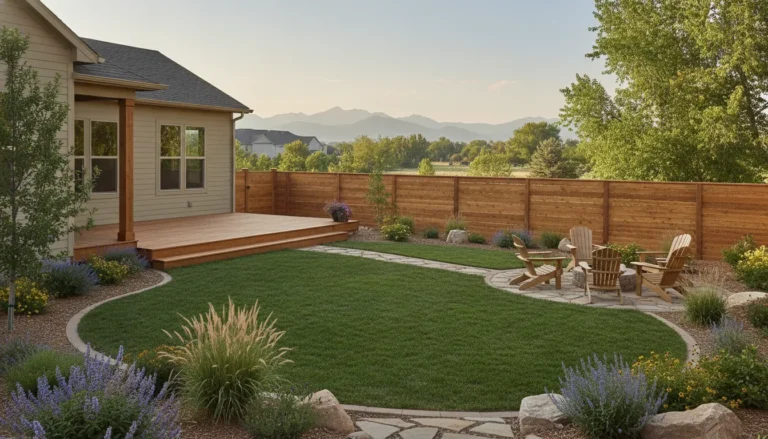

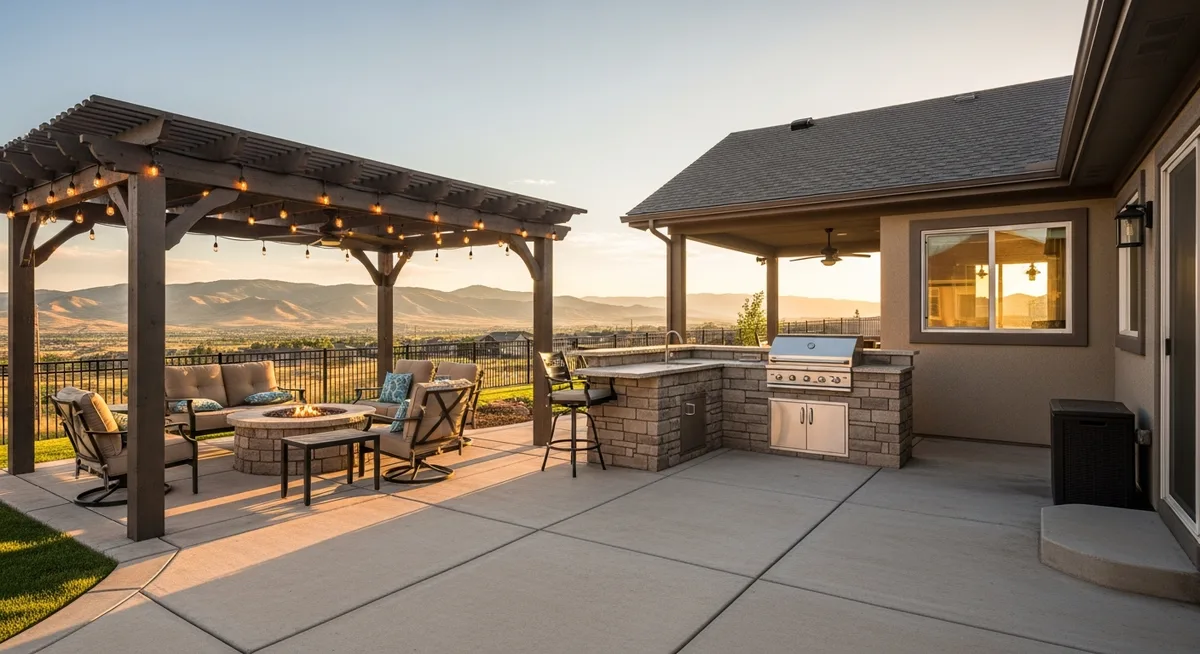
Your backyard has the potential to become the best room in your house. Across the Denver Metro Area, homeowners are transforming underused yards into complete outdoor entertainment spaces that extend their living area and create gathering spots the whole family enjoys year-round. For families building multigenerational homes in Denver, a well-planned outdoor entertainment area becomes shared space that every generation uses. The key to getting it right? Intentional planning before a single shovel hits the ground.
Planning an outdoor entertainment space for your Denver home? Contact Faros Construction for a free consultation, or call us at (720) 594-5604 to discuss your vision.
As a general contractor who has designed and built hundreds of outdoor living projects in Colorado, I can tell you that the most successful outdoor entertainment areas share one thing in common: they were planned as a unified space, not pieced together one feature at a time. This guide walks you through every element of planning a backyard entertainment area that works for Denver’s unique climate, your lot, and your lifestyle.
What Makes a Great Outdoor Entertainment Area?
A great outdoor entertainment area isn’t just a deck with some furniture. It’s a thoughtfully designed space that combines multiple functional zones into a cohesive environment where people naturally want to spend time. Think of it like designing the interior of your home — you wouldn’t put the kitchen in the bedroom. The same logic applies outdoors.
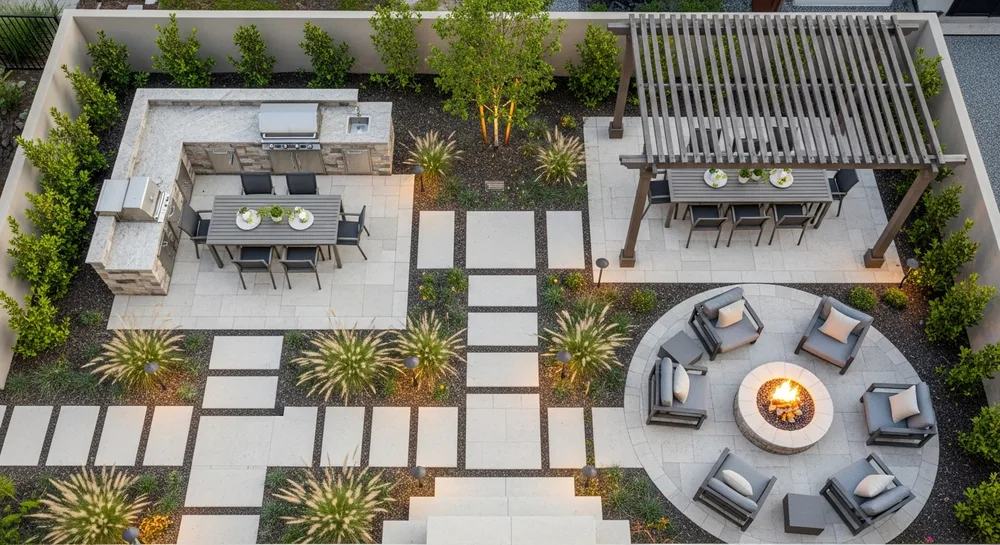
The best entertainment areas integrate several core elements:
- A cooking or grilling zone with counter space, storage, and ventilation
- A dining area sized for your typical group and protected from direct sun
- A lounging zone with comfortable seating, often centered around a fire feature
- Shade structures like pergolas or covered patios that provide relief from Colorado’s intense sun
- Proper lighting for extending use into the evening hours
- Privacy screening to create an intimate atmosphere
When these elements work together, your outdoor space becomes a natural extension of your home that gets used far more than any single feature on its own.
How Do You Plan Zones for Your Outdoor Entertainment Space?
Zone planning is where great outdoor spaces start. Before choosing materials or features, map out how you want people to move through and use the space. Here’s the approach we use with our clients:
The Cooking Zone
Position your outdoor kitchen or grilling area where smoke won’t blow into the dining or lounging zones. In Denver, prevailing winds typically come from the west and northwest, so placing the cooking zone on the west side of the entertainment area with ventilation directed away from seating areas is a smart move.
Include counter space on both sides of the grill, electrical outlets for appliances, and a dedicated surface for food prep. If you’re building a full outdoor kitchen with a built-in grill, sink, and refrigerator, plan for gas, water, and electrical connections during the design phase — retrofitting is far more expensive.
The Dining Zone
Your dining area should be within easy reach of the cooking zone but positioned where guests can sit comfortably without being in the way of food preparation. A concrete patio provides a stable, level surface that handles heavy dining furniture without wobbling.
For Denver homes, consider covering the dining zone with a pergola or shade structure. Colorado’s UV index is among the highest in the country due to our altitude, and a shaded dining area gets used significantly more than one in direct sun.
The Lounging and Fire Zone
This is where people linger after dinner. A stone fire pit or fire table creates a natural gathering point that extends the usability of your space well into Colorado’s cool evenings. Position the lounging zone at a comfortable distance from the dining area — close enough for conversation, far enough for a different atmosphere.
Built-in seating, weather-resistant sofas, and Adirondack chairs all work well here. The key is creating a space that feels intentional, not like leftover furniture scattered around.
The Transition Spaces
Don’t forget the pathways between zones. Clear circulation routes prevent that cramped, cluttered feeling and make the entire space feel more expansive. Pavers, natural stone, or stamped concrete walkways create defined paths that are both functional and attractive.
How Do You Design for Denver’s Four-Season Climate?
Colorado’s climate is one of the best in the country for outdoor living — if you plan for it. We enjoy over 300 days of sunshine per year, but we also deal with intense UV exposure, sudden afternoon storms, dramatic temperature swings, and occasional heavy snow. Here’s how to design for all of it:
Sun and UV Protection
At our altitude (approximately 5,280 feet in Denver), UV radiation is roughly 25% stronger than at sea level. This affects everything from material selection to comfort planning. Use UV-resistant materials for furniture and cushions, and plan substantial shade coverage over areas where people will sit for extended periods.
A covered pergola with a retractable canopy offers the best of both worlds — open sky when you want it, shade when you need it. Solid roofed structures provide maximum protection but reduce the open-air feeling.
Wind Protection
Denver’s afternoon winds, particularly in spring and early summer, can make an unprotected space uncomfortable. Strategic placement of privacy walls, planting screens, or decorative windbreaks on the west and northwest sides of your entertainment area makes a significant difference. Solid or semi-solid barriers at 4-6 feet in height block the worst gusts while still allowing airflow.
Need help designing an outdoor space that works in every season? Schedule a free consultation with Faros Construction — we’ve been building for Denver’s climate for over 30 years.
Temperature Management
Denver evenings cool down quickly, even in summer. Your entertainment area should include at least one heat source — a fire pit, fire table, or overhead radiant heaters — to extend comfortable use into the evening and through shoulder seasons. Many of our clients use their outdoor spaces from April through November thanks to thoughtful heat planning.
Drainage and Snow Load
Design your hardscape surfaces with proper drainage slopes (minimum 2% grade away from your home). This handles both summer rain runoff and spring snowmelt. If you’re including a covered structure, ensure it’s engineered for Denver’s snow loads, which can be significant in heavy winter storms.
What Materials Work Best for Denver Outdoor Spaces?
Material selection in Colorado requires extra thought due to our extreme conditions — freeze-thaw cycles, intense sun, low humidity, and hail are all factors.
Hardscape Surfaces
- Concrete patios are Denver’s most durable and versatile option. Stamped or stained concrete mimics natural stone at a fraction of the weight and maintenance. Properly sealed concrete handles freeze-thaw cycles exceptionally well.
- Natural stone (flagstone, bluestone, travertine) provides a premium look. Dry-laid stone allows for natural expansion and contraction in temperature extremes.
- Pavers offer design flexibility and easy individual replacement if damaged by hail or settling.
Deck Materials
For elevated outdoor entertainment areas, your deck material choice matters enormously in Colorado:
- Composite decking requires minimal maintenance and handles UV exposure better than most wood species. It won’t splinter, warp, or require annual sealing.
- Cedar and redwood provide natural beauty and weather resistance but need regular maintenance (sealing every 1-2 years) to protect against Denver’s dry air and sun.
- Pressure-treated lumber is the most budget-friendly option but requires more maintenance in our climate.
Shade and Structure Materials
For pergolas, covered patios, and shade structures, use materials rated for UV exposure and Colorado’s temperature range. Aluminum and steel framing with powder-coat finishes outperform raw wood in longevity, though cedar and redwood provide a warmer aesthetic when properly maintained.
How Much Space Do You Need for an Outdoor Entertainment Area?
One of the most common questions we hear is how much room different elements require. Here are practical guidelines for Denver lot sizes:
Minimum Space Requirements
| Zone | Minimum Area | Ideal Area |
|---|---|---|
| Outdoor kitchen/grill station | 64 sq ft (8×8) | 100-150 sq ft |
| Dining area (6 person) | 100 sq ft (10×10) | 150 sq ft |
| Dining area (8-10 person) | 150 sq ft | 200 sq ft |
| Lounging zone with fire pit | 144 sq ft (12×12) | 200-250 sq ft |
| Circulation/pathways | 20% of total area | 25% of total area |
Working with Smaller Lots
Many Denver Metro homes sit on standard 6,000-7,500 square foot lots, which means backyard space is at a premium. For smaller yards:
- Stack functions vertically: A deck with built-in seating doubles as a dining and lounging area
- Use multi-functional features: A fire table with a cover becomes a coffee table during the day
- Create levels: Terraced spaces feel larger than flat ones and add visual interest
- Maximize vertical space with privacy screens that double as planter walls
Larger Properties
For homes in Highlands Ranch, Castle Rock, or Parker with larger lots, you have room for dedicated zones with generous circulation space. Consider adding a sports area (bocce, horseshoes), a water feature, or a separate garden room connected by landscaped pathways.
What About Lighting, Audio, and Electrical Planning?
These infrastructure elements are easiest and most affordable to install during construction. Retrofitting electrical and data lines after the space is built means tearing up finished surfaces.
Lighting Design
Layer your outdoor lighting across three categories:
- Ambient lighting: String lights, lanterns, or low-voltage pathway lights that set the overall mood
- Task lighting: Bright, focused lights over the cooking and food prep areas (essential for safety)
- Accent lighting: Uplighting on trees, step lights on stairs, and feature lighting on water elements or architectural details
Install lighting on multiple circuits with dimmers so you can adjust the atmosphere. Denver’s long summer twilights mean you’ll use your space well into the evening, and good lighting makes all the difference.
Audio Integration
If you want background music, plan for weatherproof outdoor speakers during the design phase. In-ceiling speakers in covered areas or rock-style landscape speakers in garden areas provide clean sound without visible wiring. Run speaker wire and low-voltage conduit during construction.
Electrical Capacity
A full outdoor entertainment area typically needs:
- A dedicated 20-amp circuit for the outdoor kitchen (refrigerator, lights, outlets)
- A separate circuit for heating elements (fire pit igniter, radiant heaters)
- Low-voltage circuits for landscape lighting
- Weatherproof GFCI outlets positioned conveniently throughout the space
Plan these with your contractor and electrician before construction starts. At Faros Construction, we coordinate all trades during the planning phase so there are no surprises once work begins.
How Do You Add Privacy to Your Outdoor Entertainment Area?
Privacy transforms an outdoor space from a yard into a room. In Denver’s suburban neighborhoods, creative screening is essential for creating that intimate entertainment atmosphere.
Effective privacy solutions include:
- Living screens: Evergreen hedges (arborvitae, Colorado blue spruce) provide year-round privacy and natural beauty. Plan for mature height and width — these take 3-5 years to reach full size.
- Privacy fences: Wood, composite, or metal fences at 6 feet provide immediate privacy. Denver residential zoning typically allows 6-foot fences in rear yards.
- Decorative walls: Stone or stucco retaining walls and hardscape features at seating height provide both privacy and additional seating.
- Pergola curtains or shade sails: These add privacy and sun protection simultaneously and can be opened when privacy isn’t needed.
The best approach often combines multiple methods — a fence at the perimeter, planting screens at key sightlines, and a covered structure overhead.
Frequently Asked Questions About Outdoor Entertainment Areas
How long does it take to build an outdoor entertainment area in Denver?
A basic entertainment area (patio + fire pit + basic landscaping) typically takes 2-4 weeks. A comprehensive space with an outdoor kitchen, custom deck, pergola, lighting, and full landscaping can take 6-12 weeks depending on complexity, material lead times, and permit requirements.
Do I need a permit for an outdoor entertainment area in Denver?
Permits are typically required for structures (pergolas, covered patios, decks), electrical work, gas lines, and significant grading changes. Simple patios and fire pits on existing grade usually don’t require permits, though requirements vary by municipality. Your contractor should handle the entire permitting process.
Can I use my outdoor entertainment area year-round in Denver?
With proper planning, absolutely. Our clients who include covered areas, heating elements, and wind protection use their outdoor spaces 8-9 months per year. Some even enjoy their fire pit areas during mild winter days. The key is building in enough weather protection to handle Colorado’s variable conditions.
What features add the most value to a Denver home?
Outdoor kitchens, custom decks, and covered entertainment areas consistently show strong returns on investment. Multi-functional spaces that feel like natural extensions of the home are the most attractive to future buyers. Quality materials and professional installation matter — poorly built outdoor features can actually reduce home value.
Start Planning Your Outdoor Entertainment Space
The best time to start planning your outdoor entertainment area is now — especially if you want to enjoy it this summer. Design and permitting can take 4-6 weeks, followed by construction. Starting the conversation today means you could be entertaining in your new space by midsummer.
At Faros Construction, we specialize in creating complete outdoor living spaces that bring together every element — from concrete patios and custom decks to fire features, outdoor kitchens, and landscaping. As an owner-led company, Ricardo personally works with every client from design through completion to ensure your vision becomes reality.
Contact Faros Construction today for a free consultation on your outdoor entertainment area, or call Ricardo directly at (720) 234-5946. Let’s design a backyard you’ll love for years to come.