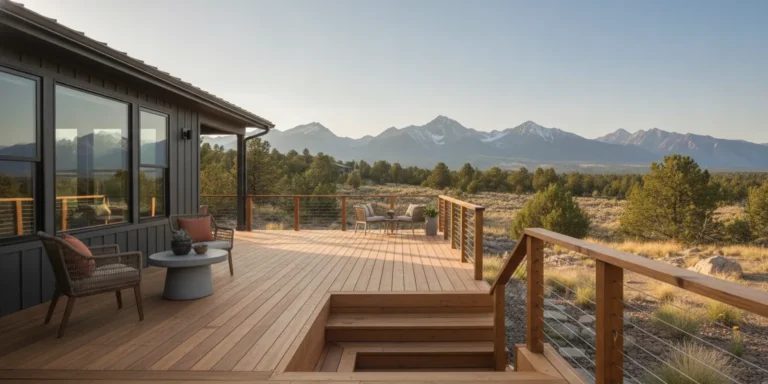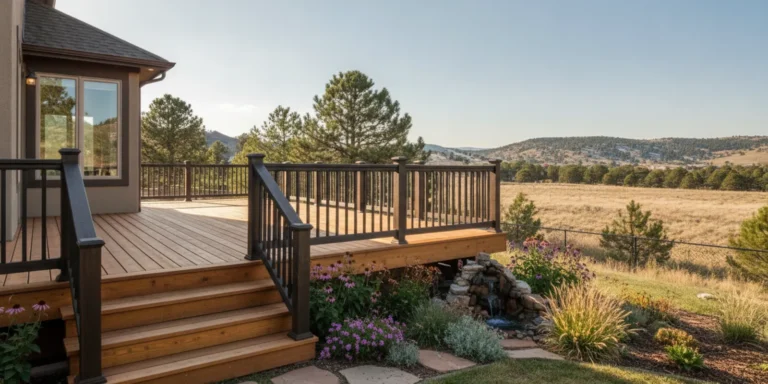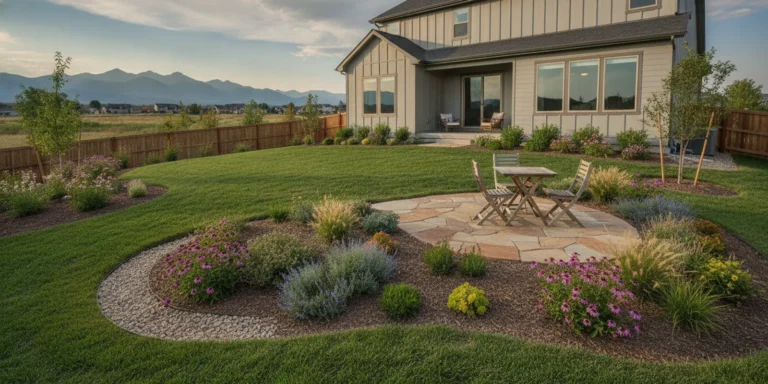

Denver homeowners are rethinking their yards. With mandatory watering restrictions now in effect and Colorado’s snowpack at record lows, the traditional Kentucky Bluegrass lawn has become a liability. Xeriscaping offers a practical, visually striking alternative that works with Denver’s semi-arid climate instead of fighting against it.
Get a free quote on your xeriscape project from Faros Construction
Whether you want to replace a thirsty front lawn, create a low-maintenance backyard retreat, or integrate drought-tolerant plantings with a new patio or fire pit, this guide covers the best xeriscape landscaping ideas for Denver yards, along with plant recommendations, rebate information, and a seasonal timeline to help you get started.
Why Denver Homeowners Are Turning to Xeriscape in 2026
Denver Water declared Stage 1 drought conditions on March 25, 2026, citing the worst snowpack on record in both the Colorado River Basin (55% of normal) and the South Platte River Basin (42% of normal). Mandatory restrictions now limit residential watering to twice per week, and the agency has set a goal of a 20% reduction in water use across its service area.
This matters because outdoor irrigation accounts for 40 to 60 percent of residential water consumption on the Colorado Front Range, according to local water usage data. With Denver averaging just 15.36 inches of precipitation per year and more than 3,100 hours of sunshine, maintaining a traditional turf lawn demands a tremendous amount of water that simply may not be available.
Xeriscaping can reduce irrigation needs by 50 to 75 percent compared to conventional landscapes, according to Colorado State University Extension. And here’s a detail many Denver homeowners don’t know: Denver Water actually coined the term “xeriscape” back in 1978. This approach was literally invented for our climate.
What Is Xeriscaping?
Xeriscaping is a landscaping method that reduces or eliminates the need for supplemental irrigation by using drought-adapted plants, efficient watering systems, and strategic design. The word combines the Greek “xeros” (dry) with “landscape,” and it is built on seven core principles: planning and design, soil improvement, efficient irrigation, appropriate plant zones (called hydrozones), mulching, turf alternatives, and ongoing maintenance.
A common misconception is that xeriscaping means “zero-scaping,” or filling a yard with nothing but rocks and gravel. That couldn’t be further from the truth. A well-designed xeriscape is colorful, layered, and full of life. It uses native grasses, flowering perennials, ornamental grasses, and even small trees arranged in zones based on their water needs. The result is a yard that looks intentional and inviting without requiring constant irrigation.
Before selecting plants or placing any gravel, start with a detailed landscape design plan that maps sun exposure, drainage patterns, and soil conditions across your yard. Good planning is the foundation of every successful xeriscape.
Xeriscape Ideas for Denver Front Yards
Your front yard is the first thing visitors and potential buyers see. These ideas create curb appeal while saving water.
Native Grass Lawn Replacement
Swap Kentucky Bluegrass for Blue Grama or Buffalo Grass. These native species grow in dense, attractive mats and use up to 60 percent less water than traditional turf. They turn golden in winter and green up again in spring, giving your lawn a naturally Colorado look.
Flagstone Pathways with Groundcovers
Replace concrete walkways with flagstone set into decomposed granite or gravel, with creeping thyme or Turkish veronica growing between the stones. The combination adds texture and color while eliminating irrigated turf along your front walk.
Rock Garden with Native Wildflowers
Arrange boulders of varying sizes on a gravel bed, then plant between them with native wildflowers like blanket flower, purple coneflower, and black-eyed Susan. This approach works especially well on slopes where turf struggles and erosion is a concern.
Layered Perennial Entry Garden
Create a welcoming entryway with tiered plantings. Place tall Russian sage or Karl Foerster feather reed grass in the back, mid-height lavender and catmint in the middle, and low-growing sedum or creeping phlox at the border. This layered approach provides color from spring through fall.
Boulder Accents with Native Shrubs
Large boulders paired with native shrubs like Sand Cherry, Apache Plume, or Rabbitbrush create a dramatic, low-maintenance foundation planting. On sloped lots, retaining wall ideas for Denver landscapes can create tiered xeriscape beds that prevent erosion while adding visual depth.
Xeriscape Ideas for Denver Backyards and Outdoor Living
Your backyard is where xeriscaping and outdoor construction come together. Combining hardscape elements with drought-tolerant plantings creates a space that’s both water-smart and functional.
Ready to plan your backyard xeriscape? Contact Faros Construction for a free consultation
Patio Integration with Xeriscape Borders
Replacing turf with a concrete patio installation is one of the simplest ways to reduce water consumption while adding functional outdoor living spaces. Surround the patio with a border of ornamental grasses and flowering perennials for a clean transition between hardscape and garden.
Dry Creek Beds for Drainage and Visual Interest
A dry creek bed made from river rock and larger stones handles stormwater runoff while serving as a striking landscape feature. Line the banks with native sedges and blue avena grass for a natural, riparian feel. This is especially useful on properties with grading challenges.
Fire Pit Areas with Drought-Tolerant Surroundings
A stone fire pit surrounded by decomposed granite and native plantings creates a stunning, water-free gathering area. Use aromatic plants like lavender and catmint nearby so the warmth from the fire releases their fragrance on cool evenings.
Raised Xeriscape Beds with Retaining Walls
Raised beds built with natural stone or concrete block retaining walls allow you to control soil quality and drainage for each planting zone. This is a strong option for yards with heavy clay soil, which is common throughout the Denver metro area.
Pollinator Garden with Native Species
Support Colorado’s native pollinators by dedicating a section of your backyard to plants that attract bees, butterflies, and hummingbirds. Agastache (hummingbird mint), purple coneflower, bee balm, and penstemon all thrive in Denver’s climate with minimal water.
Interlocking paver patios and driveways allow rainwater to filter through joints, supporting natural drainage in your xeriscape layout rather than creating runoff.
Best Plants for Denver Xeriscaping (Zone 5-6)
Denver falls in USDA Hardiness Zones 5 to 6, with winter lows reaching -20 degrees Fahrenheit. The plants below are proven performers in this climate.
| Category | Plant | Sun | Height | Bloom Season |
|---|---|---|---|---|
| Perennial | Russian Sage | Full sun | 3-5 ft | Mid-summer to fall |
| Perennial | Lavender (Munstead) | Full sun | 1-2 ft | Early to mid-summer |
| Perennial | Catmint (Walker’s Low) | Full sun to part shade | 2-3 ft | Late spring to fall |
| Perennial | Purple Coneflower | Full sun | 2-4 ft | Summer |
| Perennial | Yarrow | Full sun | 2-3 ft | Summer |
| Perennial | Agastache (Hummingbird Mint) | Full sun | 2-4 ft | Summer to fall |
| Grass | Blue Grama | Full sun | 1-2 ft | Summer (seed heads) |
| Grass | Karl Foerster Feather Reed | Full sun to part shade | 4-5 ft | Early summer |
| Grass | Blue Avena | Full sun | 2-3 ft | Summer |
| Shrub | Sand Cherry | Full sun | 6-8 ft | Spring |
| Shrub | Apache Plume | Full sun | 4-6 ft | Spring to summer |
| Shrub | Rabbitbrush | Full sun | 3-5 ft | Fall |
| Succulent | Hardy Yucca | Full sun | 2-4 ft | Summer |
| Succulent | Sempervivum (Hen and Chicks) | Full sun | 3-6 in | Summer |
| Shade | Colorado Columbine | Part shade to shade | 1-3 ft | Late spring |
| Shade | Coral Bells | Part shade | 1-2 ft | Late spring to summer |
For areas where you want the look of a green lawn without any irrigation at all, artificial turf installation in Denver is a popular complement to xeriscape designs, though it does not qualify for Denver Water’s turf removal rebate.
How to Plan Your Denver Xeriscape Investment
Professional xeriscape installation in the Denver area typically ranges from $4 to $10 per square foot, depending on slope, plant density, and the amount of hardscape involved. For a typical 1,500-square-foot yard, expect a total investment of $6,000 to $15,000 before rebates.
Denver Water currently offers a turf removal discount of up to $750 for residential customers through its partnership with Resource Central. The program requires removal of at least 200 square feet of irrigated turf, and applications opened on March 9, 2026. Artificial turf does not qualify for this rebate.
Denver Water also provides free xeriscape plans through its “ColoradoScaping” program, with designs available in Budget, Low-Maintenance, and Heavy-Duty options. These pre-designed plans are a helpful starting point, though most homeowners benefit from customizing the design to fit their specific yard conditions.
Over the long term, xeriscaping significantly reduces monthly water bills and maintenance requirements. Homes with professional xeriscaping have been shown to sell 15 to 20 percent faster, and a well-maintained xeriscape can increase property value by 10 to 15 percent, according to 2025 real estate market analysis.
Water-smart landscaping aligns with the biggest outdoor living space trends for 2026, as Denver homeowners increasingly choose climate-resilient, low-maintenance designs.
When to Start Your Denver Xeriscape Project
Timing matters when converting a Denver yard to xeriscape. Here is a seasonal breakdown to help you plan.
- Late Winter (February to March): Begin planning. Assess your yard, map sun and shade zones, and connect with an experienced Denver hardscape and landscape contractor to discuss design options. Apply for Denver Water’s turf removal rebate.
- Spring (April to May): Install hardscape features, including retaining walls, patios, pathways, and dry creek beds. Prepare soil with compost amendments. Set up drip irrigation systems for efficient watering.
- Early Summer (June): Plant perennials, ornamental grasses, and shrubs after the last frost date (typically mid-May in Denver). Water new plantings deeply but infrequently to encourage root development.
- Fall (September to October): This is actually the best time to plant many perennials in Denver. Cooler temperatures and autumn rains help plants establish root systems before winter dormancy. Add 3 to 4 inches of mulch around all plantings.
- Winter (November to February): Water established xeriscapes on warm days above 40 degrees when there has been no recent snow. Plan your next phase if you’re converting your yard in stages.
A phased approach lets you spread the investment over two or three seasons. Start with the highest-visibility area (usually the front yard) and expand into the backyard the following year.
Schedule a free consultation with Faros Construction to plan your xeriscape project
Frequently Asked Questions
What is the difference between xeriscaping and zero-scaping?
Xeriscaping uses drought-adapted plants, efficient irrigation, and smart design to create a colorful, living landscape that requires minimal water. Zero-scaping, by contrast, typically involves covering a yard with rocks and gravel with few or no plants. A properly designed xeriscape includes native flowers, grasses, shrubs, and even trees arranged in hydrozones based on their water needs.
Does Denver offer rebates for xeriscaping?
Yes. Denver Water offers a turf removal discount of up to $750 for residential customers through its partnership with Resource Central. The program requires removing at least 200 square feet of irrigated turf. Denver Water also offers free xeriscape plans through its “ColoradoScaping” program. Note that artificial turf replacement does not qualify for the rebate.
Can I xeriscape part of my yard and keep some grass?
Absolutely. Partial conversion is common and practical. Many Denver homeowners start by converting the front yard or a side strip to xeriscape while keeping a small section of turf in the backyard for children or pets. Even replacing 30 to 50 percent of your turf with drought-tolerant plants can make a significant difference in water use.
How much water will I save with xeriscaping?
According to Colorado State University Extension, xeriscaping reduces irrigation needs by 50 to 75 percent compared to traditional landscapes. Since outdoor watering accounts for 40 to 60 percent of residential water use on the Front Range, a full xeriscape conversion can cut your overall household water consumption by 20 to 45 percent.
What is the best time to start a xeriscape project in Denver?
Begin planning in late winter and install hardscape elements in spring. The best planting windows are early June (after the last frost) for most perennials and September through October for fall planting, which gives roots time to establish before winter. A phased approach over two seasons is common for larger projects.
Do I need a professional, or can I xeriscape myself?
Simple projects like replacing a small turf area with mulch and a few native plants can be done DIY. Larger conversions that involve grading, drainage solutions, retaining walls, irrigation installation, or significant hardscape work benefit from professional help. A contractor experienced in both construction and landscaping can handle soil preparation, drainage engineering, and structural elements that most homeowners can’t tackle alone.
Ready to transform your Denver yard into a water-smart landscape that thrives in Colorado’s climate? Contact Faros Construction for a free consultation and quote. As a family-owned Denver construction company with expertise in both hardscape and landscape, we handle everything from retaining walls and patios to irrigation and planting, so you get a complete xeriscape designed for your specific yard.