
Spring Home Improvement Projects Every Denver Homeowner Should Consider
Spring in Denver arrives with a sense of urgency. After months of freeze-thaw cycles, heavy snow loads, and high-altitude UV exposure, your home has taken a beating. The narrow window between late-season storms and summer heat does not last long. For Denver homeowners who want to make meaningful upgrades before summer bookings fill contractors’ schedules, now is the time to act.Whether you’re looking to repair winter damage, add usable outdoor space, or finally tackle the interior renovation you’ve been putting off, spring home improvement projects in Denver follow a specific logic shaped by Colorado’s climate. This guide walks you through the highest-impact projects to consider and explains why the timing matters more here than almost anywhere else in the country.Ready to start your spring project? Request a free quote from Faros Construction Services and get on the schedule before summer fills up.What Spring Concrete Projects Should Denver Homeowners Prioritize?
Denver homeowners should prioritize concrete repair and new patio installation in spring because freeze-thaw cycles cause the most concrete damage of any season. Addressing cracks and settling early prevents costly structural failures, and spring temperatures provide the optimal curing conditions for new poured concrete. Acting before summer contractor schedules fill is essential.Spring is the single best time to assess concrete damage around your home. Denver’s freeze-thaw cycles (temperatures can swing 40-plus degrees in a single day during March and April) cause water to expand and contract inside concrete pores, widening existing cracks and undermining slabs. After winter, you will often find:- Cracks in driveways, sidewalks, and walkways that have grown over winter
- Settled or heaved concrete slabs around patios and garage aprons
- Spalling on decorative or stamped surfaces that held standing water
- Damaged retaining wall footings where soil shifted under freeze pressure
What to Budget for Concrete in Denver
Concrete driveway replacement in the Denver metro runs approximately $8 to $15 per square foot depending on finish. A 400-square-foot stamped concrete patio typically ranges from $7,000 to $14,000. Resurfacing cracked-but-structurally-sound concrete can extend its life by 10-plus years at a fraction of replacement cost.Should Denver Homeowners Build a Deck or Pergola in Spring?
Yes. Spring is the best time to build a deck or pergola in Denver. Quality contractors book 8 to 12 weeks out, and starting in March or April means your project is designed, permitted, and built before summer. Material selection is critical in Colorado’s high-altitude climate, where UV exposure and heavy snow loads are more demanding than most markets.Denver sees 300 days of sunshine annually, more than Miami, yet most homeowners dramatically underutilize their outdoor space because it lacks structure. A well-designed deck, pergola, or covered porch transforms a backyard from an afterthought into a genuine outdoor living space your family uses from May through October.Spring is when deck and pergola contractors in Denver book up fastest. Starting the conversation in March or April means your project is designed, permitted, and built before summer hits. Contractors who start in June often cannot promise completion until August.Denver Decking Material Comparison
| Material | Cost (per sq ft) | Maintenance | UV/Snow Performance | Best For |
|---|---|---|---|---|
| Pressure-Treated Lumber | $15-$25 | Annual sealing required | Fair (degrades faster at altitude) | Budget-conscious builds |
| Cedar / Redwood | $25-$40 | Seal every 2-3 years | Good (natural oils resist UV) | Aesthetic appeal, mid-range budget |
| Composite Decking | $40-$65 | Minimal (rinse annually) | Excellent (no warping or splitting) | Long-term value, low maintenance |
Adding a Pergola for Year-Round Use
A pergola paired with a retractable canopy or motorized shade system extends your outdoor season significantly. Denver’s afternoon sun can make uncovered spaces uncomfortably hot from late May through August. A pergola provides shade while maintaining the open-air feel most homeowners want. Options in cedar, aluminum, or vinyl each carry different maintenance profiles worth discussing with your contractor.Thinking about a deck or pergola this spring? Browse Faros deck and pergola work or request a quote to get on the calendar.How Should Denver Homeowners Approach Spring Hardscape Projects?
Spring hardscape projects in Denver should start immediately after ground thaw. Workable soil that has not yet dried to summer hardness is ideal for excavation and base prep. Retaining walls, patios, walkways, and drainage systems all perform better when installed in this narrow spring window, and neglected retaining walls often show winter damage that worsens without early intervention.Retaining walls are among the most commonly deferred projects in Denver’s hillside and sloped properties. Spring often reveals the damage that accumulated over winter: bowing walls, cracked caps, drainage blockages that caused hydrostatic pressure to build behind the wall face. A retaining wall that shifts or leans more than one inch per four feet of height typically needs professional assessment.For homeowners in Aurora, Littleton, Highlands Ranch, and Parker, areas with significant grade change, a hardscape contractor familiar with Colorado’s soil and drainage conditions is essential. Retaining walls in these markets need to be engineered with proper deadman anchors, gravel backfill, and perforated drain pipe to handle Denver’s spring snowmelt runoff, which can be substantial.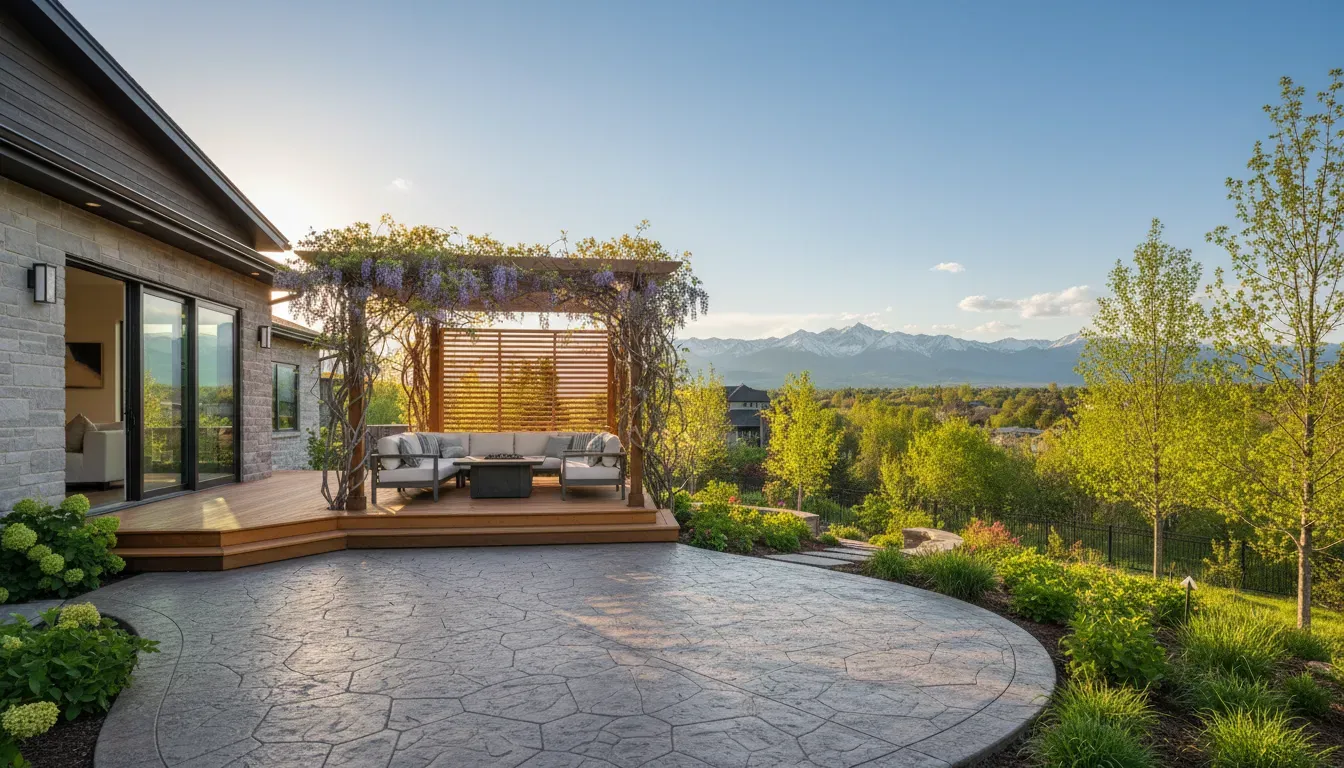
Spring Landscaping That Survives Denver’s Climate
Hardscape projects become significantly more impactful when paired with thoughtful planting. Denver’s high-desert climate favors drought-tolerant species. Blue grama, buffalo grass, Russian sage, and native wildflowers thrive without the irrigation demands of traditional turf. Many Denver homeowners are converting traditional lawn areas to low-water hardscape with plant beds, reducing water bills by 30 to 50 percent while adding year-round visual interest.Are Spring Kitchen and Bathroom Remodels a Smart Investment in Denver?
Yes. Spring is the strategically optimal time to schedule kitchen and bathroom remodels in Denver. The best contractors book 8 to 12 weeks out, so engaging in March or April secures quality crews before summer demand peaks. Homeowners who wait until summer frequently settle for whoever is available rather than who is best. Spring tax refunds and HELOC access also make financing easier.Interior remodels may seem disconnected from spring’s outdoor focus, but there is a strategic reason to schedule them in spring: contractor availability. Denver’s construction market is competitive, and the best remodeling contractors book 8 to 12 weeks out. Homeowners who engage in March and April lock in quality crews for April to June installation windows, while those who wait until summer often choose from whoever is available rather than whoever is best.Spring is also when many Denver homeowners complete their tax returns and have a clearer picture of financing options. A home equity line of credit (HELOC) on a $600,000 Denver home with 40 percent equity gives substantial project budget at lower rates than personal financing, making spring a natural moment to commit to larger projects.For kitchen remodels, the highest-ROI improvements in the Denver market include:- Cabinet refacing or replacement with soft-close hardware
- Quartz countertop installation (more durable than granite in Colorado’s dry climate)
- Under-cabinet lighting and updated electrical for modern appliances
- Improved ventilation to address Denver’s unique altitude-adjusted cooking dynamics
What Makes Outdoor Living Spaces a Top Spring Investment in Denver?
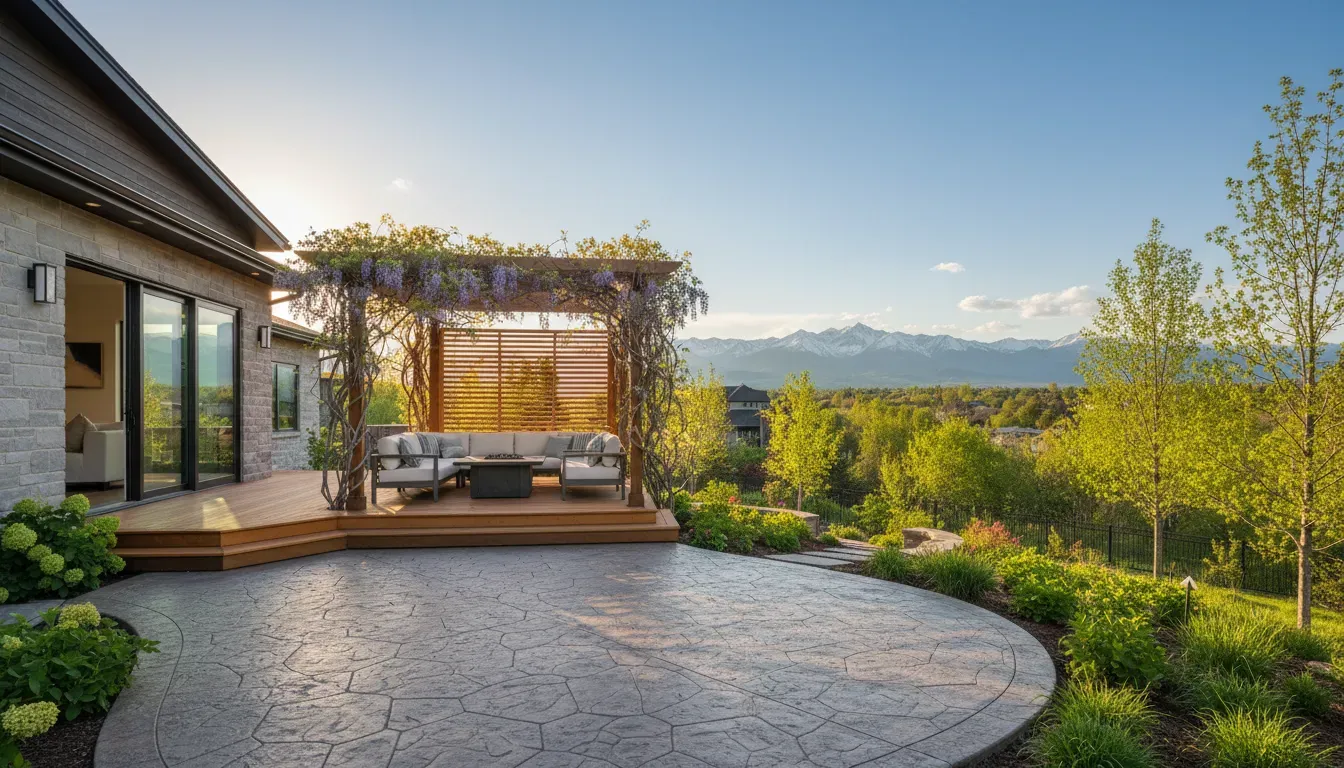
Denver’s 300 days of annual sunshine and a 7-month usable outdoor season from April through October make integrated outdoor living spaces one of the highest-ROI spring investments available. Combining a patio, outdoor kitchen, fire feature, pergola, and lighting into a single cohesive design creates an exterior room that functions as an extension of the home and adds 10 to 15 percent perceived market value.The fastest-growing category in Denver residential construction is the integrated outdoor living space, a cohesive design that combines a patio, outdoor kitchen, fire feature, pergola, and lighting into a single functional environment. These projects move well beyond a standalone deck or fire pit and instead create a fully equipped outdoor room that functions as an extension of the home’s interior.A well-designed outdoor living space in Denver can include:- Built-in grills and prep surfaces: Stainless steel construction specified for Colorado’s temperature swings
- Fire pits or outdoor fireplaces: Gas fire features extend usable evenings well into fall; wood-burning options add ambiance but require proper Denver air quality compliance
- Seating walls and raised planters: Structural hardscape features that define the space and eliminate the need for moveable furniture
- Integrated lighting: Low-voltage landscape lighting extends usable hours and dramatically improves ambiance
- Shade structures: Pergolas with adjustable louvers or sail shades manage Denver’s intense afternoon sun
Why Spring Timing Is Critical for Denver Home Projects
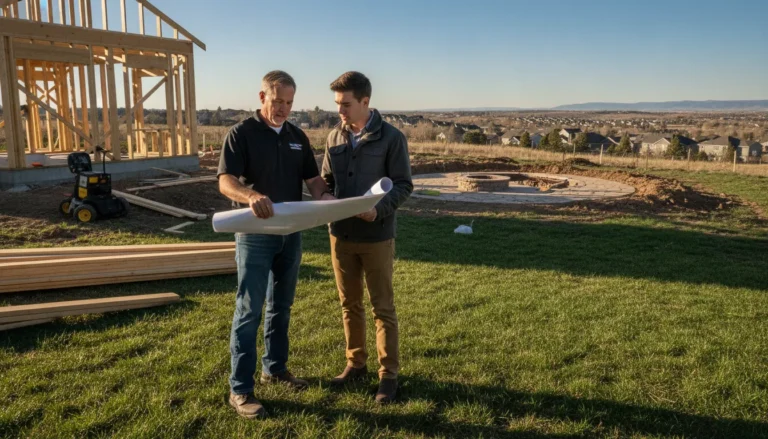
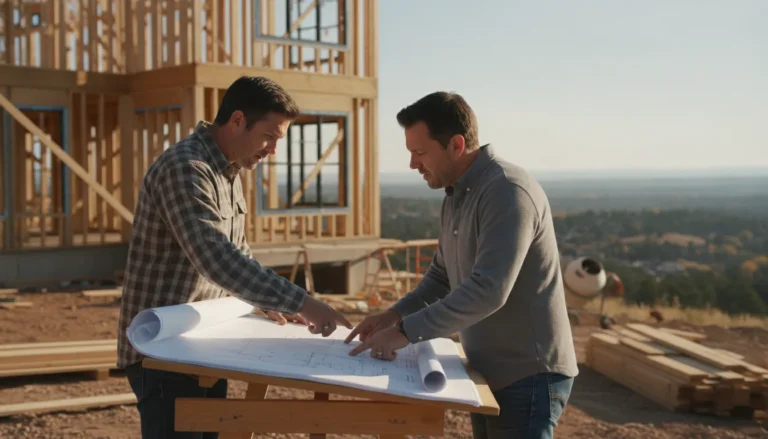
Denver homeowners must act in spring because the realistic outdoor construction window runs only from late April through early October, roughly 24 weeks. Quality contractors book 8 to 12 weeks in advance. Material lead times for custom pergola systems and outdoor kitchen components can run 4 to 8 weeks. Permitting in Denver and surrounding counties takes 3 to 6 weeks. Missing spring means waiting until the following year.A homeowner who calls in April and wants work done by July 4th is on a realistic but tight timeline. A homeowner who calls in June for the same window is almost certainly looking at an August completion at the earliest, if they can find the right contractor at all.Starting the planning conversation now, even if construction does not begin for 6 to 8 weeks, gives you access to the best crews, the best material availability, and the most favorable scheduling flexibility.How to Choose the Right Contractor for Spring Projects in Denver
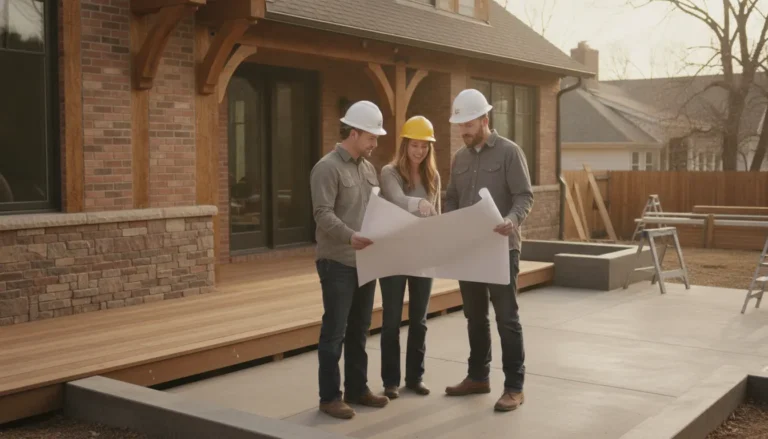
The Denver construction market includes contractors ranging from well-credentialed professionals to unlicensed operators who emerge seasonally. For any project over $5,000, verify the following before signing a contract:- Licensed in Colorado: Check the Colorado Department of Regulatory Agencies (DORA) contractor database
- Bonded and insured: General liability and workers’ compensation protect you if something goes wrong on your property
- Permit pulling: Any contractor who suggests skipping permits on structural work (decks, additions, retaining walls) is a significant liability risk; unpermitted work can void homeowner’s insurance and complicate future sales
- Local references: Ask for references from projects in your specific city or neighborhood. Denver’s soils, HOA regulations, and code requirements vary significantly from suburb to suburb
- Owner involvement: Understand who will actually be overseeing your project day-to-day; large crews with high subcontractor turnover often produce inconsistent results
Frequently Asked Questions
When is the best time to start a home improvement project in Denver?
The best time to start planning is late winter (February to March) so your project is designed, permitted, and scheduled before the spring rush. Most quality contractors in Denver are booked 8 to 12 weeks out during peak season. For outdoor projects like decks and concrete, actual construction typically begins in late April once overnight temperatures consistently stay above freezing.What spring home improvement projects add the most value in Denver?
In Denver’s market, projects with the strongest ROI include deck additions (especially composite decking with built-in features), outdoor living spaces with fire features, kitchen remodels, and concrete patio installation. Outdoor living upgrades are particularly valued by Denver buyers given Colorado’s 300 annual days of sunshine.Do I need a permit for a deck or patio in Denver?
Yes. In Denver and most surrounding municipalities, decks over 200 square feet or 30 inches off the ground require a building permit. Structural retaining walls over 4 feet in height also typically require permits. A licensed contractor will handle all permitting as part of the project. Avoid any contractor who suggests skipping this step.How do Denver’s freeze-thaw cycles affect which materials I should choose?
Denver’s frequent freeze-thaw cycles significantly impact material selection. For concrete, air-entrained mixes are essential as they create microscopic bubbles that accommodate water expansion. For decking, composite materials are more resistant to the repeated wetting and drying cycles that cause natural wood to check and split. For hardscape, proper drainage design is critical. Without it, water accumulation behind retaining walls or under patio slabs accelerates damage dramatically.How long does a typical spring construction project take in Denver?
Project timelines vary by scope. A concrete patio typically takes 1 to 2 weeks from pour to completion (allowing for curing time). A custom deck project usually runs 2 to 4 weeks. A full outdoor living space integration with kitchen, pergola, and fire feature may take 6 to 10 weeks. Kitchen or bathroom remodels typically run 4 to 8 weeks depending on scope. Add 3 to 6 weeks for permitting ahead of your construction start date.How do I know if my concrete needs repair or full replacement?
Surface cracks under 1/4 inch wide that are not accompanied by vertical displacement (one side higher than the other) can often be repaired. Cracks wider than 1/4 inch, sections that have heaved or settled significantly, or concrete that is crumbling or spalling extensively typically warrant replacement. A professional assessment, which Faros offers at no charge, will give you a clear recommendation based on the actual condition of your specific slab.Spring home improvement projects in Denver reward early movers. The homeowners who plan in February and March get their choice of contractors, materials, and scheduling windows. Those who wait until June manage around everyone else’s constraints. If you’re ready to get your project on the calendar, contact Faros Construction Services for a free, no-obligation consultation.