
Faded siding and peeling trim across a neighborhood signal neglect and lower property values for the entire community. For Denver property managers, finding a reliable HOA painting contractor Denver property managers trust is the difference between a thriving community and one that suffers from deferred maintenance. A successful exterior refresh requires choosing an experienced contractor who understands multi-building HOA projects.
Ready to protect your community’s investment? Schedule a free consultation with Faros Construction Services today and learn how our team delivers lasting results for Denver-area HOAs.
An HOA painting contractor Denver property managers hire, like Faros Construction Services, manages the entire project from initial property assessment through final walk-through to protect shared community assets. The team at Faros Construction uses durable paints suited to Colorado’s variable climate and creates phased timelines that minimize disruption during multi-family painting projects. By focusing on meticulous surface preparation and color consistency across all neighborhood buildings, the contractor protects the association’s long-term investment. This structured approach ensures peace of mind for homeowners across the Denver Metro Area.
But what does a complete HOA exterior painting project involve? Understanding the process from start to finish helps board members and property managers make informed decisions that protect their community’s curb appeal and property values.
Why Does Surface Preparation Matter for HOA Painting Projects?
At Faros Construction Services, we know that surface preparation is the most critical step for any community paint job. It ensures the new coatings bond properly and last for years. Skipping this vital work leads to quick peeling and fading, which wastes time and community funds. When an HOA board invests in a new exterior look, the results must withstand Denver’s freeze-thaw cycles and intense UV exposure. Proper preparation is the only way to protect underlying wood and stucco from moisture damage.
The high labor of proper preparation
A great paint job depends on the work done before any paint touches the wall. Professional crews spend days washing, scraping, and repairing surfaces before opening a paint can. This careful process takes significant time and effort. It is not about simply spraying a new color over a dirty or damaged surface.
According to the Colorado Division of Housing, proper exterior maintenance is essential for preserving affordable housing stock across the state. Surface preparation accounts for the majority of project labor in any professional exterior coating project. A reliable HOA painting contractor Denver teams recommend uses this level of care to make sure the work lasts. Faros Construction Services invests heavily in these early steps to protect your shared assets.
Why paint coatings fail in Colorado’s climate
When painters skip steps, the new paint fails prematurely. Moisture becomes trapped under the new layer, creating bubbles and cracks. Colorado’s high-altitude sun accelerates this deterioration through intense UV exposure. The result is peeling that ruins the look of the buildings and exposes wood to rot.
The Colorado Department of Public Health and Environment notes that Denver’s semi-arid climate with over 300 days of sunshine per year creates unique challenges for exterior finishes. To prevent failures, boards should hire experts who emphasize the initial preparation steps. Proper work protects the shared homes and keeps them looking fresh. It also saves your community from having to redo the project early.
Five key preparation steps Faros follows on every HOA project
Our crews follow a clear, repeatable plan to prepare building exteriors:
- Power washing – Clean all surfaces to remove dirt, mold, and loose debris accumulated over years of Denver weather exposure.
- Scraping and sanding – Remove old, loose paint so the new coating can bond properly to the substrate beneath.
- Repair and replacement – Fix rotted wood, cracked stucco, and damaged trim pieces before any paint is applied.
- Priming – Apply primer to all bare wood, metal, and previously unpainted surfaces to ensure even adhesion.
- Caulking and sealing – Seal gaps around windows, doors, and building transitions to prevent moisture intrusion.
This systematic approach is why professional painting and surface preparation keeps Denver-area homes safe from harsh weather conditions.
How Should Property Managers Plan an HOA Painting Timeline?
At Faros Construction Services, we recommend starting the planning process twelve to eighteen months before you want painting to begin. This window gives boards enough time to assess property conditions, gather detailed bids, and communicate with residents. The goal is a smooth project without surprises.
Phase one: Property assessment and reserve review
Planning begins with a thorough inspection of all buildings. Board members should walk the property to identify wood rot, cracks, peeling paint, and areas needing repair. This inspection should take place twelve to eighteen months before the target painting date.
Simultaneously, the board must review its reserve study. Exterior painting is a major reserve expenditure that requires careful financial planning. Boards that track funding levels can prevent shortfalls when the project is ready. Regular paint work is essential to protect community buildings from Denver’s freeze-thaw moisture cycles.
Phase two: Scope writing and bid collection
Once you know what needs work, write a detailed scope document. It should outline every building, trim piece, fence, and accent surface that needs paint. A comprehensive scope ensures all contractors bid on the same work, making comparison fair and accurate.
Nine to twelve months before the project, send out your request for proposals to qualified contractors. Allow four to six weeks for contractors to prepare their bids. This timeline gives them enough time to visit the site, take measurements, and prepare detailed proposals.
During the selection phase, nine to six months before work begins, compare the bids carefully. Do not default to the lowest bid. Check references, verify Colorado contractor licensing, and look for a team with specific HOA project experience in the Denver Metro Area.
Phase three: Final schedule and resident communication
Six to three months before painting starts, finalize the schedule with your chosen contractor. Lock in dates, set the daily workflow, and designate parking and staging zones for equipment and materials.
This is also the time to notify residents. Clear communication helps minimize disruption during major property improvements. Send written notices explaining when painters will be on-site, where vehicles must be parked, and how to prepare patios, balconies, and window areas.
Working with experienced HOA painting services ensures a seamless transition from planning to execution. Faros Construction assigns a dedicated project manager to oversee daily progress and ensure the crew meets all quality standards.
| Project Phase | Timeline | Key Activities |
|---|---|---|
| Property Assessment | 18 to 12 months out | Inspect building surfaces, identify rot, review reserve study |
| Request for Proposals | 12 to 9 months out | Write scope of work, send RFPs, allow 4-6 weeks for bids |
| Contractor Selection | 9 to 6 months out | Compare proposals, check references, verify insurance and license |
| Resident Notification | 6 to 3 months out | Finalize schedule, notify residents about parking and staging |
| Project Execution | 3 to 0 months out | Set up staging, begin preparation, oversee daily progress |
Ensuring Color Consistency Across Your HOA Community
Faros Construction Services knows that keeping paint colors consistent across all buildings protects the visual character of your neighborhood. Working with a skilled team ensures every building matches the community standard. This attention to uniformity keeps the entire property looking cohesive for years after the project completes.
The impact of visual uniformity
When buildings stand side by side, even subtle color differences become noticeable. If one building has a slightly different shade, the entire street can appear neglected. This decline in visual appeal affects how potential buyers and renters perceive the community.
To maintain a clean appearance, communities should use clear color schemes that unify all parts of the buildings. Standard architectural practice divides exterior colors into three groups: base, trim, and accent. This separation highlights architectural details without breaking the visual flow of the neighborhood.
Avoiding batch variation in paint orders
Even when you order the exact same color code, paint produced at different times can vary slightly. These small differences are called batch variations, and they become noticeable once the paint dries on the wall. Too much variation means color shifts even on buildings painted only days apart.
To avoid this problem, your contractor must order enough paint from the same production batch to complete the entire property at once. Bulk ordering also ensures consistent texture and sheen. An experienced HOA painting contractor Denver boards rely on knows how to measure paint needs accurately. Faros Construction Services coordinates with suppliers to secure single-batch quantities for every HOA project.
Creating digital color records for future maintenance
Long-term upkeep requires organized records. Property managers should maintain a digital file of all paint specifications. This record should list the paint manufacturer, product line, color code, sheen level, application date, and the contractor who performed the work. Having this information on hand makes future touch-ups simple and accurate.
A digital record also helps when you need to replace damaged trim or accent pieces. Your team can quickly find the exact match without guessing or testing paint samples. This system protects your community’s character and saves time on every maintenance project.
What Should Boards Know About Budgeting for HOA Painting Projects?
Proper budget planning requires careful use of reserve funds to cover exterior painting expenses. Working with a reliable contractor helps align maintenance schedules with reserve targets. This prevents financial strain on the association.
Reserve study and funding levels
Every board should start by reviewing its latest reserve study. This document shows whether the association has saved enough money for planned major projects. Under Colorado’s Common Interest Ownership Act, HOAs must maintain adequate reserves for the repair and replacement of common elements. This includes exterior painting of buildings and shared structures.
Regular funding reviews ensure the association has enough resources when the time comes to paint. Boards that track funding levels proactively can prevent special assessments and keep monthly dues predictable for homeowners.
Phasing and financial planning
If reserve levels are lower than ideal, boards can consider phasing the work over two or three years. This means painting some buildings this year and finishing the rest later. Phasing spreads out the cash requirements so the board does not have to raise fees or impose a special assessment.
A thoughtful phasing plan keeps the property looking refreshed while maintaining a healthy HOA budget. Painting the most visible buildings first protects curb appeal while you build reserves for the remaining work. Faros Construction Services can help design a phasing plan that balances aesthetics, budget, and long-term maintenance goals.
Working with experienced HOA painting services ensures your community gets expert guidance on project scoping and financial planning from the outset.
Inflation and quality considerations
Boards must also account for inflation in their planning. Material costs and labor rates tend to rise over time. Waiting too long to paint can increase total project costs significantly. The Colorado Division of Housing provides guidance on maintenance planning for community associations. They emphasize that proactive upkeep saves money over the long term.
It is also essential to prioritize quality over the lowest bid. Selecting cheap paint or skipping preparation steps might seem like a way to save money. But inferior paint jobs fail quickly in Denver’s high-altitude climate with intense UV radiation and freeze-thaw cycles. You will end up repainting much sooner than expected. Choosing a skilled team like Faros Construction Services means the new finish will last. This preserves your neighborhood’s property values and keeps reserve funds safe from repeated touch-ups.
Minimizing Resident Disruption During an HOA Painting Project
Faros Construction Services believes a clear communication plan focused on schedules and daily updates keeps a community running smoothly during painting. When a local HOA painting contractor Denver handles the work, residents stay informed about project changes, parking arrangements, and building access.
Clear notices and proactive communication
Early notices are the first step in any successful HOA project. Property managers should send a notice to all residents at least two weeks before work begins. This notice should outline when crews will arrive, how long work will take on each building, and what daily operations will look like.
An effective communication plan also helps boards spot potential issues early. Regular walk-throughs during the project catch problems like paint splatter on windows or incomplete coverage before they become resident complaints. According to the Colorado Division of Housing, proactive maintenance of community housing supports neighborhood stability and property values across the state.
Managing parking, staging, and daily access
Painting crews need designated areas for equipment and material staging. Parking plans should be communicated clearly so residents know where to park during each phase of the project. A good contractor rotates staging areas efficiently to minimize the number of parking spots occupied at any given time.
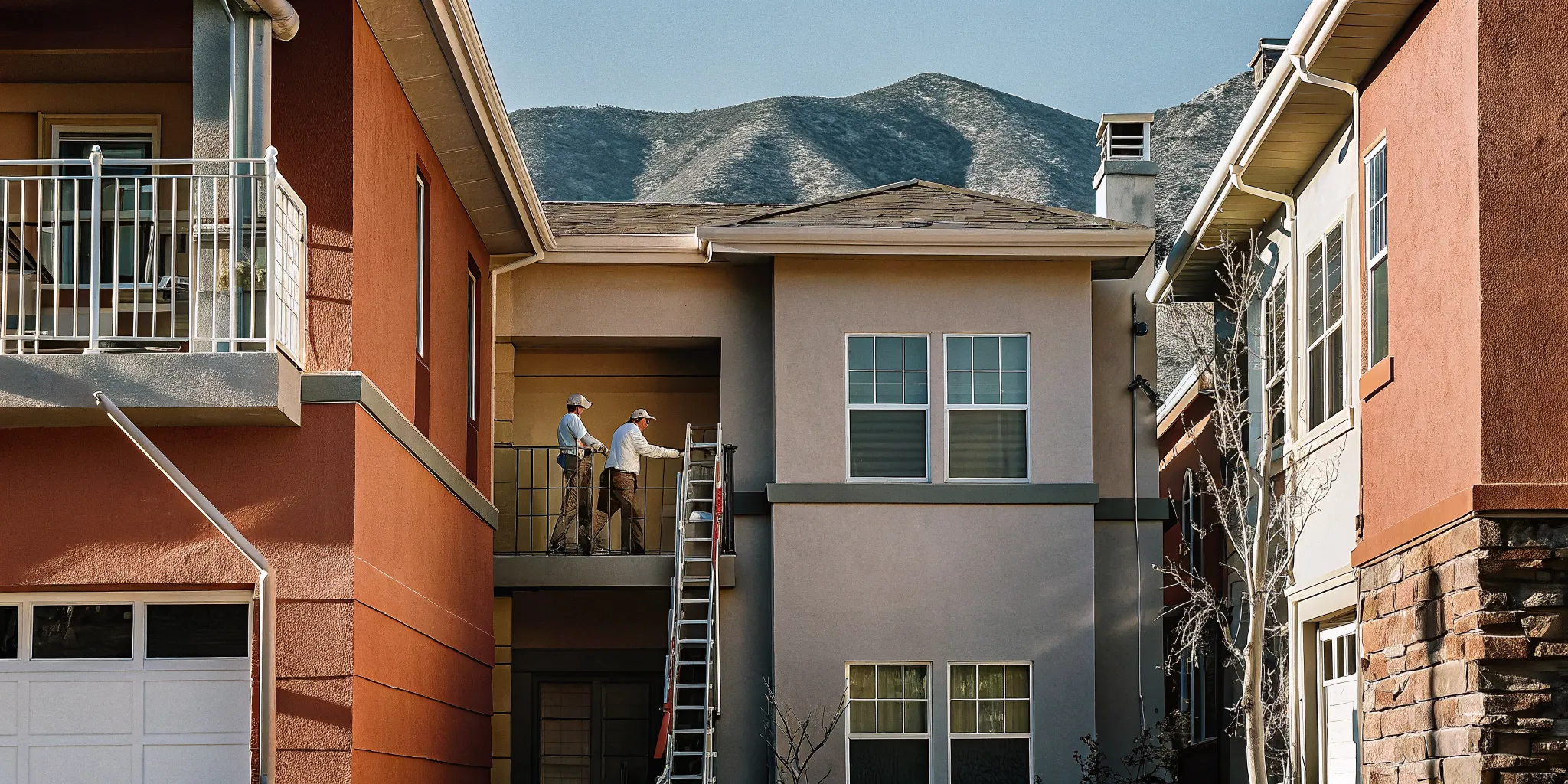
Residents should also know what to expect in their immediate area. Will painters need access to balconies? Will there be ladder setups near bedroom windows? Faros Construction Services provides detailed daily schedules so residents can plan around the work. This transparency reduces frustration and keeps neighbor relations positive throughout the project.
Post-project inspection and warranty follow-through
After the painting is complete, schedule a final walk-through with your contractor. The project manager should inspect every building with board representatives, noting any missed spots, drips, or areas needing touch-up. Faros Construction Services stands behind every HOA project with warranty coverage and responsive follow-up service.
A thorough final inspection protects the association’s investment. It ensures the new paint job delivers the expected longevity. Documenting the completed work with photographs and notes creates a valuable record for future maintenance planning.
Choosing the Right HOA Painting Contractor for Your Denver Community
Faros Construction Services brings over 30 years of combined construction experience to every HOA painting project. Owner Ricardo Alfaro, a master craftsman with degrees in mathematics and data analytics, personally oversees every project from initial consultation through final walk-through. This owner-led accountability means your HOA board works directly with the person responsible for quality outcomes.
When evaluating contractors for your community, look for these qualifications:
- Colorado contractor licensing – Verify active licensing with the state
- HOA-specific experience – Ask for references from similar multi-building projects
- Insurance and bonding – Confirm liability coverage and performance bonds
- Local knowledge – Choose a contractor familiar with Denver’s climate and building codes
- Detailed written proposals – Avoid contractors who give verbal estimates without specifications
Faros Construction Services offers free consultations for HOAs considering exterior painting projects. Our team will walk your property, assess current conditions, and provide a detailed proposal with clear timelines and transparent pricing.
Frequently Asked Questions About HOA Painting in Denver
Property managers and board members often have questions about the process of hiring an HOA painting contractor Denver communities count on. Here are answers to the most common concerns.
How often should an HOA repaint its buildings?
Most HOAs in the Denver Metro Area need exterior repainting every 5 to 8 years, depending on the type of siding, previous paint quality, and sun exposure. An annual inspection helps boards catch early signs of fading or peeling.
Does an HOA board need multiple bids?
Yes, it is standard practice to obtain at least three detailed bids from licensed Colorado contractors. Faros Construction Services provides comprehensive written proposals that make comparison straightforward.
How can property managers minimize disruption?
Clear communication is the most effective strategy. Send written notices at least two weeks in advance, provide daily parking updates, and work with a contractor who phases work building by building.
Can an HOA paint just one building at a time?
Yes, phasing a project over two or three years is a common strategy for HOAs with limited reserves. Faros Construction Services can help design a plan that balances budget and aesthetics.
What warranty should an HOA expect?
Reputable contractors typically offer a one-year workmanship warranty covering peeling, blistering, or flaking due to improper application. Faros Construction Services stands behind every HOA project with comprehensive warranty coverage.
Ready to get started? Contact Faros Construction Services today to schedule your free community consultation. Our team will assess your property, answer your questions, and deliver a detailed proposal tailored to your HOA’s specific needs. Protect your community’s value with a professional painting partner who puts quality first.