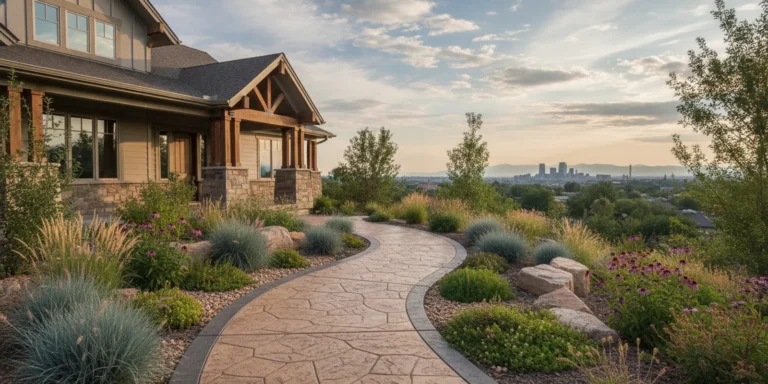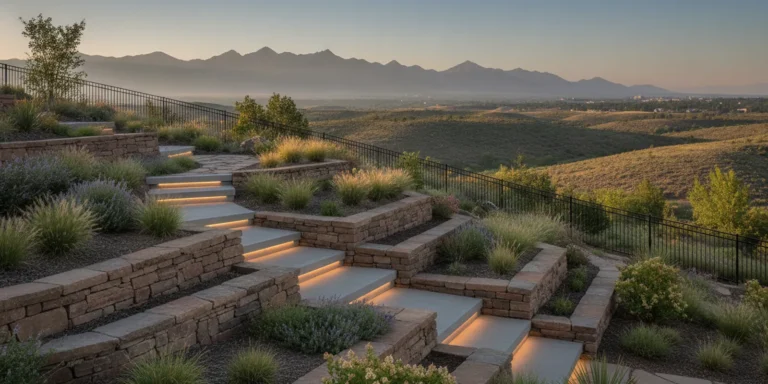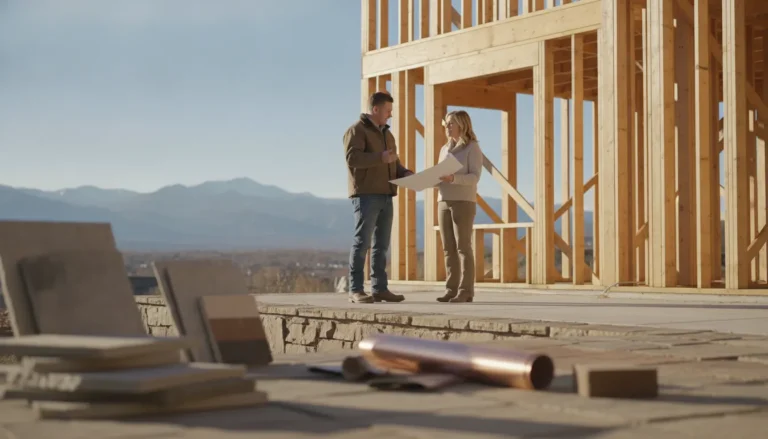

Stamped concrete can give a Denver Metro Area patio or walkway the texture of brick, stone, or wood while keeping the continuous surface of poured concrete. The finished result depends less on the stamp pattern alone than on disciplined preparation, color application, timing, curing, and sealing.
Stamped concrete installation combines integrally colored concrete, dry-shake color hardener, textured stamps, curing, highlight coloring, and a protective sealer. Each stage supports the next, helping the surface look intentional and withstand outdoor exposure.
Talk with Faros about your patio or walkway project.
Before choosing colors or borders, it helps to understand what the technique actually changes in the concrete surface and why the sequence matters. That foundation makes the pattern, finish, and long-term maintenance decisions much easier to evaluate.
What Is Stamped Concrete Installation?
Stamped concrete installation is a decorative concrete process that creates the appearance and texture of materials such as brick. Natural stone, slate, or wood on a newly poured slab. It combines integral color, dry-shake color hardener, and carefully timed texture stamping to produce a finished patio or walkway with a designed surface.
The process begins with freshly placed concrete, while the material is still workable. The installer establishes the slab’s shape and level, then applies a dry-shake color hardener across the surface. As documented in the stamped concrete care manual, this hardener helps create a more intense, uniform color and increases surface hardness. That added hardness is useful on outdoor areas that receive regular foot traffic, furniture, and seasonal exposure.
Color hardener is only part of the visual system. Integral liquid color can tint the concrete throughout the mix, creating a base tone beneath the surface. A contrasting antique or highlight color can then settle into the textured recesses, giving the pattern more depth. This layered approach helps a stamped surface look less flat than a single-color finish and can support a design that fits the surrounding home and landscape.
Once the concrete reaches the correct stage of firmness, the crew positions texture stamps and presses them into the surface in a planned sequence. The stamps transfer the selected pattern without installing individual pieces of brick or stone. After the concrete cures, the installer applies the highlight color and sealer, completing the protective and decorative finish. Timing matters throughout the work. Stamping too early can distort the pattern, while waiting too long can prevent the texture from transferring cleanly.
Denver Metro Area homeowners often choose this method for patios and walkways because it offers broad design flexibility while keeping the surface continuous. A well-planned layout can define an outdoor living area, complement the home’s architecture, and provide a coordinated route through the landscape. The result depends on more than the stamp pattern. Site assessment, appropriate preparation, material selection, and local knowledge all contribute to how the finished surface performs through changing conditions. Faros serves homeowners across 13+ Denver Metro Area cities, with attention to local codes, site conditions, and climate requirements.
Popular Stamped Concrete Patterns and Colors for Denver Patios
The best stamped concrete patio combines a pattern that suits the home’s architecture with colors that look natural in the surrounding landscape. Popular choices include slate, cobblestone, brick, flagstone, wood plank, and stone designs, with base and accent colors selected together for a balanced finish.
Pattern selection determines the visual character of the patio. Ashlar slate creates broad, orderly shapes with the appearance of cut stone, while cobblestone delivers a more traditional, small-scale texture. Brick patterns can reinforce a classic or historic architectural style, especially when used as a field pattern with a contrasting border. Flagstone offers irregular shapes and a relaxed, natural appearance. Wood plank patterns bring linear detail to contemporary or rustic outdoor spaces, and stone patterns can connect the patio visually to existing walls, steps, or landscape features.
These patterns are formed in the fresh concrete, so alignment and layout matter as much as the stamp itself. A skilled installer plans the direction of the pattern around the home’s sight lines, patio edges, steps, and doors. That approach avoids an awkward transition at the main entrance and helps the finished surface feel like part of the property rather than an isolated slab. For more design direction, review these concrete patio ideas before choosing a final layout.
Color is built in layers. Integral liquid color can establish a consistent base tone throughout the concrete pour. While dry-shake color hardener adds a more concentrated surface color and helps harden the wearing surface. Using both allows the installer to develop depth rather than relying on one flat shade. The base might be a warm gray, earth tone, muted red, or another color that complements the home. The right selection depends on siding, masonry, roofing, trim, and nearby plantings.
An antique or highlight color adds definition after the pattern has been stamped and the concrete has cured. It settles into texture and joints, creating visual variation that helps slate, brick, and stone patterns read more convincingly. The highlight should support the base color, not overpower it. A restrained accent usually produces a more natural result than a sharply contrasting one, particularly across a large patio.
Professional stamped concrete installation treats these decisions as a coordinated design exercise. Patterns and colors can be custom-selected to match the home’s architecture, and decorative finishing can serve as an architectural element in its own right. Bring photos of the house, existing hardscape, and preferred outdoor furnishings to the planning conversation so the final combination reflects the property and remains visually cohesive.
The Stamped Concrete Installation Process, Step by Step
A reliable stamped concrete installation follows a deliberate sequence from site review through sealing. The most important control point is timing: the concrete must be firm enough to hold a pattern, yet workable enough for the stamp to create a consistent impression.
- Assess the site and confirm requirements. The crew reviews the proposed patio or walkway, drainage, access, grade, and existing soil conditions. Permitting and final inspection requirements should be addressed before work begins. Site assessment, permitting, and inspection help confirm that the installation meets applicable standards. Faros Construction Company serves the Denver Metro Area with local climate and code considerations in mind.
- Prepare and compact the subgrade. Excavated areas need a stable, properly shaped base before concrete is placed. Support conditions and slab geometry affect structural performance, so this stage should account for drainage and the loads the surface will carry. A rushed subgrade can undermine an otherwise attractive finish. For a related look at the broader sequence, review the concrete patio installation process.
- Place the concrete. The concrete is poured and worked to the planned elevations and contours. Integral liquid color may be incorporated into the mix to provide a consistent base tone throughout the pour. The surface is then screeded and finished so it is ready for the coloring and texturing stages.
- Apply the dry-shake color hardener. A dry-shake color hardener is broadcast over the surface and worked into the concrete. It helps create a more intense, uniform color and increases surface hardness, which matters on frequently used patios and walkways.
Talk with Faros about planning your stamped concrete project.
- Stamp at the correct time. This is the precision stage. Stamping too early can cause the pattern to sink, smear, or lose crisp edges. Waiting too long can prevent the tools from making a complete impression. The installer checks the concrete’s firmness across the work area, then places and aligns the stamps in a controlled progression so the texture remains consistent.
- Allow the surface to cure. After the texture is established, the concrete must cure before decorative finishing continues. The curing period protects the developing surface and gives the slab time to gain strength. Site conditions and the concrete mix influence the schedule, so the crew should follow a project-specific curing plan rather than rush the next step.
- Add the antique highlight. Once the surface is ready, an antique highlight color can be applied to settle into the texture and bring out pattern depth. This secondary tone adds visual variation while preserving the base color established by the integral liquid and hardener.
- Seal the finished concrete. The final sealer protects the decorative surface and helps defend against water and de-icing chemicals. A municipal stamped-concrete care manual identifies a low-sheen. Siloxane-modified methyl methacrylate sealer for this purpose and describes sealer as a sacrificial layer that wears before the concrete structure is damaged. Read the referenced care guidance for the documented installation and maintenance sequence.
How Sealing Protects Stamped Concrete in Colorado’s Climate
Sealing is essential for stamped concrete in the Denver Metro Area because it helps limit damage from moisture, freeze-thaw cycles, and de-icing salts. A properly selected low-sheen sealer protects the decorative surface while preserving its texture and helping the patio or walkway remain safer underfoot.
Concrete can perform well for many years, but durability depends on the environment it must withstand. In Colorado, water can enter small pores and then expand as temperatures fall below freezing. De-icing salts add another risk. When salt and water work together at the surface, they can accelerate deterioration, particularly during repeated winter freeze-thaw cycles. The Federal Highway Administration notes that concrete exposed to chemical deicers in a wet, freeze-thaw environment can deteriorate far more quickly than concrete in a mild, dry setting. Read the FHWA guidance on concrete durability for additional technical context.
For stamped surfaces, a low-sheen, siloxane-modified methyl methacrylate sealer is one documented protection option. The low-sheen finish helps avoid an overly glossy appearance that can distract from the stamped texture. More importantly, the coating creates a first line of defense against water and de-icing chemicals. Sealer selection and application should account for the surface condition, weather, cure time, and the intended use of the space.
The sealer is a sacrificial layer
Sealer should not be treated as a permanent shell. It is a sacrificial coat designed to wear before the stamped concrete structure is damaged. That makes inspection and timely renewal part of responsible maintenance. A worn or thinning coating provides less protection, even if the pattern and color still look acceptable from a distance.
Reapplication is typically planned on a biennial cycle, or about every two years, although exposure, traffic, drainage, and winter conditions can affect the timing. Before resealing, the surface should be clean, dry, and free of failing material. Applying a new coat over trapped moisture, residue, or a deteriorated coating can compromise the finish rather than improve it.
Protecting traction as well as appearance
Sealing should support slip resistance, not simply create shine. The maintenance products and procedures used on stamped concrete help preserve durability, slip resistance, and the intended appearance together. A contractor should consider pedestrian traffic, wet areas, steps, and walkway approaches when choosing and applying the sealer.
During winter, remove accumulating snow before applying de-icing salt. Reducing the amount of salt and water sitting on the surface helps limit chemical exposure and supports the sealer’s protective role. For careful planning and installation, review Faros’ stamped concrete services for Denver Metro Area projects.
How Long Does Stamped Concrete Last (and How to Maintain It)?
Stamped concrete can provide many years of dependable service when the slab, subgrade, drainage, coloring, and sealer are matched to Denver’s climate. Its service life depends less on a fixed age and more on how well the installation resists freeze-thaw cycles, moisture, traffic, and deicing chemicals.
Concrete is known for longevity when it is installed correctly, but durability is not an automatic property of the material. The Federal Highway Administration explains that durability means resisting the particular environment where concrete serves, including repeated freezing and thawing and exposure to chemical deicers. See the FHWA guidance on concrete durability for the underlying engineering principles.
What protects the surface over time?
Proper support beneath the slab and thoughtful slab geometry are part of long-term performance. So are the finishing details applied after the pour. A sealer acts as a sacrificial layer, wearing down before the stamped concrete structure itself is damaged. It helps protect color and the finished surface from staining, fading, water intrusion, and chemical attack.
That protective layer is not permanent. Many stamped concrete care programs recommend evaluating the sealer and reapplying it on an approximately biennial cycle, or about every two years, depending on exposure and condition. The exact schedule should follow the surface’s appearance and performance, not a calendar alone. A qualified concrete contractor can assess whether the surface needs cleaning, resealing, or more involved attention.
A practical Denver maintenance routine
- Manage winter moisture first. Remove accumulating snow from walking and patio surfaces before applying deicing salt. Water combined with deicers can contribute to surface damage, and clearing snow also reduces slip hazards.
- Clean gently. Remove leaves, soil, and other debris regularly. For spots or stains that remain, use a mild detergent and a scrub brush rather than an aggressive cleaner. The stamped concrete care guidance specifically recommends this approach when routine cleaning is not enough.
- Inspect after winter. Schedule an annual walk-through after the cold season. Look for flaking, discoloration, worn sealer, standing water, and areas where edges or joints may need attention.
- Protect the finished surface. Keep heavy equipment, harsh chemicals, and poorly drained runoff away from the slab. Addressing small maintenance concerns early helps preserve the texture, color, and usable surface.
For Denver homeowners, consistent care and a climate-aware installation work together. Protecting the sealer, managing snow and water, and reviewing the surface each year give stamped concrete the best opportunity to remain attractive and functional for the long term.
Stamped Concrete vs. Pavers: Which Is Right for Your Denver Home?
For a Denver patio or walkway, stamped concrete is often the better fit when you want a continuous surface with a selected pattern and a unified appearance. Pavers may be preferable when you value individual replaceable units and more visible joints. The right choice depends on drainage, site movement, maintenance expectations, and the look you want to carry through your outdoor space.
| Consideration | Stamped concrete | Pavers |
|---|---|---|
| Durability | A properly installed and maintained slab can provide a long-lasting outdoor surface. The Federal Highway Administration notes that concrete is known for longevity when its material and installation requirements suit the environment. Read the FHWA guidance on concrete durability. | Individual units can create a resilient walking surface, provided the base, edge restraint, and joint material are installed correctly. Movement in the supporting ground can still affect the finished surface. |
| Maintenance | Routine sweeping and appropriate cleaning help preserve the surface. A sealer may need periodic renewal, especially after exposure to moisture and winter deicing materials. | Regular sweeping and joint maintenance help keep the surface attractive. Individual units may be reset if localized movement occurs. |
| Seams and weed control | Because the pattern is formed into a continuous slab, there are no open joints between separate units for weeds to colonize. Control joints and carefully planned transitions are still part of responsible installation. | Joints are a defining feature and can support drainage, but they require attention to limit weed growth and preserve a clean appearance. |
| Appearance | Stamping can reproduce the visual character of brick, stone, or wood while allowing coordinated colors and borders. | Factory-made shapes, textures, and color blends offer a broad design vocabulary with clearly defined unit lines. |
| Installation | Concrete work follows a coordinated sequence of base preparation, placement, coloring, stamping, curing, and sealing. Timing during stamping is especially important. | Installation involves preparing the base, placing and leveling each unit, filling joints, and securing the perimeter. The process is modular but depends heavily on accurate grading. |
For a closer look at the design and performance tradeoffs, review this guide to concrete vs. pavers. If a seamless appearance, custom pattern, and integrated patio layout are priorities, discuss stamped concrete installation with a contractor who understands Denver Metro Area site conditions. If access for future unit replacement and pronounced joints matter more, pavers may be the more practical match.
Talk with Faros about stamped concrete installation for your Denver patio or walkway.
Frequently Asked Questions
How long does stamped concrete installation take?
The schedule depends on the patio or walkway size, site preparation, weather, stamping window, curing, and sealing. A complete installation is staged rather than completed in one step, so the contractor should explain when the surface can be used and when final maintenance begins.
Can stamped concrete be applied over an existing patio?
Not automatically. The existing surface and its support conditions must be evaluated first, including settlement, drainage, cracking, and slab geometry. If the base cannot provide stable support, placing a decorative layer over it can transfer existing problems into the finished surface.
How durable is stamped concrete in the Denver Metro Area?
Durability depends on how well the concrete and its supporting conditions handle the local environment, including freeze-thaw cycles and deicing chemicals. Proper subgrade preparation, suitable slab design, careful stamping, and ongoing surface protection all contribute to lasting performance.
How often should stamped concrete be resealed?
Resealing is commonly performed on a biennial cycle, or about once every two years, although actual timing should follow the sealer’s wear and the surface condition. A sealer acts as a sacrificial protective coat and helps reduce damage from water and deicing salt. A municipal stamped-concrete care manual describes this two-year maintenance cycle.
What routine maintenance does a stamped concrete walkway need?
Remove debris regularly, clean with a mild detergent and suitable brush, and inspect the surface after winter. Clear snow before applying deicing salt, because the combination of water and salt can damage concrete and its protective sealer.
Ready to Plan Your Stamped Concrete Project?
A well-planned stamped concrete patio or walkway can bring pattern, color, and a finished look together while supporting the way your Denver Metro Area property is used. Faros Construction can help you discuss the layout, finish, installation details, and care considerations for your project. Contact Faros Construction to get started on your stamped concrete patio or walkway. Share your goals through the contact page, and the team can discuss the appropriate next step.